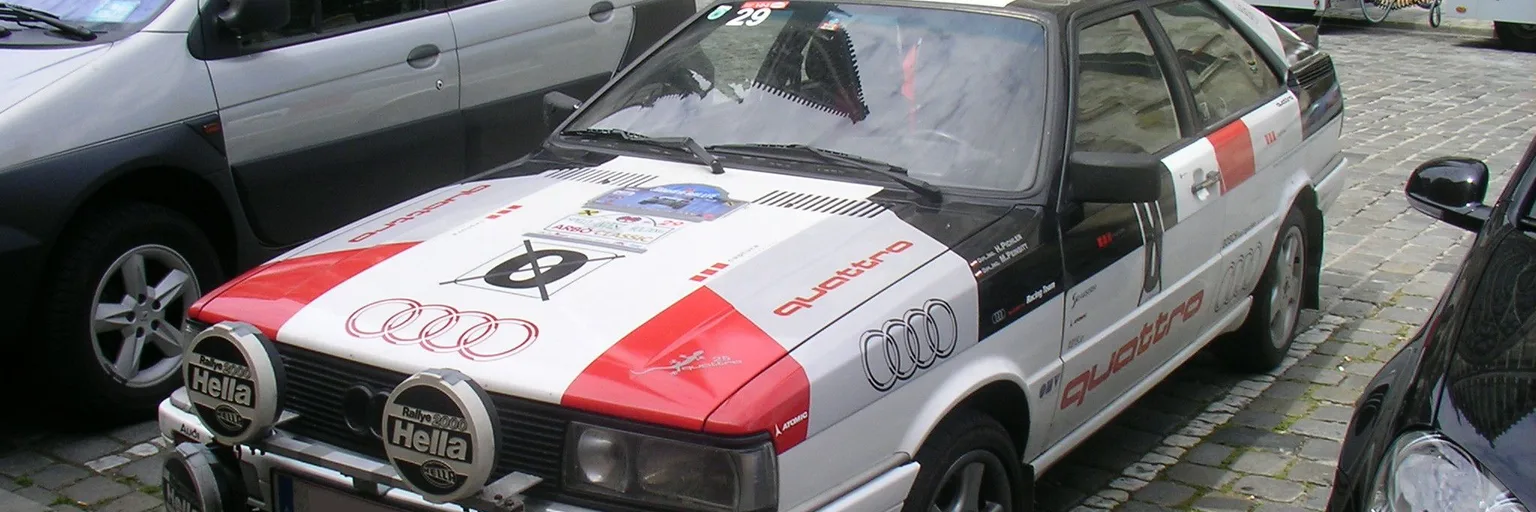
The Quattro returns without Audi, and that's just fine
A British start-up is reviving the Quattro with RS4 hardware and a V8. In our view, heritage is an asset anyone with the engineering can serve, so judge the car, not the badge.
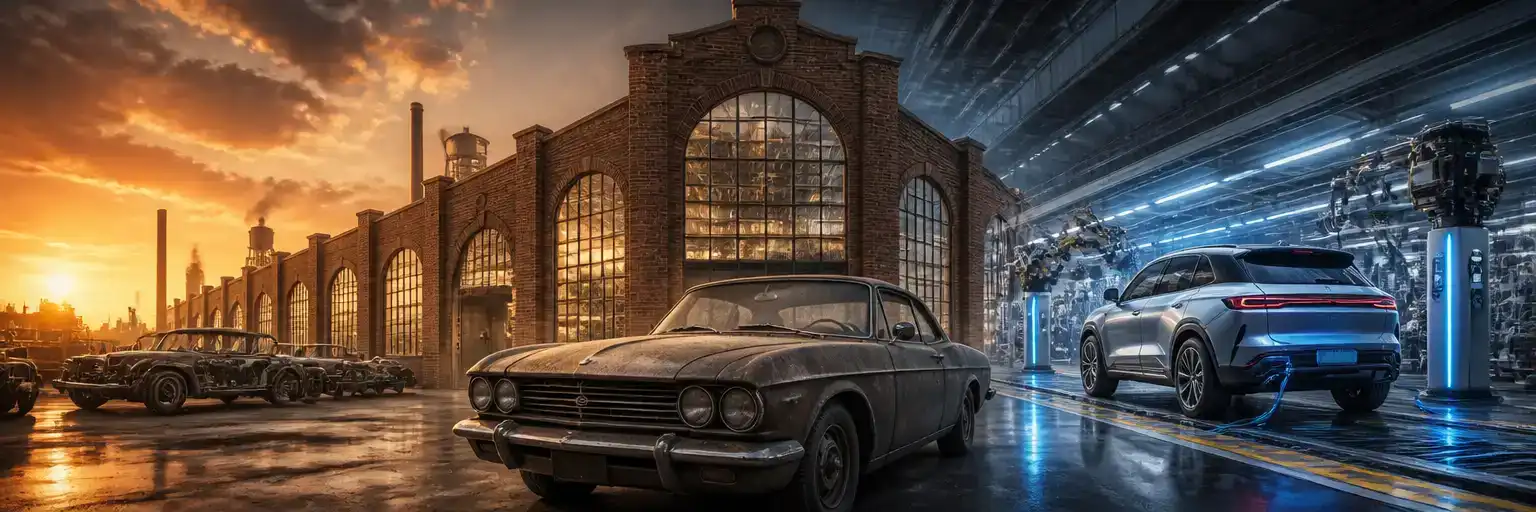
Brand-value rankings are punishing long-established automakers, but the real lesson isn't "go electric". In our view, it's that a badge without a clear promise is worth less than it was.
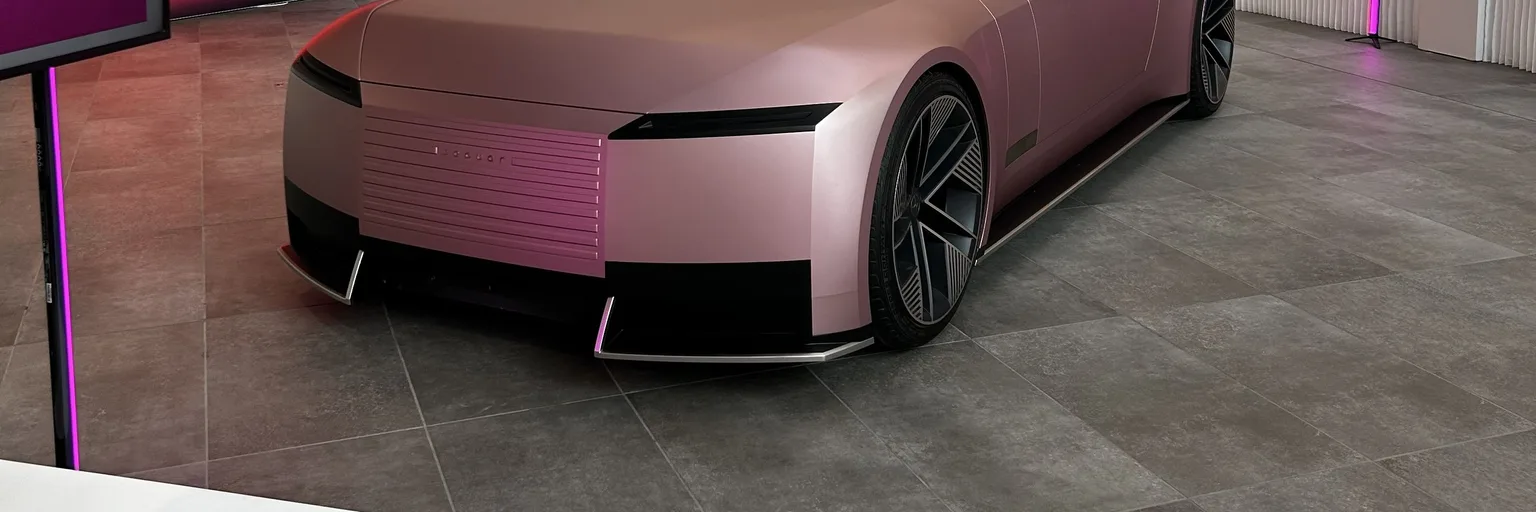
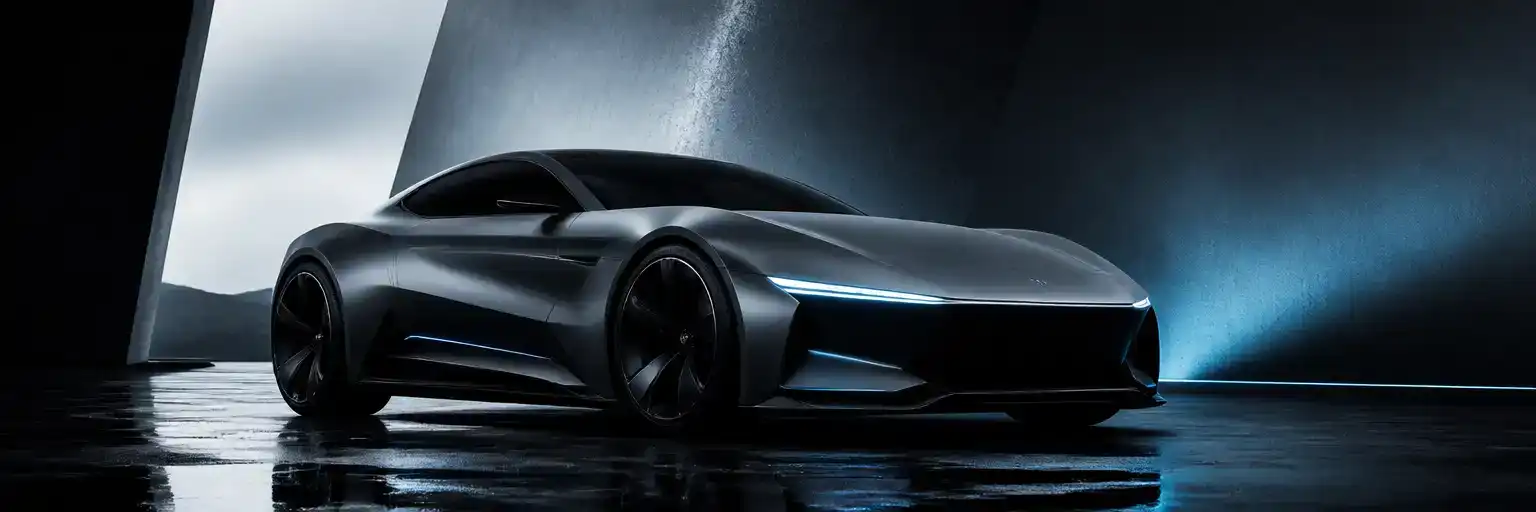
Jaguar is deliberately courting division with the Type 01. It's a bold strategy, but it only works if the car and a price of about $130,000 justify the fight.
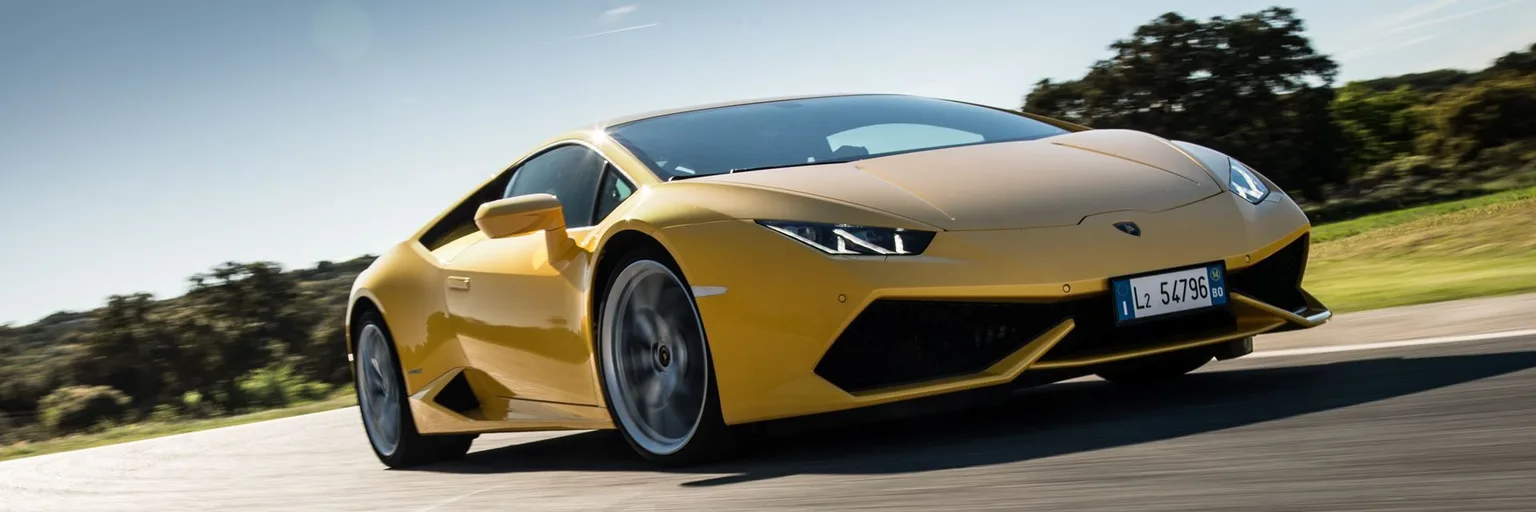
A 499-unit hybrid supercar can restore Audi's swagger, but only if buyers feel something a Lamborghini cousin can't give them. Power alone won't do it.
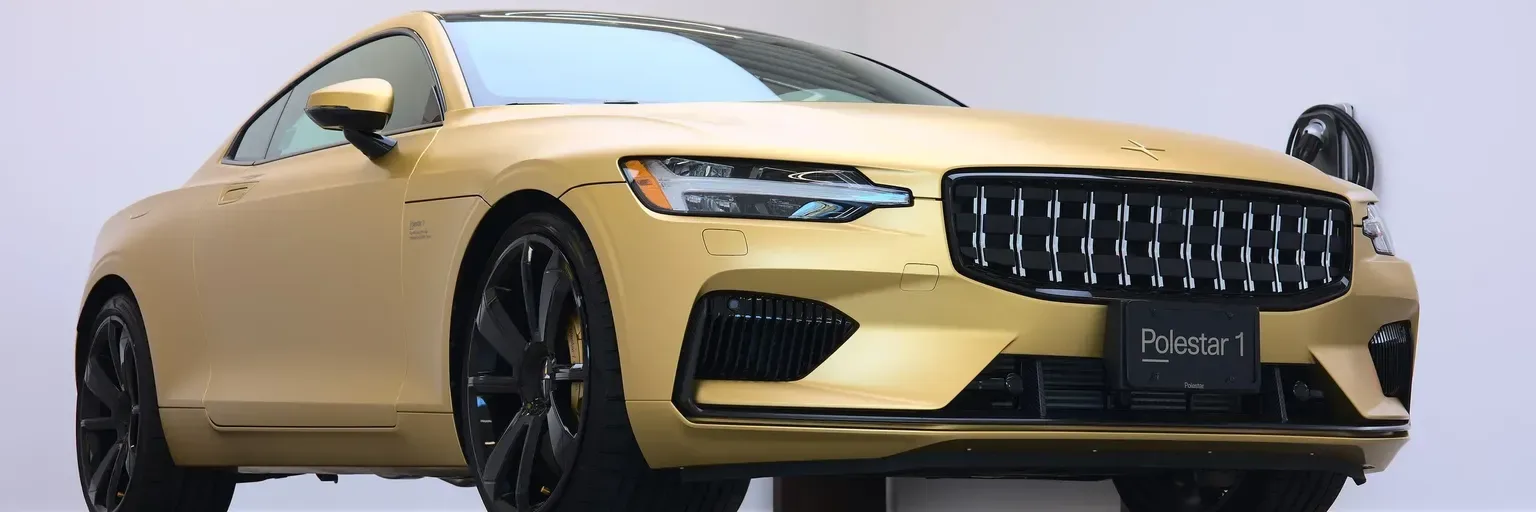
Polestar’s U.S. slide exposes a deeper weakness: a premium EV brand with too little product breadth, scale or insulation from political risk.
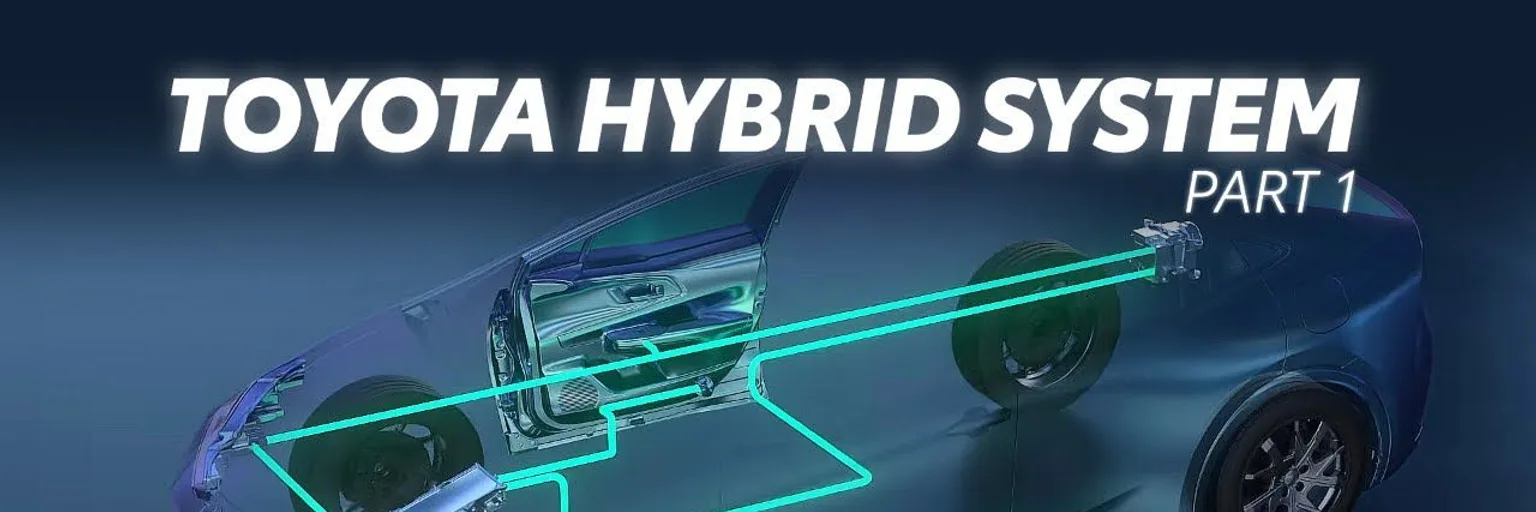
The Land Cruiser Hybrid recall is not proof that hybrid systems are unreliable, but it shows why Toyota’s reputation now depends on fast, precise fixes.
Ford’s seven-model European offensive is less a numbers game than a wager on vans, SUVs and hard-working pickups—but price and production will decide it.
Hongqi brings two gasoline SUVs to Italy, but its real challenge is turning state prestige and generous equipment into a luxury brand Europeans trust.
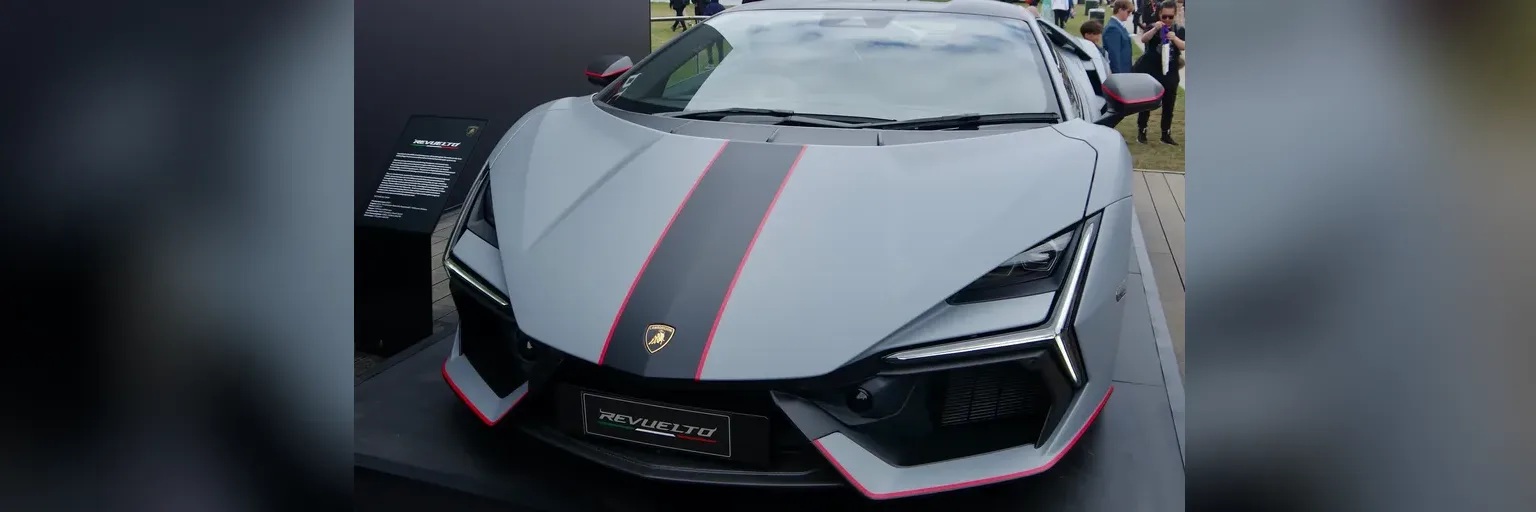
While the limited-edition Revuelto NA63 offers an intoxicating blend of power and patriotism for North America, its purely cosmetic distinctions suggest a strategic focus on heritage and exclusivity over a deeper market commitment amidst the automotive industry's transformative shift.
Yamaha's new Monster Edition of the Exciter 155 VVA TCS in Vietnam underscores a calculated strategy: leveraging iconic racing aesthetics to captivate a distinct segment of performance enthusiasts, even without a mechanical overhaul.
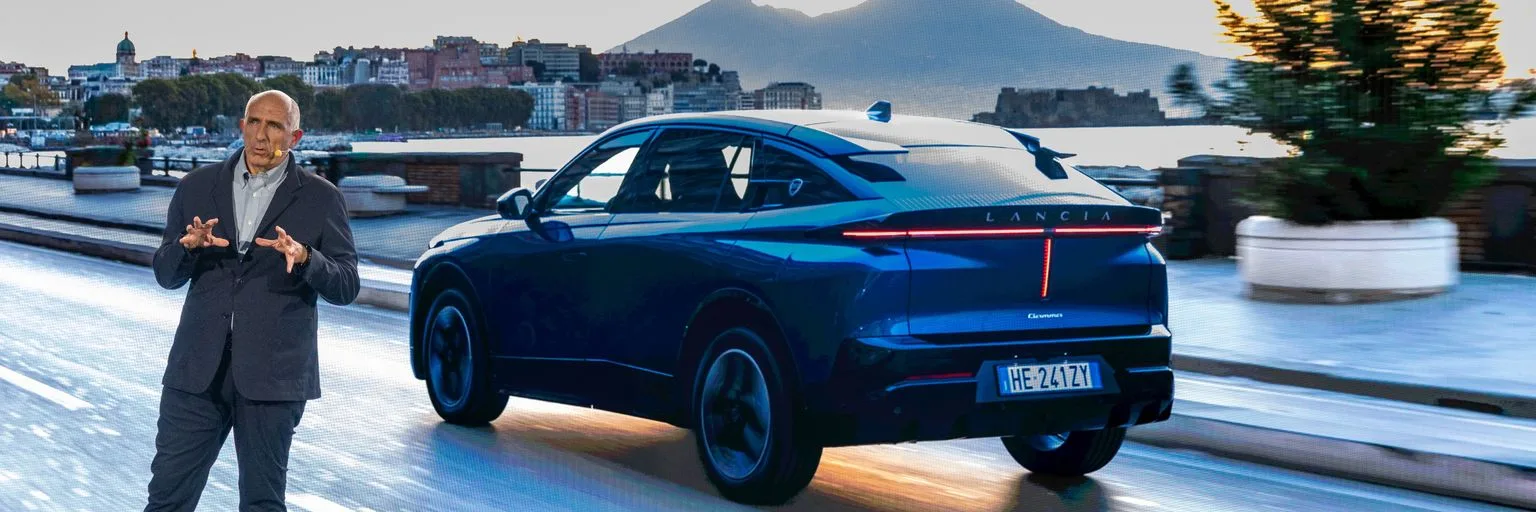
The Lancia Gamma LX Electric is a pivotal moment for the struggling Italian marque, but its success hinges on whether it can carve a distinctive niche in the crowded EV SUV market, harmonizing its rich heritage with modern performance and luxury.
The official agreement between Paris and Berlin to relax the 2035 combustion engine ban, coupled with 'Made in Europe' mandates, signals a strategic recalibration of Europe's automotive transition.
Tesla's recent stock slump isn't just market jitters; it signals growing investor skepticism about the company's heavy reliance on unproven ventures like robotaxis and Optimus, overshadowing its weakening EV sales performance.
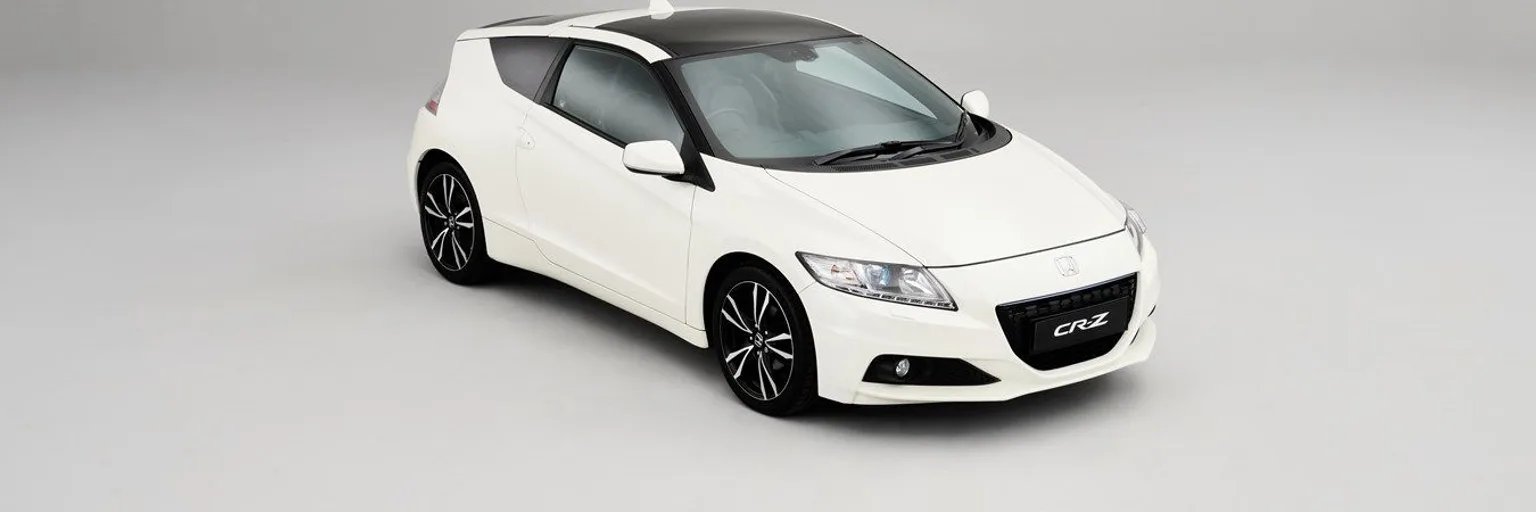
Honda's commitment to 15 new hybrid models by 2030, including a potential V6, signals a pragmatic rebalancing act, prioritizing market realities and broader appeal over an all-in EV gamble.
By focusing on pastel colors and comfort features for 'cold hands,' the ORA Ballet Cat risks being seen as a patronizing gimmick rather than a progressive EV for women.
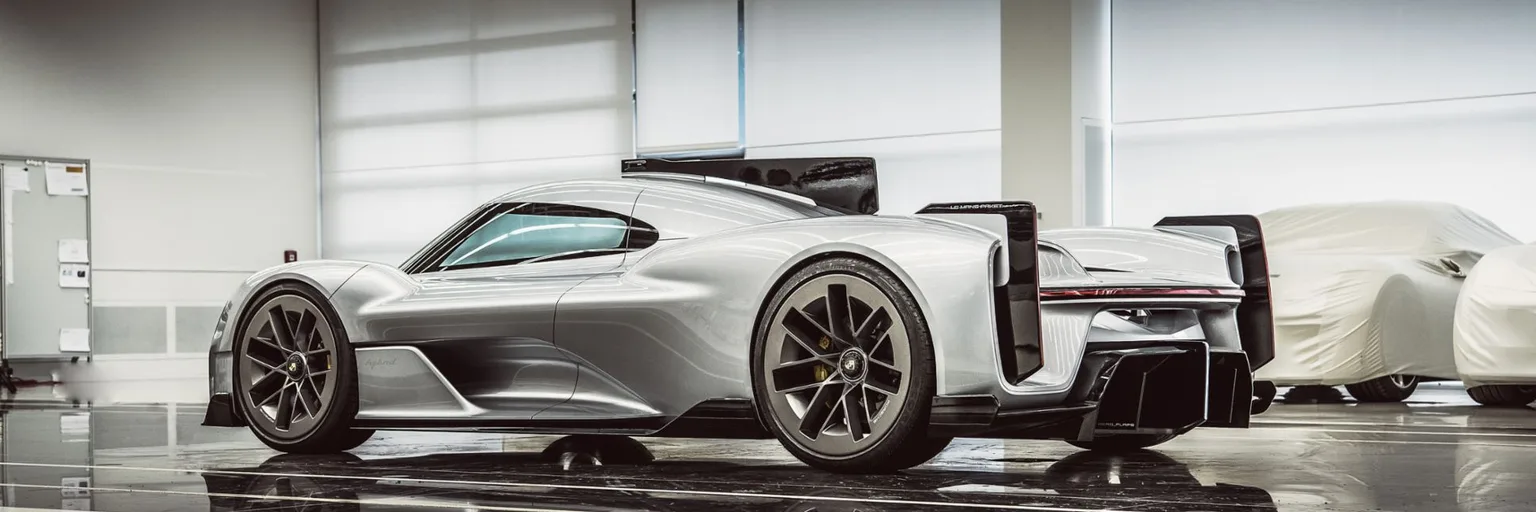
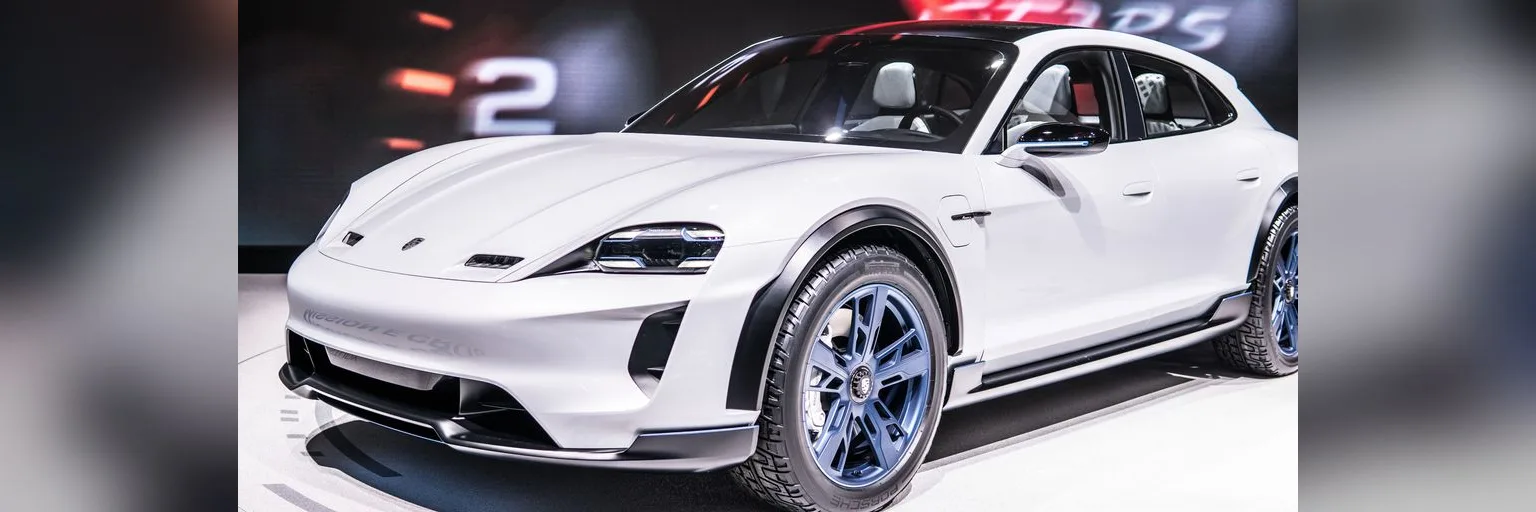
The Mission S concept signals Porsche's strategic pivot, reaffirming its commitment to high-performance internal combustion and heritage, even as it embraces an electric future for other models.
The Moke Electric Mk2’s significant upgrades, particularly in range and practicality, illustrate how niche electric vehicles are thriving by expertly catering to leisure-focused urban and coastal mobility, sidestepping the mass market EV race.
Porsche's audacious decision to place the electric 718's batteries behind the seats is a bold reaffirmation of driving dynamics, challenging conventional EV design to preserve the sports car's soul.
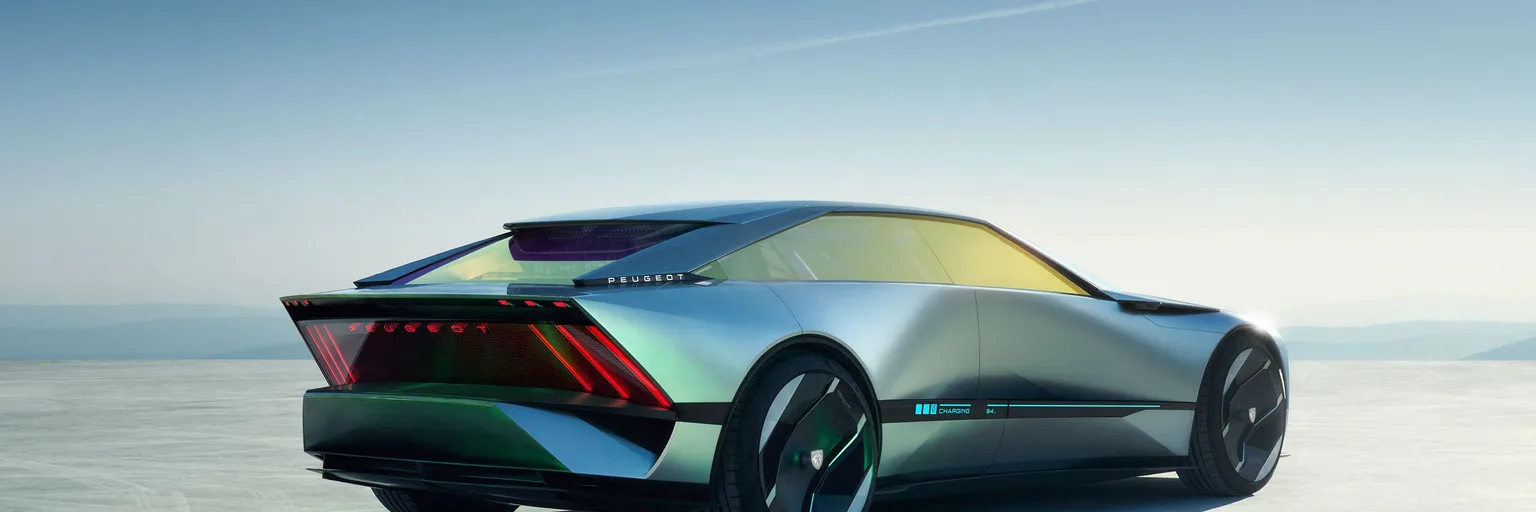
Peugeot's E-T16 Concept, an 816 hp electric homage to the 205 Turbo 16, proves that raw emotion and heritage are vital for EVs, not just raw power.
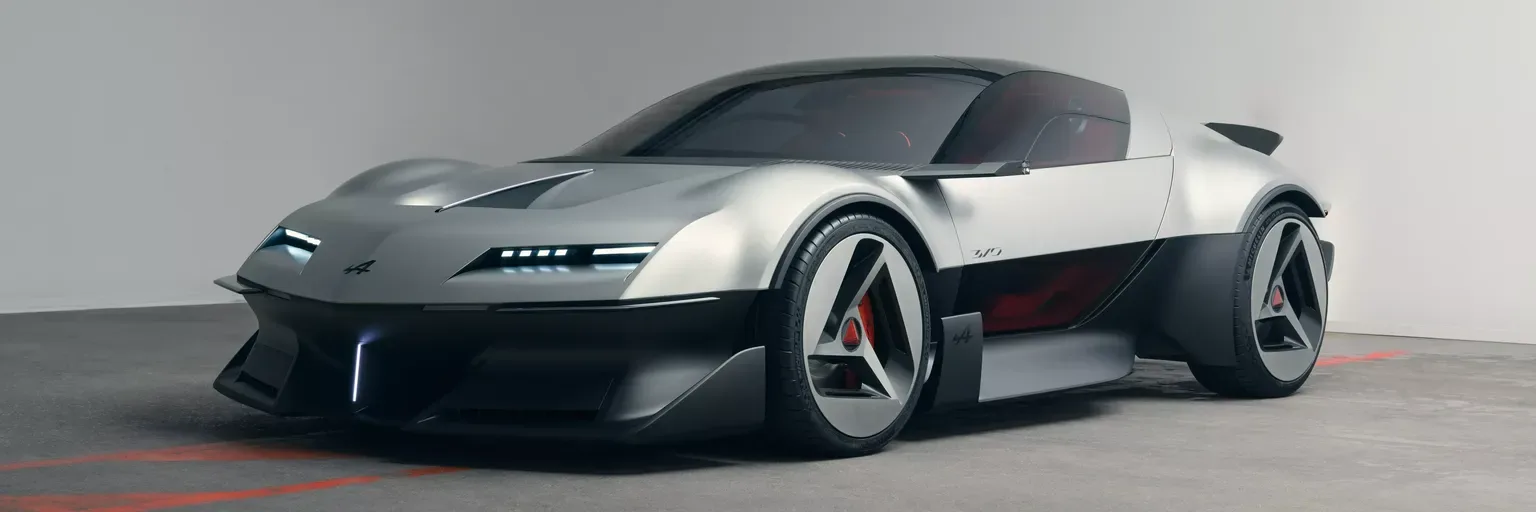
The Alpine A310 Vision concept proves that blending iconic 70s aesthetics with advanced electric platforms creates a compelling emotional connection, setting a unique course in the evolving EV sportscar landscape.
Europe's automotive industry faces a pivotal strategic choice: prioritize high-margin luxury electric vehicles or aggressively pursue affordable, high-volume models to compete against global rivals.
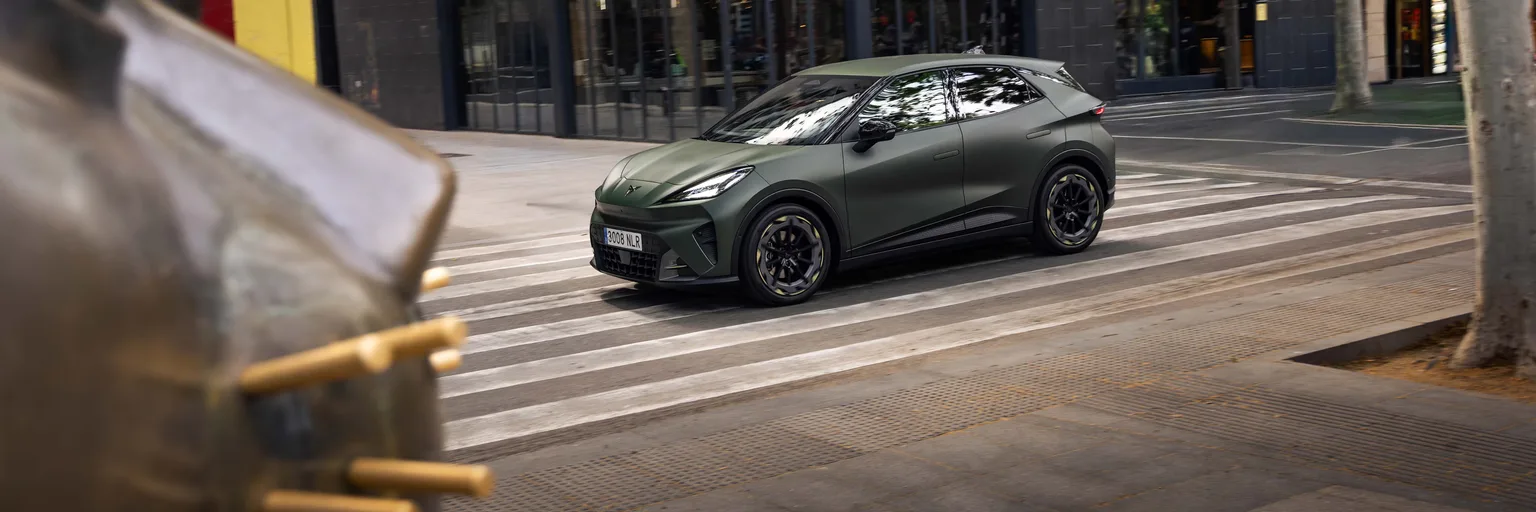
The CUPRA Raval's new ABT sport pack and upcoming 2027 features prove that strategic aesthetic and technological enhancements, not sweeping changes, are key to maintaining market leadership in the urban electric vehicle segment.
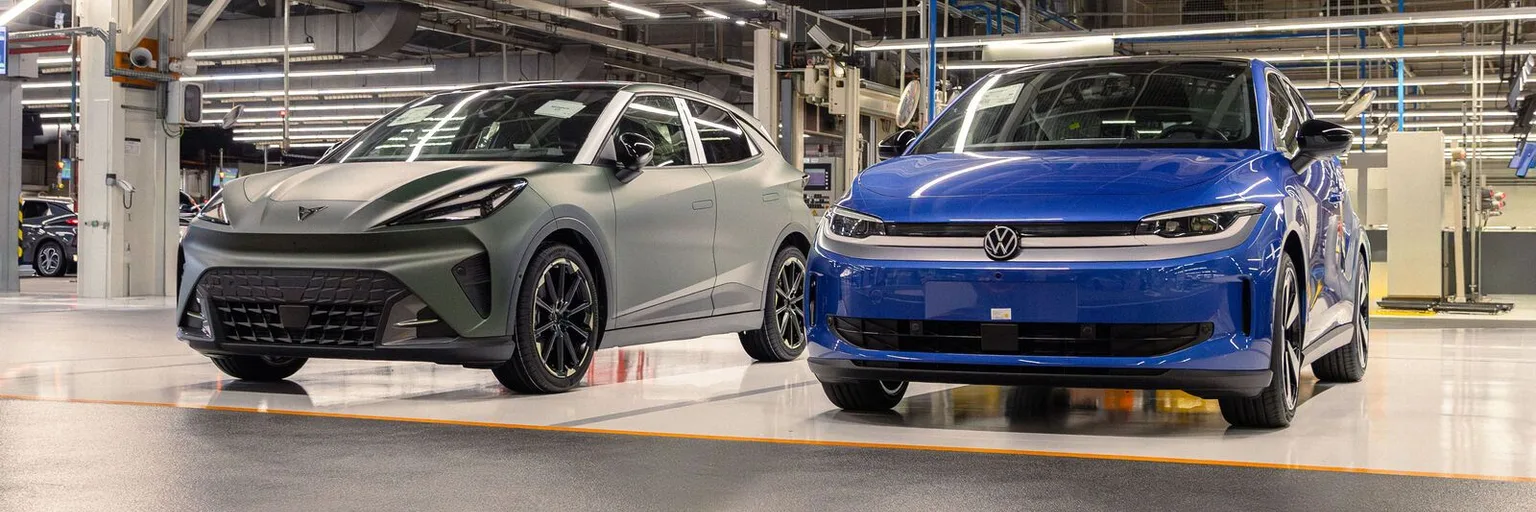
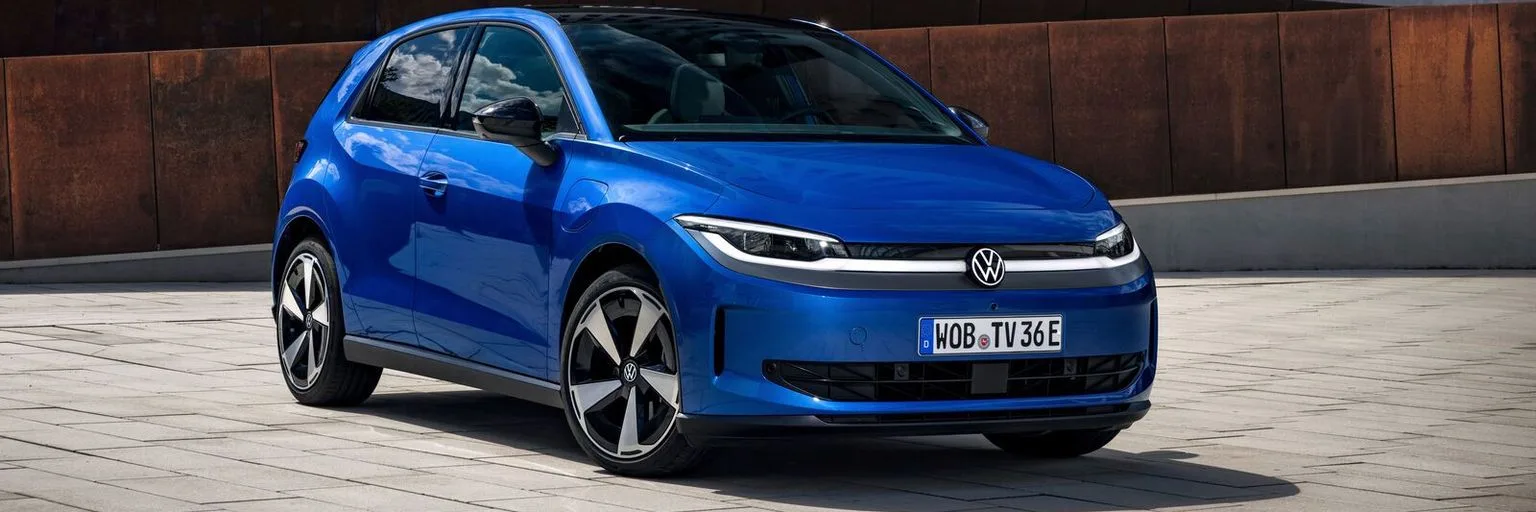
Volkswagen Group's Electric Urban Car Family, showcasing four distinct EVs on a shared platform, signals a strategic play for market dominance and affordability in Europe.
Stellantis’ ambitious plan for over 50 new models and a 25% market coverage expansion in Europe by 2030 signals a strategic pivot towards volume and powertrain diversity, aiming to secure its future in a dynamic automotive landscape.
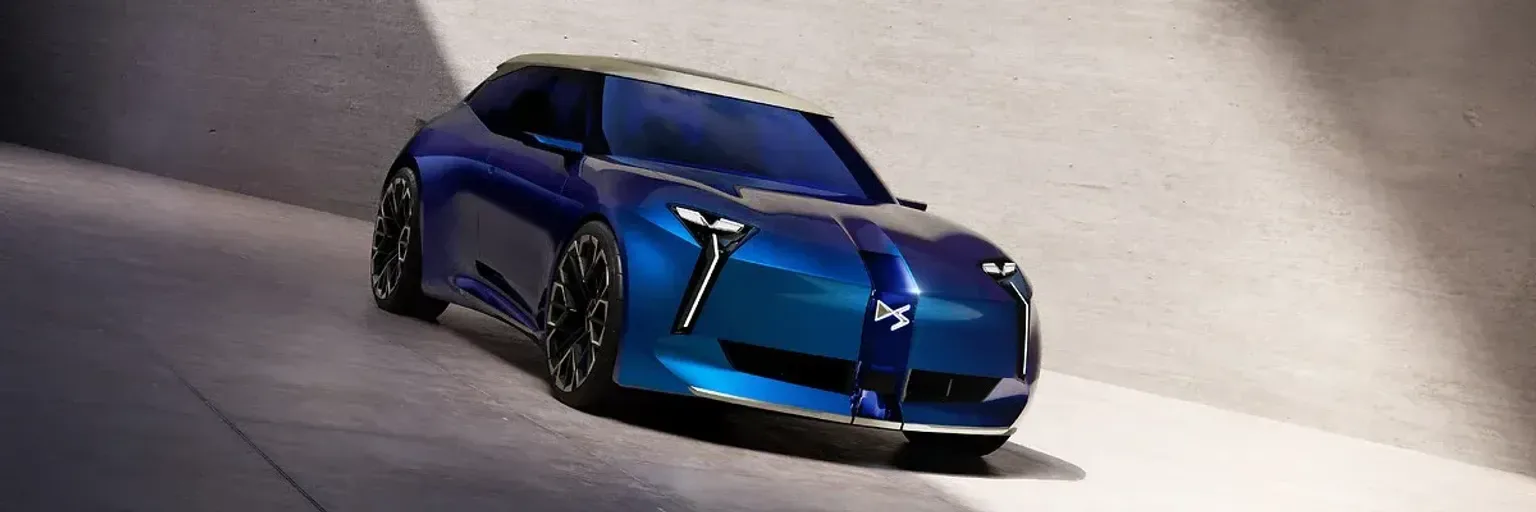
DS Automobiles' F3VER Concept, unveiled at the Paris Motor Show, boldly redefines the brand's aesthetic with a "Design Intelligence" philosophy, setting a striking new course for its future compact EVs.
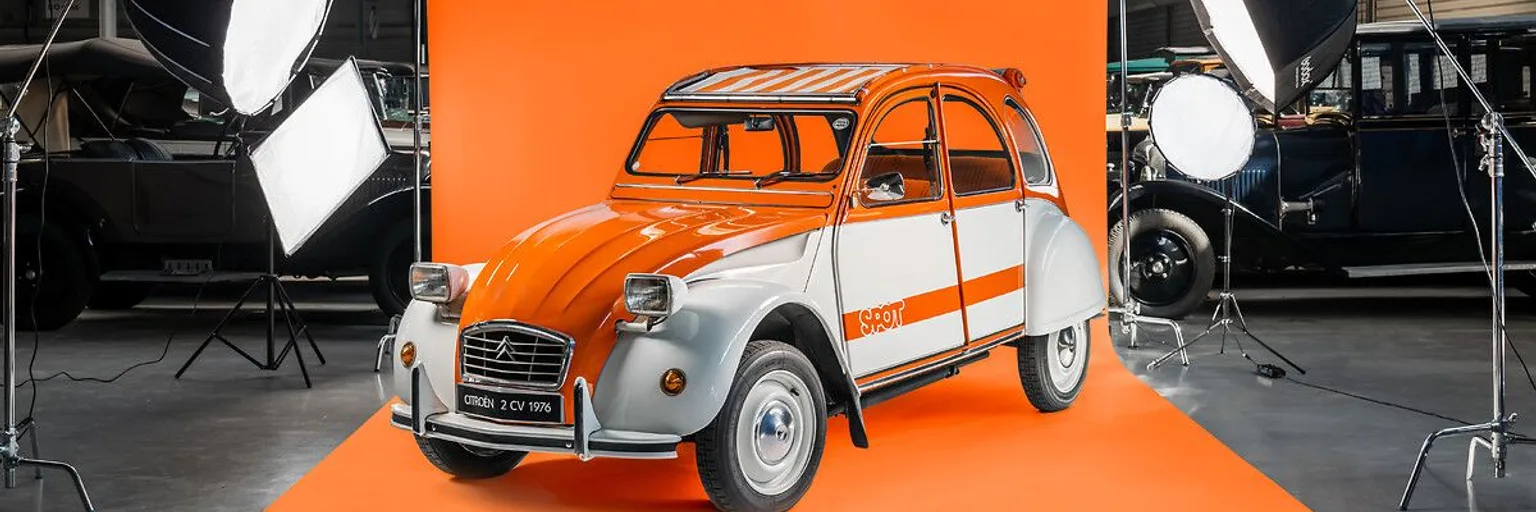
By prioritizing the original's core philosophy of affordability and minimalism over mere retro aesthetics, Citroën's sub-€15,000 electric 2CV could redefine the entry-level EV market in Europe.
Tesla's official adoption of 'Dumb Summon' in Europe is more than just a quirky name; it's a strategic move to manage expectations and navigate the complex European regulatory landscape for assisted driving features.
The stark contrast between the Kia EV2's real-world range exceeding WLTP figures and the DS N°7's significant shortfall reveals a critical divide in EV consumer trust and adoption.
Volkswagen's simultaneous launch of the high-priced ID. Polo GTI and its Xpeng-powered affordable SUV for China reveals a complex balancing act between heritage, market demands, and global electrification challenges.
Volkswagen's new ID. Tiguan, slated to replace both the ID.4 and ID.5, signals a bold strategic move to streamline its electric SUV lineup, capture a wider market, and rectify past ergonomic missteps.
Porsche's "Sportwagenschmiede '35" strategy marks a significant pivot towards extreme exclusivity and diverse powertrains, repositioning the brand firmly in the luxury performance segment.
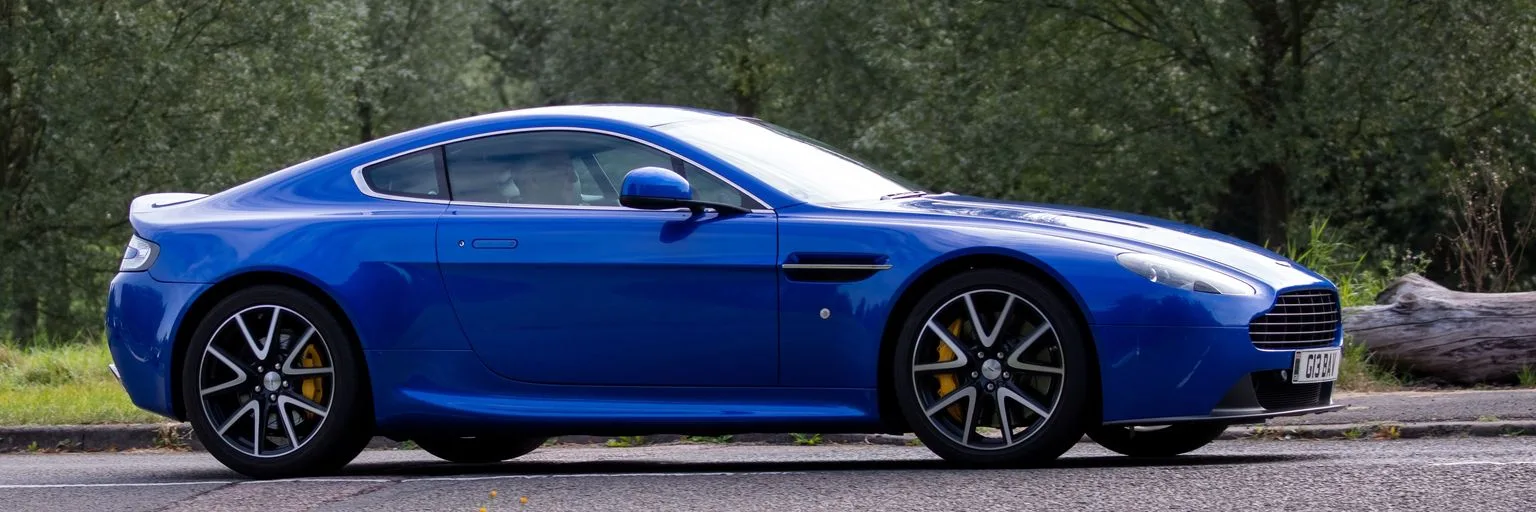
Aston Martin's decision to push its first all-electric model to at least 2033 reflects a cautious luxury industry navigating evolving regulations and uncertain high-end consumer demand, prioritizing established combustion engines over premature EV investment.
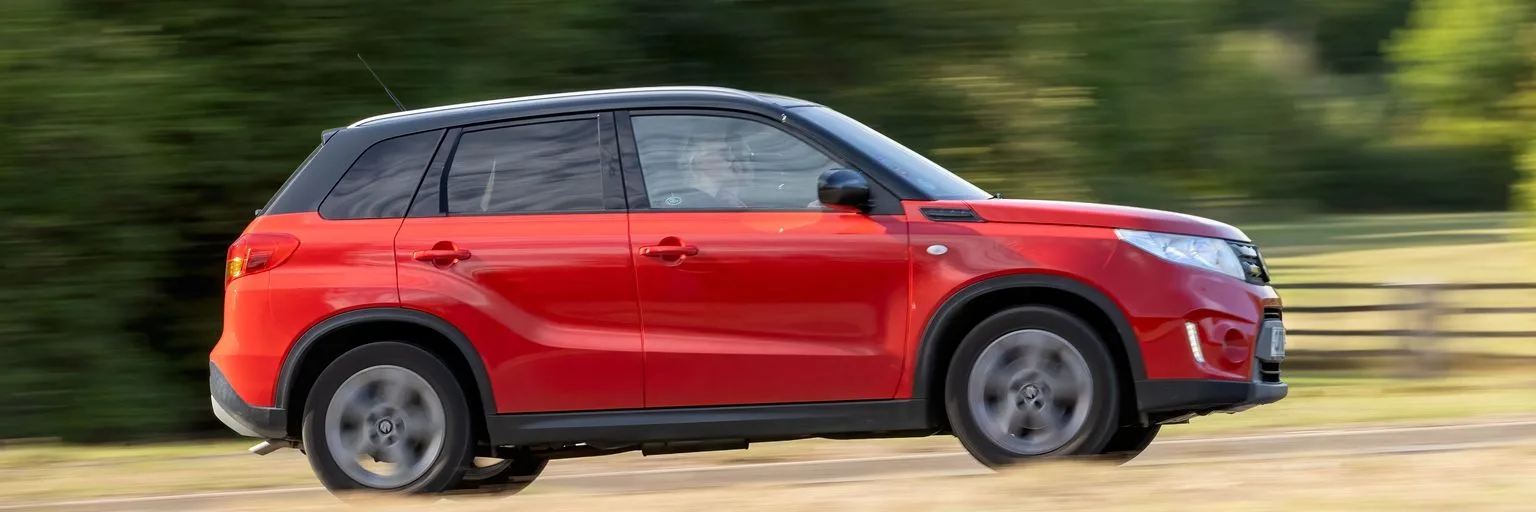
While many automakers chase an all-electric future, Suzuki charts a nuanced course with smart hybrids, efficient turbos, and lean EVs, focusing on adaptability and cost-effectiveness for diverse global markets.
Jaguar's dramatic rebrand and its audacious new Type 01 EV signal an all-in play for the ultra-luxury segment, a high-stakes gamble that could redefine or dismantle the iconic British marque.