Alpine's A310 Vision: Why Retro-Futurism is the EV Game Changer
The Alpine A310 Vision concept proves that blending iconic 70s aesthetics with advanced electric platforms creates a compelling emotional connection, setting a unique course in the evolving EV sportscar landscape.
Photo: Alpine / sala de prensa (uso editorial)
In a market increasingly saturated with electric vehicles that often prioritize sleek, minimalist futurism, is there a risk of design homogeneity? Alpine seems to think so, and its stunning A310 Vision concept, unveiled at the Paris Motor Show this week, offers a provocative answer: the future of EV design might just lie in a thoughtful embrace of the past.
Commemorating the 55th anniversary of the original four-cylinder A310 and 50 years since its V6 counterpart, the A310 Vision is a dramatic reinterpretation of the iconic 1970s sports car. Measuring 4.55 meters long, 2.03 meters wide, and a mere 1.18 meters high, this concept is a visually arresting blend of angular, geometric lines and modern muscularity. While Alpine has clarified that this is strictly a design exercise and not a preview of an imminent production model, it serves as a powerful demonstration of the brand's vision for future performance cars, all built upon its flexible new Alpine Performance Platform (APP).
The Allure of Retro-Futurism: A Distinctive EV Identity
Many electric vehicle designs today lean heavily into aerodynamic efficiency and a perception of advanced technology, often resulting in vehicles that, while impressive, can feel somewhat sterile or indistinguishable from one another. Alpine's A310 Vision, however, defies this trend. The Alpine press release notes that the original A310, unveiled in 1971, stood out with its "radical silhouette" and "taut, geometric and radical design." The A310 Vision aims to extend this intent, offering a contemporary reinterpretation of those distinctive lines, blending them with modern materials like an aluminum body and futuristic details such as pop-down LED headlights and a split rear wing with transparent sections. This 'retrofuturistic' approach creates an immediate and undeniable emotional connection, tapping into nostalgia while projecting innovation. It demonstrates that an EV can possess character, heritage, and a distinctive visual identity that sets it apart from the often uniform aesthetic of its peers.
Engineering Heritage into a Flexible Future
The A310 Vision isn't just about looks; it's a showcase for the capabilities of the new Alpine Performance Platform (APP). This architecture, which will also underpin the next-generation electric A110 sports car, is designed for significant versatility. The Autocar report notes the APP's flexibility, including its capacity to split battery packs to allow for a low-slung profile, as seen in the A110, and to adapt to various powertrain layouts. Alpine's design boss, Antony Villain, further emphasized the platform's versatility, indicating it was developed to push the limits of sports cars while retaining practical modularity. By explicitly linking this design exercise to their core EV platform, Alpine is not only exploring new aesthetics but also proving the technical viability of building diverse, characterful electric sports cars that honor their legacy.
More Than Just a Concept: Alpine's Strategic Play
While the A310 Vision is, officially, a one-off design study, its implications are far-reaching. The strong positive reception, as evidenced by headlines like "This is the stunning new Alpine A310 Vision, and it needs to be built immediately" from TopGear.com, suggests a significant market appetite for such a vehicle. Antony Villain's comments about the concept's development code, PS1 (Project Special), and the platform's ability to support "more extreme cars, with more personalisation," hint at the potential for limited-run production models. In a burgeoning EV market, where brand loyalty and differentiation are key, showcasing a design study this compelling allows Alpine to gauge interest and build anticipation for future high-end, bespoke electric offerings. It's a smart strategic move, allowing the brand to explore creative boundaries and strengthen its unique identity, proving that performance EVs don't have to compromise on soul or distinctiveness.
In our view, the Alpine A310 Vision is more than just a beautiful car; it's a statement. It boldly declares that embracing automotive heritage through a retro-futuristic lens can carve out a powerful and emotionally resonant niche in the electric sportscar segment. As the industry races towards an electrified future, Alpine reminds us that true innovation often lies in the artful fusion of what was, what is, and what could be.
No topics yet: start the first one.
More stories
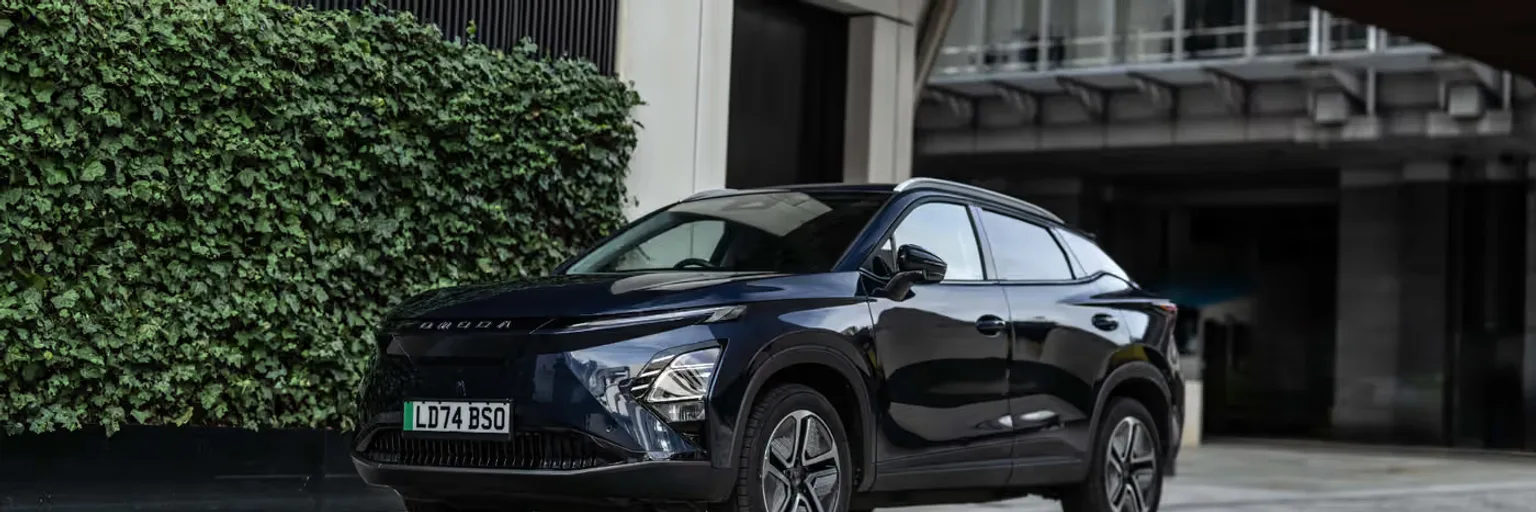
Omoda 5 2027: A Chinese Challenger Redefining Europe's SUV Market
The refreshed Omoda 5, arriving in 2027 with compelling hybrid and electric powertrains and advanced autonomous parking, is poised to challenge established European and Asian SUV brands to rethink their strategies.
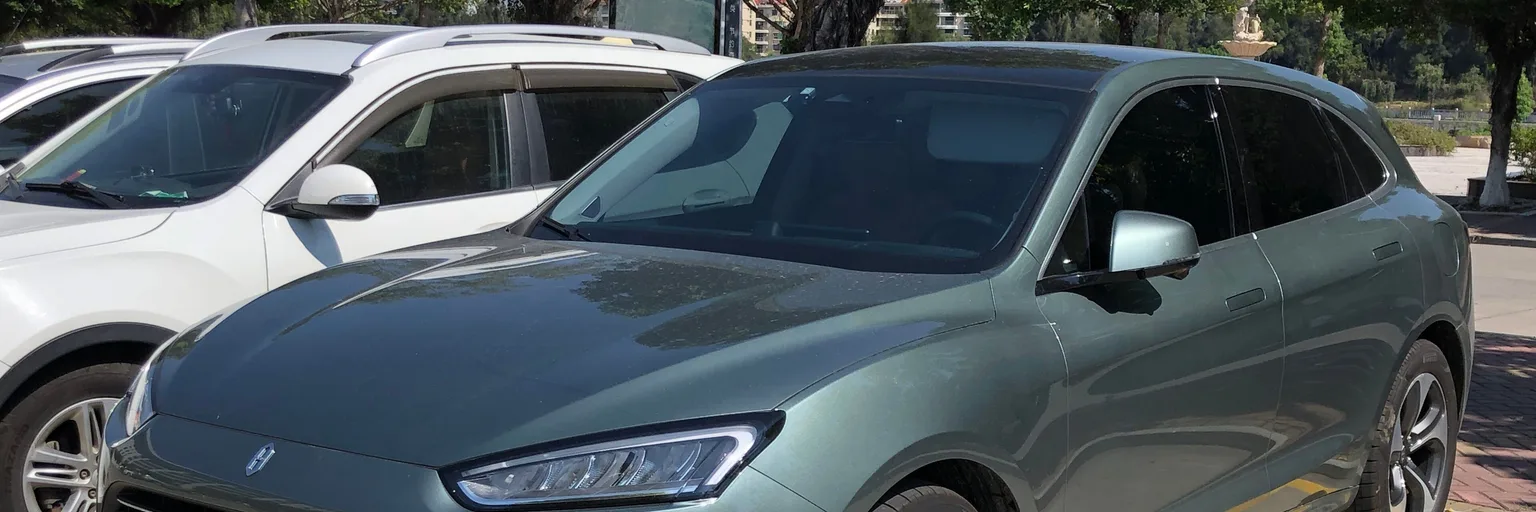
Aito's European entry: Why Huawei's shadow complicates success
Huawei-backed Aito targets a European launch by autumn 2027, yet stringent regulations, geopolitical tensions, and its partner's domestic woes present significant hurdles that could slow its ambitious expansion.
EV Adoption's Next Frontier: Charging Costs and True Economic Value Reshape the Market
As the electric vehicle market matures, consumer focus is shifting from initial range and purchase price to the practical realities of charging costs, battery performance, and their wider economic impact, forcing a re-evaluation of brand loyalty among drivers.
Why the Renault Trafic E-Tech Electric Sets a New Standard for Commercial EVs
Renault's new Trafic E-Tech Electric leverages software-defined architecture to offer unparalleled customization and over-the-air updates, setting a new benchmark for flexible commercial electric vehicles.