Tesla's Robotaxi Bet: A Risky Distraction from its Core Business
Tesla's recent stock slump isn't just market jitters; it signals growing investor skepticism about the company's heavy reliance on unproven ventures like robotaxis and Optimus, overshadowing its weakening EV sales performance.
AI-generated image
Is Tesla, once the undisputed pioneer of electric vehicles, losing its way? Recent movements in its stock suggest a growing anxiety among investors, not merely about short-term market volatility, but a deeper concern regarding the company's strategic pivot. What appears to be an unwavering focus on ambitious, yet unproven ventures like robotaxis and humanoid robots is increasingly seen as a high-stakes gamble, potentially diverting crucial resources and attention from its foundational electric vehicle business.
The second quarter of 2026 delivered a stark reality check. Following its earnings call in July 2026, Tesla's stock plunged by more than 13%, driven by investor disappointment. Despite CEO Elon Musk's call for patience, the market reacted negatively to the company's continued heavy investments in robotaxis, its Optimus robots, and Full Self-Driving software, with scant concrete updates on their commercial viability. This coincided with a noticeable dip in profitability, despite robust sales figures, raising questions about the sustainability of its current strategy.
The Robotaxi Dream: A Road Paved with Delays
For months, the promise of a fully autonomous robotaxi network has been a significant driver of Tesla's valuation, often overshadowing concerns about its core automotive sales. In fact, throughout early 2026, investor enthusiasm for robotaxis helped keep the stock elevated even as car sales faced challenges. However, the reality of deployment has consistently lagged behind the hype. Elon Musk's past promise of robotaxi service reaching half the U.S. population by the end of 2025 has not materialized, with only seven U.S. cities reporting service by mid-2026. This limited rollout has left investors questioning the pace of progress.
Compounding these concerns, Tesla's reported 2.5 million miles logged by its robotaxi service pales in comparison to the 220 million miles accumulated by Alphabet's Waymo in the first quarter of the year, as MarketWise.com reported in July 2026 [https://marketwise.com/investing/tesla-second-quarter-earnings-stock-plunged-amid-spacex-merger-hype/]. Beyond the delays, significant hurdles remain. Morningstar analysts, who deemed Tesla's stock overvalued in January 2026 [https://www.morningstar.com/stocks/tesla-stock-is-riding-robotaxi-optimism-is-it-overvalued/], point to a complex regulatory landscape and stiff competition from established tech firms and traditional automakers. Crucially, Tesla's camera-only approach to autonomous driving stands out in an industry where many rivals leverage additional sensors like LiDAR and RADAR, potentially giving competitors a technical edge in handling complex scenarios. We believe this technological singular vision could prove to be a significant vulnerability in the race for true autonomy.
Optimus: A Future Too Far to Justify Present Costs?
The Optimus humanoid robot represents another grand vision, with production slated to begin later in 2026. While the long-term potential of such a venture is undeniable, its immediate impact on Tesla's bottom line is primarily one of significant capital expenditure. The company held to its $25 billion estimate for capital investment this year, with a considerable portion yet to be spent in the second half. This massive spending, which contributed to a $1.1 billion cash burn in Q2 2026, hinges on future returns from projects that are years away from proving commercial viability. We must ask if these ambitious long-term bets are draining resources that could otherwise strengthen the company's immediate competitive position in the EV market.
The Eroding Foundation: A Look at Core EV Performance
Beneath the headlines of futuristic robots and autonomous fleets, Tesla's core EV business is showing signs of strain. While Q2 2026 saw a record 480,126 vehicle deliveries and a 26% year-over-year sales growth, these figures mask a problematic trend: a heavy reliance on discounting to drive volume. This strategy has significantly impacted profitability, with the gross margin on car sales dipping to 16.3% in Q2 2026, down from 19.2% in the prior quarter and well below analyst estimates of 18.7%. Operating profit for the quarter was a mere $398 million, a stark contrast to previous periods.
Looking ahead, Morningstar analysts predict weak EV deliveries for Tesla in 2026 for the third consecutive year [https://www.morningstar.com/stocks/tesla-stock-is-riding-robotaxi-optimism-is-it-overvalued/]. Factors contributing to this include the expiration of the U.S. EV tax credit, increasing competition in Europe, and relatively high vehicle prices. For European markets, regulatory approval for Tesla's Full Self-Driving software is still pending, representing a missed opportunity for sales growth that could be unlocking a significant market. In our view, the company's current valuation, heavily reliant on the successful scaling of robotaxis and Optimus, seems increasingly disconnected from the financial realities of its vehicle manufacturing division.
Tesla's stock performance reflects a market grappling with the company's dual identity: a leading EV manufacturer facing growing competition and margin pressures, and a speculative tech giant banking on a highly uncertain future. While innovation is key to long-term success, we believe investors are increasingly demanding tangible progress and a clearer path to profitability from these grand visions. Without a stronger demonstration of viability for robotaxis and Optimus, or a more robust performance from its core EV business, Tesla's stock is likely to remain highly volatile, with its current valuation difficult to justify. The market's patience, it seems, is wearing thin.
No topics yet: start the first one.
More stories
EV Market: Europe's Surge, North America's Lag, and China's Enduring Lead
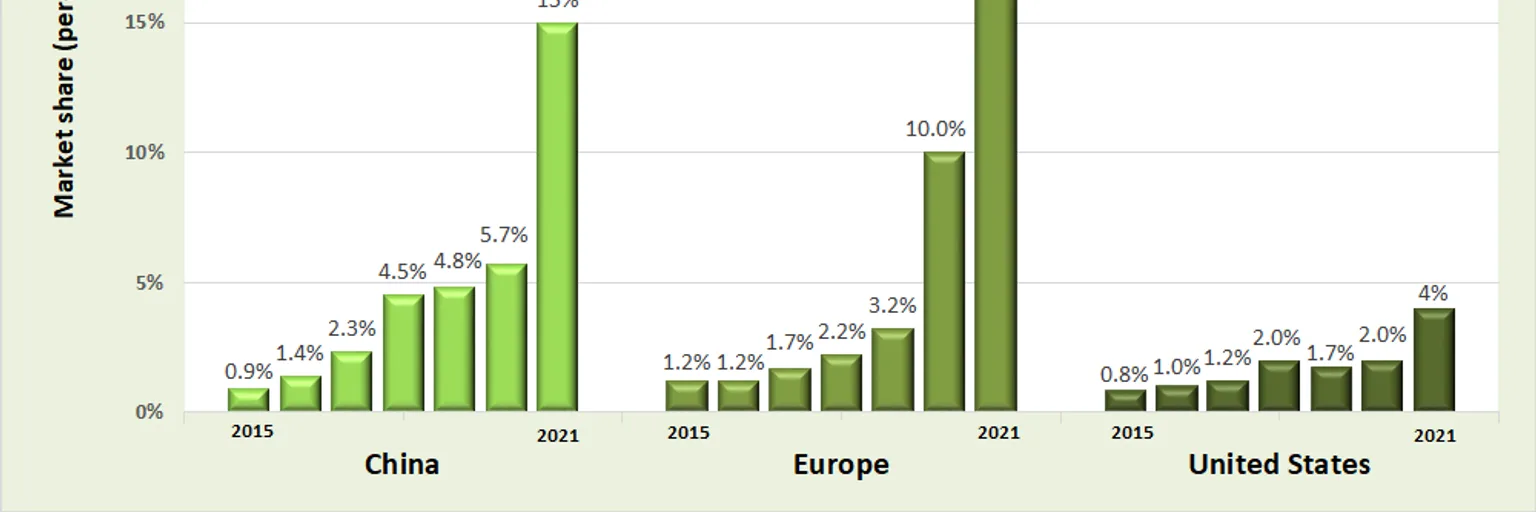
While Europe's EV sales surged and China recovered year-to-date through July 2026, North America experienced a notable decline, highlighting disparate market strategies and adoption rates globally.
Skoda Epiq Sportline: Style or Substance in the Compact EV Arena?
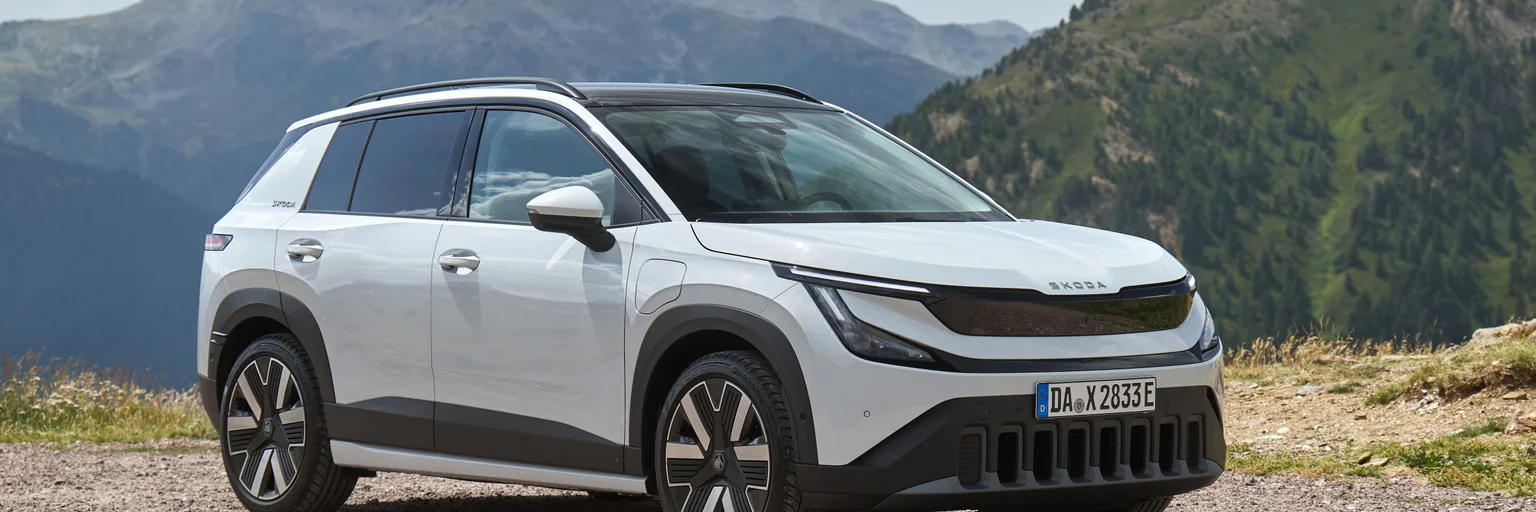
Skoda's latest Epiq Sportline brings a more assertive design to its entry-level EV, but we question if aesthetic muscles are enough to truly flex in a fiercely competitive electric market.
DeepDrive Secures Major Motor Deal: A New Era for European EV Tech?
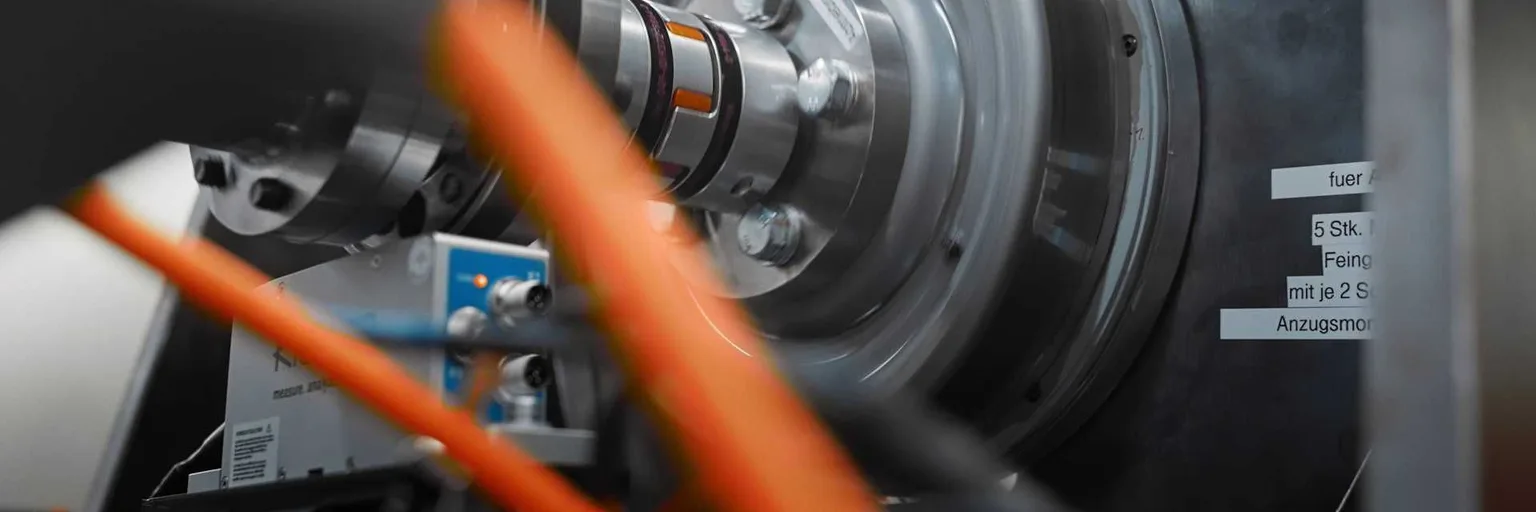
DeepDrive's landmark production contract for its innovative dual-rotor electric motors could be a pivotal moment, signaling a resurgence for European innovation in the global EV components market.
Chinese EVs are coming: Europe isn't ready for this two-pronged attack
A new wave of Chinese automakers, led by Changan NEVO and Li Auto, is poised to reshape the European car market with both affordable family EVs and sophisticated luxury SUVs.