Audi's Nuvolari needs more than 987 hp to work as a halo
A 499-unit hybrid supercar can restore Audi's swagger, but only if buyers feel something a Lamborghini cousin can't give them. Power alone won't do it.
Photo: Automobili Lamborghini / sala de prensa (uso editorial)
Can a brand rebuild its image with a number on a spec sheet? Audi is betting that 987 horsepower, a carbon body and a 499-unit production run will do a lot of the work. We think the bet is a good one, but only if the Nuvolari proves it has an Audi personality and isn't simply the loudest relative in the Volkswagen family.
What Audi actually built
The basics, per Road & Track: a mid-mounted 4.0-liter twin-turbo V-8 plus three axial-flux electric motors, for a combined 987 hp. Audi claims 0-62 mph in 2.6 seconds and a top speed of 217 mph. It was unveiled on June 4, 2026, and Audi says deliveries begin in 2027.
It is also a close sibling of the Lamborghini Temerario. Road & Track notes the V-8 makes only 11 hp more than the Lambo's, and that the electric motors are rated identically. The extra 80 hp at the system level isn't fully explained yet. Car & Driver expects pricing in the upper $600,000s. MotorTrend had put it at close to half a million dollars.
The Lamborghini cousin problem is real, but it's not fatal
Sharing hardware is nothing new. The R8 did it with the Gallardo and the Huracán, and nobody remembers it as a lesser car. The difference this time is positioning. Car & Driver reports the Nuvolari sits above the Temerario in status. The R8 always sat below its Lamborghini kin.
That is the interesting part of the story, and we'd call it the smartest decision here. A halo that apologizes for being the cheaper cousin does nothing for the showroom. One that outranks the cousin changes the conversation about the whole brand.
Identity is the whole game
Power figures are cheap in 2026. What isn't cheap is a character. Here the early signals are encouraging. Audi's chief technical officer, Rouven Mohr, told Car & Driver that a Lamborghini should feel like taming a bull, and that "The Nuvolari is not like that." The idea is a car that cooperates with its driver, aided by the predictive quattro system, instead of antagonizing them. That is a recognizably Audi proposition: the all-wheel-drive, make-the-driver-fast tradition, updated with software.
The design helps too. Road & Track describes a brutalist, squared-off look, a "complete 180" from the Audis on sale now. We'd say that is a risk, and probably the right one. Car & Driver admits that recent non-RS Audis can feel staid, and the company's own decision-makers agree. A halo is only useful if it looks like where the brand is going, not where it has been.
The Formula 1 link is the weakest part of the story as marketing. Active aero, a DRS button and F1-inspired energy management make good headlines. But a customer who pays that much will judge the car by how it feels, not by a slide about racing technology. We'd treat the F1 angle as a supporting argument, not the main one.
Who wins, and what to watch
Winners: Audi's image, if the car delivers the cooperative character Mohr describes. Also the enthusiasts, who get a combustion-engined flagship at a time when Audi had planned to stop new combustion models. Losers: anyone hoping the halo trickles down quickly. At 499 units, it is a symbol and not a volume product.
Two caveats. Audi's U.S. page says the car is a European pre-production prototype, and that U.S. specifications, pricing and EPA figures will be announced later. And the prototype impressions come from a car the writer drove on a private road. We haven't seen production cars, so treat all of this as promise, not proof.
Our verdict: the Nuvolari is a smart halo, because it has the one thing the R8 lacked, which is rank within the group. But the number that will matter in five years is not 987. It's whether an ordinary Audi buyer walks into a showroom and sees something of this car in the cars they can actually afford. If not, it's a spectacular one-off. If so, it's the start of something.
No topics yet: start the first one.
More stories
Lamborghini's Lanzador U-turn isn't a retreat: it's reading the room
Lamborghini swapped the all-electric Lanzador for a plug-in hybrid, and its CEO says buyers are happy. We think the EV-only super-GT was a bet on the wrong customer.
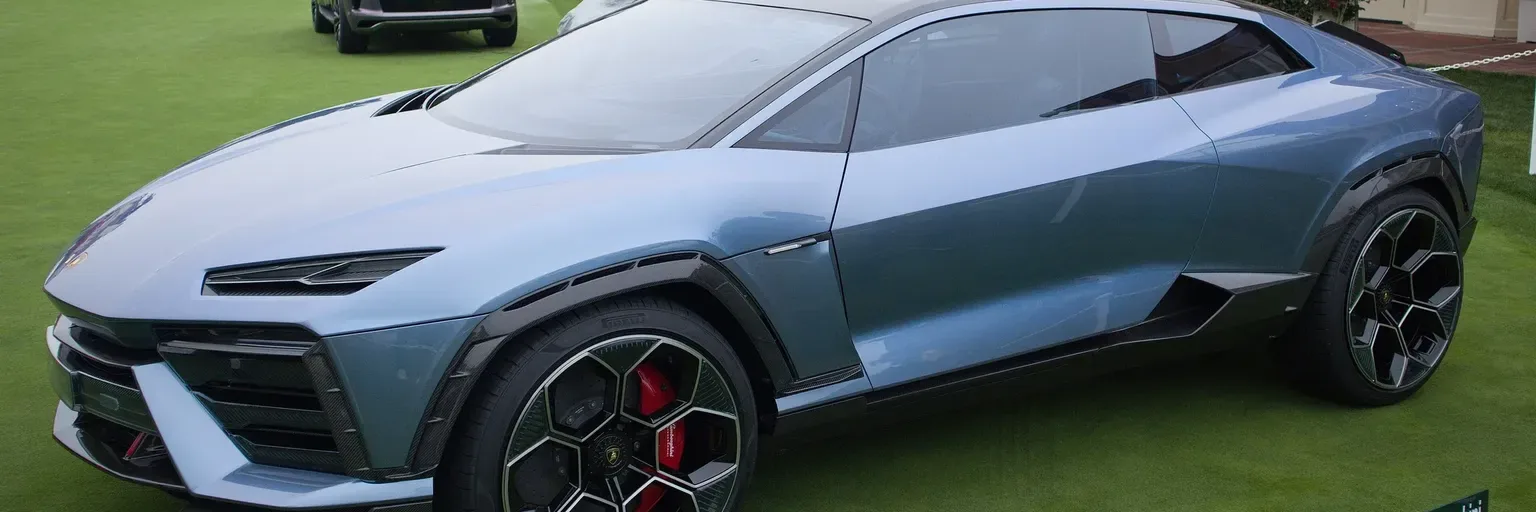
Chrysler's sub-$30K SUVs are the right bet, if the sticker isn't bait
Stellantis is promising two Chrysler crossovers under $30,000 in a market priced out of new cars. The idea is smart; the real test is what happens after "starting at."
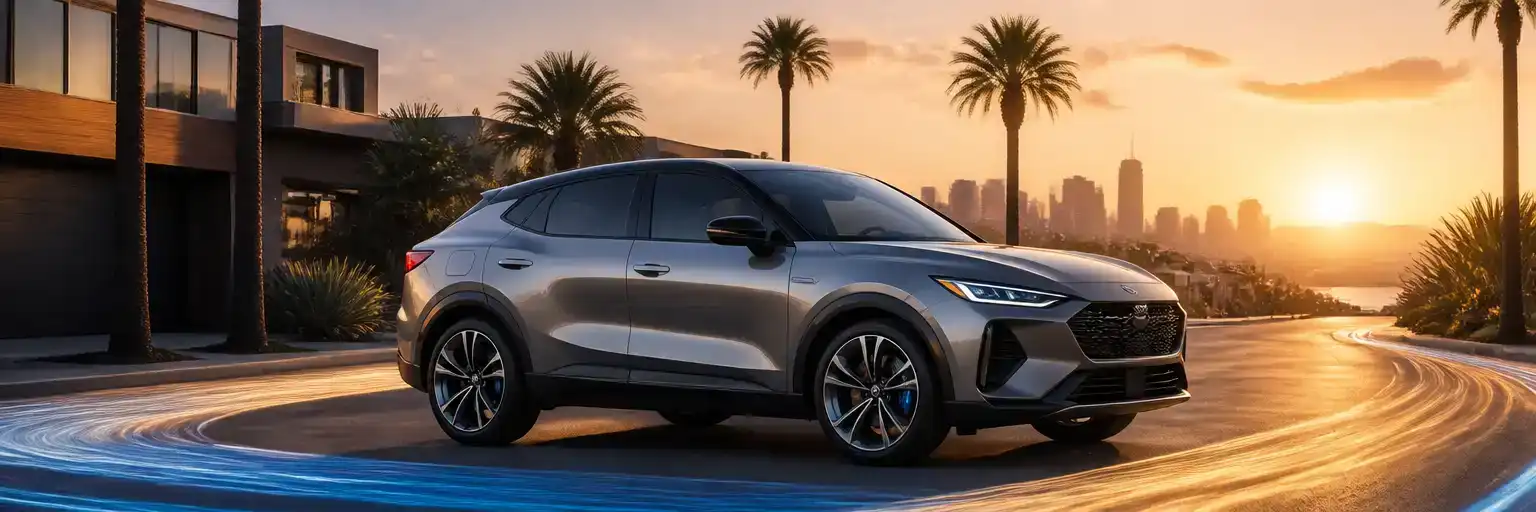
Fiat Koala: sharing the 2CV's platform is smart, but only a low price saves it
The Koala and the Citroën 2CV share Stellantis' E-car platform, which makes sense. Without a truly low price, though, the Italian twin is just another badge on the same car.
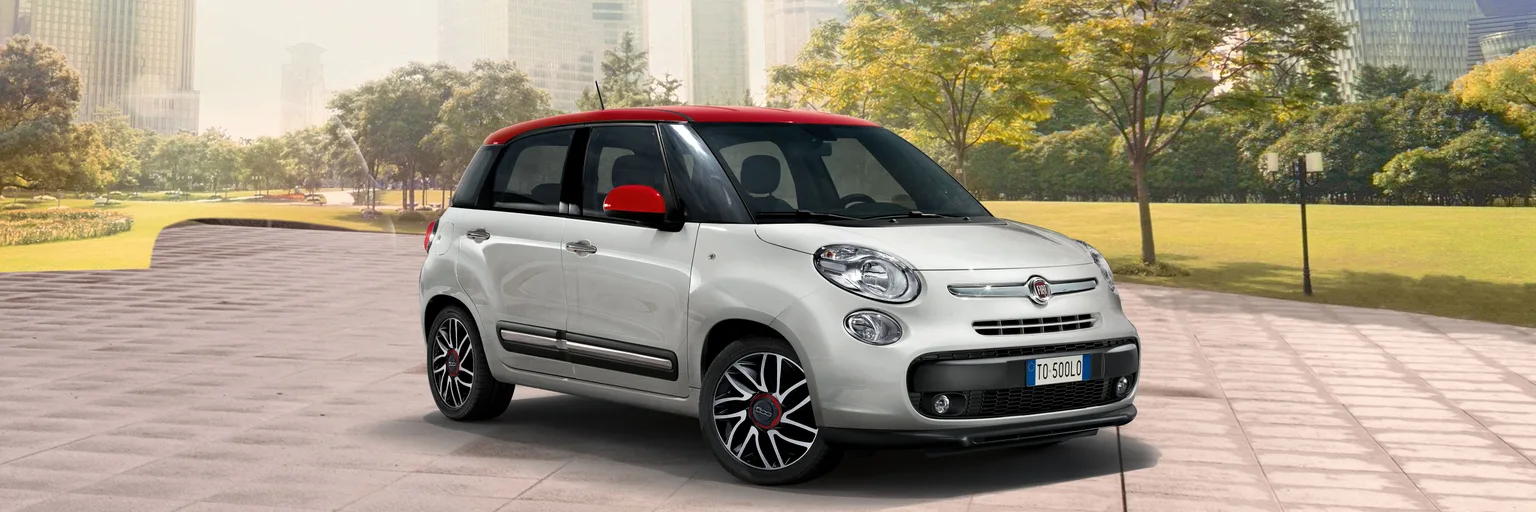
Tesla's flying Roadster is a brilliant stunt and a poor car promise
The jump over a Tesla Semi was great theater, but hours of refilling for seconds of thrust and a missing spec sheet make the 2028 Roadster a marketing play.