Europe's EV Crossroads: Luxury Niche or Mass-Market Imperative?
Europe's automotive industry faces a pivotal strategic choice: prioritize high-margin luxury electric vehicles or aggressively pursue affordable, high-volume models to compete against global rivals.
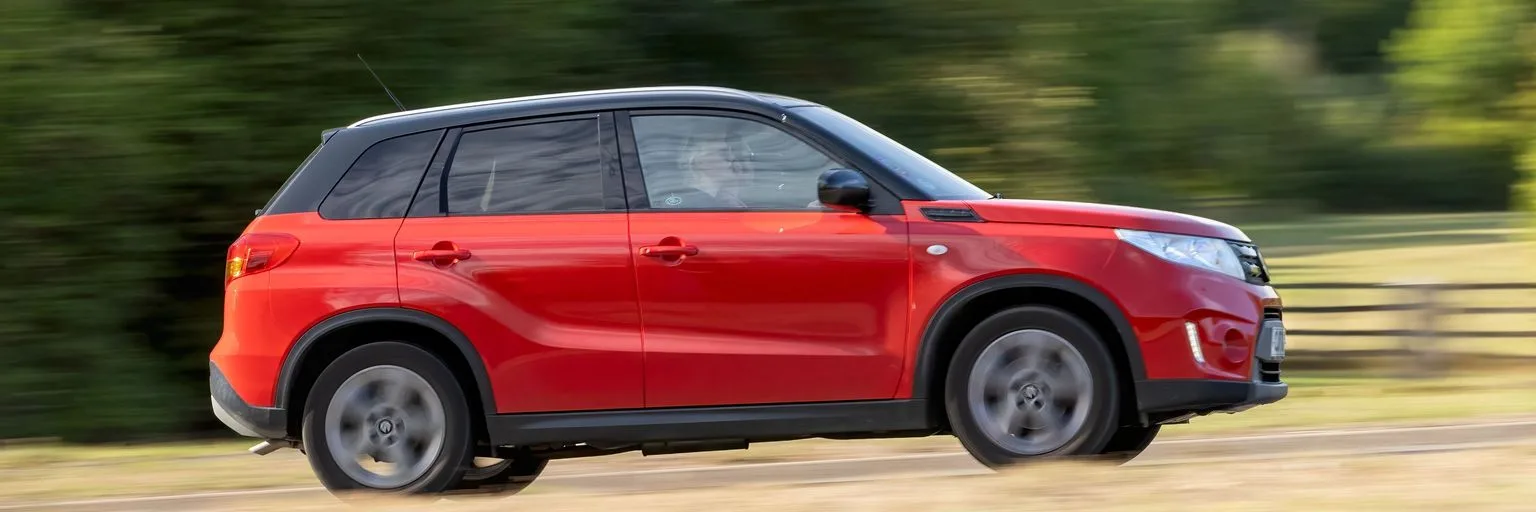
AI-generated image
Is the future of European automotive defined by exclusivity and premium pricing, or by accessibility and mass adoption? This fundamental question looms large over an industry grappling with unprecedented transformation. As the European Union mandates 100% zero-emission mobility for all new vehicles by 2035, the continent's storied automakers find themselves at a crossroads, facing a strategic dilemma that could reshape their very identity: should they focus on high-margin luxury electric vehicles (EVs) or attempt to recapture the high-volume, affordable segment increasingly dominated by international rivals?
Since 2017, European automakers have seen a significant erosion of their market presence, losing over 13 percentage points in EV sales volumes, according to S&P Global data referenced by McKinsey. This decline is set against a backdrop of complex challenges: the imperative to decarbonize, intense global competition, and the need to maintain economic security in a sector that directly employs 1.4 million people across the EU and supports an additional 13 million jobs indirectly, as the Institut Delors highlights.
The Allure of the High-End Horizon
For many established European marques, a focus on the luxury EV market appears to be a natural fit, leveraging decades of brand prestige, engineering excellence, and design prowess. The allure is clear: higher profit margins per vehicle. This strategy aligns with the expected growth in the luxury car segment, which Market Data Forecast predicts will achieve a 6.61% compound annual growth rate (CAGR) from 2026 to 2034, reaching a value of USD 547.84 billion by 2034. By concentrating on premium models, European manufacturers could potentially sidestep direct price wars with Asian competitors who excel in cost-effective mass production.
However, this approach carries inherent risks. A niche focus, no matter how profitable, inherently limits overall market share and could marginalize European brands in the broader transition to electric mobility. While it might safeguard some employment by preserving high-skill manufacturing, it could leave a significant portion of the automotive workforce vulnerable to shifts away from traditional combustion engine components.
The Imperative for Volume and Affordability
Conversely, the argument for pursuing high-volume, affordable EVs is compelling, driven by the sheer scale of the shift to electric and the need to counter fierce competition. The current landscape is challenging: EVs remain significantly more expensive than comparable internal combustion engine vehicles, with battery electric vehicle (BEV) prices around €45,000, limiting widespread adoption, as reported by the Centre for European Policy Studies (CEPS). This high cost, coupled with inadequate charging infrastructure and elevated electricity prices, creates substantial barriers for consumers.
The real threat here comes from China, which dominates global EV and battery production, benefiting from strategic subsidies and immense economies of scale. European manufacturers face substantially higher production costs for labor and energy, making it difficult to compete on price in the mass market. If Europe cedes the affordable EV segment entirely, it risks becoming a mere footnote in the global EV race, losing significant market share to foreign brands that can deliver accessible electric mobility to a wider audience. The strategic implications extend beyond direct competition, too, with the US Inflation Reduction Act also diverting investments away from Europe, adding to the pressure, according to the Institut Delors.
Navigating the Trilemma: A Fragmented Path?
The underlying problem is what the Institut Delors describes as a trilemma of competing objectives: decarbonization, competitiveness, and economic security. Successfully navigating this transition, in our view, requires a unified yet adaptable European strategy that balances short-term priorities with long-term investments, coordinating action between public and private sectors. The current situation, however, appears to be clouded by
No topics yet: start the first one.
More stories
Brent at $106: The Painful Catalyst Accelerating Europe's EV Future
The significant surge in Brent oil prices is hitting European drivers hard, but this financial strain may paradoxically hasten the continent's transition to electric vehicles as conventional fuel becomes prohibitively expensive.

Stellantis' FaSTLAne 2030: A Realistic Power Play for European Dominance
Stellantis’ ambitious plan for over 50 new models and a 25% market coverage expansion in Europe by 2030 signals a strategic pivot towards volume and powertrain diversity, aiming to secure its future in a dynamic automotive landscape.

Germany's Auto Industry: A Reckoning Beyond Electrification
The projected loss of nearly 200,000 jobs in the German automotive sector isn't merely an EV transition, but a multi-faceted structural upheaval demanding radical reinvention.
Suzuki's 2026 strategy: A pragmatic revolution for the real world
While many automakers chase an all-electric future, Suzuki charts a nuanced course with smart hybrids, efficient turbos, and lean EVs, focusing on adaptability and cost-effectiveness for diverse global markets.