Drivesfera Newsroom
Honda's "catastrophic" warning shows who really pays for border tariffs
A 50% tariff on Canadian autos looks like a bargaining chip, but the US-Canada assembly line means the bill lands on American buyers first.
A 50% tariff on Canadian autos looks like a bargaining chip, but the US-Canada assembly line means the bill lands on American buyers first.
Jim Farley wants 5 million sales a year by 2032 and fewer dull products. Styling alone won't get Ford there: reliability and sticker prices will decide whether the plan works.
Toyota will assemble Waymo-ready bZ4X robotaxis on its own line. It's a pragmatic deal, but it hands the most valuable layer of the car to someone else.
Pausing development of the electric Golf to save money isn't a pivot. It's a carmaker freezing its most hoped-for affordable EV to fix the books, and buyers should take note.
A 25% smaller EV loss suggests Ford's electric bet is fixable, but its truck and combustion profits are still paying for a transition with no cheap hit yet.
Reported plans for 12,000 more job cuts and a fight over a publicly funded transfer company show Volkswagen needs cars people want and a cost plan it can defend, not a bailout.
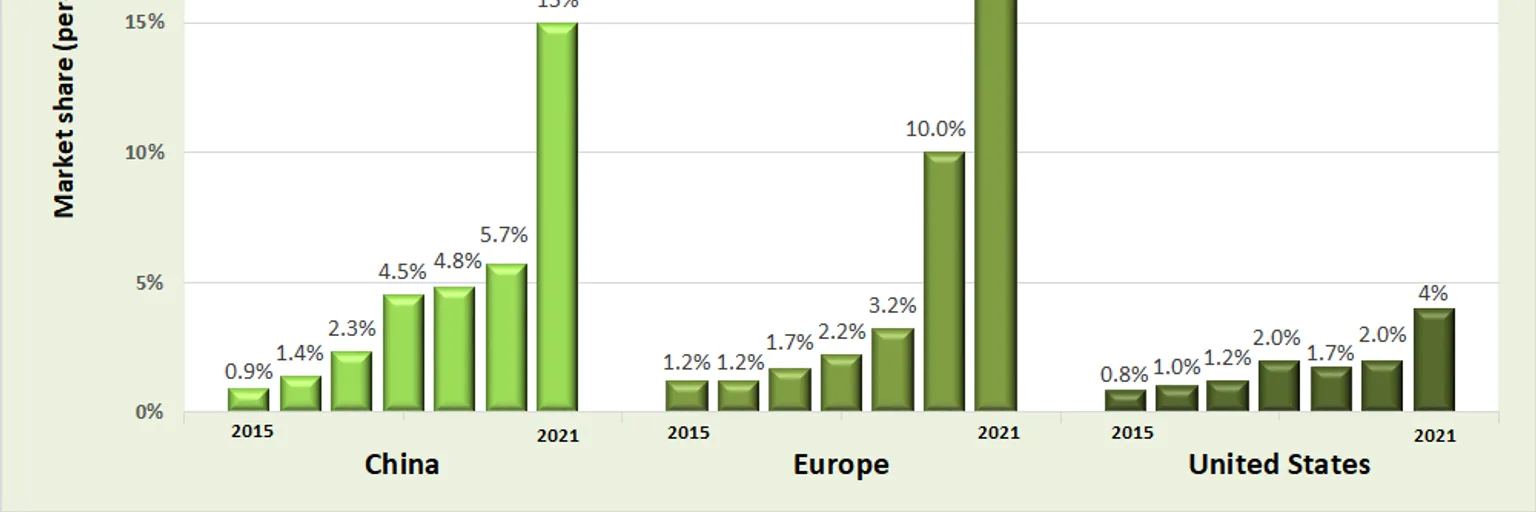
The headline says EVs have won China. The data says gasoline is collapsing faster than EVs are growing, and the West should read that difference carefully.
A share plunge near 30%, 2,500 more job cuts and a CEO saying global cars developed in Europe and China won't work: Volvo is the canary, not the exception.
Volkswagen's electric sales are growing in Europe, but China and the US are sinking the group. One recovering market can't be a global plan.
Ford’s seven-model European offensive is less a numbers game than a wager on vans, SUVs and hard-working pickups—but price and production will decide it.
Antonio Filosa has acknowledged the PureTech damage, but Stellantis will regain credibility only when compensation rules and repairs become easy to verify.
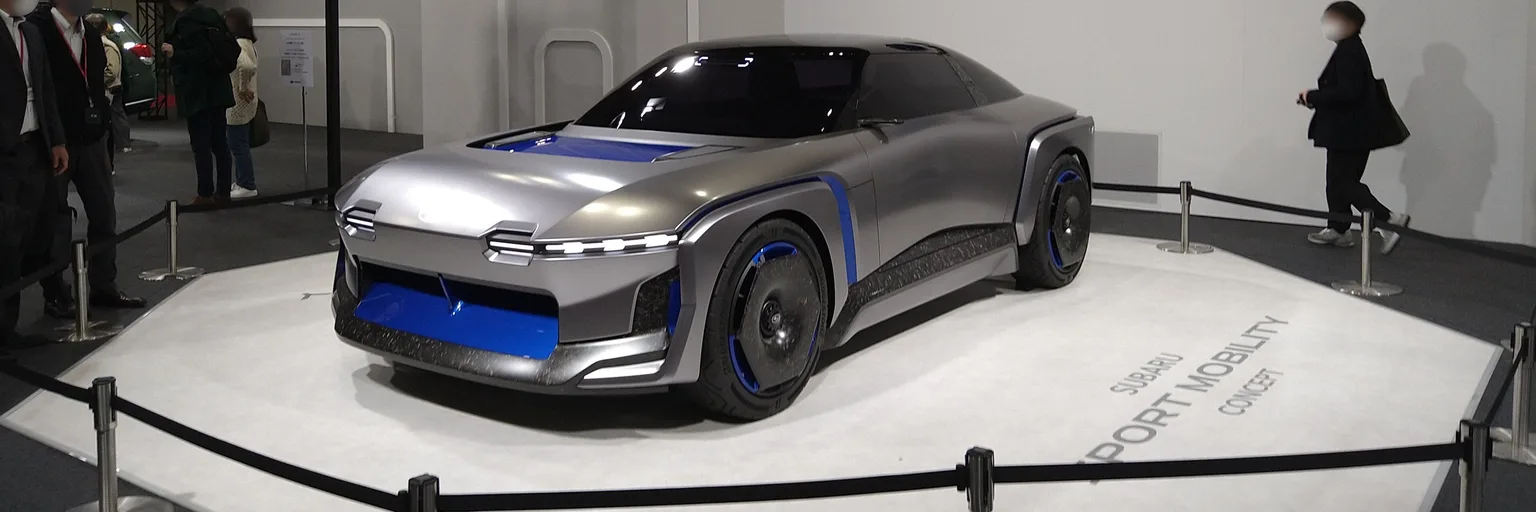
Subaru’s electric prototype matters less for its power than for the faster development model behind it—and the independence it seeks from Toyota.
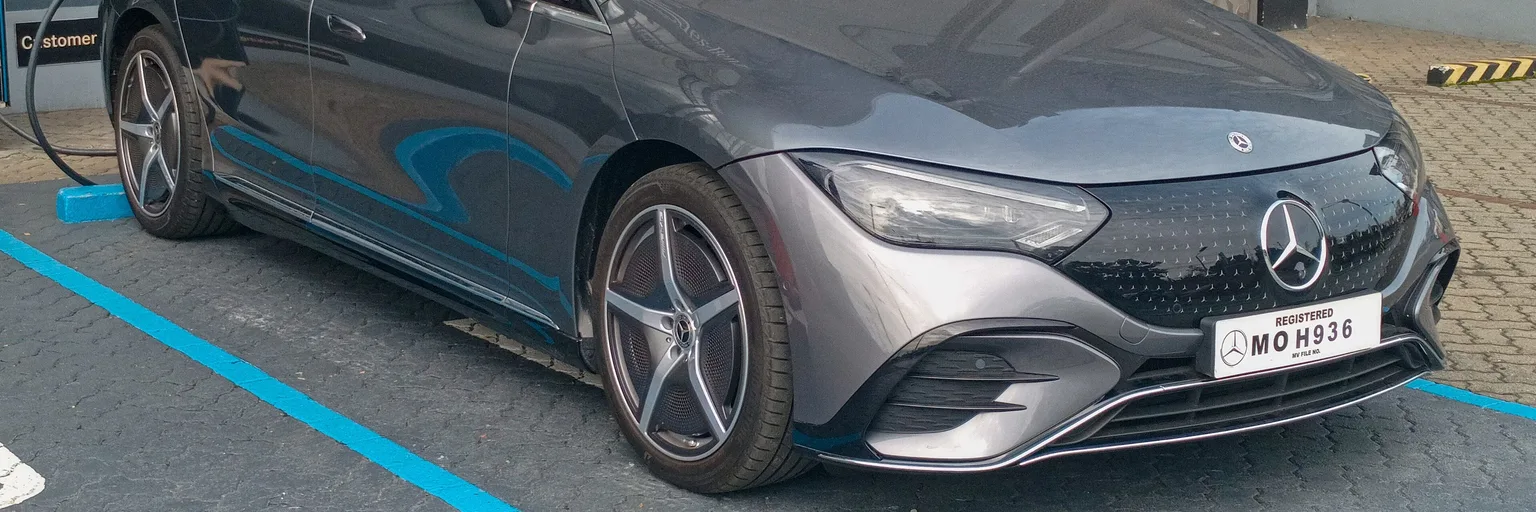
Mercedes-Benz's six-month order backlog for electric vehicles confirms robust consumer appetite in the premium segment, yet it exposes the industry's ongoing challenge to scale component supply and manufacturing to meet rising demand.
With the new generation Hyundai Tucson soon to debut, the 2027 Kia Sportage faces a crucial test: define its own identity in a competitive SUV segment or risk blending in.
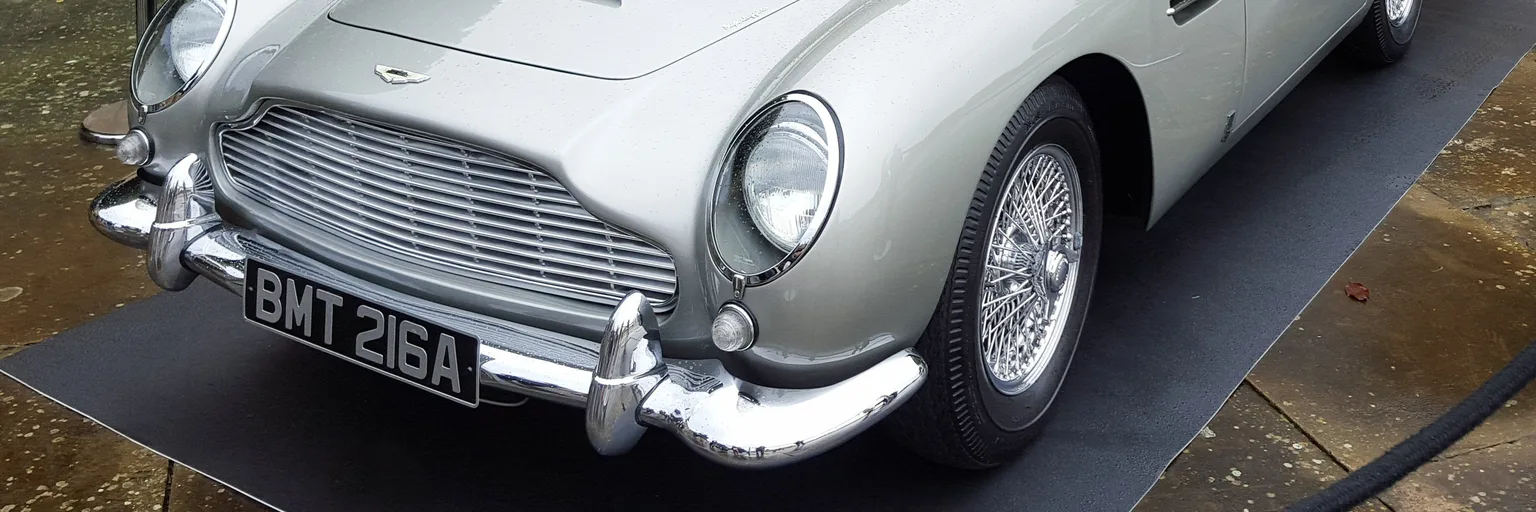
The Aston Martin DB5 from 'Goldfinger' remains an unparalleled icon, proving that cinematic legacy and classic design can overshadow the latest innovations in defining automotive desire.
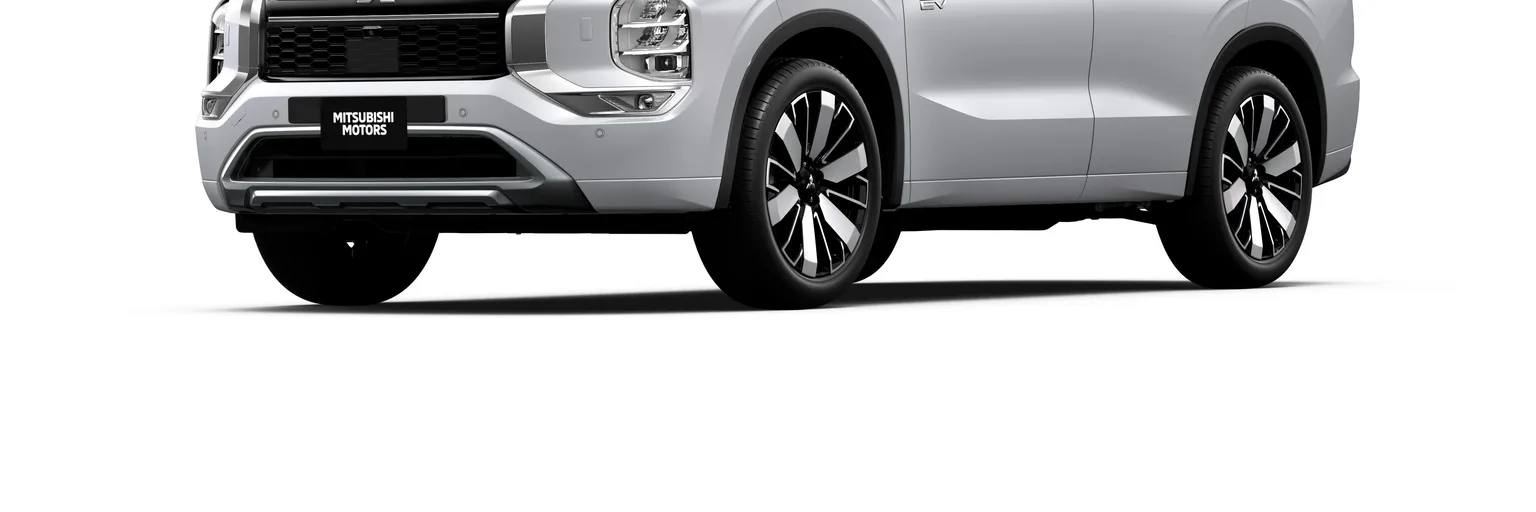
The 2026 Mitsubishi Outlander, with its electrification and refined interior, faces an undeniable challenge to carve out significant market share against entrenched competitors without a truly disruptive value proposition.
President Trump's move to waive Russian diesel sanctions, ostensibly to calm fuel prices and foster peace, appears to be a politically charged maneuver with minimal economic impact but significant geopolitical repercussions.
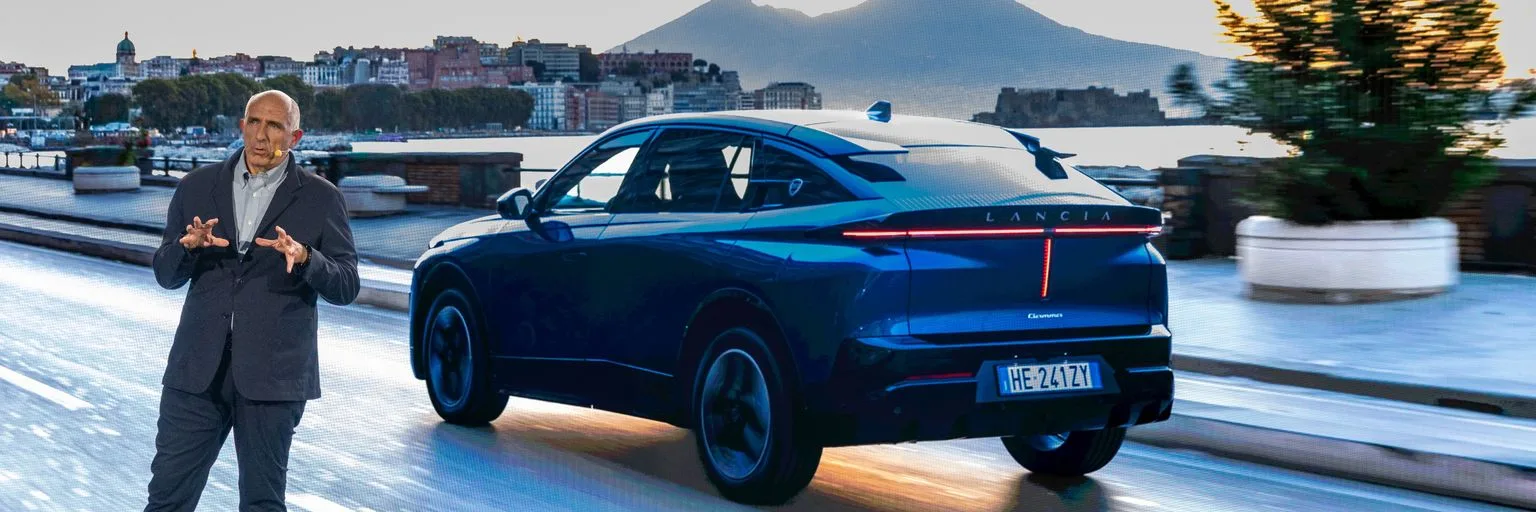
The Lancia Gamma LX Electric is a pivotal moment for the struggling Italian marque, but its success hinges on whether it can carve a distinctive niche in the crowded EV SUV market, harmonizing its rich heritage with modern performance and luxury.
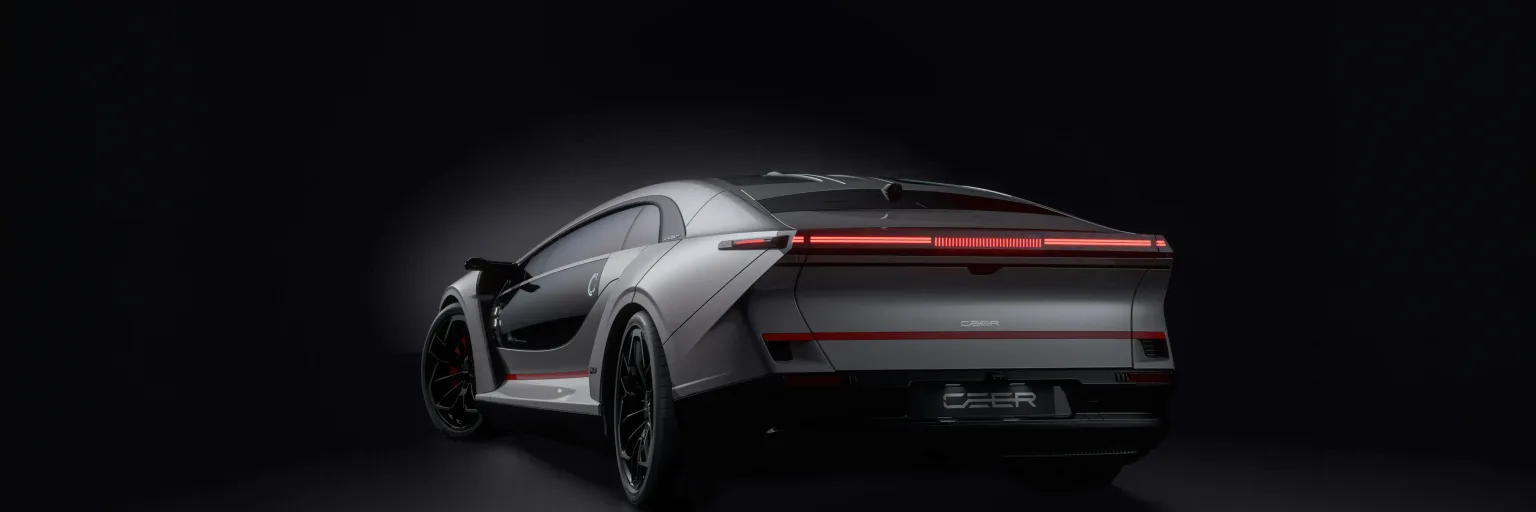
Saudi Arabia’s new luxury EV brand, Ceer, makes a bold statement with its high-performance Exobot models, yet its ambition to redefine automotive manufacturing faces steep challenges in brand perception and scaling production.
The African Union's bold strategy for electric mobility promises a transformative era for sustainable development and industrial growth, challenging traditional automotive paradigms and opening new global partnership avenues.
Despite its intriguing potential for decarbonization and extending vehicle lifespan, the significant cost and range limitations of retrofitted vehicles, alongside France's complex regulatory hurdles, mean this electrification path will remain a niche solution rather than a mass-market accelerator.
Volvo's ambitious push for plug-in hybrids offering up to 100 miles of electric range fundamentally redefines their utility, making them a compelling, practical choice for a broader spectrum of drivers.
Mercedes-AMG's unwavering commitment to a dedicated electric high-performance SUV signals a profound shift in the premium automotive landscape, redefining what 'performance' means for the EV era.
While electric vehicles are increasingly moving from secondary to primary family cars, overlooked expenses like accelerated tire wear and higher insurance premiums are shaping the true cost of ownership.
Unveiling dual concepts at Goodwood, MG strategically blends heritage with future tech, signaling a bold, multi-faceted approach to redefine its place in the fiercely competitive electric vehicle market.
The official agreement between Paris and Berlin to relax the 2035 combustion engine ban, coupled with 'Made in Europe' mandates, signals a strategic recalibration of Europe's automotive transition.
Toyota's new multi-power platform, featuring flatter engines and thinner batteries, signals a strategic commitment to diverse powertrains, not just pure EVs, offering flexibility in a fluctuating global market.
While Europe's EV sales surged and China recovered year-to-date through July 2026, North America experienced a notable decline, highlighting disparate market strategies and adoption rates globally.
DeepDrive's landmark production contract for its innovative dual-rotor electric motors could be a pivotal moment, signaling a resurgence for European innovation in the global EV components market.
Honda's commitment to 15 new hybrid models by 2030, including a potential V6, signals a pragmatic rebalancing act, prioritizing market realities and broader appeal over an all-in EV gamble.
The Liux Big, unveiled at the Paris Motor Show, proposes a revolutionary flax fiber body, promising significant CO2 savings and a lighter footprint for urban electric vehicles.
By opening its vehicle platforms, software, and chips, XPENG challenges traditional EV development, aiming to accelerate innovation and intensify competition across the global automotive landscape.
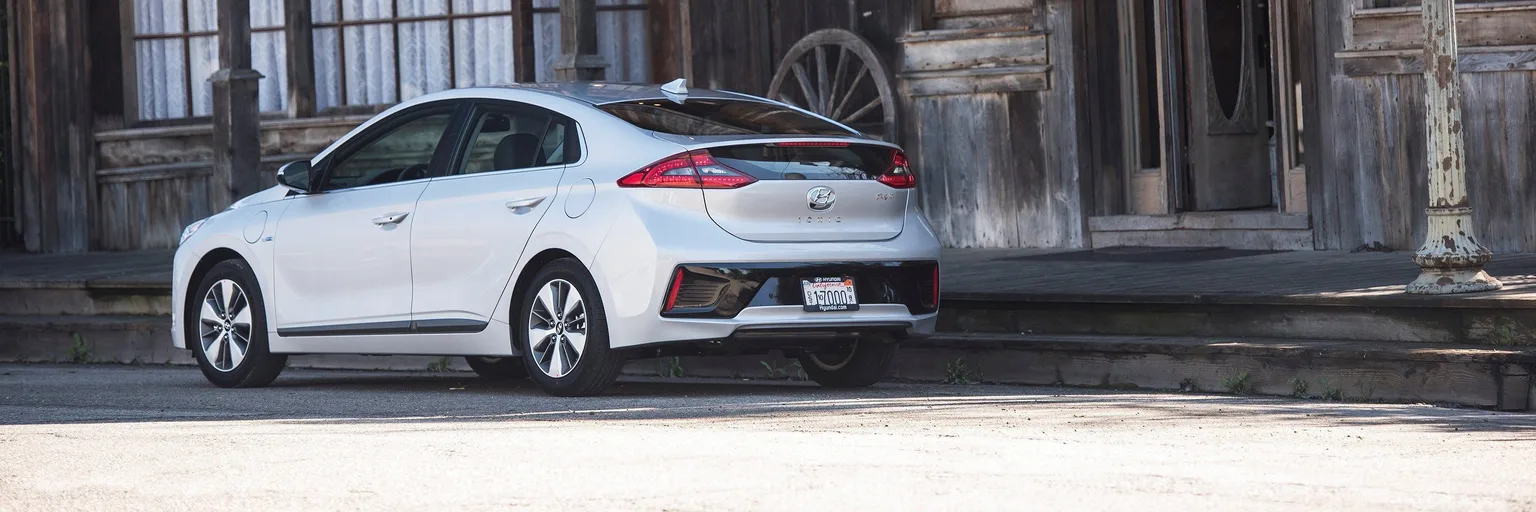
Through the new European-designed Ioniq 3 and the refined Tucson N Line, Hyundai is strategically deploying distinctive aesthetics and a broad range of powertrains to strengthen its position in Europe.
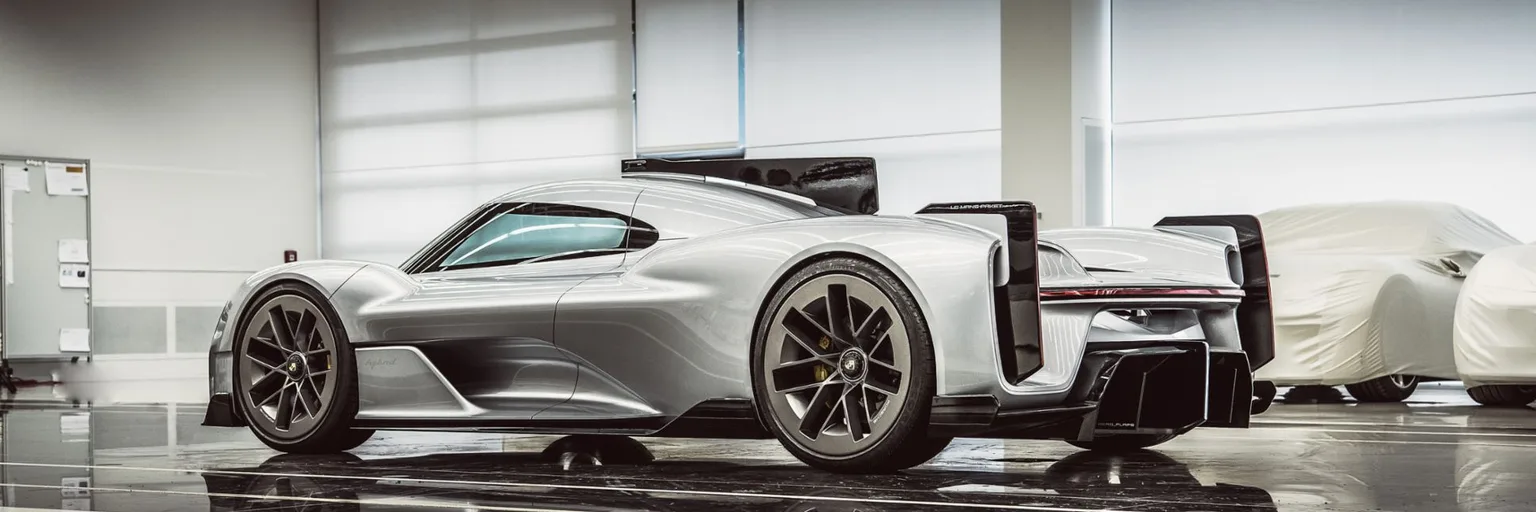
The Mission S concept signals Porsche's strategic pivot, reaffirming its commitment to high-performance internal combustion and heritage, even as it embraces an electric future for other models.
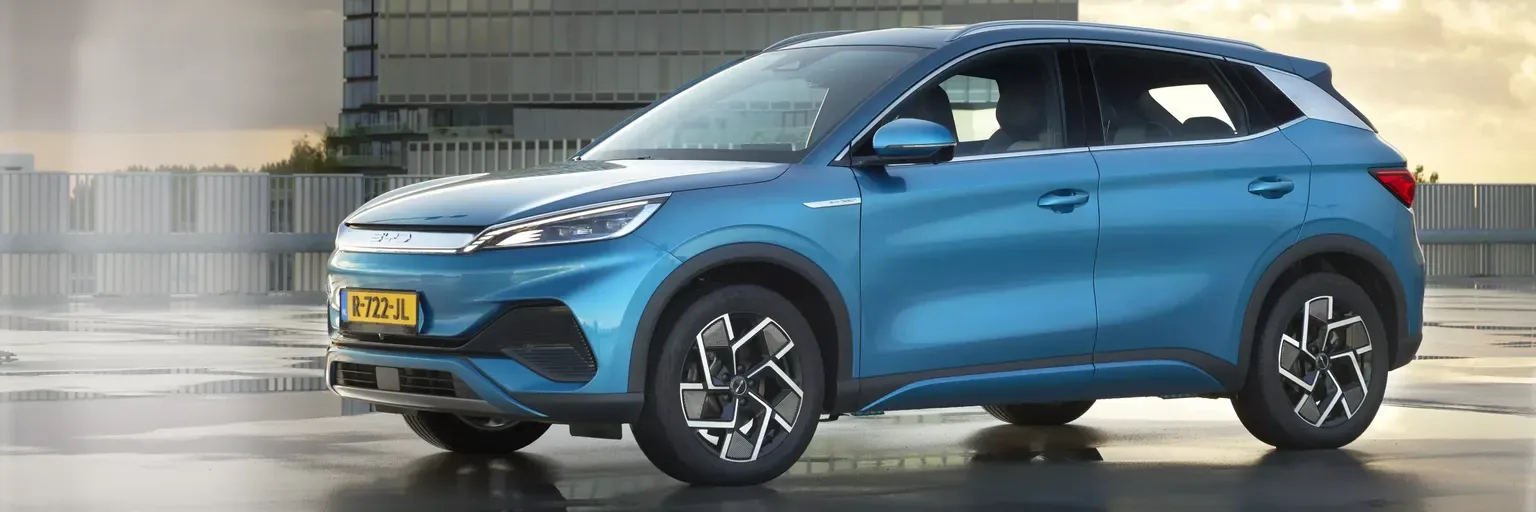
BYD's exploration of a new electric vehicle factory in France signals a profound shift in the European auto landscape, promising jobs and accelerated EV adoption, but also intensifying competition for legacy automakers.
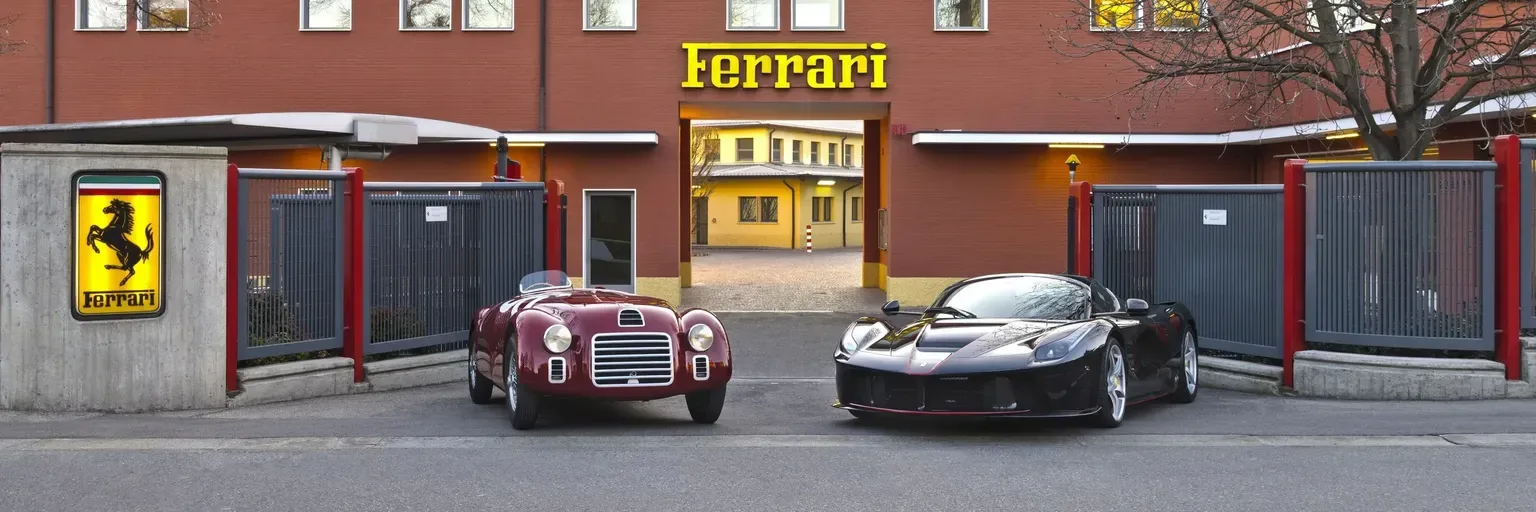
The fatal crash of a Ferrari in Los Angeles serves as a stark reminder of the inherent dangers of supercars, urging a re-evaluation of driver responsibility and road safety in the pursuit of extreme performance.
The dramatic destruction of a dental clinic by a recently fired dentist using his Porsche highlights the volatile emotional responses job termination can ignite, turning a luxury vehicle into an instrument of extreme vengeance.
Schaeffler's recent 240 million euro write-down on its Chinese EV business serves as a stark financial warning, underscoring the intense competition and evolving landscape European automotive suppliers face in the world's largest electric vehicle market.
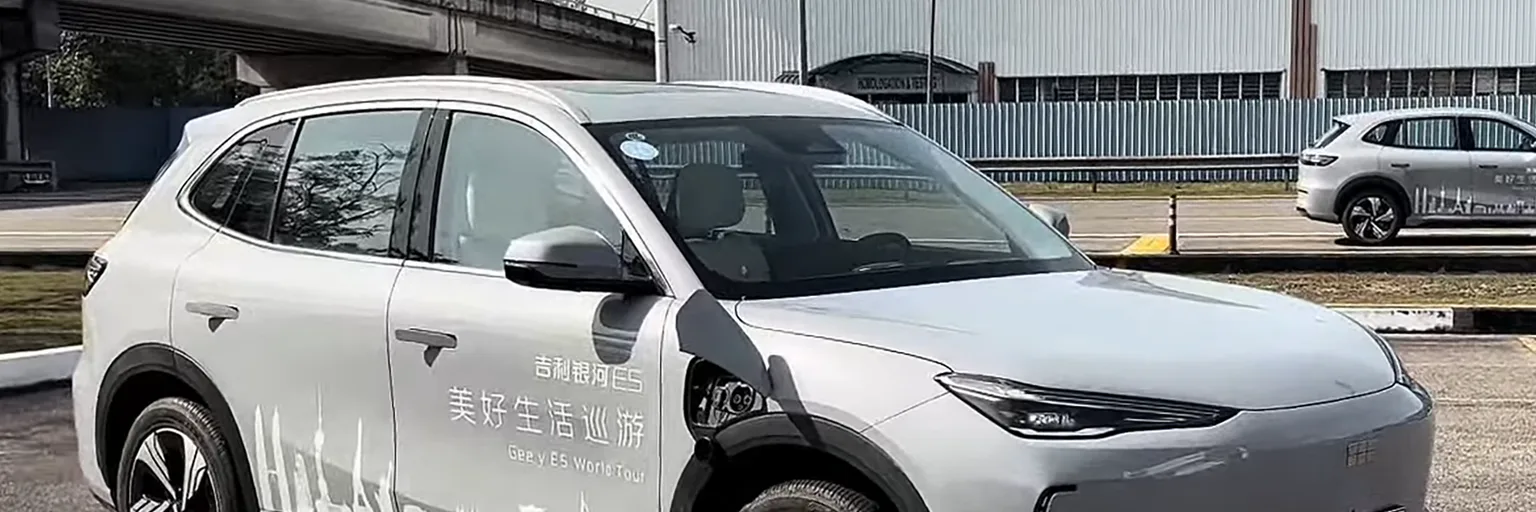
Geely's E5 electric SUV arrives in Italy with a competitive price and impressive range, challenging established automakers and signaling a new era for affordable, feature-rich EVs.
China's new mandatory EV efficiency standards and consolidation efforts signal a decisive pivot from mass production to refined quality, poised to reshape its global automotive reputation and competitive edge.