Franco-German Auto Deal: A Pragmatic Pause, Not a Full Stop, for ICE
The official agreement between Paris and Berlin to relax the 2035 combustion engine ban, coupled with 'Made in Europe' mandates, signals a strategic recalibration of Europe's automotive transition.
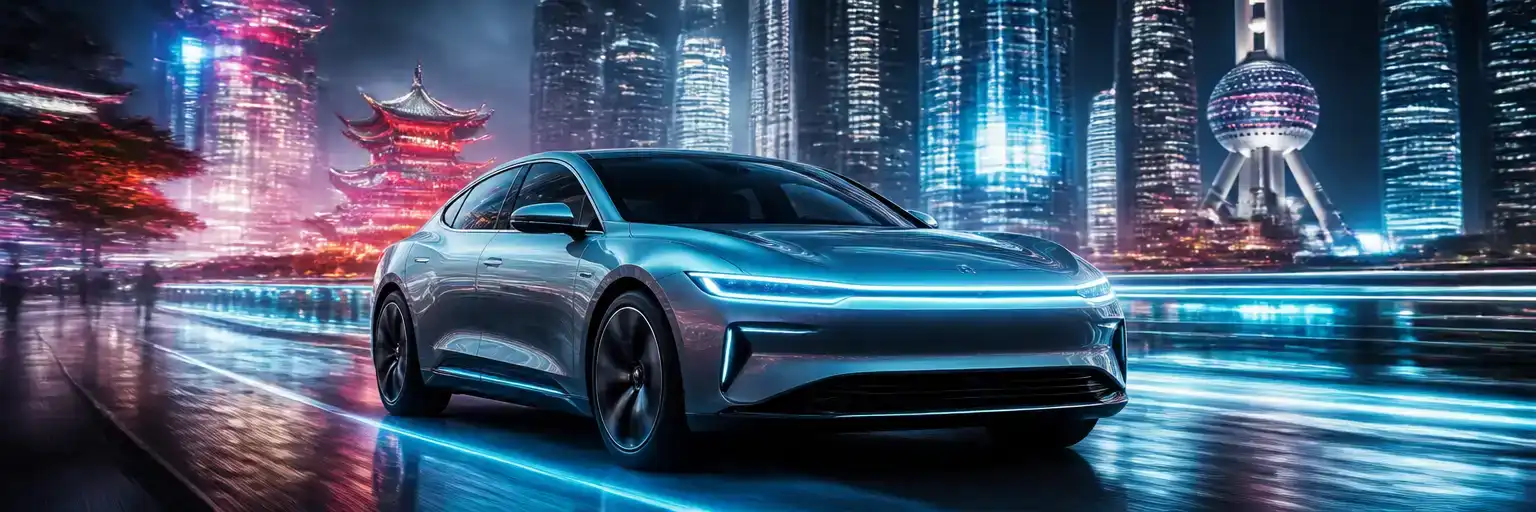
AI-generated image
Has Europe truly committed to its all-electric future, or is the recent Franco-German accord a stark acknowledgment of current market realities? What began as a firm commitment to end combustion engine (ICE) sales by 2035 now appears to be a strategic, if not surprising, pivot, potentially redefining the pace of the continent's automotive transition.
Paris and Berlin officially confirmed their agreement on October 16, 2026, marking a significant shift from the previously strict European Union phase-out plans. This compromise, reported by outlets like Boursorama, will relax the outright ban on new combustion engine vehicles after 2035. Crucially, this comes alongside a reinforced push for European manufacturing, a move designed to protect the continent's vital automotive sector.
The Pragmatic Retreat: Softening the 2035 Deadline
The most immediate impact of this agreement is the tangible loosening of the 2035 target. Initially, the goal was a 100% reduction in CO2 emissions for new vehicles by that date. This was later softened to a 90% reduction, with the remaining 10% potentially offset by technologies like green steel or synthetic fuels. However, this new Franco-German pact goes further, as reported by Euronews just hours ago: carmakers will now be required to cut CO2 emissions by 90% by 2035, without having to offset the remaining 10%. This effectively means a portion of ICE and hybrid vehicles can continue to be sold beyond the original deadline, a significant departure from previous ambitions.
This shift by France, which had previously held a firm stance against altering the 2035 deadline, is particularly noteworthy. As Automobile-Magazine explains, Paris had argued that constantly changing rules would destabilize French manufacturers like Renault and Stellantis, who had already invested billions into an all-electric transition. However, facing a persistent slowdown in 100% electric vehicle sales and intense lobbying from Germany, which feared its luxury brands would lose significant market share, France appears to have accepted that industrial reality has to take precedence over the most ambitious timelines.
Protectionism as a Counterbalance: The 'Made in Europe' Imperative
The concessions on combustion engines were not unilateral.
No topics yet: start the first one.
More stories
Ferrari's Next Chapter: Why Its Driver Academy is F1's Smartest Investment
With fresh faces joining its Driver Academy and a renewed commitment to talents like Dino Beganovic, Ferrari is doubling down on developing future F1 champions, signaling a strategic shift for long-term success.

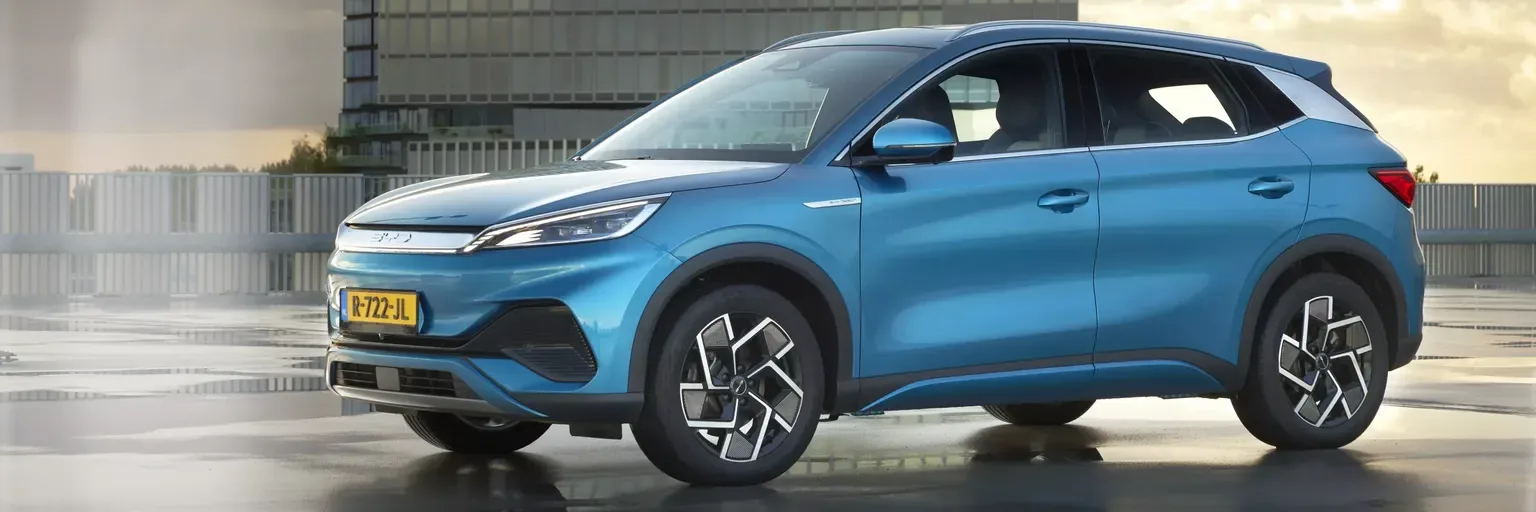
BYD's French Ambition: A Strategic Challenge for Europe's EV Future
BYD's exploration of a new electric vehicle factory in France signals a profound shift in the European auto landscape, promising jobs and accelerated EV adoption, but also intensifying competition for legacy automakers.
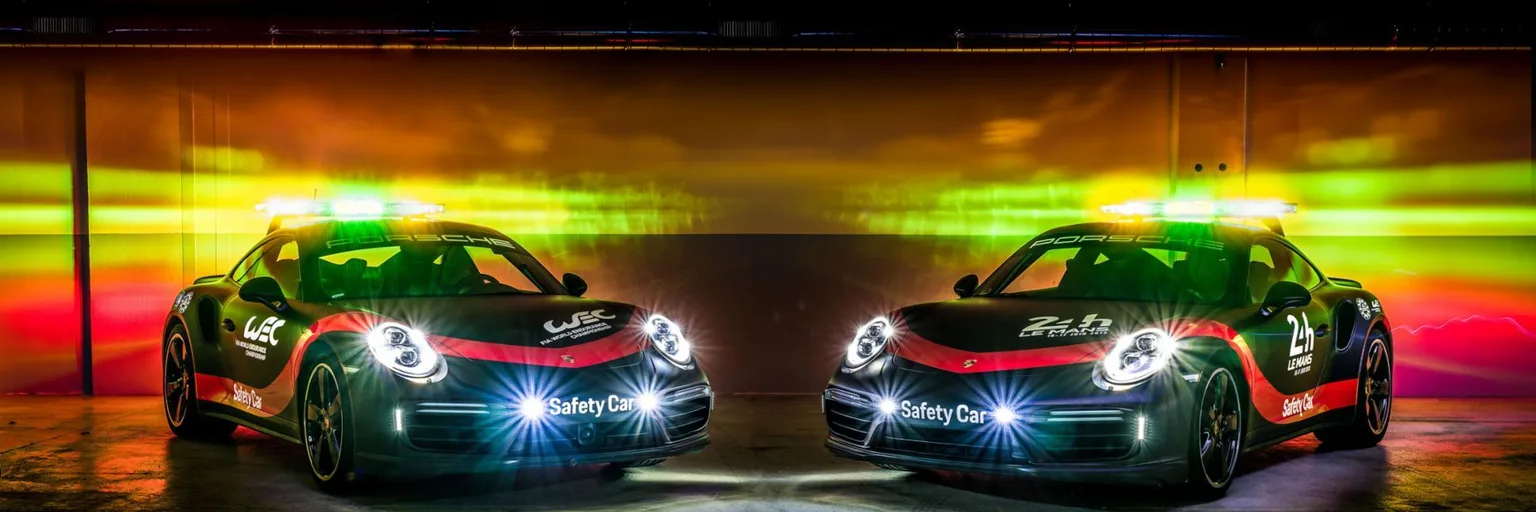
A Porsche as a Weapon: The Extreme Fallout of Workplace Rage
The dramatic destruction of a dental clinic by a recently fired dentist using his Porsche highlights the volatile emotional responses job termination can ignite, turning a luxury vehicle into an instrument of extreme vengeance.
Schaeffler's China EV Write-Down: A Warning Shot for European Suppliers
Schaeffler's recent 240 million euro write-down on its Chinese EV business serves as a stark financial warning, underscoring the intense competition and evolving landscape European automotive suppliers face in the world's largest electric vehicle market.