Volkswagen's EV Divide: Can a Premium GTI Coexist with Budget China Models?
Volkswagen's simultaneous launch of the high-priced ID. Polo GTI and its Xpeng-powered affordable SUV for China reveals a complex balancing act between heritage, market demands, and global electrification challenges.
Photo: Volkswagen / sala de prensa (uso editorial)
Is Volkswagen pursuing two entirely different electric futures simultaneously? The automotive giant, a long-time leader in global sales, currently finds itself in a fascinating and arguably contradictory position as it pushes deeper into the electric vehicle (EV) market. On one hand, the company is leveraging its iconic heritage with the introduction of the ID. Polo GTI, a performance-oriented electric hot hatch with a premium price tag. On the other, it's embarking on a pragmatic partnership in China with Xpeng, aiming to produce a surprisingly affordable mid-size SUV to reclaim market share.
Pre-sales for the new ID. Polo GTI opened on October 7, with a starting price in Germany of €39,995, slightly higher than initial indications, as reported by InsideEVs. This all-electric performance model boasts 223 horsepower, 290 Nm of instant torque, a 0-100 km/h sprint in 6.8 seconds, and a top speed of 190 km/h. Its WLTP range is up to 431 kilometers (approximately 268 miles). Meanwhile, Volkswagen's joint venture with Xpeng in China has launched pre-sales for the ID. Aura T6, a mid-size SUV with an astounding 660 km range, starting at just 135,900 yuan (around $20,040), according to CNEVPost. These two vehicles couldn't be more different in their market approach, raising questions about Volkswagen's overarching EV strategy.
The Premium Play: Banking on Heritage in Europe
The ID. Polo GTI is clearly Volkswagen's attempt to translate decades of GTI heritage into the electric era. Building on 50 years of GTI history, Volkswagen aims to deliver its legendary driving pleasure with instant response and precise handling. The car's power is transferred to the front wheels via an electronically controlled limited-slip differential. Standard equipment includes adaptive DCC sports suspension and progressive variable-ratio steering, ensuring a focused driving character. Enthusiasts will appreciate the steering wheel-mounted GTI button, which adjusts the electric drive, steering, suspension, and even activates a specially developed GTI sound and cockpit graphics for maximum sportiness.
Externally, familiar GTI cues like the red stripe, honeycomb pattern, and distinctive badging are reinterpreted for the electric model, complemented by standard 19-inch wheels and IQ.LIGHT LED matrix headlights. Inside, red contrast stitching, a red 12 o'clock marking on the sports steering wheel, and sports seats with a reinterpreted traditional checkered pattern reinforce its sporty identity. Practicality also sees an upgrade, with luggage capacity increasing from 351 to 441 liters compared to its combustion-engine predecessor, and up to 1,240 liters with the rear seats folded. Optional features like massaging front seats, a panoramic roof, a 425-watt Harman Kardon audio system, and performance tires underscore its premium positioning. The option of a 'retro display' that mimics Golf I instruments, or displaying music as a cassette, adds a clever touch of nostalgia.
The Pragmatic Pivot: Affordability and Localisation in China
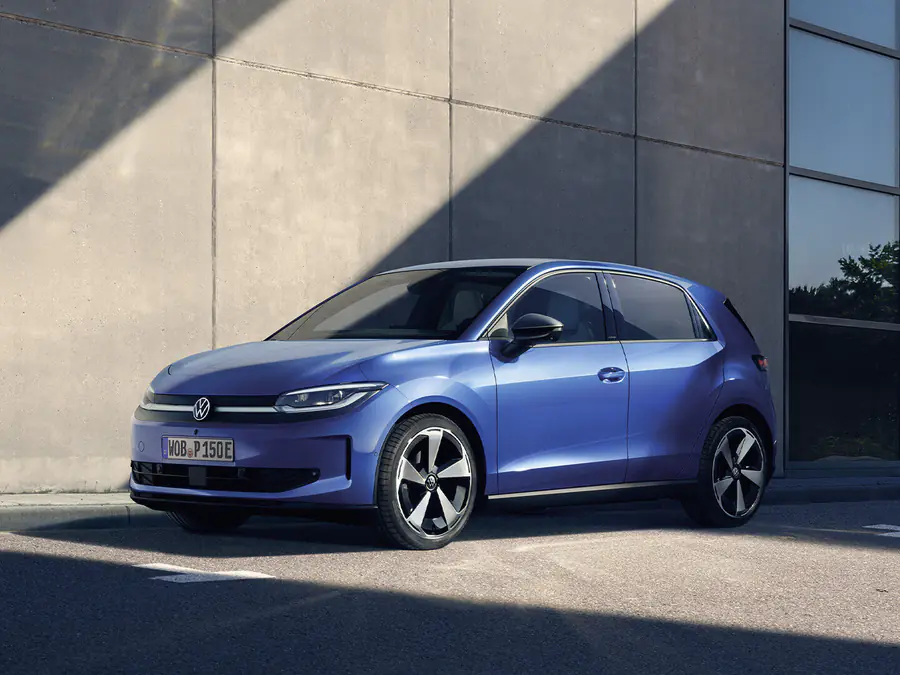
In stark contrast to the premium ID. Polo GTI, Volkswagen's strategy in China showcases a different priority: affordability and rapid market response. The ID. Aura T6, a mid-size crossover SUV, is a product of Volkswagen's joint venture with Chinese manufacturer Xpeng. This collaboration leverages Xpeng's technology, including its China Electronic Architecture (CEA), to accelerate development and reduce costs. The ID. Aura T6's pre-sales opened in late August with an impressive starting price of approximately $20,040, featuring a robust 660 km range.
Developed in just 24 months, the ID. Aura T6 is a China-exclusive model designed to meet the specific demands and price expectations of the local market. It signals Volkswagen's understanding that a one-size-fits-all global EV strategy might not be effective, especially in a market as competitive and advanced as China's. This partnership allows Volkswagen to offer a highly competitive product quickly, without sacrificing crucial features like range, at a price point that makes it accessible to a broader consumer base.
A Tale of Two Strategies: Navigating the Global EV Landscape
Volkswagen's dual approach with the ID. Polo GTI and the ID. Aura T6 highlights the complex landscape of global EV adoption. In Europe, the brand is betting on emotional appeal, performance, and a rich heritage to justify a premium price for a niche segment. The ID. Polo GTI is a statement that the 'GTI formula' can thrive in an electric future, offering engaging driving dynamics alongside modern EV practicality. Meanwhile, in China, the focus shifts to strategic alliances, rapid development, and aggressive pricing to secure market share in the fiercely competitive volume segment. The ID. Aura T6 represents a pragmatic concession to market realities, prioritizing local integration and cost-efficiency.
We believe this bifurcated strategy is a necessary, albeit challenging, path for Volkswagen. It demonstrates agility in adapting to diverse market demands and regulatory environments. While the ID. Polo GTI aims to excite the purists and command brand loyalty, the ID. Aura T6 is a vital move to remain relevant and competitive in the world's largest EV market. The true test will be whether Volkswagen can maintain its brand identity and quality perception across such disparate offerings, proving that heritage and pragmatism can indeed coexist in its electric future.
No topics yet: start the first one.
More stories
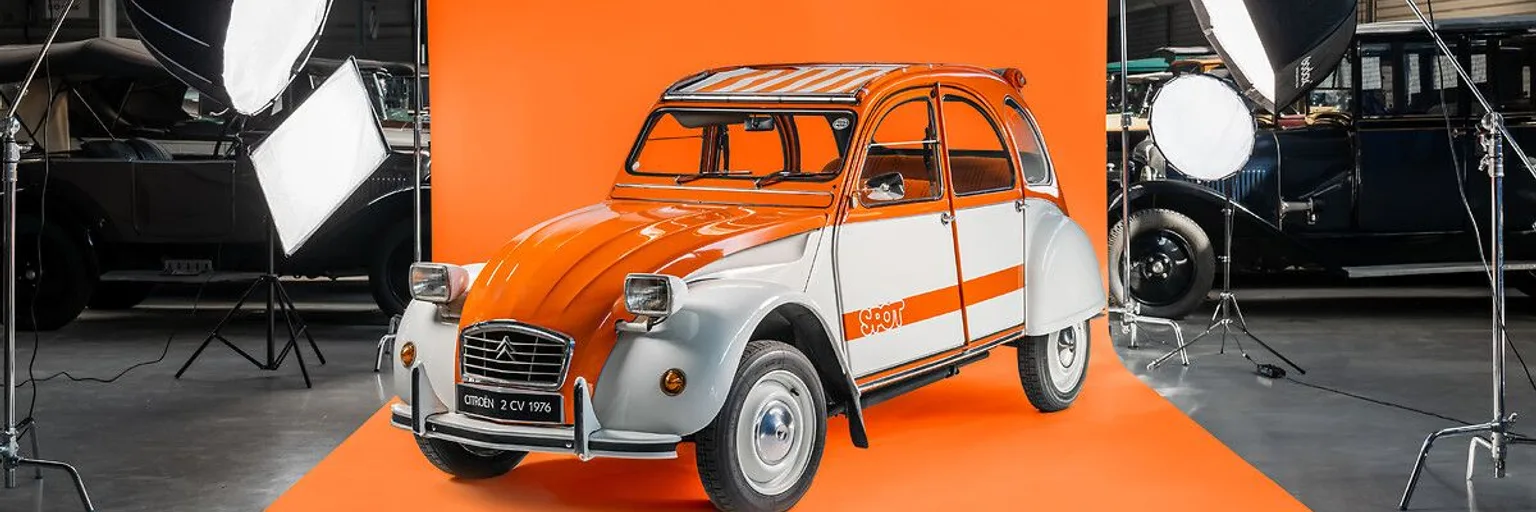
Citroën's Electric 2CV: A Smart Strategy, Not Just Nostalgia
By prioritizing the original's core philosophy of affordability and minimalism over mere retro aesthetics, Citroën's sub-€15,000 electric 2CV could redefine the entry-level EV market in Europe.
Geely in Canada: A Calculated Gambit to Reshape North American EVs
Geely's strategic entry into Canada in 2027, leveraging a new quota system, positions it as a vanguard for Chinese automakers, poised to redefine the affordable EV market across the continent.
EV Range: Why the Kia EV2 Delights While the DS N°7 Disappoints
The stark contrast between the Kia EV2's real-world range exceeding WLTP figures and the DS N°7's significant shortfall reveals a critical divide in EV consumer trust and adoption.

Kia EV3: Is America's 'Affordable EV' Dream Finally Here?
Kia's new EV3 is poised to make electric mobility accessible in the US, with a compelling price point and practical features that address previous budget EV shortcomings, signaling a potential shift in mainstream adoption.