Drivesfera Newsroom
The 2CV's €15,000 promise is a price tag first and a tribute second
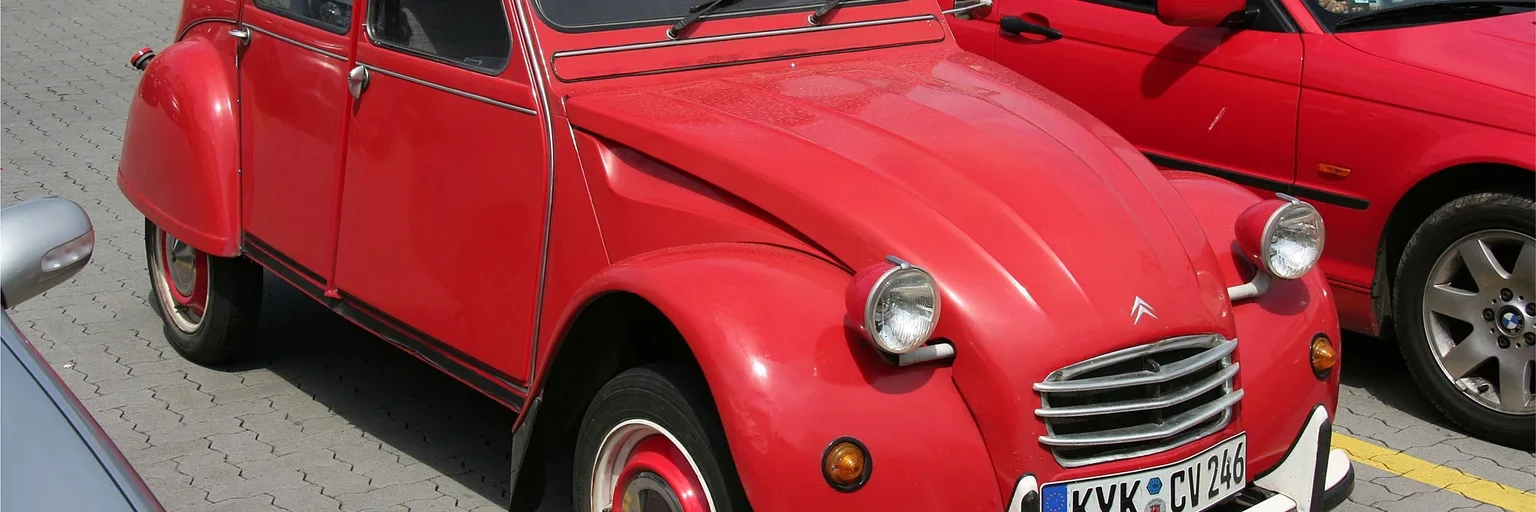
Citroën's electric 2CV can hit roughly €15,000 in 2028 only if reported Leapmotor tech and cost base do the heavy lifting while the French design keeps the soul.
Citroën's electric 2CV can hit roughly €15,000 in 2028 only if reported Leapmotor tech and cost base do the heavy lifting while the French design keeps the soul.
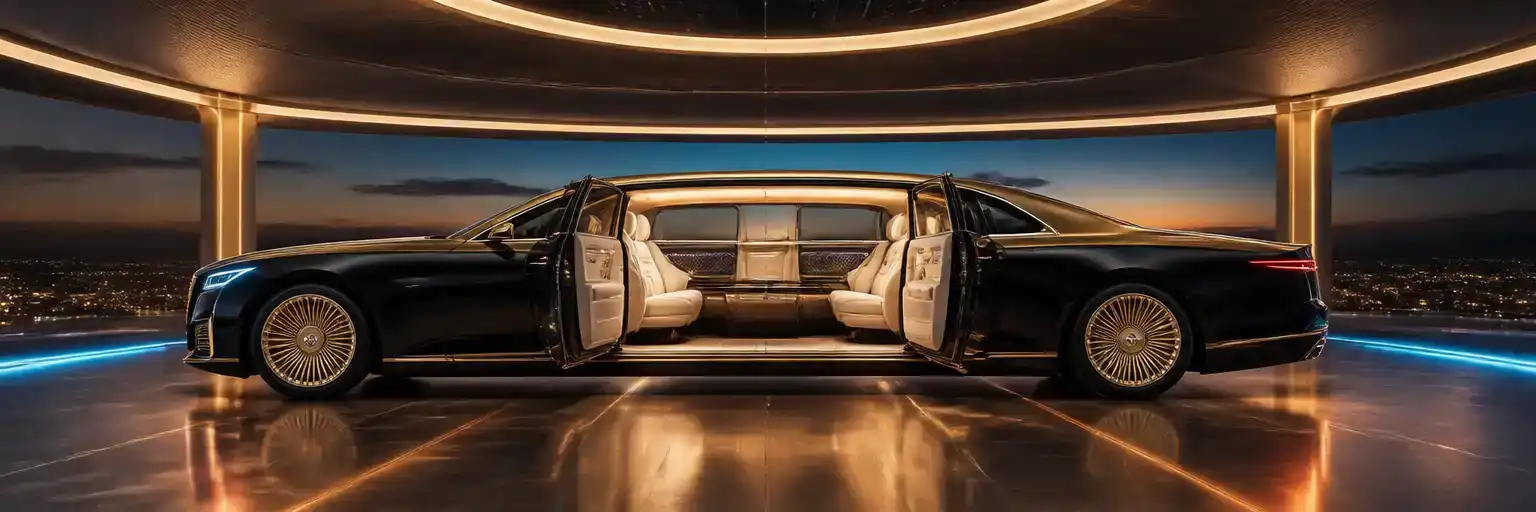
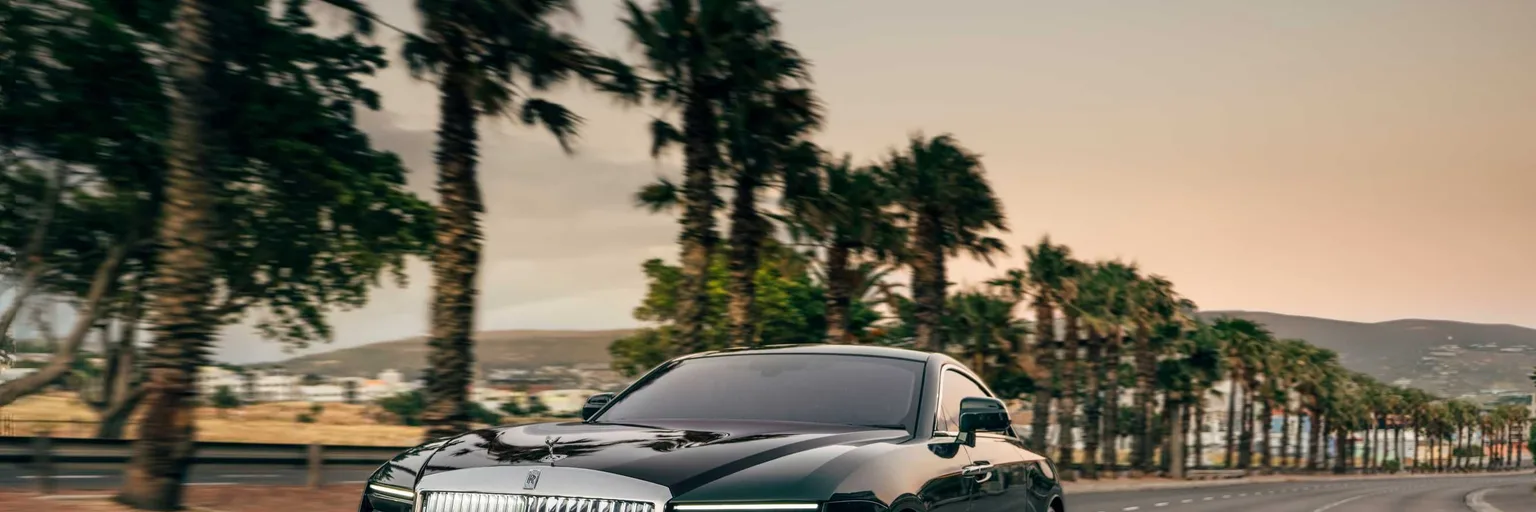
BYD's electric limousine ticks every spec box and even borrows the umbrellas. What it can't download is trust built over generations, and that is Rolls-Royce's real product.
The U9 Xtreme's one-way run proves BYD can win engineering headlines. Whether it builds credible luxury is a separate question, and the answer isn't on that desert road.
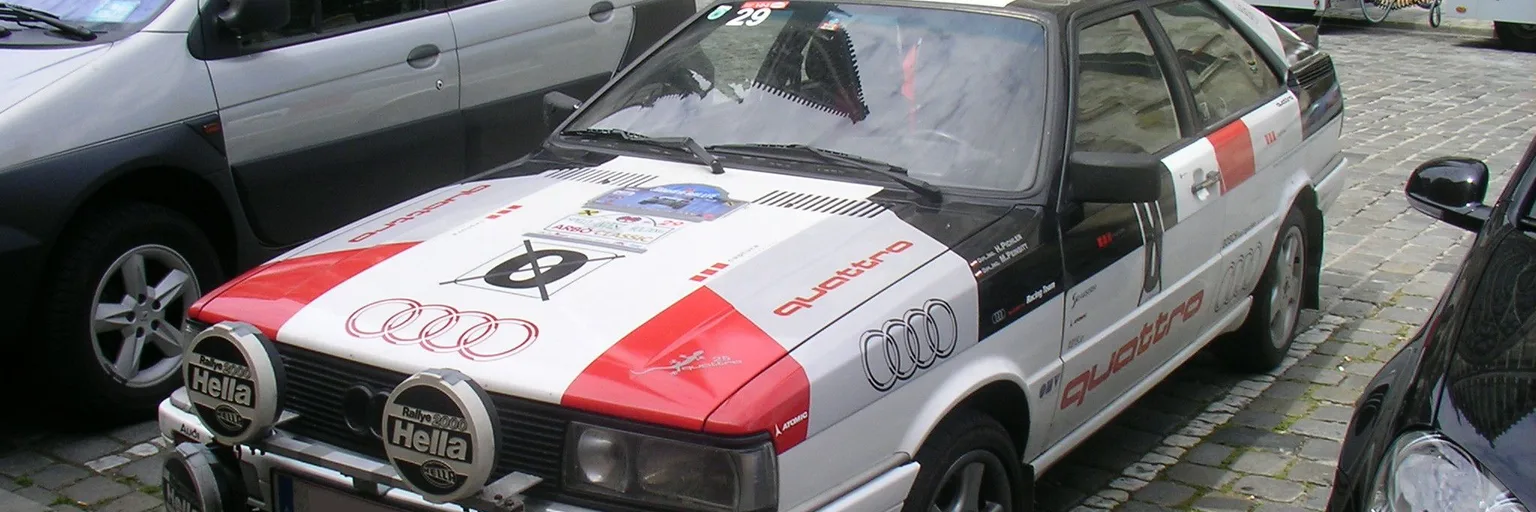
A British start-up is reviving the Quattro with RS4 hardware and a V8. In our view, heritage is an asset anyone with the engineering can serve, so judge the car, not the badge.
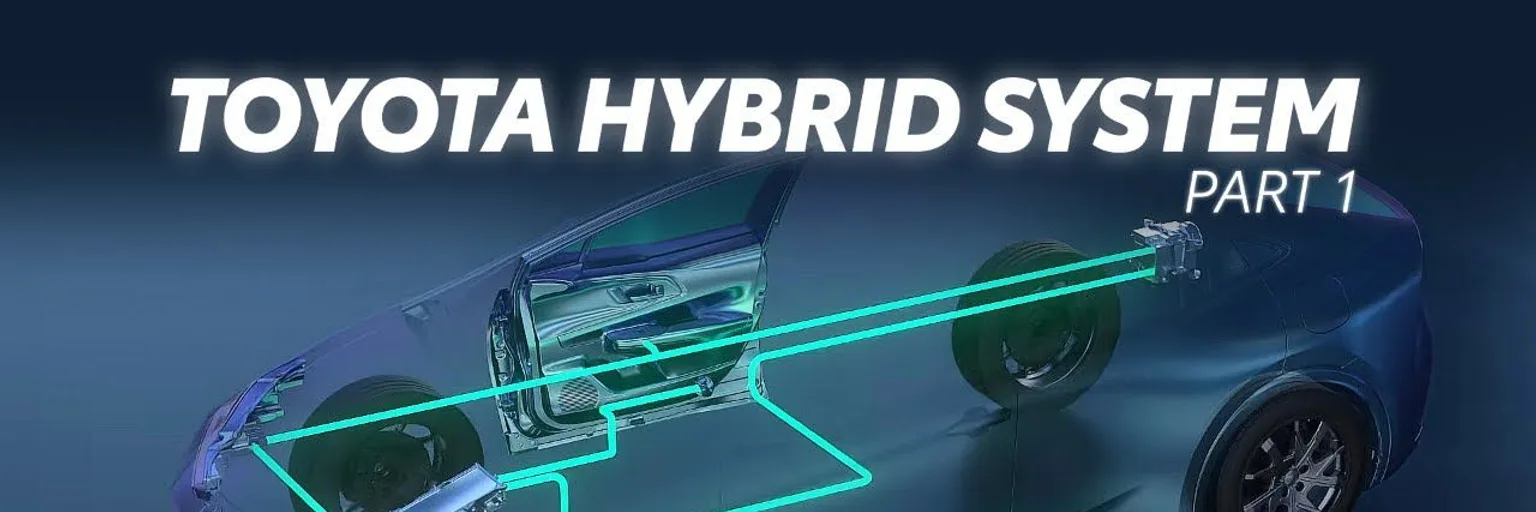
A 15% fuel-saving claim, a new multi-energy platform and engines Toyota may sell to rivals: the efficient hybrid isn't a stopgap, and EV-only strategies look riskier for it.
India has amended its motor vehicle rules for 100% ethanol cars, and the Supreme Court is already asking where the fuel will come from. The risk lands on drivers.
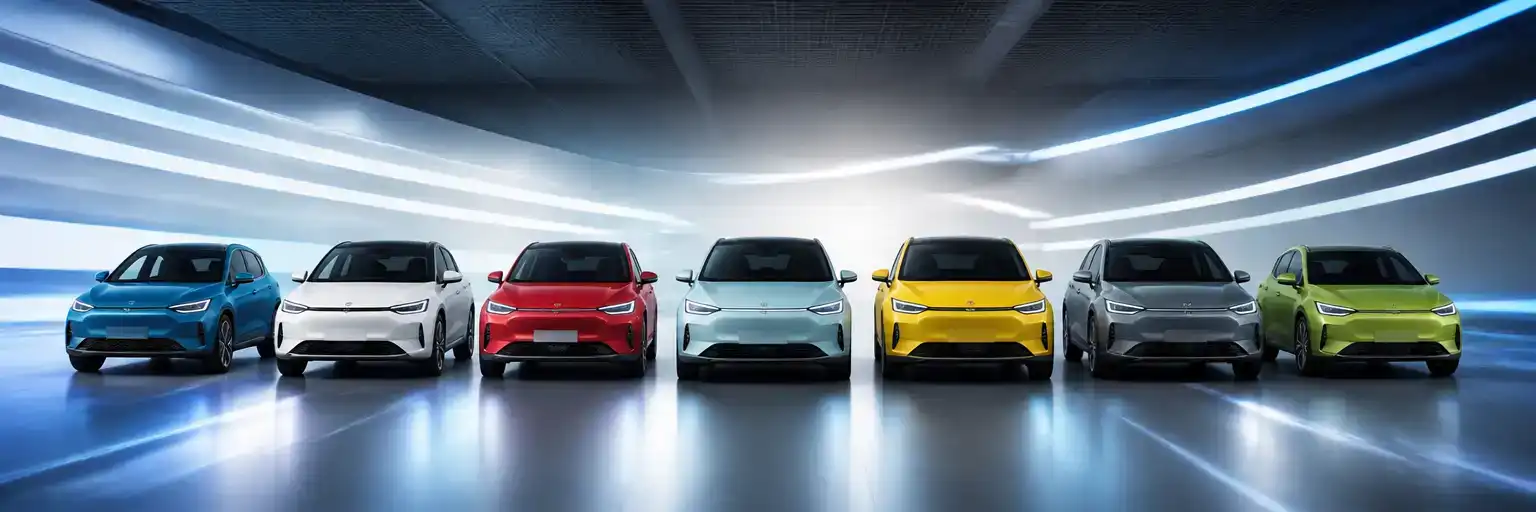
Seven electric finalists show that mainstream EVs have won over the jury, but a shortlist with no Chinese brand says more about Europe's awards than about the cars.
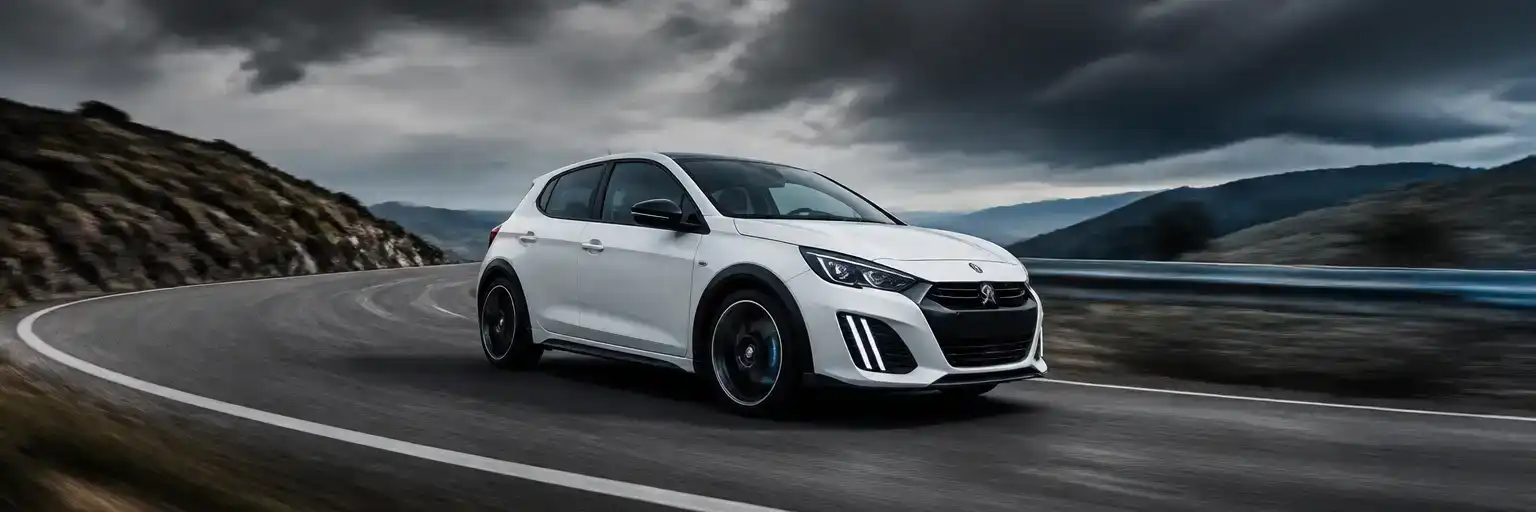
Peugeot's electric hot hatch answers the sacrilege crowd on power and fun. Whether enthusiasts will pay £34,995 for it is a different question.
Toyota's racing mule now looks like a proper mid-engine coupe. The spirit of the MR2 is back; whether enthusiasts can afford it is the real question.
April 2027's VED rise is a routine inflation uprating, but with eVED arriving in 2028, buyers choosing between EVs and petrol need stable rules more than a low rate.
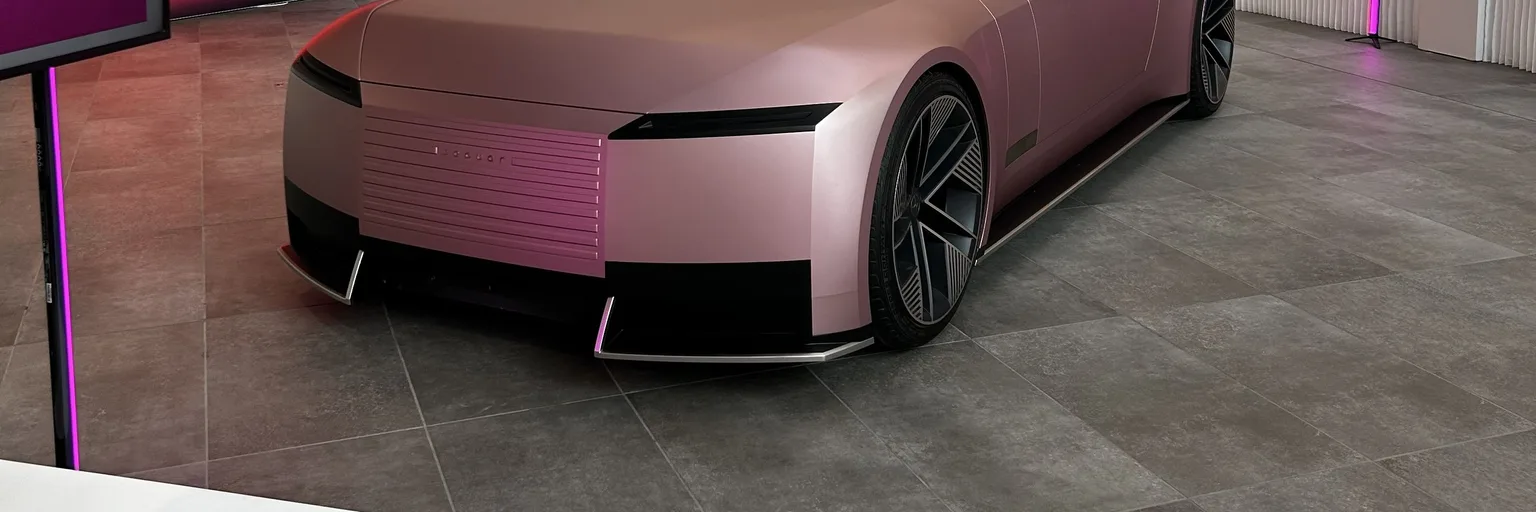
Jaguar is deliberately courting division with the Type 01. It's a bold strategy, but it only works if the car and a price of about $130,000 justify the fight.
Dropping the EV-only 2030 goal says less about a petrol revival than about ultra-luxury buyers who want silence and choice, and a pledge that was always a marketing line.
A 499-unit hybrid supercar can restore Audi's swagger, but only if buyers feel something a Lamborghini cousin can't give them. Power alone won't do it.
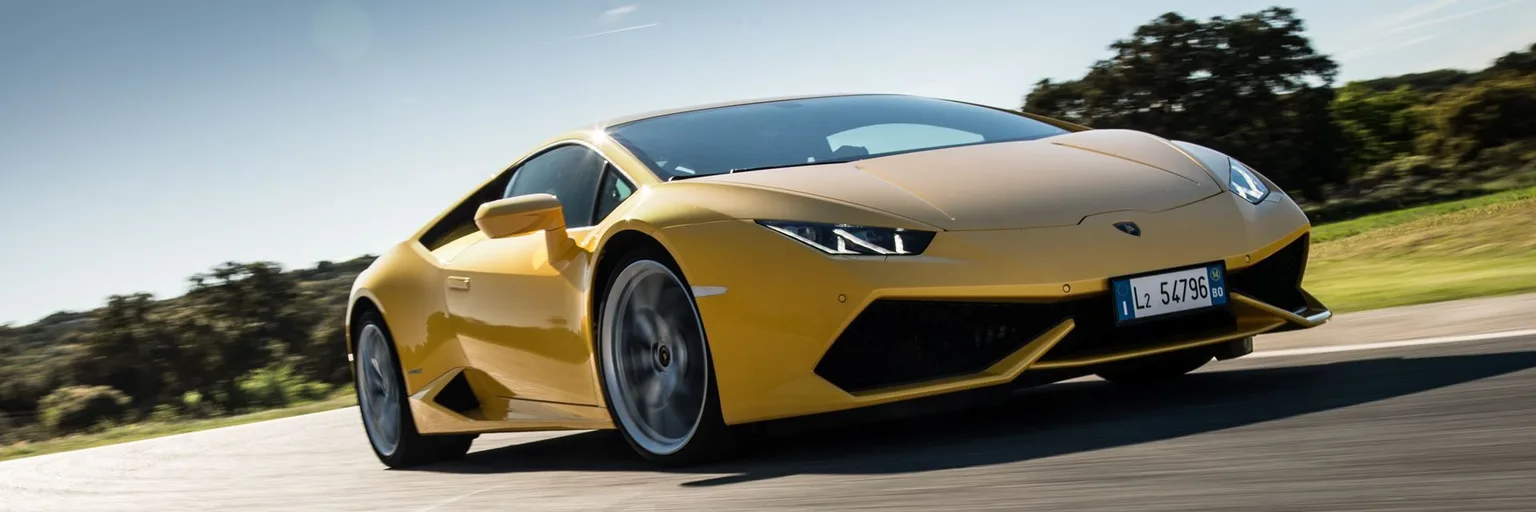
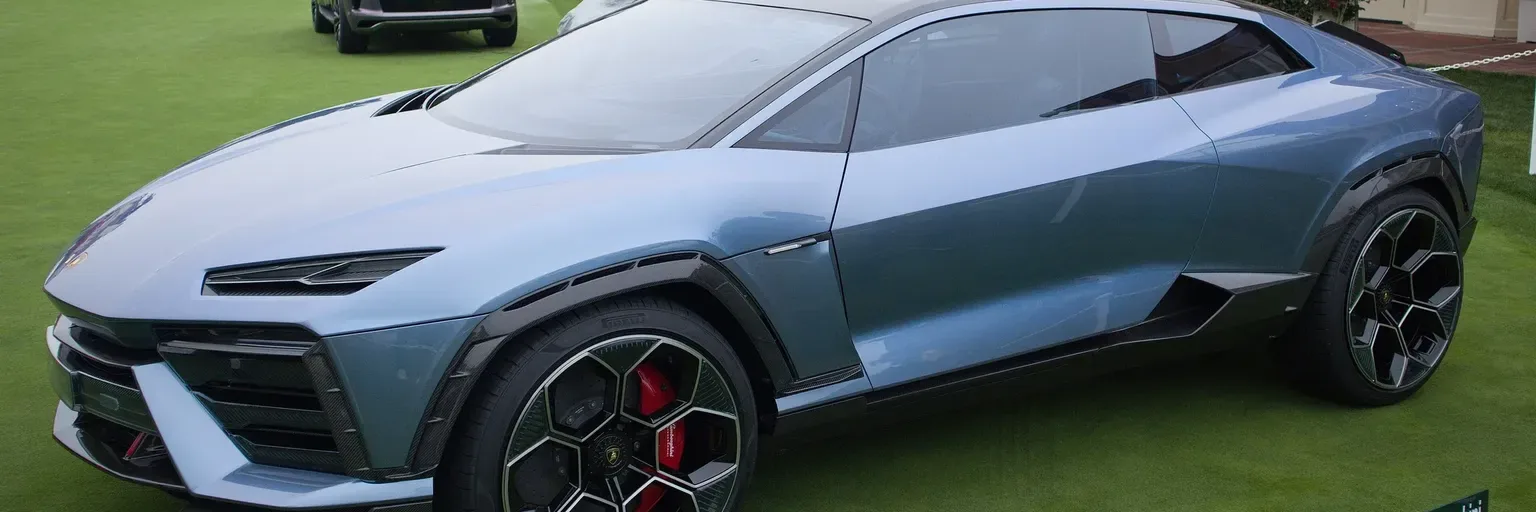
Lamborghini swapped the all-electric Lanzador for a plug-in hybrid, and its CEO says buyers are happy. We think the EV-only super-GT was a bet on the wrong customer.
Stellantis is promising two Chrysler crossovers under $30,000 in a market priced out of new cars. The idea is smart; the real test is what happens after "starting at."
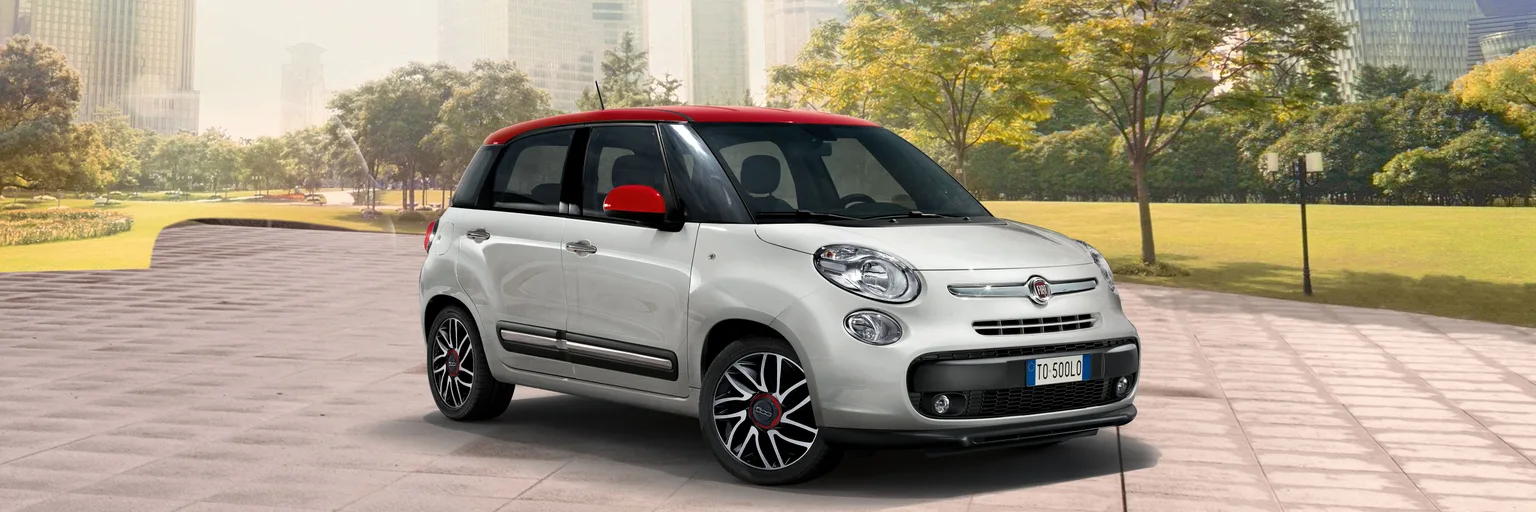
The Koala and the Citroën 2CV share Stellantis' E-car platform, which makes sense. Without a truly low price, though, the Italian twin is just another badge on the same car.
The jump over a Tesla Semi was great theater, but hours of refilling for seconds of thrust and a missing spec sheet make the 2028 Roadster a marketing play.
Chery’s premium EV push in Spain is not just another Chinese launch: it asks whether equipment, space and electric flexibility can redefine luxury.
Adrian Newey, Honda and a new gearbox give Aston Martin a credible long-term project, but the AMR26 still needs visible pace to make that promise believable.
The Land Cruiser Hybrid recall is not proof that hybrid systems are unreliable, but it shows why Toyota’s reputation now depends on fast, precise fixes.