Porsche's Combustion Supercar: Reaffirming Petrol Power Amidst the Electric Shift
The Mission S concept signals Porsche's strategic pivot, reaffirming its commitment to high-performance internal combustion and heritage, even as it embraces an electric future for other models.
Photo: Porsche / sala de prensa (uso editorial)
Is Porsche signaling a retreat from its electric ambitions, or is the unveiling of its new combustion supercar concept, the Mission S, a calculated double-down on its core identity? While the automotive world increasingly shifts towards electrification, Porsche is making a definitive statement on October 15, 2026, by presenting the Mission S concept, which is expected to preview a purely combustion-powered successor to icons like the Carrera GT and 918 Spyder. This isn't just a new model; it's a strategic move that fundamentally reshapes our understanding of Porsche's future.
This reveal comes at a critical juncture for the German marque. After a significant slump in profits in 2025—plummeting from $5.9 billion in 2024 to just $101 million—CEO Michael Leiters has introduced the 'Sportwagenschmiede 35' transformation strategy, aiming to make Porsche significantly more efficient, productive, and profitable. Leiters, who joined from McLaren last year, is tasked with reinforcing Porsche as one of the world's most desirable sports car manufacturers. This strategy focuses on Porsche's heritage by positioning it as the 'home of sports cars', leveraging its unique position between sporting luxury and premium markets. The Mission S embodies this refocus, signaling a nuanced approach rather than an outright rejection of electrification.
The Combustion Comeback: A Strategic Differentiator
The Mission S is more than just a concept; it represents Porsche's commitment to retaining the visceral appeal of internal combustion. The concept is slated to be the first model on a new "super-sports car platform" that will be purely combustion-powered and mechanically distinct from mid-engined models from sister brands Lamborghini or Audi, as Michael Leiters confirmed. Porsche has even released an image of a physical key, hinting at a focus on analogue, traditional driver appeal, a clear counterpoint to the increasingly digital and electric landscape. This stands in stark contrast to the Mission X, an electric hypercar concept revealed in 2023 that, while visionary, did not progress past the concept stage and focused on "maximum e-performance" and a "1:1 power/weight ratio" with an electric drive.
This move suggests Porsche views high-performance, combustion-engined supercars as a crucial differentiator, catering to a segment of enthusiasts who still crave the traditional driving experience. It's a pragmatic response to market realities, where the transition to EVs has proven more complex and costly than initially anticipated, as highlighted by Porsche's 2025 profit slump after heavy EV investments. By reaffirming its dedication to both pure-petrol and hybrid powertrains, alongside full-electric options, Porsche is aiming for a roughly 2:1 balance of combustion and EV models in its lineup. Crucially, Leiters has emphatically stated that "the 911 will never be electric," solidifying the brand's commitment to its iconic petrol-powered core.
Value Over Volume: The Path to Profitability
The 'Sportwagenschmiede 35' strategy emphasizes "value over volume." Porsche aims to lower its break-even point to below 200,000 units by reducing development costs and streamlining its workforce. A key part of this strategy is to increase the average selling price of its range-topping variants by around 20%, not merely by raising prices, but by adding value. This includes expanding its offerings in high-margin D/E segments, such as a new combustion-powered SUV arriving in 2028, which will sit alongside the Macan Electric, and another large SUV positioned above the Cayenne, focusing on the lucrative US market. Additionally, the strategy involves a significant expansion of personalization programs like Heritage Design, Exclusive Manufaktur, and Sonderwunsch, where bespoke projects can command prices upwards of €13 million, as Autocar reports. Porsche also plans to increase its stake in Manthey Racing to 67%, fostering more collaboration on special performance kits and limited-production vehicles. This focus on exclusivity and high-margin products is designed to restore profitability while reinforcing Porsche's image as a maker of aspirational sports cars.
A Balanced Future: Electric for Some, Combustion for Others
While the Mission S championing combustion might seem like a step back, Porsche's strategy is undeniably multi-pronged. The upcoming 718 Boxster and Cayman, for instance, will be launched purely as electric models in 2027, with Porsche abandoning plans for combustion engine variants. This indicates a clear segmentation: entry-level sports cars will lead the electric charge, while halo supercars and the revered 911 maintain their internal combustion identity. It's a pragmatic approach, acknowledging both the regulatory pressures and evolving consumer preferences for electrification in certain segments, while safeguarding the traditional appeal of its most emotional offerings. As Car and Driver details, this balanced strategy is crucial for Porsche to navigate the complex automotive landscape, ensuring both financial stability and brand loyalty in the years to come.
No topics yet: start the first one.
More stories
When Power Meets Peril: The Ferrari Tragedy and Our Fascination with Speed
The fatal crash of a Ferrari in Los Angeles serves as a stark reminder of the inherent dangers of supercars, urging a re-evaluation of driver responsibility and road safety in the pursuit of extreme performance.
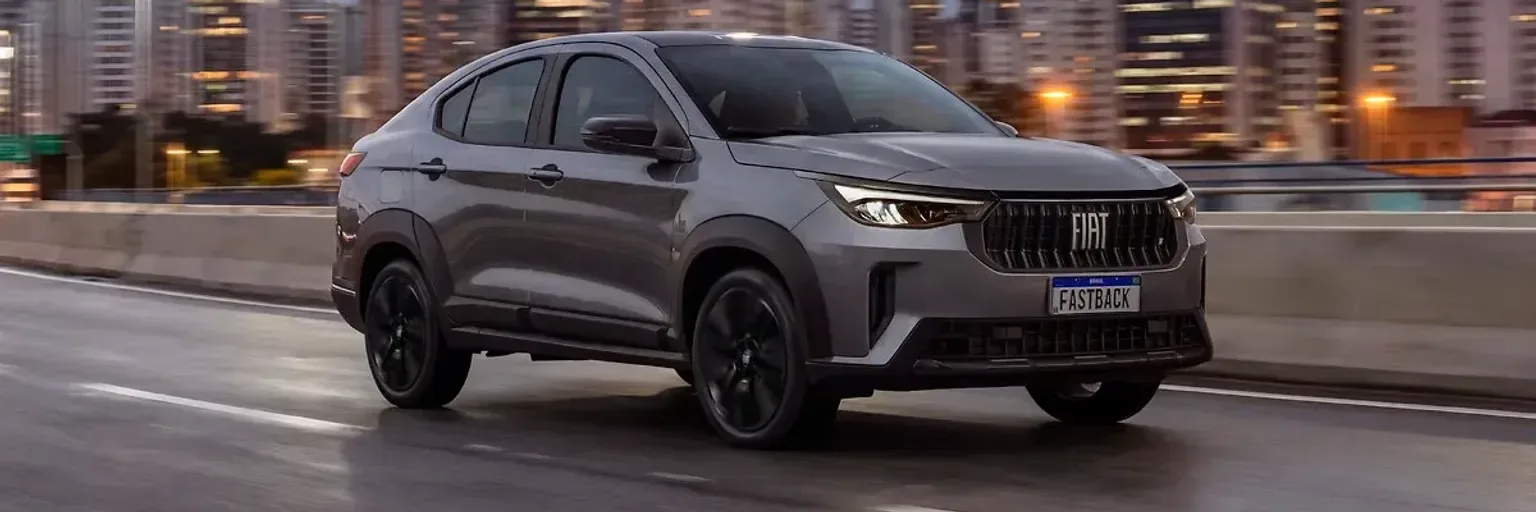
Fiat's Fastback 2027: Why This Bold Bet Could Redefine Compact SUVs
Unveiled at the Paris Motor Show, the new Fiat Fastback 2027 leverages striking coupe-SUV design, versatile powertrains, and surprising interior space to challenge established players and reclaim Fiat's position in the global family car segment.
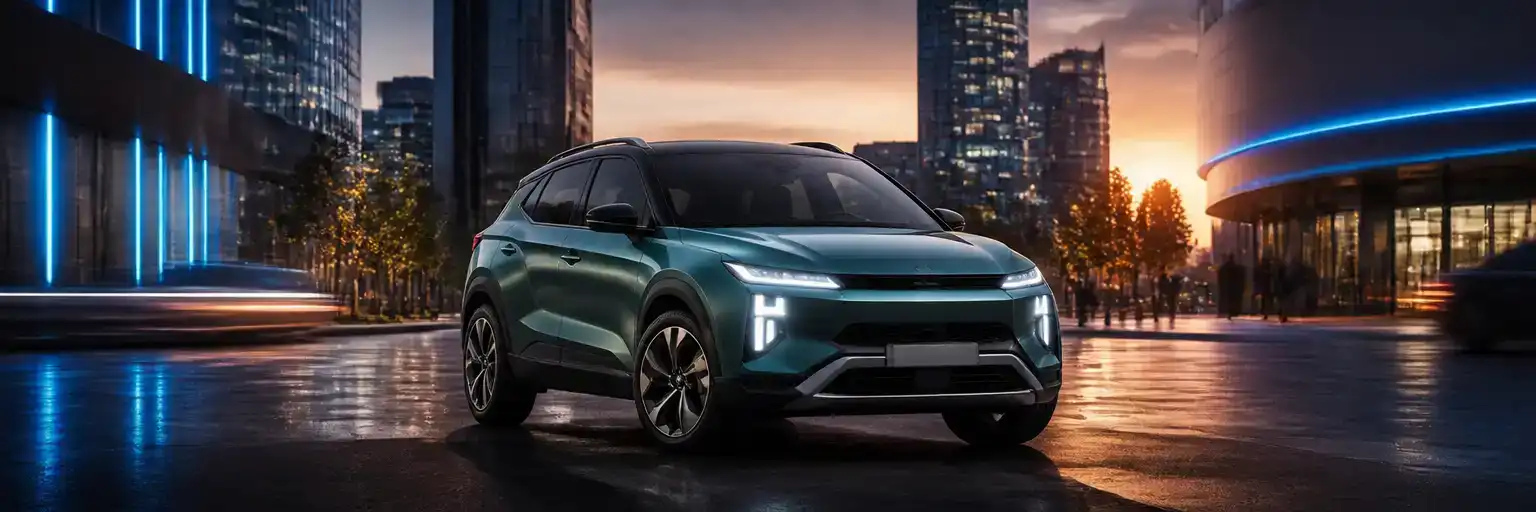
Hyundai Bayon 2026: Intelligence that Moves the Urban Crossover Market
Hyundai's all-new Bayon 2026, set for launch, aims to redefine the compact crossover segment with a bold new design, sophisticated AI, and a suite of connected features, positioning it as a savvy choice for city drivers.
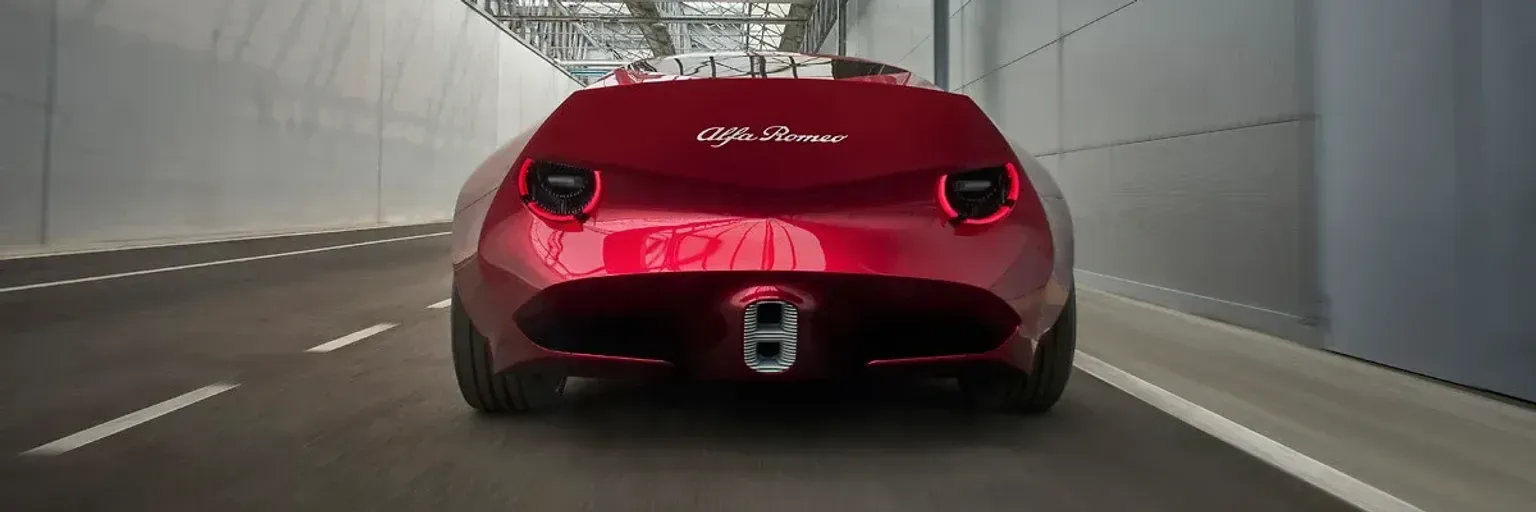
Alfa Romeo Cuorerosso: An Emotional Blueprint for a Hybrid Future
Alfa Romeo's Cuorerosso concept, revealed at the Paris Motor Show, is more than a design exercise; it’s a bold declaration that performance heritage and multi-energy electrification can coexist beautifully, shaping the brand's path forward.