VW's Multi-Brand EV Push: A Smart Bet Against Asian Rivals?
Volkswagen Group's Electric Urban Car Family, showcasing four distinct EVs on a shared platform, signals a strategic play for market dominance and affordability in Europe.
Photo: Volkswagen / sala de prensa (uso editorial)
Is Volkswagen Group finally ready to launch a unified counter-offensive in the increasingly crowded electric vehicle market? The current Paris Motor Show, running from October 13 to 18, 2026, seems to provide a resounding 'yes' with the debut of its 'Electric Urban Car Family' (EUCF) strategy. For the first time, four distinct electric models—the Volkswagen ID. Polo, ID. Cross, CUPRA Raval, and Škoda Epiq—are presented together, all underpinned by the same MEB+ platform. This bold move is not just about showcasing new models; it's a strategic pivot designed to consolidate electric offerings, achieve efficiency, and secure diverse market segments, directly addressing the formidable challenge posed by Asian manufacturers.
The EUCF represents a significant evolution of Volkswagen's approach to electric mobility. While these vehicles debuted as camouflaged prototypes just a year ago, they are now presented as a cohesive, market-ready portfolio. With nearly 150,000 orders already accumulated for the family, and over 70,000 specifically for the Škoda Epiq and Peaq combined, the strategy appears to be resonating with consumers, even before deliveries have begun, as CleanTechnica reports.
The Power of a Unified Platform
At the heart of this strategy lies the MEB+ platform, a technological backbone enabling over 80% component commonality across the four models. This high degree of shared technology is crucial, creating substantial synergies in development, procurement, and production. As Thomas Schäfer, Member of the Board at Volkswagen Group, emphasizes, the aim is to "develop together where economies of scale and speed are crucial, while at the same time creating independent products with a clear identity for each brand." This approach is underpinned by a significant industrial commitment, with a total investment of ten billion euros in Spain, including PowerCo's battery cell factory in Sagunto and an additional €300 million by SEAT & CUPRA in the Martorell battery system assembly plant. The two hatchback variants, CUPRA Raval and Volkswagen ID. Polo, are manufactured in Martorell, while the electric SUVs, Škoda Epiq and Volkswagen ID. Cross, are produced in Pamplona. This robust European production base, combined with the modular MEB+ platform, ensures efficiency and competitiveness from design to delivery, allowing for compelling value without compromising brand distinctiveness.
Škoda's Accessible Entry Point and Sporty Expansion
Among the EUCF members, the Škoda Epiq stands out as the accessible entry point to the brand's battery-electric portfolio, complementing the Peaq, which extends the range at the upper end as the new flagship. Their combined order success, exceeding 70,000 units, highlights their market appeal. At the Paris Motor Show, Škoda further solidifies the Epiq's position with the public debut of the Epiq Sportline, a version designed to broaden its customer appeal through dynamic styling and enhanced features. This Sportline model features distinctive glossy black accents, an optional blacked-out roof, and exclusive 19-inch black alloy wheels. Inside, it offers electrically adjustable sports seats upholstered in soft-touch Suedia, a heated sports steering wheel, LED Matrix headlights, LED taillights, and an illuminated grille. Priced from £32,450 (approximately $43,000) in the UK, the Epiq Sportline is offered with two powertrain options: the Epiq 40 (37 kWh net battery, 99 kW, 310+ km range) and the Epiq 55 (52 kWh net battery, 155 kW, up to 440 km range and 0-100 km/h in 7.1 seconds). Such offerings are critical for attracting new customer groups to electromobility.
Ultimately, Volkswagen Group's cohesive Electric Urban Car Family strategy, with its emphasis on a shared platform for efficiency and brand-specific differentiation, positions it strongly against a growing field of competitors. By leveraging economies of scale and regional production, VW aims to deliver affordable yet distinct electric vehicles, securing a significant foothold in Europe's evolving EV landscape. This comprehensive approach, balancing innovation with market accessibility, appears to be a calculated and promising move for the future of urban electric mobility.
No topics yet: start the first one.
More stories
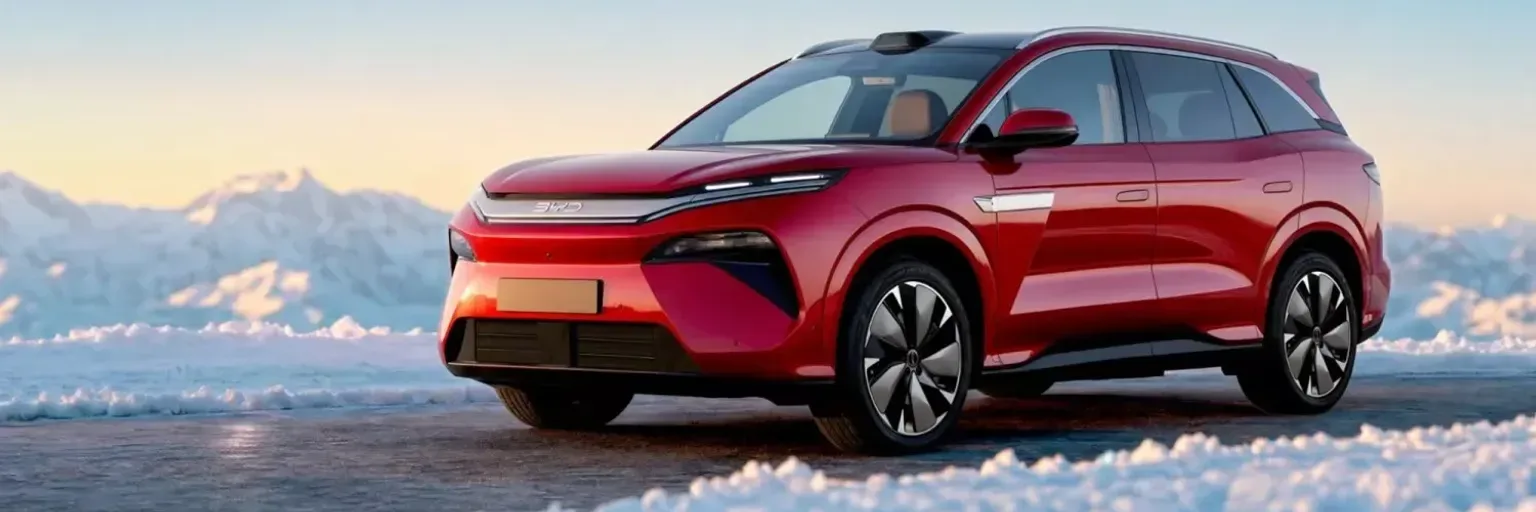
BYD ATTO 8: A New EV Luxury Challenger Emerges in Europe
BYD's ATTO 8, unveiled in Paris with a 115 kWh Blade Battery and ultra-fast charging, signals a clear intent to disrupt the premium seven-seater electric SUV market in Europe by 2027.
Dacia's Smart Move: Challenging EV Luxury with Affordable Essentials
By refining its budget-friendly electric Spring and launching the versatile Striker, Dacia is poised to redefine value in the C-segment, offering practical alternatives to increasingly expensive vehicles.
Nanoramic NXSP: The Pragmatic Upgrade That EVs Need Now
By enabling advanced silicon battery chemistries without requiring costly factory overhauls, Nanoramic's new materials offer a critical, immediate boost to EV performance and affordability.
BYD Racco: Japan's Kei Car Market Faces an Unprecedented Challenge
BYD's entry into Japan's fiercely protective kei car segment with the Racco isn't just ambitious; it's a strategic maneuver poised to fundamentally reshape the market and accelerate EV adoption.