EV Range: Why the Kia EV2 Delights While the DS N°7 Disappoints
The stark contrast between the Kia EV2's real-world range exceeding WLTP figures and the DS N°7's significant shortfall reveals a critical divide in EV consumer trust and adoption.
AI-generated image
The promise of electric vehicle range is often the first, and perhaps most crucial, factor potential buyers consider. Yet, the chasm between manufacturer-advertised figures and actual driver experience can be vast. The recent real-world evaluations of the Kia EV2 and the DS N°7 offer a potent illustration of this dynamic, one inspiring confidence while the other risks eroding it.
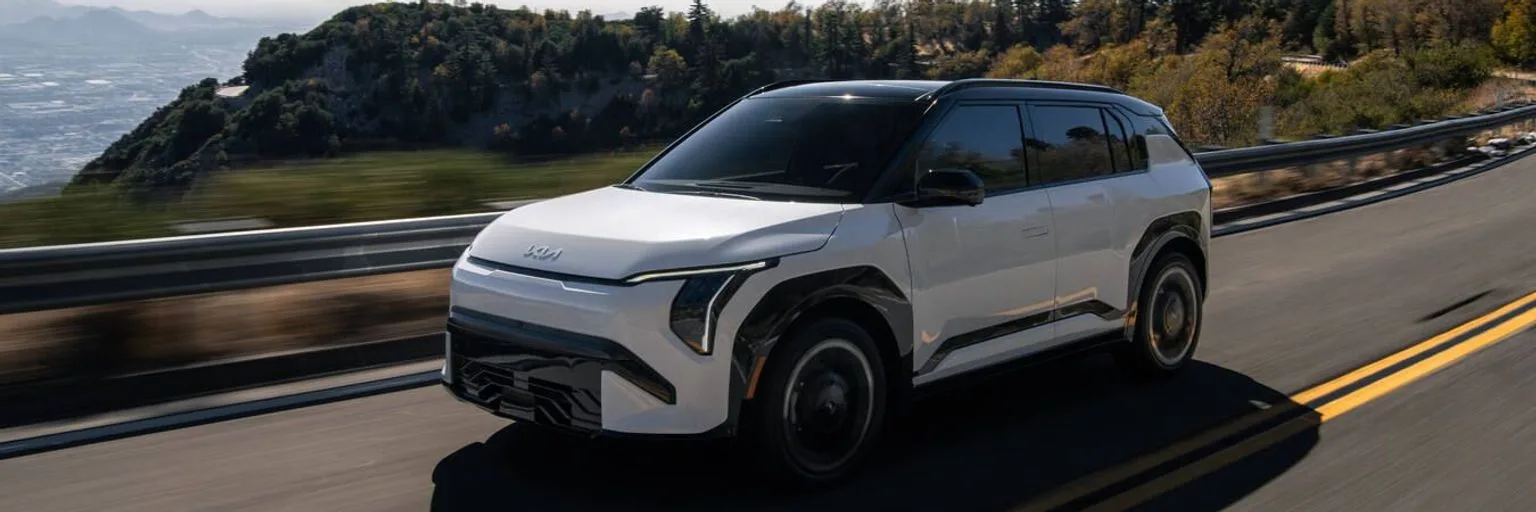
In an encouraging turn for EV adoption, the Kia EV2 has proven to be more economical in daily use than its WLTP standard suggests, even excelling in cold weather tests. This compact SUV reportedly delivers over 105% of its official range estimate in real-world driving, with its Standard Range model achieving 325 km (202 miles) in tests, surpassing its official 308 km WLTP rating [electrichunter.com].
Conversely, the DS N°7 faces a tougher road. Despite boasting an impressive WLTP range of up to 740 km for its Long Range FWD version, initial tests show a high real-world consumption of 19.2 kWh/100km, falling significantly short of its highway range claims [hh-autos.com]. Indeed, DS Automobiles itself acknowledges a real highway range of around 450 kilometers for its large battery variant [adac.de], a considerable reduction from the headline figure.
The WLTP Standard: A Necessary But Flawed Benchmark
The Worldwide Harmonized Light Vehicles Test Procedure (WLTP) is designed to provide a standardized measurement of EV range in Europe, aiming for consistency across models. This laboratory-based test cycle, conducted at a controlled 23°C, involves a series of accelerations, stops, and varying speeds over four phases. While it's a significant improvement over its predecessor, NEDC, the WLTP doesn't fully capture the myriad variables of everyday driving.
In our view, the core limitation lies in its controlled nature. Factors like extreme weather (where range can drop by 20-40% in cold), aggressive driving styles, varied terrain, or the constant use of energy-intensive features like air conditioning and heating are largely excluded from the WLTP cycle. This often leads to WLTP figures overestimating real-world range by approximately 20-30% in general driving conditions [clearwatt.co.uk]. For instance, an EV advertised with a 450 km WLTP range might only achieve 300 km on the highway in winter [chargemap.com]. This gap isn't unique to Europe; the US EPA also uses a combined city/highway test that often doesn't reflect highway-only range, where EVs tend to be less efficient than in urban settings due to continuous high speeds and less regenerative braking opportunity [consumerreports.org].
Building Trust vs. Eroding Confidence
The contrasting performance of these two vehicles highlights differing approaches to range claims. Kia's strategy with the EV2 appears to be one of conservative estimates coupled with efficient engineering, leading to a pleasant surprise for drivers. Exceeding expectations, even slightly, can significantly bolster consumer trust and brand loyalty. It suggests an automaker confident in its product's real-world capabilities, prioritizing customer satisfaction over inflated marketing numbers.
On the other hand, the DS N°7's considerable drop from its WLTP promise to its actual highway performance poses a challenge. When a vehicle's real-world range is nearly 40% less than its advertised figure for long-distance driving, it can lead to range anxiety, frustration, and a general distrust of official statistics. This discrepancy isn't just a numerical quibble; it impacts practical utility, especially for drivers who rely on their EVs for longer journeys. While the DS N°7 might offer other compelling attributes like a quiet interior, a significant shortfall in a core EV metric like range can overshadow these positives.
The Real-World Factors That Matter Most
Understanding why real-world range deviates from official figures is key. As independent tests consistently show, factors beyond the lab's control are paramount. Temperature is a major culprit; lithium-ion batteries are less efficient in extreme cold, impacting range by up to 40%, while hot weather necessitates increased air conditioning use, draining power [chargemap.com]. Driving style, too, plays a critical role: aggressive acceleration and braking are far less efficient than smooth, anticipatory driving.
Perhaps the most significant differentiator is the type of road. Unlike internal combustion engine (ICE) vehicles, EVs typically consume more energy on highways than in city driving. This is because high speeds increase aerodynamic drag exponentially, and there are fewer opportunities for regenerative braking, which is highly effective in stop-and-go urban traffic. On average, EVs can lose up to 30% of their range on the motorway compared to WLTP figures [chargemap.com]. This makes the DS N°7's highway range shortfall particularly concerning, as it directly impacts long-trip viability.
In the end, the varying range performance of new EVs like the Kia EV2 and DS N°7 underscores a crucial point for the evolving automotive landscape: transparency and realistic expectations are paramount for the future of Electric Vehicles. While WLTP remains a useful baseline for comparison, it is imperative for both manufacturers and consumers to look beyond these laboratory numbers. Automakers, in our view, should strive for Kia's approach – designing vehicles that perform robustly in diverse conditions and, if anything, underpromise slightly rather than overpromise dramatically. For buyers, the lesson is clear: consult independent real-world tests from reputable outlets like Consumer Reports to get an accurate picture of what an EV can truly deliver, especially on critical long-distance journeys. This focus on verifiable, practical performance is what will ultimately build sustained trust and accelerate the mainstream adoption of electric mobility.
No topics yet: start the first one.
More stories
Citroën's Electric 2CV: A Smart Strategy, Not Just Nostalgia
By prioritizing the original's core philosophy of affordability and minimalism over mere retro aesthetics, Citroën's sub-€15,000 electric 2CV could redefine the entry-level EV market in Europe.

Geely in Canada: A Calculated Gambit to Reshape North American EVs
Geely's strategic entry into Canada in 2027, leveraging a new quota system, positions it as a vanguard for Chinese automakers, poised to redefine the affordable EV market across the continent.

Volkswagen's EV Divide: Can a Premium GTI Coexist with Budget China Models?
Volkswagen's simultaneous launch of the high-priced ID. Polo GTI and its Xpeng-powered affordable SUV for China reveals a complex balancing act between heritage, market demands, and global electrification challenges.
Kia EV3: Is America's 'Affordable EV' Dream Finally Here?
Kia's new EV3 is poised to make electric mobility accessible in the US, with a compelling price point and practical features that address previous budget EV shortcomings, signaling a potential shift in mainstream adoption.