Jaguar's Type 01: A Risky Bet on Ultra-Luxury EV Rebrand
Jaguar's dramatic rebrand and its audacious new Type 01 EV signal an all-in play for the ultra-luxury segment, a high-stakes gamble that could redefine or dismantle the iconic British marque.
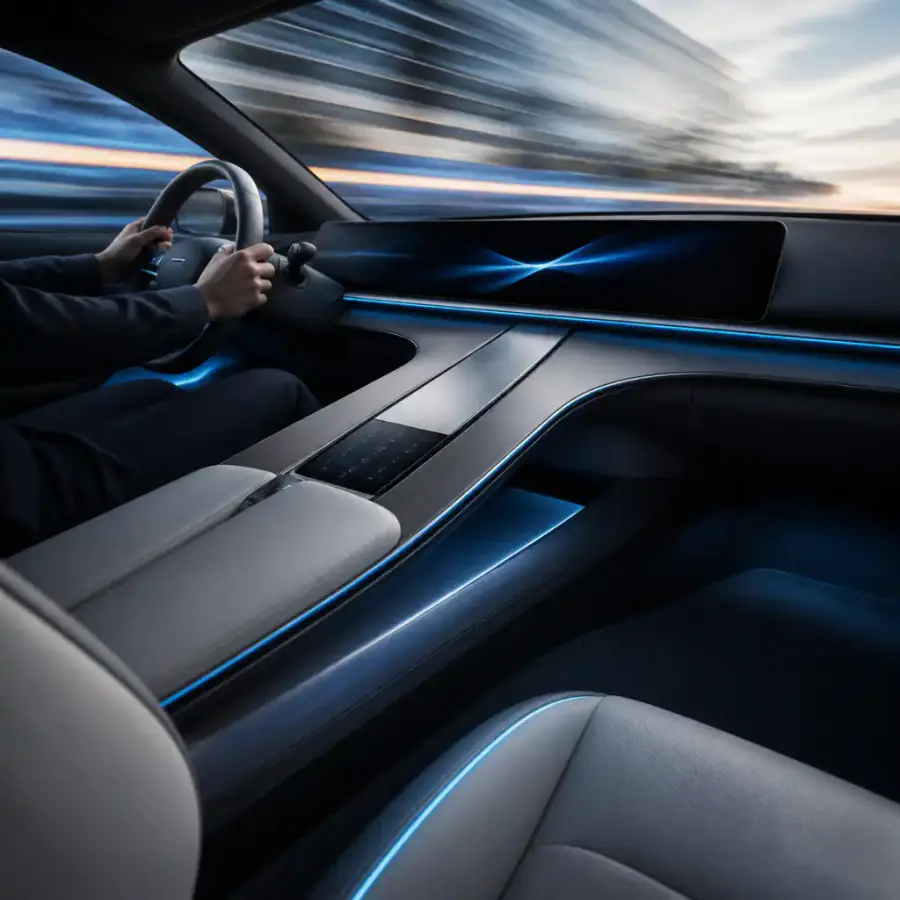
AI-generated image
Is Jaguar making a visionary move into the future of ultra-luxury electric vehicles, or is it embarking on a dangerous gambit that risks alienating its loyal customer base? The impending unveiling of the new Type 01 EV, with an estimated US starting price ranging from $130,000 to $150,000, suggests a brand intent on not just evolution, but outright revolution.
First announced in May 2026, the Type 01 is more than just a new car; it's the physical manifestation of Jaguar's recent, controversial rebranding strategy. This tri-motor powertrain marvel is designed to challenge the established norms of luxury and performance, with Jaguar targeting over 1000 horsepower and 400 miles of driving range [9]. Its interior promises luxurious, minimalist design centered around a 'central spine,' according to Top Gear [2].
This aggressive pivot is a clear signal: Jaguar is no longer content to compete in its traditional segments. The Type 01, with its high expected starting price in the US, aims to drastically elevate the brand's average transaction price from approximately $70,000 to $130,000, as Fox59.com noted in August 2026 [5]. This isn't just a new model; it's a new market, targeting younger, affluent consumers who seek a fresh definition of luxury.
The Audacious Rebrand: 'Copy Nothing, Delete Ordinary'
Jaguar's repositioning strategy, launched in November 2024, is nothing short of audacious. It aims to shed its conventional image and embrace values of 'exuberance, boldness, and the rejection of ordinary' [11, 13]. This isn't merely an update; it's a conscious attempt to inspire a new generation of buyers, as Jaguar's own website states [13]. The core idea is to transform Jaguar into an ultra-luxury electric brand, explicitly targeting younger, wealthier demographics who are less tethered to the brand's heritage [12].
This move acknowledges the broader trend of electrification reshaping how automotive brands reposition themselves and maintain loyalty, a topic explored in various studies [15]. For Jaguar, which previously introduced its first all-electric SUV, the I-PACE, winning the 2019 World Car of the Year [3], the brand seems determined to carve out a distinct, high-end niche rather than compete across all EV segments.
The Type 01: Manifestation of a High-Stakes Strategy
The Type 01 isn't just another car in the lineup; it's the standard-bearer for this new brand identity. Its projected performance figures – a tri-motor powertrain, targeting over 1000 horsepower, and a range exceeding 400 miles – position it directly against established ultra-luxury contenders [1, 9]. The starting price, reported between $130,000 and $150,000 in the US market [1, 9], underscores the brand's commitment to this elevated segment. This is a significant leap from Jaguar's historical average transaction prices, reflecting a complete shift in market positioning. Other markets, such as Saudi Arabia, anticipate prices around 562,500 to 675,000 SAR [8], further highlighting its premium placement globally.
This new product strategy is designed to drive a fundamental shift in perception and transaction value. The goal is clear: increase the brand's average transaction price significantly and draw in a new, high-net-worth clientele. This approach implies that the success of the Type 01 is intrinsically linked to the success of the entire rebrand. If it fails to capture this new market, the entire brand strategy could be jeopardized.
A Perilous Path: Brand Survival or Advertising Malpractice?
The bold rebrand has not been without its critics. Some argue that such an aggressive move, which fundamentally alters the brand's connection to its past, risks alienating existing loyal customers rather than attracting new ones [10, 14]. As one commentator suggested, perhaps it would have been wiser to create an entirely new EV brand, akin to Rivian or Polestar, rather than discarding
No topics yet: start the first one.
More stories
Ultra-Fast Charging: A Solution in Search of a Broader Problem
Geely's 2,250 kW charging stations promise lightning-fast recharges, but this relentless pursuit of speed risks overlooking the more fundamental challenges to global EV adoption.
Buick's Korean PHEV Bet: A Strategic Retreat or a Smart Pivot for GM?
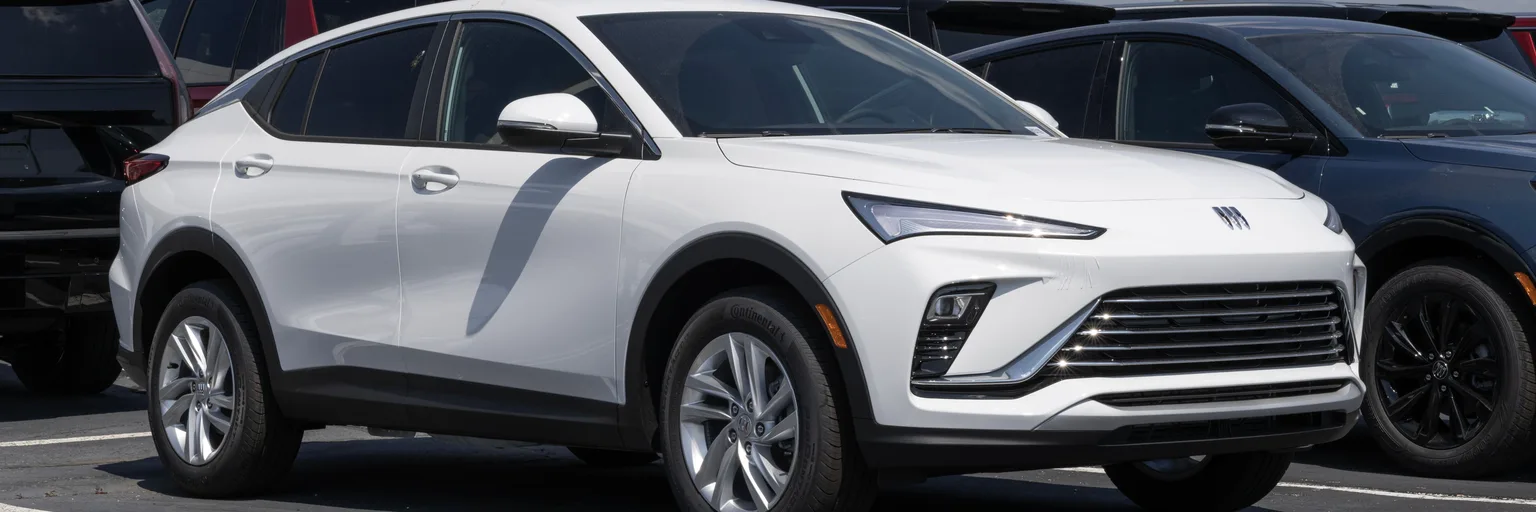
General Motors' decision to introduce the 2027 Buick Electra E7 PHEV as its first dedicated vehicle in South Korea signals a pragmatic shift from an all-EV focus, aiming to navigate market realities and EV losses.
Fintech's Electric Gamble: Why Paysafe's Formula E Bet Signals a New Era
Paysafe's title sponsorship of Envision Racing in Formula E is a strategic move, illustrating how fintech companies are increasingly aligning with electric motorsport to build consumer brand visibility and connect with digitally engaged audiences.
GM's EV Woes Reveal Market Challenges, Tesla Shows Resilience
General Motors' significant Q3 EV sales slump highlights a challenging market for legacy automakers, contrasting sharply with Tesla's ability to maintain stable deliveries, suggesting a bifurcated path for EV adoption.