Aston Martin's EV Delay: A Prudent Pause or a Risky Bet on the Past?
Aston Martin's decision to push its first all-electric model to at least 2033 reflects a cautious luxury industry navigating evolving regulations and uncertain high-end consumer demand, prioritizing established combustion engines over premature EV investment.
Photo: Sue Thatcher / Shutterstock.com
Aston Martin's recent announcement that its first all-electric model won't arrive until at least 2033 — and possibly as late as 2035 — poses a significant question for the luxury automotive sector: is this a shrewd tactical retreat or a dangerous gamble that underestimates the pace of change? This isn't just a simple postponement; it's the latest in a series of delays, pushing back an initial 2025 target through 2027 and 2030, reflecting a deep-seated hesitation in committing fully to electrification at the industry's apex.
CEO Adrian Hallmark has been clear, labeling the company a "BEV delayer," not a "BEV denier," emphasizing that the brand intends to launch an electric vehicle only when compelled by legislation, likely around 2035. This stance is rooted in a pragmatic assessment of fluctuating regulatory landscapes and the unpredictable demand for ultra-high-end electric vehicles. Rather than rushing into potentially outdated technology, Aston Martin plans to observe market shifts and leverage partnerships with companies like Lucid and Mercedes-Benz, which could provide access to advanced EV components when the time is right, as ElektroQuatsch reports.
The Strategic Logic Behind the Long Wait
For a niche luxury manufacturer, the decision to delay electric vehicle development carries different implications than it would for a mass-market brand. Investing billions into new platforms, battery technology, and production lines requires high unit volumes to be economically viable. For Aston Martin, with its comparatively lower production numbers, these investments are inherently riskier. If the regulatory or economic environment shifts before launch, the financial repercussions could be severe. By delaying, Aston Martin reduces its immediate investment risk, allowing technological advancements to mature and consumer preferences to solidify. This approach, while seemingly conservative, could prevent the brand from committing to a costly platform that becomes obsolete too quickly.
Furthermore, the luxury segment itself presents unique challenges for EV adoption. While models like the Porsche Taycan and Lucid Air have proven that high-performance electric vehicles can find buyers, the demand for extremely high-priced electric cars is not developing as linearly as some predicted. Aston Martin's core clientele, we believe, still values the distinctive character and visceral experience of a V8 or V12 internal combustion engine, making a forced, early EV transition potentially alienating for its dedicated customer base.
Internal Combustion as the Immediate Future
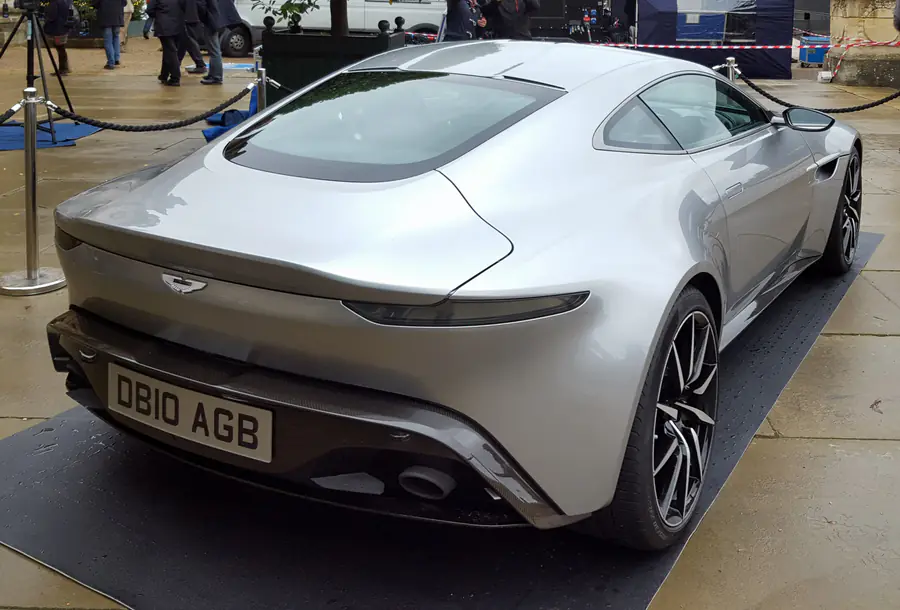
While the EV future is on hold, Aston Martin is doubling down on its celebrated internal combustion engines. Adrian Hallmark confirmed that the brand has a clear roadmap to keep its V8 and V12 engines compliant until at least 2035, as Motor1.com Germany details. This strategy involves careful updates and the likely integration of mild or conventional hybrid systems, designed to meet tightening emissions standards without the added weight and complexity of plug-in hybrid technology. This allows the company to continue delivering the distinctive Aston Martin driving experience that defines the brand, ensuring its current product line remains competitive and appealing.
This approach aligns with the company's understanding of its market. The continued popularity of models like the DBX GT, a luxury SUV with a biturbo V8, underscores the enduring appeal of traditional powertrains within Aston Martin's portfolio. For the next decade, it seems, the roar of a V12 will continue to be a hallmark of the British marque, rather than the silent surge of an electric motor.
Preparing for the Inevitable: Partnerships and Future Pressure
Despite the delay, Aston Martin is not ignoring the inevitable shift towards electrification. The strategic partnerships with Lucid for EV technology and Mercedes-Benz for engines and electrical architectures are crucial. These collaborations allow Aston Martin to access cutting-edge components and expertise without bearing the full development cost itself. It’s a smart move, ensuring that when the regulatory hammer finally falls, the company won't be starting from scratch.
However, this waiting game also comes with its own set of pressures. By 2033-2035, competitors will have launched multiple generations of electric vehicles, refining their software, efficiency, and charging technologies. Aston Martin risks entering a highly mature and competitive EV landscape with a relatively nascent product. While patience can be a virtue, prolonged delay could also mean playing catch-up in a rapidly evolving market. The question for Aston Martin is not if it will electrify, but when, and whether its eventual entry will still carry the same gravitas in a world potentially saturated with high-performance EVs.
Ultimately, Aston Martin’s move reflects a calculated gamble on market evolution and legislative timelines. While it secures the brand's immediate future with beloved combustion engines, the long-term success hinges on its ability to seamlessly integrate advanced EV technology at a moment when customer demand for luxury electric vehicles truly justifies the investment, rather than simply fulfilling a mandate.
No topics yet: start the first one.
More stories
Paris 2026: The EV Showdown Where Asia Confronts Europe
The upcoming Paris Motor Show is set to be a pivotal battleground, revealing Europe's commitment to electrification and solidifying the undeniable rise of Asian automakers in the global market.
Affordable EVs Are Here: The €25,000 Barrier Falls in Europe
The dramatic surge in sales for electric vehicles priced under 25,000 euros signals a pivotal moment, pushing EVs firmly into the mainstream for European consumers.
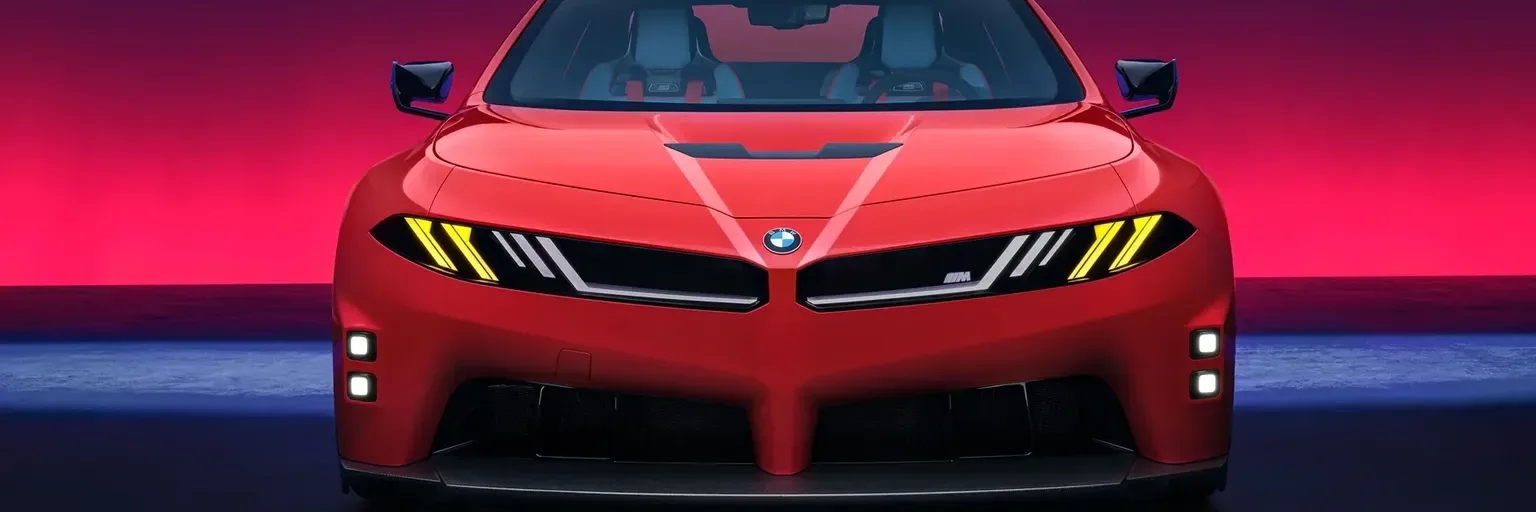
BMW's Electric M3: Precision Over Power in the EV Era
While the world fixates on colossal horsepower figures, BMW's M division is subtly signaling its electric M3 will prioritize driving precision and sustained performance over raw numbers, challenging purists and competitors alike.
Ultra-Fast Charging: A Solution in Search of a Broader Problem
Geely's 2,250 kW charging stations promise lightning-fast recharges, but this relentless pursuit of speed risks overlooking the more fundamental challenges to global EV adoption.