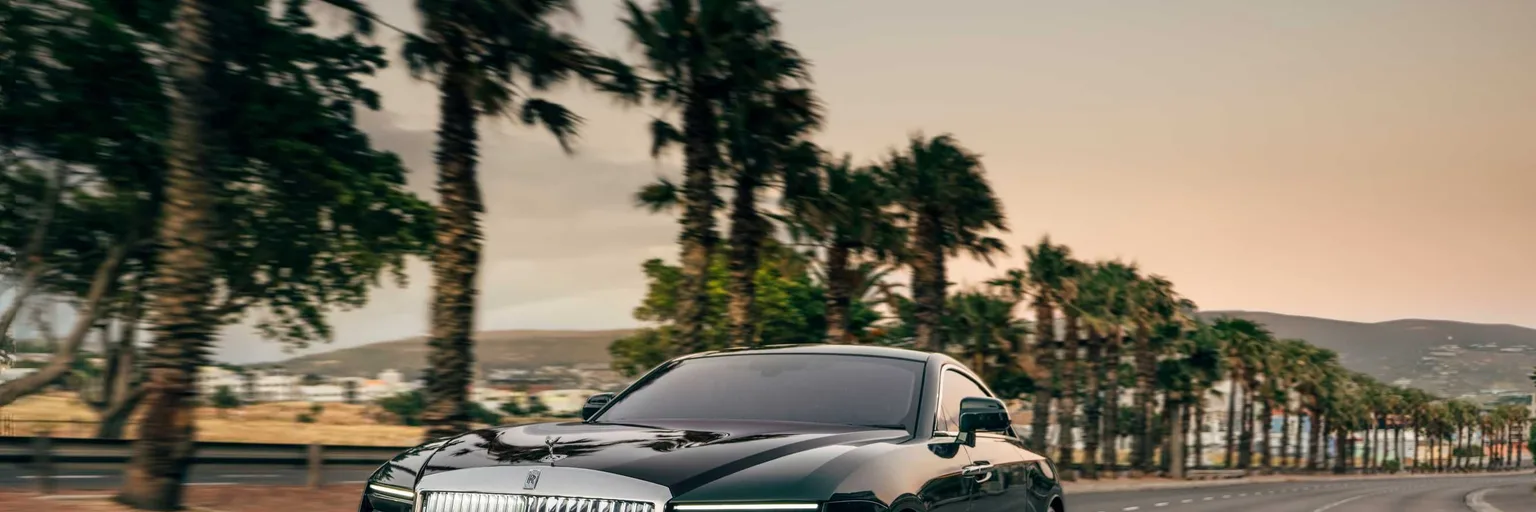
Jaguar wants you to hate the Type 01. That's only smart if it delivers
Jaguar is deliberately courting division with the Type 01. It's a bold strategy, but it only works if the car and a price of about $130,000 justify the fight.
Photo: SamuraiArmada / Wikimedia Commons (CC0)
Most carmakers spend fortunes trying to avoid one outcome: a car people hate. Jaguar, it seems, has made it a design goal. The Type 01 electric grand tourer is being sold as much on its capacity to provoke as on anything under the skin. Is that genius or a very expensive way of saying "we don't care what you think"?
What Jaguar says it's doing
According to The National's interview with the people behind the car, Jaguar kept the Type 01 close to the divisive Type 00 concept despite the backlash. Global head of marketing Carlee Hardacre says the company is prepared to shed part of its historic customer base. She also says the worst outcome would be to make "a car that everyone thinks is all right but nobody really wants to buy."
The numbers are the interesting part. Jaguar clinics with about 5,000 potential customers produced, per the same piece, the most ones (cannot stand it) and the most tens (must have it) in the company's history. The price is about £130,000 ($174,250) according to The National, and US coverage such as CNBC puts it around $130,000.
Polarization is a strategy only when the math works
We like the logic, and we think it's sounder than the "please everyone" approach that, as The National's writer puts it, arguably left Jaguar with cars that felt too much like the competition's. At this price, nobody buys out of need. They buy because they want it, and wanting is an emotional, lopsided thing. A car that a committed group of buyers adores beats one that everybody finds merely acceptable.
But there's a catch the clinic story glosses over: a record number of tens is only useful if those tens turn into signed orders. Scoring a 10 in a survey costs nothing. Spending six figures does. And a low-volume, high-price plan leaves little room for error, because the people who scored it a one aren't coming back as a consolation market.
We'd also note that brushing off the design's critics as out-of-touch traditionalists is a convenient posture. Some criticism of a design is just taste; some is a signal. Jaguar can't tell which is which until the order books say so.
The car has to be more than a provocation
Here Jaguar has real ammunition. The Type 01 has more than 1,000 hp, and the company claims a 50/50 weight balance by placing a sixth of the battery cells at the front. That is what let it keep a low roofline and rear legroom. Reported specs from outlets such as Haute Living cite 0-60 in 3.1 seconds and up to 400 miles of range, though we'd treat those as figures to confirm on official US spec sheets.
That engineering story matters because it answers the obvious suspicion: that the styling is a costume. Jaguar says it had the profile in mind first and made engineering find the workarounds, so the divisiveness at least has a reason. Its own CTO, Thomas Muller, calls putting cells at the front "a bit crazy," which is exactly the kind of risk a polarizing design should be paired with.
Still, a dramatic body and a clever structure won't carry a brand reboot alone. Buyers at this price will compare it with rivals on software, service and residual value, and we haven't seen anything on those fronts yet. That's the unknown that decides whether this is bold or merely brash.
Our verdict
Jaguar is right to stop chasing a middle that no longer exists for it. We'd even call the Type 01 refreshing: a company picking a fight with its own past is rarer than it should be. But being divisive is a ticket to the conversation, not a business model. If the Type 01 delivers on its claimed performance and range, and if the tens convert into deliveries, the haters will be a footnote. If not, "some people don't like it" will sound like an excuse. We think it's worth watching closely, and worth seeing in person before deciding which camp you're in.
No topics yet: start the first one.
More stories
The E-208 GTi proves a small EV can wear the badge. The price tag is the real test
Peugeot's electric hot hatch answers the sacrilege crowd on power and fun. Whether enthusiasts will pay £34,995 for it is a different question.
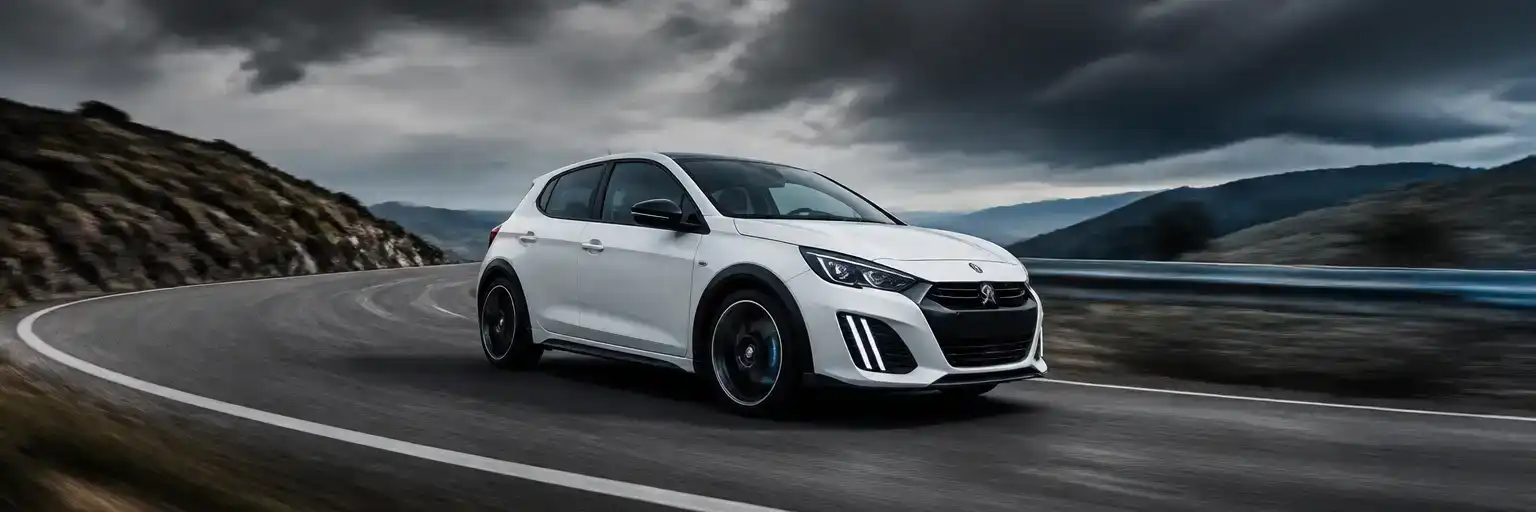
A mid-engine GR Yaris is the MR2 revival we wanted, if the price is right
Toyota's racing mule now looks like a proper mid-engine coupe. The spirit of the MR2 is back; whether enthusiasts can afford it is the real question.

UK car tax keeps moving, and that's a bigger problem than the rate
April 2027's VED rise is a routine inflation uprating, but with eVED arriving in 2028, buyers choosing between EVs and petrol need stable rules more than a low rate.
Rolls-Royce keeps the V12 because the rules changed, not because buyers did
Dropping the EV-only 2030 goal says less about a petrol revival than about ultra-luxury buyers who want silence and choice, and a pledge that was always a marketing line.