Porsche's Electric 718 Battery Gamble: Mid-Engine Magic or Misstep?
Porsche's audacious decision to place the electric 718's batteries behind the seats is a bold reaffirmation of driving dynamics, challenging conventional EV design to preserve the sports car's soul.
Photo: Porsche / sala de prensa (uso editorial)
In a market increasingly dominated by skateboard platforms and under-floor battery packs, Porsche is making a profoundly defiant statement with the upcoming electric 718 Boxster and Cayman. The marque’s decision to position the high-voltage traction battery not beneath the cabin, but directly behind the seats, where a combustion engine once resided, is more than a technical detail; it is a declaration of intent, a bold gamble to preserve the very soul of a mid-engine sports car in an electric era.
After much speculation and even initial skepticism from CEO Michael Leiters, Porsche has confirmed that the 718 Boxster and Cayman will go electric-only, with production slated to begin in 2027 and full production in 2028. This move definitively axes any plans for a gas-powered revival for the entry-level sports car, despite earlier considerations for a mid-cycle internal combustion option. It’s a significant shift, especially considering the 718’s two-generation run as Porsche's most accessible flat-six.
The E-Core Architecture: Redefining Mid-Engine for EVs
Most electric vehicles on the market today employ a flat battery pack integrated into the floor, a design choice that simplifies crash structures and often leads to a lower center of gravity, beneficial for stability. However, this approach typically compromises the low seating position essential to a true sports car feel and dictates a certain cabin architecture. Porsche, with its E-Core Architecture, has chosen a radically different path for the 718, opting for a “mid-battery package” where three modules are arranged across two levels, directly in the space previously occupied by the flat-four or flat-six engine. This isn't just a clever packaging solution; it’s a philosophical stance.
This unorthodox placement is critical to achieving a balanced weight distribution, a defining characteristic of mid-engine sports cars. Porsche’s VP of vehicle architecture, Robert Meier, revealed that the electric 718 will have 55.2 percent of its weight over the rear axle. While slightly less rear-biased than the 2025 gasoline 718’s approximate 59 percent, it’s remarkably close and a far cry from the more evenly distributed (or even front-biased) weight found in many floor-mounted battery EVs. This dedication to weight distribution is fundamental to handling, traction, and overall performance, as Motorsport Engineer attests.
Driving Dynamics Over Drivetrain Convenience
The E-Core Architecture allows Porsche to retain the low seating position that is synonymous with the Boxster and Cayman, promising an
No topics yet: start the first one.
More stories
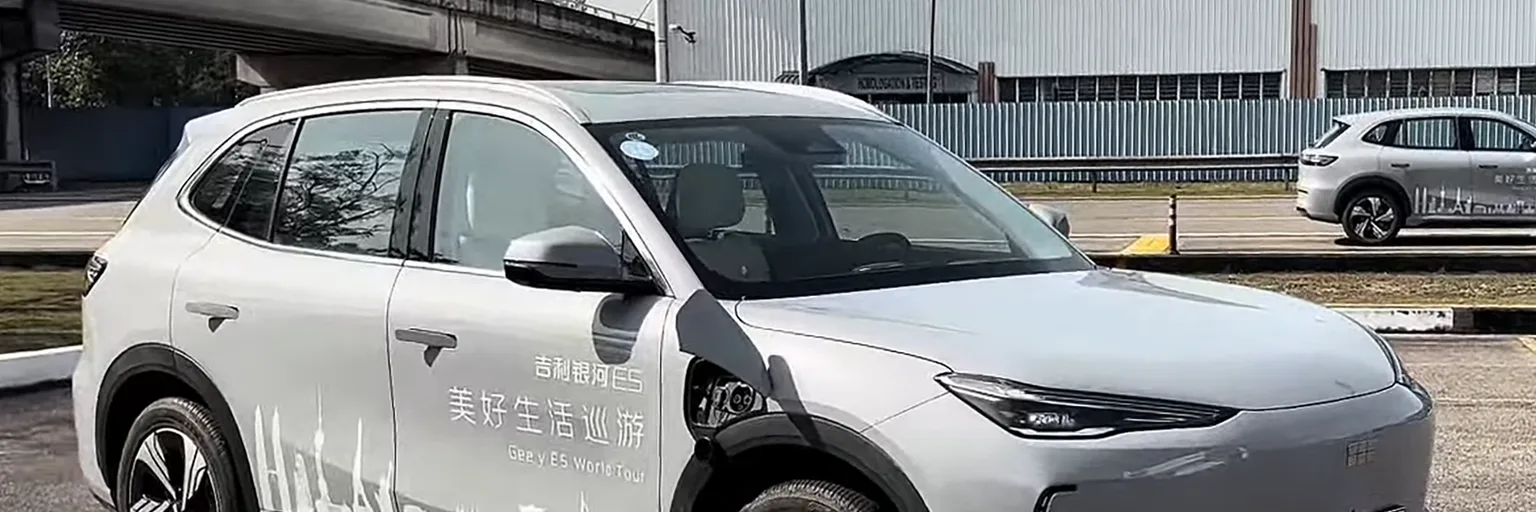
Geely E5: Redefining Value in Europe's Electric SUV Segment
Geely's E5 electric SUV arrives in Italy with a competitive price and impressive range, challenging established automakers and signaling a new era for affordable, feature-rich EVs.
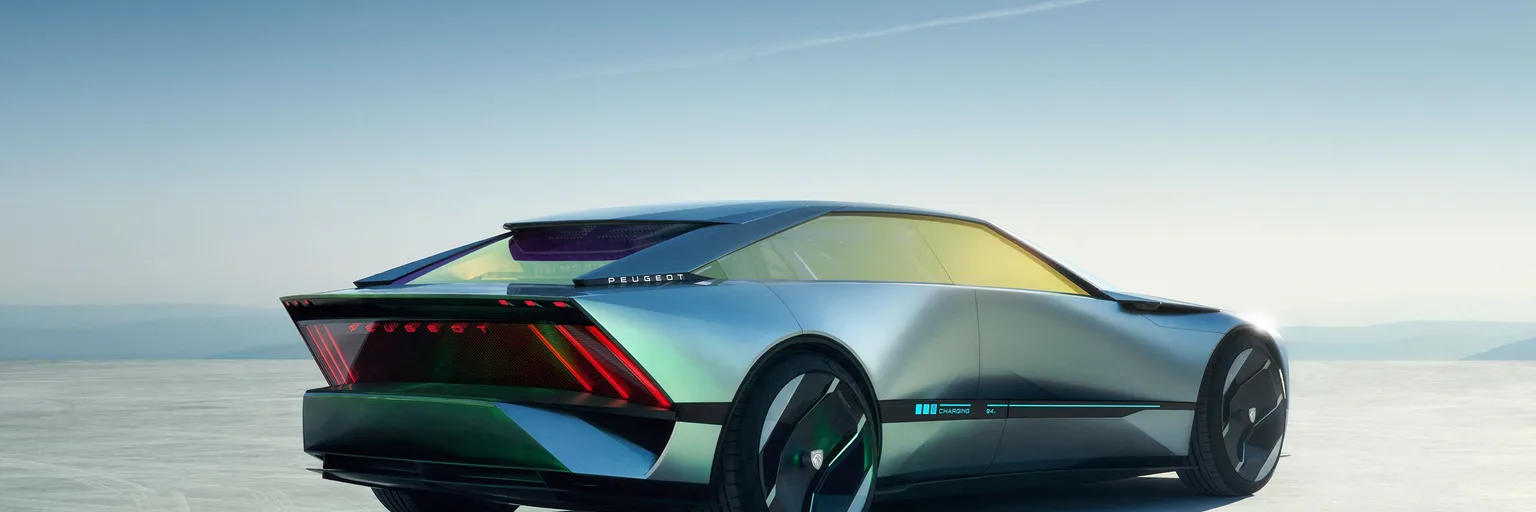
Peugeot E-T16 Concept: A Rally Legend's Electric Roar Reshapes EV Future
Peugeot's E-T16 Concept, an 816 hp electric homage to the 205 Turbo 16, proves that raw emotion and heritage are vital for EVs, not just raw power.
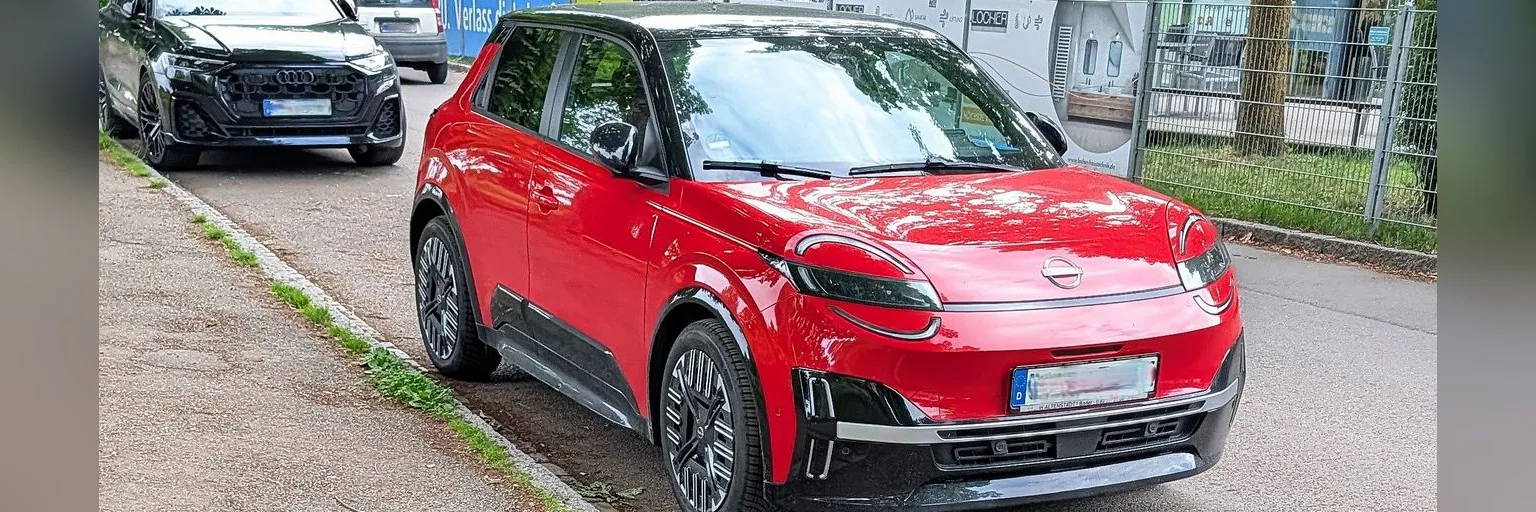
The Electric Nissan Micra: Redefining Affordable EV Expectations
Nissan's new all-electric Micra directly challenges the high cost and range anxiety perceptions of EVs, positioning itself as a practical and accessible option for broader adoption.
Jeep's Renegade Rebirth: Why STLA One is Electrification's True North
The return of the Jeep Renegade on Stellantis' STLA One platform signals a pivotal moment, balancing rugged 4x4 heritage with a multi-energy, electrified future for Europe.