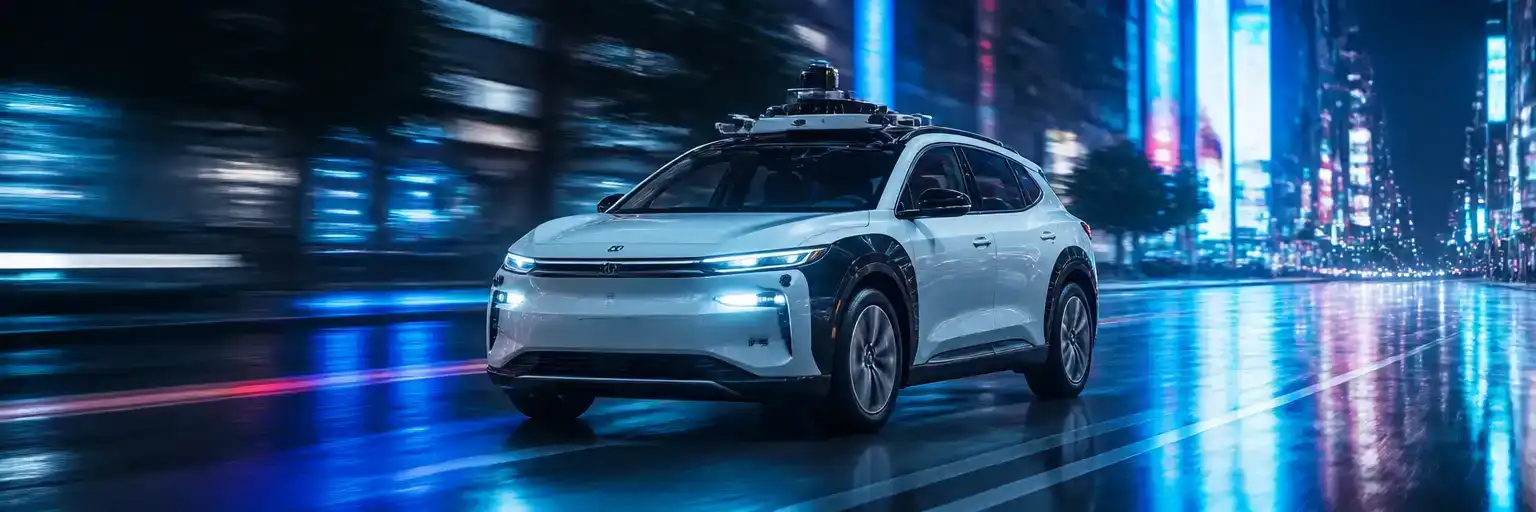
Germany's reported barracks ban on Chinese EVs is prudent, but not a policy
Reportedly keeping BYD, Geely and NIO cars out of secure zones is a defensible precaution. But it exposes how little carmakers tell us about data, and the fix is rules, not bans.
AI-generated image
Your car is a rolling sensor suite with a parking permit. That is the uncomfortable idea behind Germany's reported decision to turn soldiers who drive certain Chinese EVs into pedestrians at the barracks gate.
According to German media reports, the Bundeswehr has barred models from BYD, Geely and NIO from barracks and training grounds. The stated concern is security: n-tv reports that all small Chinese drones are being banned from those sites as well. Other German outlets, such as Spiegel, say the drones were previously allowed for training and are now being retired. Owners of the listed cars must park outside.
One caveat: much of this rests on media reporting about internal lists, not on a published regulation. We haven't seen the criteria, and the coverage we reviewed doesn't show evidence that any specific car sent data anywhere.
The precaution is reasonable, even if the proof is missing
Techbook describes the worry plainly. Modern cars carry many cameras and sensors that could capture entrances, security checks or military facilities. There is also the fear that the collected data could be passed on to Chinese security authorities. We can't verify that this happens. But a military doesn't need proof of exfiltration to restrict a site. It needs only an inability to rule it out.
That is where we land: as a local access rule, it's sensible. Armies have long restricted personal devices in sensitive areas. A modern connected car, with cameras, sensors and data links, is in our view simply a bigger phone. Treating it as one is consistent, not paranoid.
The real scandal is how opaque carmakers are
The ban works as a symptom. If a defense ministry has to guess what a car records, where it stores it and who can read it, ordinary buyers are probably guessing too. In our view, carmakers aren't forthcoming enough with clear, auditable answers about camera behavior, data routing and update control, and that vagueness is the true problem. It applies well beyond China.
It also explains why the list looks arbitrary. Naming three brands is easy. Defining what makes a vehicle acceptable is hard. The reports mention model lists, which suggests case-by-case judgment rather than a technical standard. A brand list gives you a headline. A standard gives you security.
Bans without rules turn into theater
Here is where we'd push back. A blanket ban by nationality is blunt. It does nothing about European or American cars that carry similar sensors, and the wider context is shifting. A survey by the Chinese Chamber of Commerce in Germany and KPMG, as China.org.cn reports, found that 27% of the Chinese companies surveyed plan to invest in German production capacity over the next five years. It covers Chinese businesses in general, not carmakers. Still, it suggests Chinese companies see a long-term future in Germany, and we think a patchwork of unwritten bans won't scale.
What would? A transparent certification regime for any vehicle entering sensitive sites: what data is collected, where it is processed, whether cameras can be disabled or physically covered, and who controls software updates. Apply it to every brand. Let carmakers pass or fail on the merits. Chinese manufacturers that open their systems to audit could earn back access, and Western ones would face the same questions.
Our verdict
Keep the gate rule. Soldiers can walk from the car park, and no one's safety is at risk from that. But don't mistake it for a strategy. If Berlin wants this to be security rather than signaling, it should publish criteria, extend them to all makers, and push the industry toward verifiable data practices. Until then, the ban is a reasonable shrug in the face of an opaque product category, and the opacity is what needs fixing.
No topics yet: start the first one.
More stories
Chinese car spying fears are real, but bans alone won't fix them
Soldiers found stored camera footage and gate codes in a Chinese-made rental. That justifies data rules, not a blanket trade wall that leaves drivers guessing.

A 20% EV range boost is a great headline, not yet a battery you can buy
German reports on US battery tech cite a third more energy and about 20% more range at no extra cost. Until production, cost and durability data show up, it's a claim, not a purchase reason.
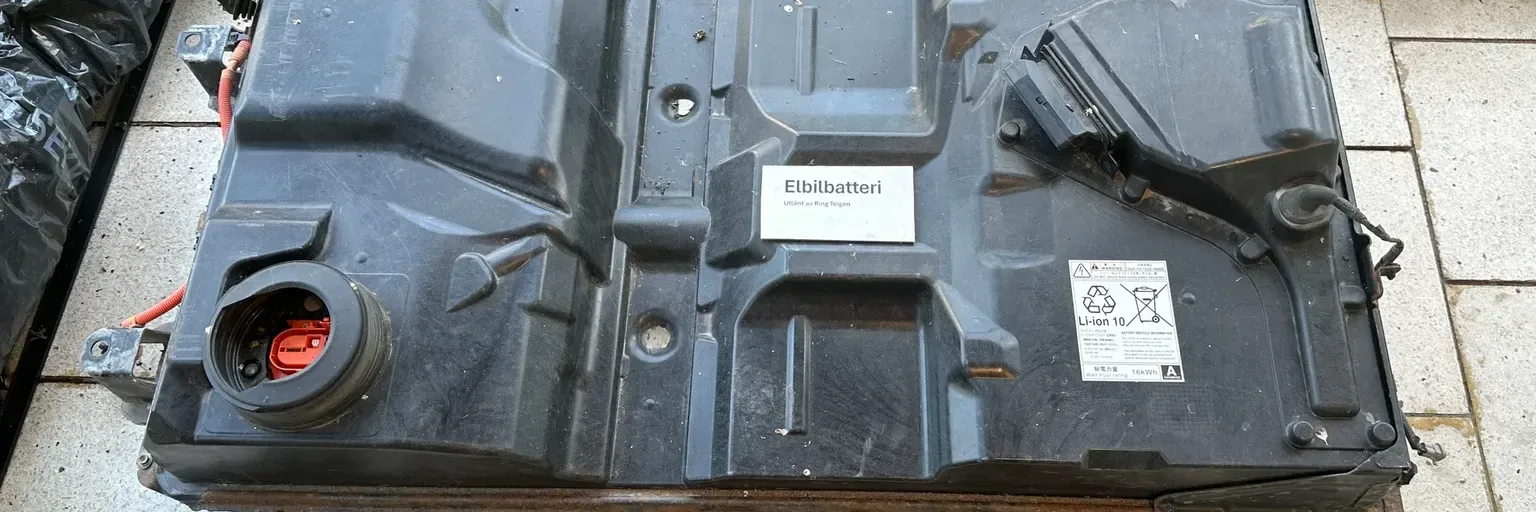
A new dashboard for your 10-year-old car: smart, if done right
Retrofitting a modern digital cockpit can delay buying a new car, but only if installation, compatibility and legality are handled properly and not left to chance.
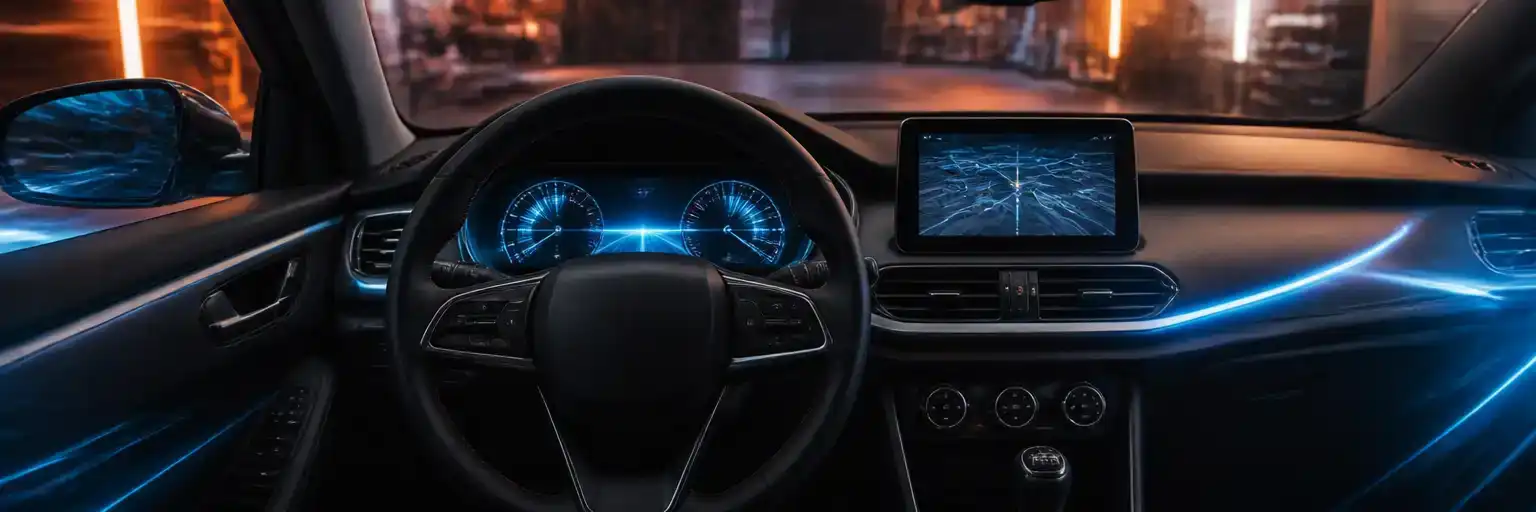
Toyota builds the car, Waymo owns the driver: who wins?
Toyota will assemble Waymo-ready bZ4X robotaxis on its own line. It's a pragmatic deal, but it hands the most valuable layer of the car to someone else.