Drivesfera Newsroom
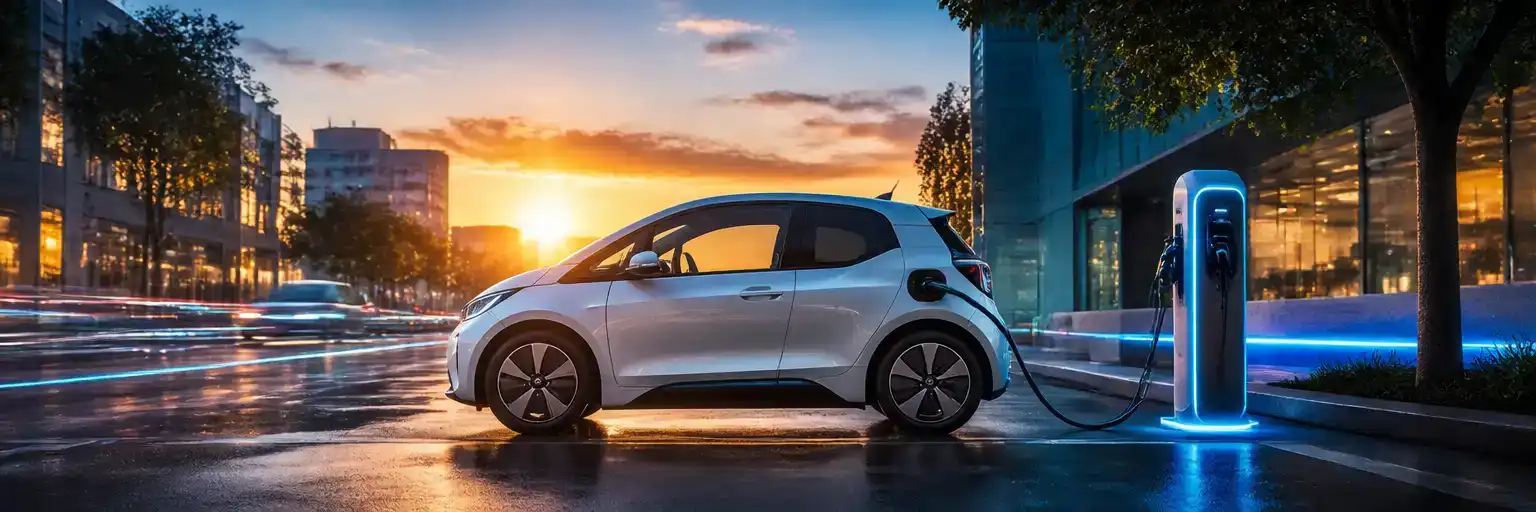
The ID. Polo doesn't need to win spec wars, just Tuesday
VW's small EV only has to be good at ordinary life. Price and real-world charging, not spec-sheet bragging, will decide whether the bet pays off.
VW's small EV only has to be good at ordinary life. Price and real-world charging, not spec-sheet bragging, will decide whether the bet pays off.
Mercedes pulling three big EVs from its German configurator is sensible housekeeping, and a reminder that a luxury EV can look dated far faster than a combustion flagship.
Britain may cut its 2030 EV target from 80% to 60% just as electric cars close in on petrol. In our view, the real damage is the signal: rules that keep moving.
The U9 Xtreme's one-way run proves BYD can win engineering headlines. Whether it builds credible luxury is a separate question, and the answer isn't on that desert road.
A sold-out 2027 silences the critics on demand, but orders placed before anyone has driven the car measure scarcity and brand power, not the quality of Ferrari's first EV.
BYD sold over 300,000 pure EVs in a month for the first time while plug-in hybrids fell 17.23%. It looks like a shift toward full EVs, and rivals should pay attention.
A big electric SUV with optional seven seats from the Volkswagen Group's value brand is the practical answer family buyers have wanted, if they read the lease sheet first.
Brand-value rankings are punishing long-established automakers, but the real lesson isn't "go electric". In our view, it's that a badge without a clear promise is worth less than it was.
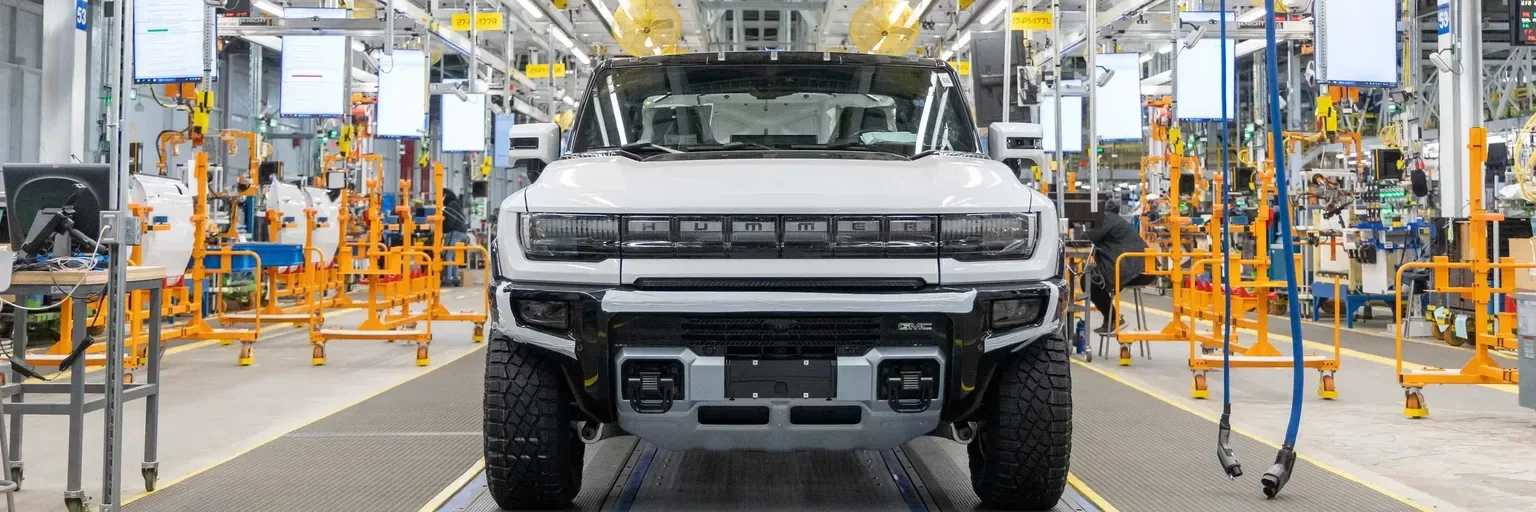
GM's fourth-generation EV platform promises leaner batteries, less wiring and fewer parts. Unless that reaches the window sticker, it's just a better margin story.
Land Rover says building the world's most efficient EV was never the goal for its first electric Range Rover. Refreshing, but buyers will still check range and charging costs.
German reports on US battery tech cite a third more energy and about 20% more range at no extra cost. Until production, cost and durability data show up, it's a claim, not a purchase reason.
Europe up, North America down, China shifting to exports: the headline growth figure hides a split market, and reading it as stagnation misses where EVs are really heading.
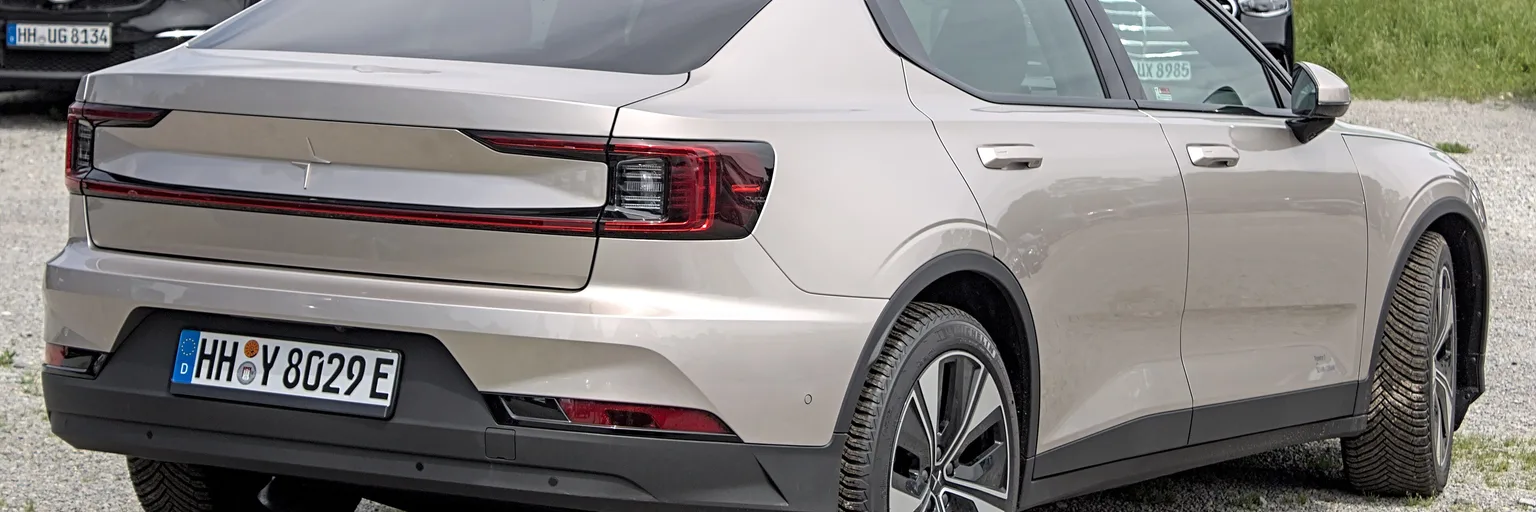
Around 200,000 units later, the Polestar 2 bows out. Its 800V successor can't coast on design: it has to earn its place on charging, software and day-to-day ownership.
Seven electric finalists is a milestone, but a shortlist with no Chinese cars and no hybrids suggests the jury is describing a market that buyers no longer live in.
Geely will unveil a car designed in Milan for European drivers in 2027. It's an admission that adapted Chinese models fall short, and a test of whether "local" means more than a studio address.
A Geotab study of 22,700 EVs puts average degradation at 2.3% a year. The scary headline is really a story about heat and constant DC fast charging.
The UK wants Brussels to treat its electric cars as European. Rules of origin cut both ways, and the label only holds if the batteries are really made nearby.
Jim Farley wants 5 million sales a year by 2032 and fewer dull products. Styling alone won't get Ford there: reliability and sticker prices will decide whether the plan works.
Everyone quotes Norway's near-total electric share of new car sales. The number matters less than the decades of deliberate policy that produced it, and the quiet exit now underway.
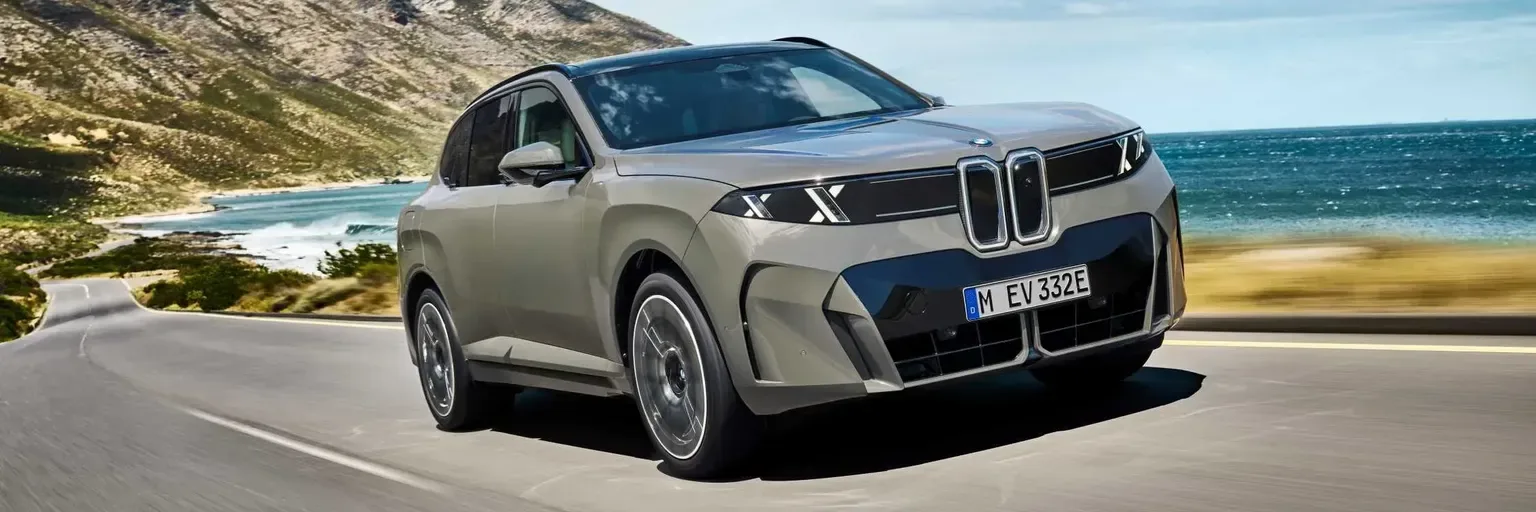
The Neue Klasse sedan out-ranges the Model 3 and drives like a 3 Series should, but a US price BMW hasn't set and its software will decide whether it wins.
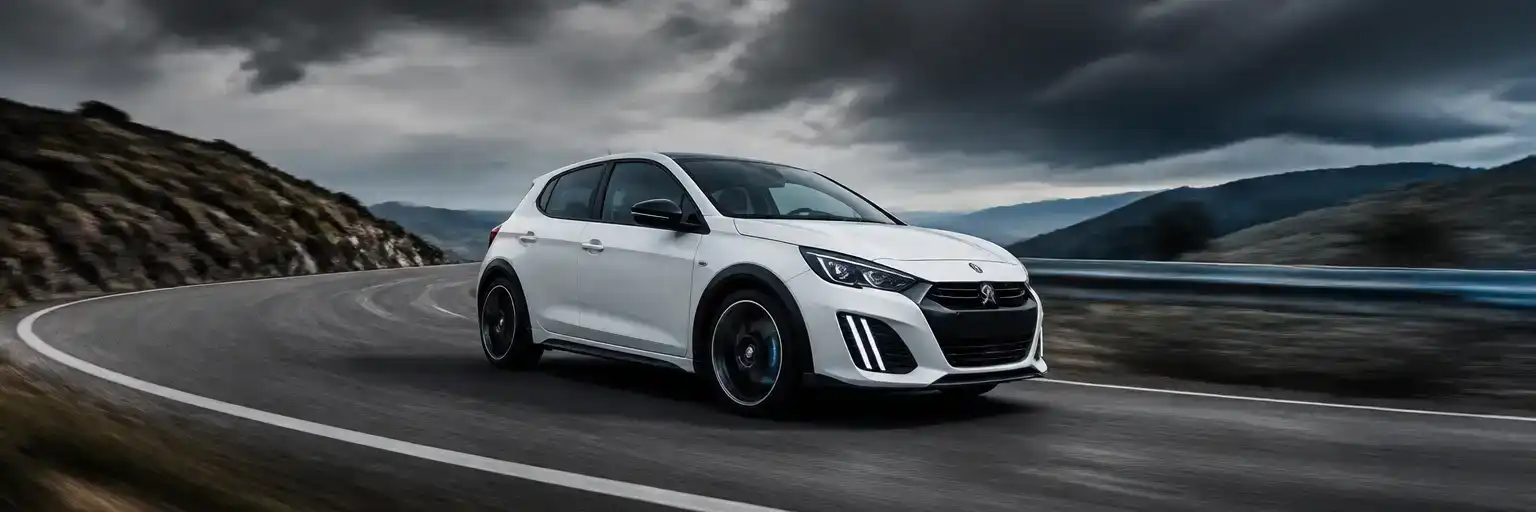
Peugeot's electric hot hatch answers the sacrilege crowd on power and fun. Whether enthusiasts will pay £34,995 for it is a different question.
Two Audi patents put a combustion engine inside an electric car. It's a pragmatic idea, but only if the industry stops pretending an EREV is just an EV with a long range.
Britain's pay-per-mile EV tax could become a template for other countries, but it only works if privacy is airtight, the price per mile is transparent and early adopters aren't punished.
Volkswagen's Q3 loss is inflated by one-off charges, yet the CFO's admission that EVs earn less than combustion cars is the line that matters most.
A 25% smaller EV loss suggests Ford's electric bet is fixable, but its truck and combustion profits are still paying for a transition with no cheap hit yet.
April 2027's VED rise is a routine inflation uprating, but with eVED arriving in 2028, buyers choosing between EVs and petrol need stable rules more than a low rate.
A UK analysis of 47.4 million inspections suggests high-mileage EVs fail less often than petrol cars. The mileage fear looks like the wrong number to worry about.
A 1,000 km range promise tells you little until it's tested on real roads. Charging speed and price decide whether a battery matters to buyers.
Renault is reportedly trading a flood of launches for better existing EVs. It's a buyer-friendly bet on Chinese competition, but only if the updates are real and prices stay sharp.
Dropping the EV-only 2030 goal says less about a petrol revival than about ultra-luxury buyers who want silence and choice, and a pledge that was always a marketing line.
Hyundai is right to chase engagement in EVs, but a simulated gearbox only deserves respect if it adds something real, not just theater on top of a quicker car.
Rivian jumped from 10th to second among US EV brands, but the vans did the heavy lifting while the R1 faded. The US market's real signal is less flattering.
Weakening the 2030 ZEV target would hit buyers who already save money with EVs and reward laggard carmakers. Stable rules matter more than generous incentives.
BYD's 2027 solid-state target looks credible as a milestone, but with no model, price or volume named, nobody should pause an EV purchase over it.
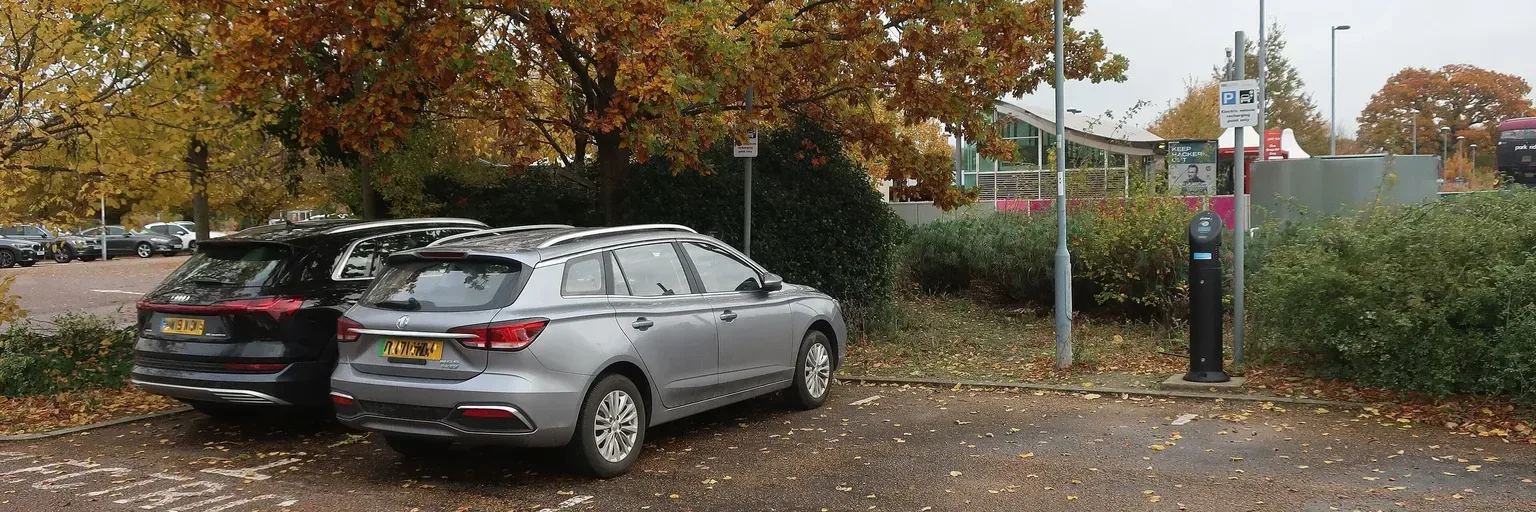
BYD's Flash Charging promises a 10%-70% charge in five minutes, but until Europe has chargers and grid capacity to match, it's a showpiece rather than a daily benefit.
Stellantis' pivot to 24 full hybrids by 2030 shows realism after years of zigzagging on EVs, but it risks arriving late. Buyers should wait for real efficiency numbers.
The iX5's 363 km in 10 minutes is a bigger deal than its 845 km range, but only if the chargers you can actually find deliver a curve close to the demo.
A Chinese discount of about 40%, if it holds, exposes a Western defense built on tariffs and brand loyalty that is thinner than it looks.
Stellantis' first annual operating loss is being read as proof EVs failed. We think it proves something else: years of whiplash cost far more than any single technology bet.
The Torcal First Edition suggests luxury buyers want spectacle and silence together, but horsepower is the easy part: making electric feel like Bentley is the hard one.