Drivesfera Newsroom
The ID. Polo doesn't need to win spec wars, just Tuesday
VW's small EV only has to be good at ordinary life. Price and real-world charging, not spec-sheet bragging, will decide whether the bet pays off.
VW's small EV only has to be good at ordinary life. Price and real-world charging, not spec-sheet bragging, will decide whether the bet pays off.
The second-generation Spring starts at €17,900 with up to 250 km of range. The price is great, but the real test is what a buyer pays after options and incentives.
Mercedes pulling three big EVs from its German configurator is sensible housekeeping, and a reminder that a luxury EV can look dated far faster than a combustion flagship.
A 300,000 km Mercedes EQS reportedly needs a battery, and the quote is for a non-new pack. Luxury EVs need transparent replacement pricing, and used buyers should price it in.
A sold-out 2027 silences the critics on demand, but orders placed before anyone has driven the car measure scarcity and brand power, not the quality of Ferrari's first EV.
Record EV numbers in Germany reward price and choice, and Chinese brands are riding the wave. But the real test comes when the subsidy money runs out.
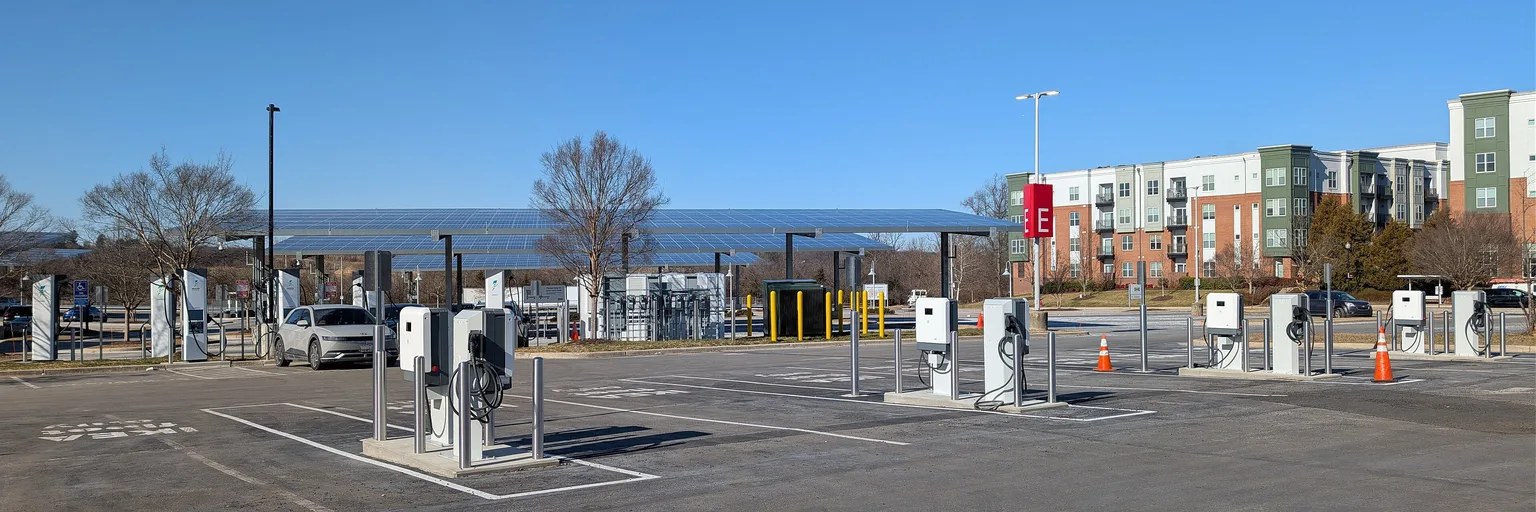
Handing 47 fast-charging stations to Electra isn't a retreat from EVs. It's a sober admission that charging is a utility business, and that partnering beats building.
A big electric SUV with optional seven seats from the Volkswagen Group's value brand is the practical answer family buyers have wanted, if they read the lease sheet first.
GM's fourth-generation EV platform promises leaner batteries, less wiring and fewer parts. Unless that reaches the window sticker, it's just a better margin story.
A used Taycan GTS owner says Porsche wants to withdraw his battery warranty over a 5 mm deformation. Used-EV buyers need warranty terms that are clear, standard and checkable.
Land Rover says building the world's most efficient EV was never the goal for its first electric Range Rover. Refreshing, but buyers will still check range and charging costs.
Europe up, North America down, China shifting to exports: the headline growth figure hides a split market, and reading it as stagnation misses where EVs are really heading.
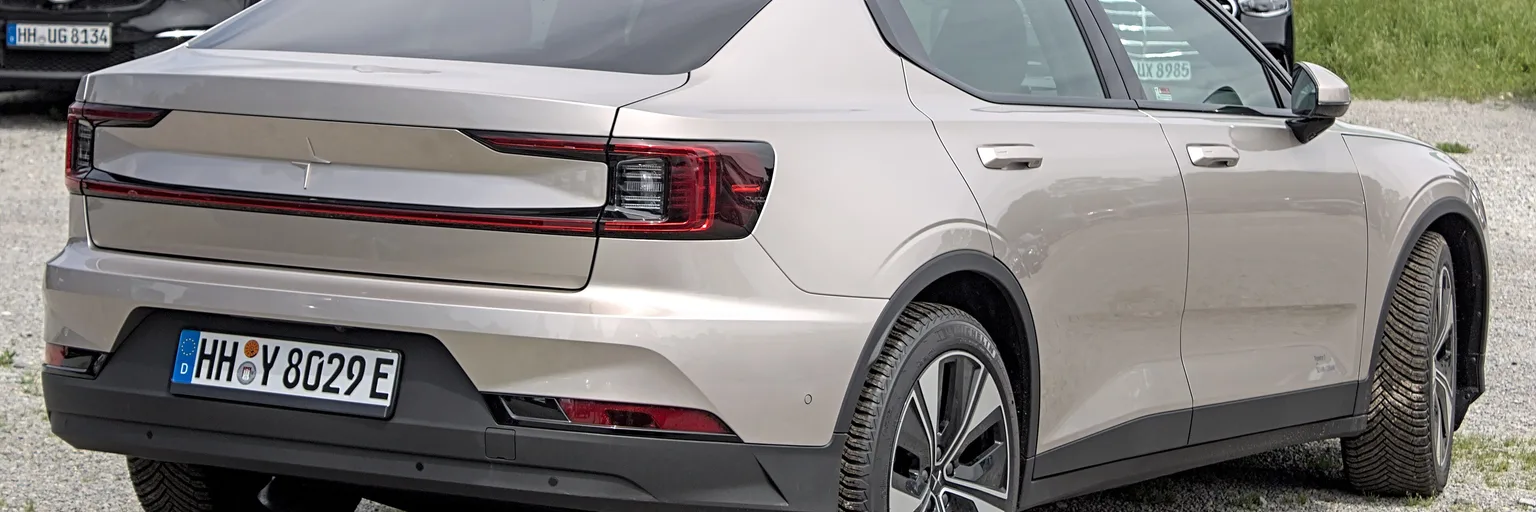
Around 200,000 units later, the Polestar 2 bows out. Its 800V successor can't coast on design: it has to earn its place on charging, software and day-to-day ownership.
Li Auto's first European EV has a shape nobody else sells, but quirky styling gets a test drive, not a signature. Price, charging and service decide the rest.
The L05 is cheap in China and probably won't be in Germany. The gap between those two prices, not the flag on the grille, is what European brands should worry about.
Seven electric finalists is a milestone, but a shortlist with no Chinese cars and no hybrids suggests the jury is describing a market that buyers no longer live in.
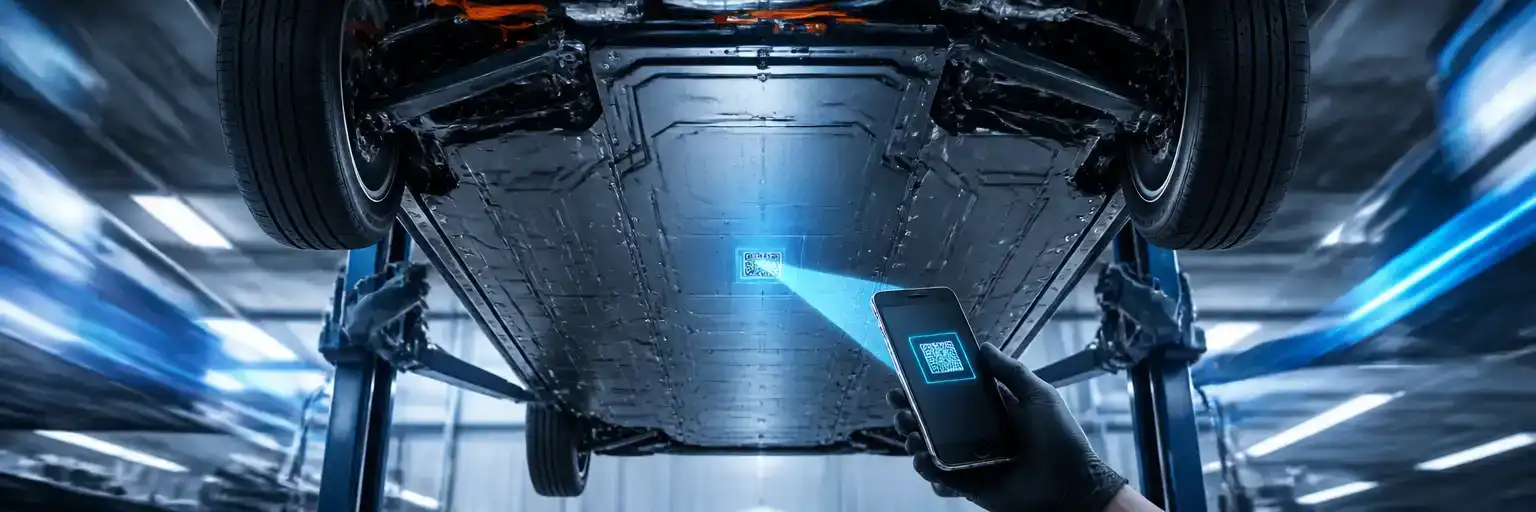
From February 18, 2027, EV batteries in the EU get a QR-linked digital record. Whether used-car buyers benefit depends on open, standardized, enforced data.
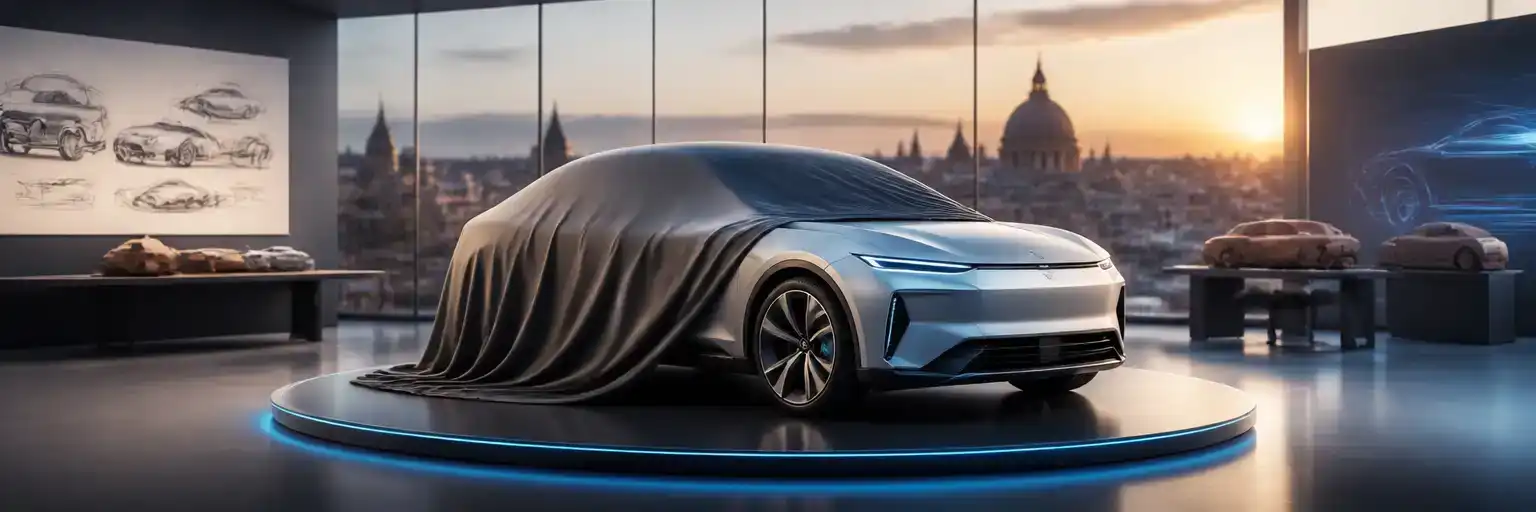
Geely will unveil a car designed in Milan for European drivers in 2027. It's an admission that adapted Chinese models fall short, and a test of whether "local" means more than a studio address.
A Geotab study of 22,700 EVs puts average degradation at 2.3% a year. The scary headline is really a story about heat and constant DC fast charging.
Cutting power and range to bring the Epiq Easy 35 down to €25,900 in Germany is smart. The harder job is proving the base model isn't just a price tag to pull buyers into the showroom.