Stellantis’ PureTech Apology Is Only the Start of Rebuilding Trust
Antonio Filosa has acknowledged the PureTech damage, but Stellantis will regain credibility only when compensation rules and repairs become easy to verify.
Photo: Peugeot / sala de prensa (uso editorial)
A CEO apology is usually cheap. In Stellantis’ case, it may be necessary—but it is nowhere near sufficient. Antonio Filosa’s public apology to customers affected by the 1.2-liter PureTech engine matters because the controversy has grown beyond a mechanical failure. It is now a credibility problem: owners want to know whether the company will stand behind the products it sold, not whether its new leadership can deliver a polished speech.
As Motorpasión reports, Filosa apologized during an interview connected with the Paris Motor Show and said Stellantis had improved quality by approximately 30% since the beginning of 2026. The company has also created about 100 “quality war rooms” in Europe and North America, bringing engineers, suppliers and factory representatives together daily.
Those are meaningful signals of a changed tone. But owners do not experience quality through organizational charts or percentages with no published measurement behind them. They experience it through a vehicle that starts, a repair that is covered and a claim that does not become a bureaucratic endurance test.
An apology recognizes the problem; eligibility rules solve the trust problem
The most important word for PureTech owners is not “sorry.” It is “eligible.”
Stellantis has an official PureTech Compensation Platform that says the company has extended its policy for compensation claims by European consumers involving previous generations of PureTech 1.0- and 1.2-liter engines. That is a concrete step, but the existence of a platform is not the same thing as a transparent remedy.
In our view, a credible program must make its boundaries understandable before an owner commits time and money. Which vehicles qualify? Which failures qualify? What documentation is required? How are maintenance histories assessed? How long should a decision take? The provided information does not answer those questions, and that gap is precisely where distrust survives.
A customer who believes the rules are hidden will interpret every rejection as evidence that the apology was public relations rather than accountability. Stellantis does not need to promise that every claim will be paid. It needs to make the logic of every decision visible and consistent.
“30% better” is not proof until Stellantis explains the measurement
Filosa’s claim of an approximately 30% improvement in quality since the beginning of 2026 sounds encouraging, but it is too vague to carry the burden placed on it. As ItalPassion notes, the CEO did not specify which metrics produced that figure.
That omission matters. A quality percentage can describe fewer warranty claims, faster factory corrections, fewer roadside failures or something else entirely. Those measures are not interchangeable. Without a definition, the figure is a corporate signal, not an independently useful benchmark.
The same applies to the approximately 100 quality teams. We think the “war room” model could be valuable if it turns field failures into rapid engineering action. But process is not performance. Stellantis should publish enough information to show whether these teams are reducing repeat failures, shortening repair timelines and improving outcomes for owners—not merely meeting more often.
This is where the company’s language needs to become less defensive and more technical. Trust is rebuilt when customers can compare promises with results over time. A dashboard of claim volumes, resolution times and repeat repairs would be more persuasive than another broad assurance that quality is now a priority.
A new engine is a promise until its engineering is clear
One report says Stellantis has introduced a new, more reliable engine, but the documentation does not provide enough technical detail to establish which design changes address the PureTech failures. It also does not explain how coverage would apply if an engine needs replacement.
That is not a minor communications issue. Replacing an engine can solve one owner’s immediate crisis while leaving the wider question unanswered: what changed, and why should customers believe the underlying failure mode will not return? A repair campaign that cannot explain its engineering rationale may quiet complaints temporarily, but it will not restore confidence.
The same standard should apply to compensation. Faster reimbursement would help, especially for owners who already paid to keep their vehicles on the road. Yet speed without clear eligibility can look arbitrary, while broad eligibility without a workable claims process can become symbolic. Stellantis needs both: rules owners can understand and decisions made quickly enough to matter.
There is also a strategic reason to get this right. Filosa is trying to draw a line between his leadership and the previous era, while Stellantis presents new products and a future focused on quality, affordability and new technology. Motorpasión reports that Filosa took over as CEO in 2025 and has framed the company’s corrective effort around products and quality. That reset cannot be reserved for future buyers. Existing owners are the first audience for the new Stellantis.
The verdict is straightforward: Filosa’s apology is a welcome opening, and the company’s compensation platform and quality teams are better than silence. But Stellantis should stop asking customers to trust intentions. It should publish the rules, accelerate decisions and demonstrate—with defined, repeatable data—that its remedies solve the failures they are meant to solve. In our view, the apology is significant but incomplete.
No topics yet: start the first one.
More stories
Hongqi’s Italy launch is a trust test, not a price war
Hongqi brings two gasoline SUVs to Italy, but its real challenge is turning state prestige and generous equipment into a luxury brand Europeans trust.

CATL Is Still the Battery Leader. That Is No Longer Enough
CATL’s slowing profit growth exposes the harder phase of China’s battery race: scale still wins contracts, but price pressure now tests the entire business model.
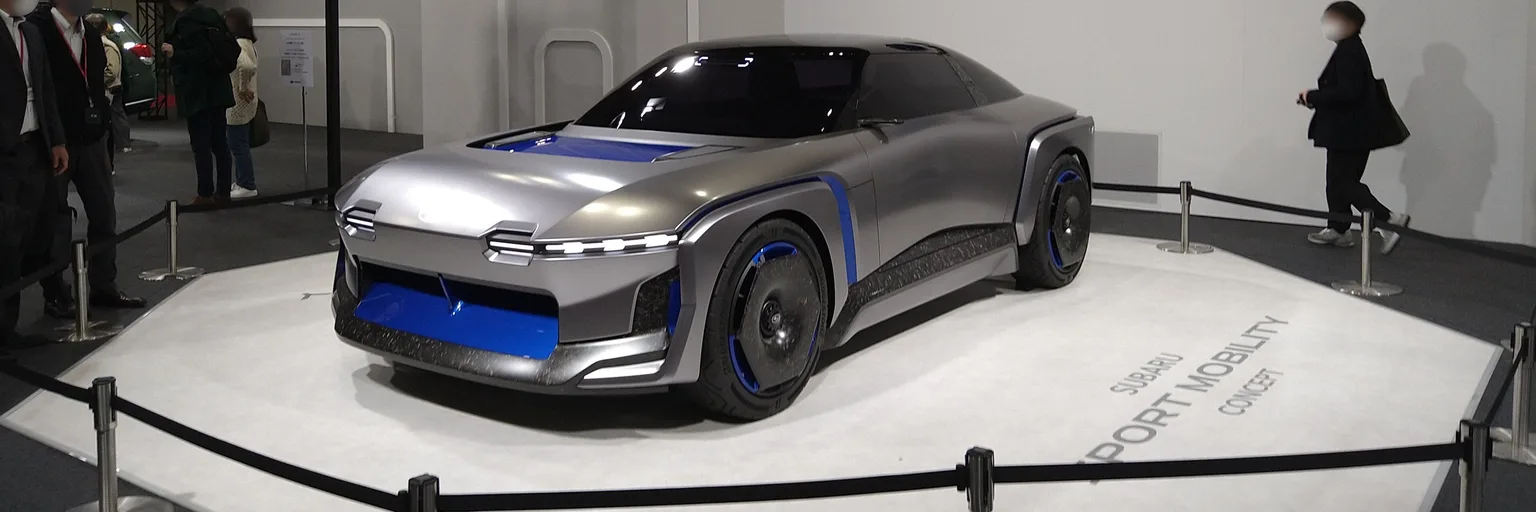
Subaru’s 510-HP EV Is Really a Race Against the Calendar
Subaru’s electric prototype matters less for its power than for the faster development model behind it—and the independence it seeks from Toyota.
Oil Giants' Crossroads: ExxonMobil vs. Chevron in a Volatile 2026
As geopolitical tensions fuel short-term gains for oil stocks, ExxonMobil and Chevron navigate a market shaped by conflict, rising prices, and the undeniable long-term shift away from fossil fuels.