Why Retrofitting Won't Drive Mass EV Adoption in France
Despite its intriguing potential for decarbonization and extending vehicle lifespan, the significant cost and range limitations of retrofitted vehicles, alongside France's complex regulatory hurdles, mean this electrification path will remain a niche solution rather than a mass-market accelerator.
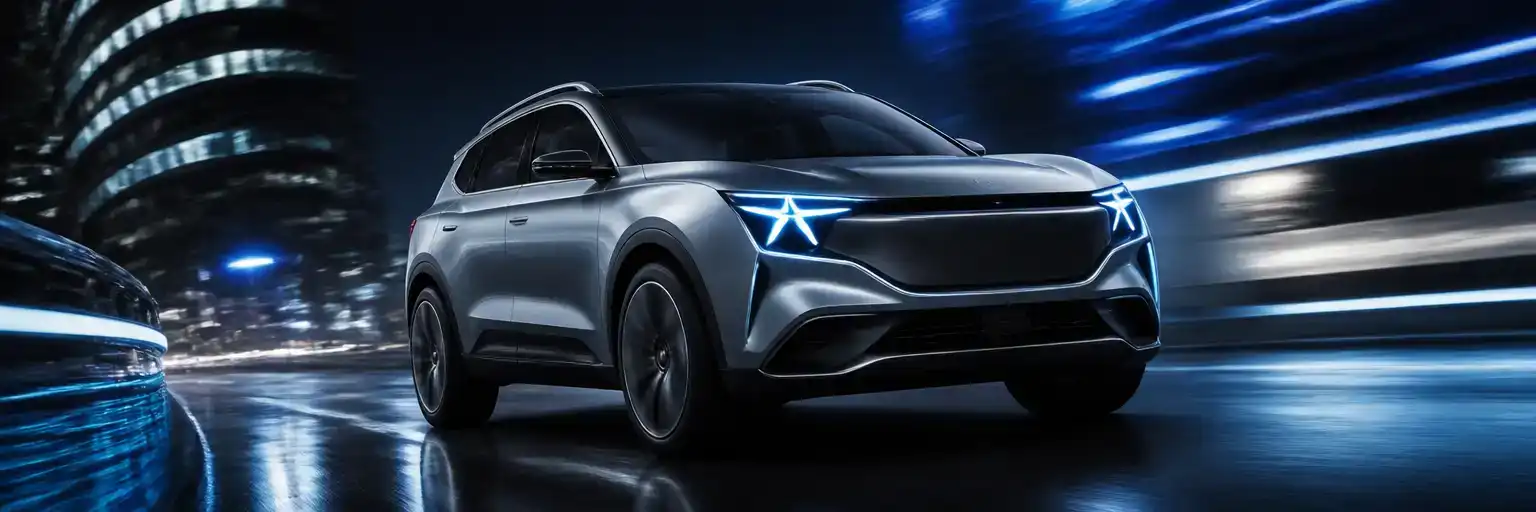
AI-generated image
Is retrofitting combustion cars with electric motors the unsung hero for accelerating EV adoption, or is it destined to remain a specialized sideline? In France, where the legal framework for this transformation has been in place for years, the reality points strongly towards the latter. While the concept of giving older vehicles a new, cleaner life is compelling, its inherent limitations suggest it will not be the primary driver of the electric transition.
France was a trailblazer in this field, officially authorizing retrofitting in April 2020, allowing the replacement of a thermal engine with an electric one as reported by aster-fab.com. This move was celebrated as an opportunity for decarbonization and a step towards a circular economy, extending the life of existing vehicles. However, despite this early regulatory embrace, the path to widespread adoption is fraught with significant economic and practical challenges.
The Allure of a Second Life for Combustion Cars
The promise of retrofitting is undeniably attractive. From an environmental standpoint, it offers a tangible way to reduce CO2 and pollutant emissions from the existing car fleet according to the French Ministry of Ecological Transition. It's a vision of sustainability, giving vehicles a second life rather than sending them to end-of-life centers. Beyond passenger cars, retrofitting has shown significant potential in specific corporate and industrial applications, such as converting 44-ton diesel trucks for commercial logistics or electrifying airport ramp equipment like baggage trolleys and runway trucks.
For consumers, the idea of keeping a beloved vehicle while benefiting from the lower running costs and high reliability of an electric powertrain holds appeal. The revaluation of removed mechanical elements like the engine, gearbox, and clutch also aligns with circular economy principles. France's proactive stance in creating a regulatory framework, requiring vehicles to be more than five years old and for the transformation to be approved for each model, aimed to provide clarity and safety for this nascent industry.
The High Cost of Conversion and Range Anxiety
However, the dream of a widely retrofitted fleet quickly runs into financial and technical walls. The average cost for an approved electric retrofit for a common passenger vehicle typically ranges between 12,000 and 20,000 euros as detailed by joinsteer.com, with smaller city cars starting around 10,000 euros per izi-by-edf.fr. While state subsidies can offer up to 5,000 euros, the net cost remains substantial for many consumers. This price point often approaches or even exceeds the cost of a new, more affordable electric vehicle, especially as European regulations push manufacturers towards producing smaller, cheaper EVs like the ë-C3, Panda, and electric Twingo.
Beyond cost, the technical limitations are equally challenging. Retrofitted cars often suffer from a significantly reduced driving range, typically peaking at 120 to 200 km. This range anxiety, coupled with the rigorous safety tests required for roadworthiness, makes retrofitting a less practical option for many daily drivers who need greater flexibility. When considering the lifespan of other components in an older car, the economic argument for such a costly conversion becomes even weaker, as maintenance expenses for the rest of the vehicle might quickly negate the benefits.
Regulatory Complexity and a Niche Future
Despite France being a forerunner in establishing retrofit regulations, the process remains notoriously complex according to fuel2electric.com. The requirement for individual model approval creates a significant bottleneck, preventing the rapid scaling needed for mass adoption. Each specific vehicle model needs to go through an approval process to validate its electric conversion, which is a resource-intensive endeavor for retrofitting companies.
This regulatory hurdle, combined with the economic and technical limitations, suggests that retrofitting will remain a niche solution. It’s highly relevant for specialized applications like industrial fleets, specific public transport vehicles, or even classic car enthusiasts who wish to preserve the aesthetic of their vintage vehicles while modernizing their powertrains. For the average consumer looking to switch to an EV, however, the growing market of new, purpose-built electric cars that offer greater range, modern features, and often more competitive pricing (especially with incentives) presents a more straightforward and appealing option.
Ultimately, while retrofitting offers a valuable, sustainable alternative for particular segments, it is unlikely to become a mass-market accelerator for EV adoption. The broader drive towards electrification will continue to be fueled by the development and increasing affordability of new electric vehicles, supported by a cohesive European regulatory framework.
No topics yet: start the first one.
More stories
China's EV Wave: Why XPeng and Geely Are Redefining Spain's Electric Future
The assertive entry of XPeng L03 PowerX and Geely E2 is shaking up the Spanish electric vehicle market, introducing compelling long-range options that directly challenge established European offerings and set new expectations for accessible electric mobility.
Renault's 1,400 km EV Vision: A Bold Leap or Extended Ambition?
Renault's aggressive 2028 electric vehicle strategy, targeting an astounding 1,400 km range and ultra-fast charging, promises to shatter range anxiety and redefine long-distance EV travel, but the role of range extenders will be critical.
Volvo's 100-Mile PHEVs: The Electric Bridge We Actually Needed
Volvo's ambitious push for plug-in hybrids offering up to 100 miles of electric range fundamentally redefines their utility, making them a compelling, practical choice for a broader spectrum of drivers.

AMG's Electric SUV is the Future of Performance, Like it or Not
Mercedes-AMG's unwavering commitment to a dedicated electric high-performance SUV signals a profound shift in the premium automotive landscape, redefining what 'performance' means for the EV era.