Ceer Exobot: Saudi Arabia's audacious electric gamble demands a global rethink
Saudi Arabia’s new luxury EV brand, Ceer, makes a bold statement with its high-performance Exobot models, yet its ambition to redefine automotive manufacturing faces steep challenges in brand perception and scaling production.
Photo: BMW Group / sala de prensa (uso editorial)
Saudi Arabia, a nation synonymous with oil, is making an audacious pivot towards electric vehicles with the unveiling of Ceer, its first homegrown luxury EV brand. The launch of the Exobot sedan and SUV is more than just a new car reveal; it’s a powerful statement of intent, signaling the Kingdom's determination to become a significant player in the global automotive sector as part of its ambitious Vision 2030. But does sheer ambition, backed by substantial investment, automatically translate into success in a fiercely competitive and rapidly evolving market?
Ceer, a joint venture between Saudi Arabia’s Public Investment Fund (PIF) and Taiwanese electronics giant Foxconn, has burst onto the scene with vehicles designed to turn heads and challenge preconceptions. The Exobot sedan and SUV feature a dramatic wedge shape, with thin lighting and expansive gullwing doors. These are not merely functional; the 'Shahin Wing Doors,' for instance, boast glass panels that can switch between tinted and opaque at the touch of a button, a dramatic flourish overseen by former McLaren designer Rob Melville. The lighting itself is distinctive, with LED lines disrupted by 32 vertical LED dashes, referencing 1932, the year Saudi Arabia became a kingdom. The sedan, at 207.1 inches long, is comparable in length to an Audi A8 but is notably wider and lower, while the SUV is slightly shorter but taller. Both models are further distinguished by a massive 94.5-inch windshield, which Ceer claims is the largest ever produced.
Underneath this striking design, the Exobot First Edition models pack serious performance. They feature a tri-motor all-wheel-drive system delivering 850 horsepower and 738 pound-feet of torque. This enables the sedan to accelerate from 0-62 mph in just 2.6 seconds, with the SUV following closely at 2.9 seconds. Power comes from a 112-kWh battery pack, utilizing an 800-volt architecture that allows for a 10-80 percent charge in under 30 minutes at a maximum rate of 250 kW. Ceer quotes an NEDC range of 416 miles for the sedan and 348 miles for the SUV, though it's worth noting the NEDC testing cycle typically yields more optimistic figures than other standards. The vehicles also incorporate advanced chassis technologies like air suspension, rear-wheel steering, and steer-by-wire, contributing to both agility and ride comfort.
Inside, luxury and technology converge. A colossal 48-inch 8K curved display, branded as the 'Digital Horizon,' stretches from pillar to pillar across the dashboard, complemented by a 10.4-inch central touchscreen and an 8.0-inch screen for rear passengers. The cabin also features a yoke-style steering wheel, premium Red & Black Nappa leather with debossed headrests, and seats developed in collaboration with SABELT.
More Than Just a Car: A National Ambition
The launch of Ceer is deeply intertwined with Saudi Arabia's Vision 2030, a comprehensive roadmap aimed at diversifying the Kingdom's economy away from its traditional reliance on oil. Ceer, as the nation's first homegrown car brand, is projected to attract over $150 million in foreign investment and create up to 35,000 direct and indirect job opportunities. By 2034, Ceer Motors is expected to contribute $8 billion to Saudi Arabia's GDP. This move is part of a broader national strategy to boost the manufacturing sector's contribution to GDP from approximately 13 percent to 18-20 percent by 2030, with a target of producing 300,000 vehicles annually.
To achieve this, Saudi Arabia is leveraging significant advantages, including energy cost competitiveness, a strategic geographic location between Asian and European markets, and robust government industrial policy backed by substantial capital deployment and incentives. The Kingdom has also attracted other major players like Lucid Motors and Hyundai to establish production facilities, creating an emerging EV manufacturing hub. Ceer plans to build its vehicles at a new manufacturing complex in King Abdullah Economic City, with production slated to begin in January 2027 and deliveries starting in March of the same year. The company has ambitious plans to expand its lineup to seven models by 2030, including compact and mid-size vehicles.
The Challenge of Legitimacy and Global Reach
While the financial backing and governmental support are undeniable, Ceer faces a steep climb in establishing itself as a credible global automotive brand. The company is a blend of international expertise, licensing component technology from BMW, with Foxconn developing the electrical architecture, and Hyundai Transys supplying integrated electric drive systems. This collaboration ensures a high technical standard, but the challenge lies in transforming a nation historically known for oil into a perceived leader in automotive innovation and luxury.
For a brand to succeed in the premium segment, it needs more than just impressive specifications; it requires a compelling narrative, strong brand equity, and a proven track record of reliability and after-sales service. Ceer's 'Companion Package,' which aims to blend proactive service with Saudi tradition, is a step in this direction, but building trust and global recognition will take time and consistent effort. While Saudi Arabia is the immediate priority, with expansion planned across the GCC by the first half of 2028, penetrating mature markets in Europe or North America will require overcoming deeply entrenched brand loyalties and consumer perceptions. The stated goal for these vehicles to meet global standards provides flexibility, but the ultimate success will depend on how effectively Ceer can articulate its unique value proposition beyond sheer power and dramatic styling, proving that Saudi Arabia's audacious electric gamble is indeed a global game-changer rather than a regional curiosity.
No topics yet: start the first one.
More stories
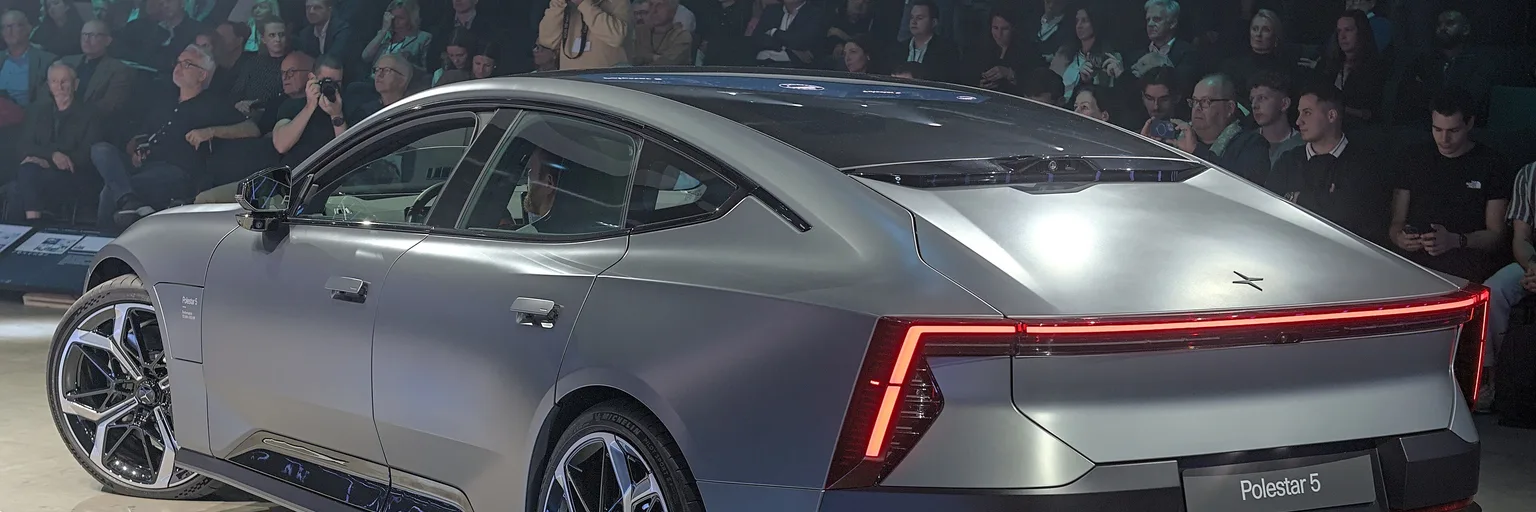
Polestar 5: Redefining Electric GTs with Performance and Purpose
The Polestar 5's official unveiling positions it as a significant contender in the luxury EV grand tourer segment, challenging established players with its emphasis on performance, distinctive design, and a strong commitment to sustainability.
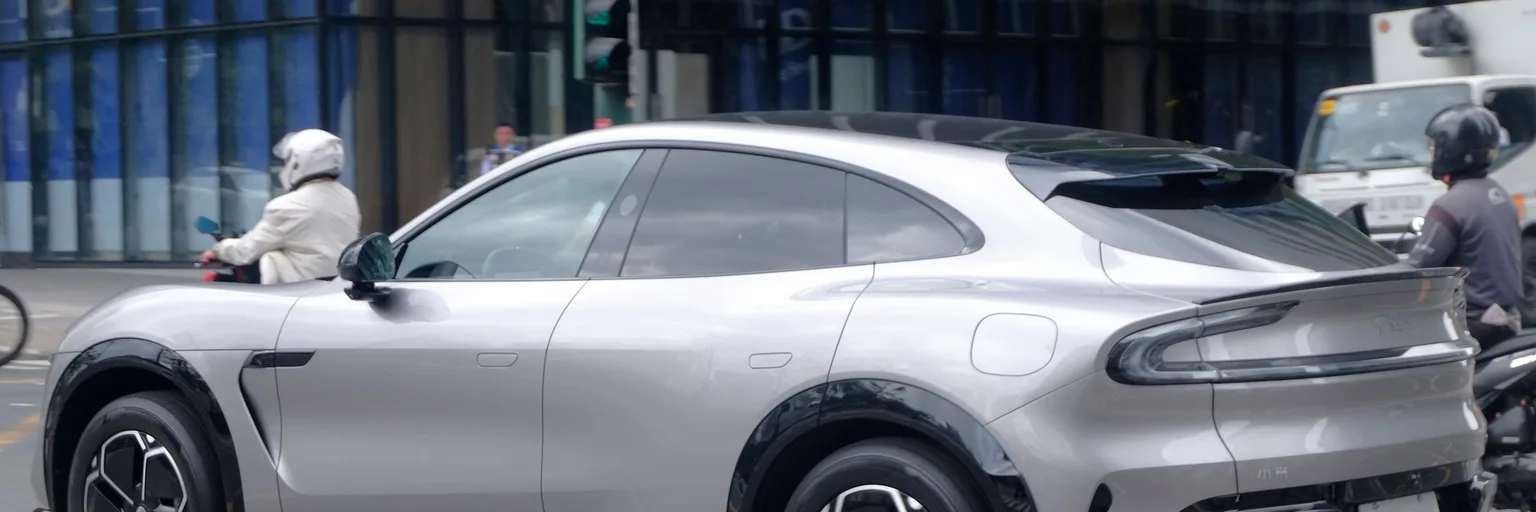
Xiaomi YU7 vs. Tesla's Rumored Compact SUV: The Battle for Accessible EVs
As Xiaomi prepares its YU7 SUV for Europe and Tesla reportedly develops an affordable compact SUV, the accessible electric vehicle market faces a transformative shift, pressuring traditional automakers.
Africa's EV Leap: A Continent Rewriting the Automotive Future
The African Union's bold strategy for electric mobility promises a transformative era for sustainable development and industrial growth, challenging traditional automotive paradigms and opening new global partnership avenues.
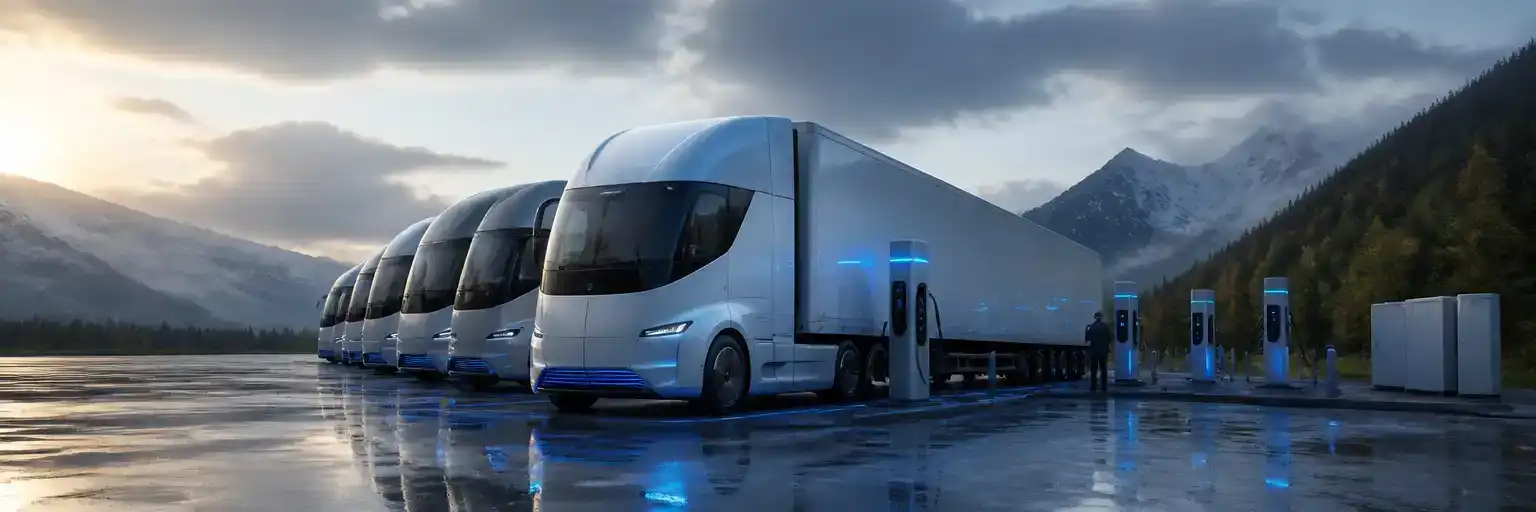
VoltFracht Exposes Europe's Charging Dead Zones: A Harsh Reality Check
A new simulation game designed around real European charging station data inadvertently highlights critical gaps in the continent's electric truck infrastructure, offering invaluable insights for policymakers and industry.