XPENG's Open Platform Gambit: Redefining the EV Race?
By opening its vehicle platforms, software, and chips, XPENG challenges traditional EV development, aiming to accelerate innovation and intensify competition across the global automotive landscape.
Photo: XPENG / sala de prensa (uso editorial)
Will the future of intelligent electric vehicles be defined by closed ecosystems, or is a new era of open collaboration on the horizon? XPENG, a prominent Chinese EV manufacturer, is making a compelling case for the latter, announcing plans to offer its cutting-edge vehicle platforms, EV software, chips, and vehicle systems to automakers worldwide, as Reuters reports. This isn't merely a strategic pivot; it’s a bold gambit that could fundamentally reshape how electric cars are conceived, developed, and brought to market, potentially accelerating EV innovation or escalating competition with established players.
This move extends XPENG's existing partnership with the Volkswagen Group, a collaboration that saw the German giant announce an investment of $700 million for a 4.99% stake in July 2023, followed by a technology cooperation agreement for platform and software development in February 2024, as detailed on Wikipedia. Now, XPENG aims to broaden this collaborative model, inviting other manufacturers to leverage its proprietary technology stack.
The Volkswagen Precedent Validates the Platform's Strength
The existing relationship with Volkswagen isn't just a footnote; it's a significant endorsement of XPENG's technological prowess. For a traditional automotive powerhouse like Volkswagen to not only invest heavily but also to partner on core platform and software development speaks volumes about the maturity and capability of XPENG's offerings. This partnership demonstrates that XPENG isn't just an emerging EV player; it’s a legitimate technology provider capable of meeting the rigorous demands of established global automakers. The ability to integrate full-stack advanced driver-assistance systems (ADAS) and intelligent operating systems, which XPENG develops in-house, is a significant draw, especially for companies looking to quickly scale their EV portfolios without incurring massive, redundant R&D costs.
Beyond Hardware: The Software-Defined Advantage
What XPENG is offering extends far beyond a basic chassis. The company describes itself as an "AI mobility technology company," and this is crucial to understanding its value proposition. Its proprietary AI architecture integrates cloud, vehicle, computing power, and hardware, underpinned by highly integrated central computing and zonal control architecture. This approach enables deep hardware-software synergy throughout the vehicle, a cornerstone of the modern "software-defined vehicle" paradigm. XPENG aims to roll out mass-produced L4-level autonomous driving vehicles by 2026 and has begun the global adaptation of its NGP (Navigation Guided Pilot) smart driving system, targeting top-class smart driving experiences by the fourth quarter of 2026, as reported on its pressroom in September 2025. This focus on intelligent driving systems and in-car operating systems is where the real competitive edge lies, providing a shortcut for other manufacturers to integrate advanced AI capabilities into their vehicles.
A New Blueprint for EV Development
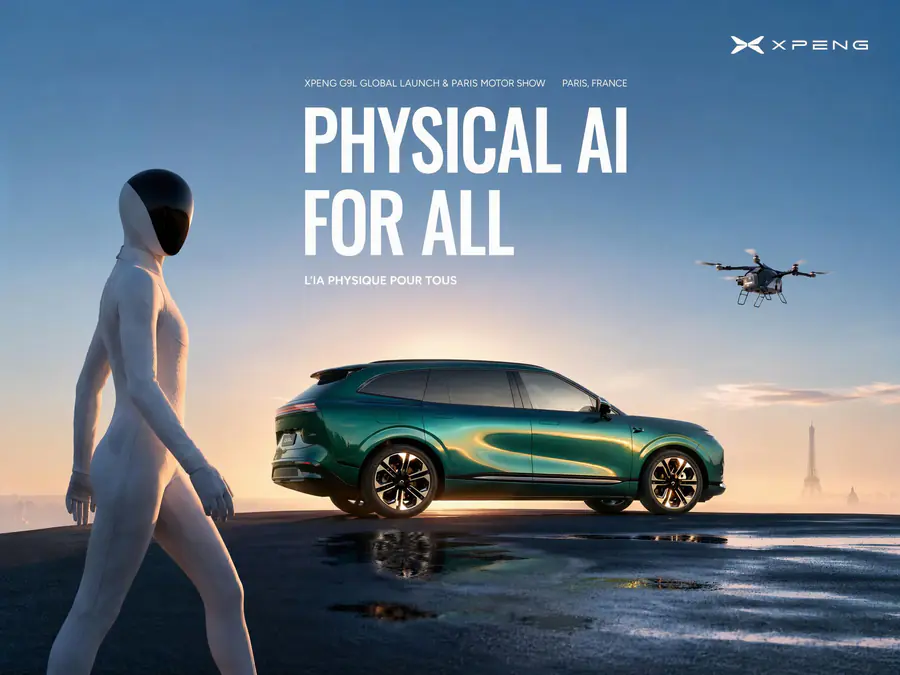
XPENG's open platform strategy challenges the long-held industry model of vertical integration, where automakers develop nearly every component in-house. Instead, it proposes a horizontal model, akin to how smartphone manufacturers leverage operating systems and chip designs from companies like Google and Qualcomm. This could democratize access to advanced EV technology, enabling smaller companies or those late to the EV transition to accelerate their development cycles significantly. It lowers the barrier to entry for intelligent EV production, potentially leading to a more diverse and innovative EV market. However, this approach also means XPENG will be arming its potential competitors, a calculated risk that reflects confidence in its core technological leadership and its ability to rapidly iterate and improve.
Global Ambitions Fueling the Open Strategy
This open platform approach aligns with XPENG's aggressive global expansion. The company has been making significant inroads into European markets, opening its first European R&D center in Munich in September 2025 and establishing partnerships in Spain, Portugal, and the UK. Its CEO, He Xiaopeng, has also expressed readiness to enter the U.S. market when political conditions allow, as reported by WardsAuto in July 2026. Offering its technology globally is not just about revenue generation; it's about establishing XPENG as a foundational technology provider in the global EV ecosystem. The company delivered 429,445 vehicles in 2025, with a substantial increase in overseas sales, and recorded its first positive quarterly net profit in Q4 2025, according to XPENG's company information. This growth trajectory and global footprint suggest a company poised to scale its influence not just as a car manufacturer, but as a technology enabler.
In our view, XPENG's decision to open its technology platform is a shrewd move that could redefine competition in the EV space. By becoming a technology backbone for other automakers, XPENG can leverage its substantial R&D investments across a broader market, accelerating global EV adoption. While it presents a risk by empowering potential rivals, it also positions XPENG as an indispensable partner in the era of software-defined vehicles, solidifying its place not just as an an EV brand, but as a crucial innovator in AI mobility.
No topics yet: start the first one.
More stories
Hyundai's European Pivot: Design and Diversity Drive Resurgence
Through the new European-designed Ioniq 3 and the refined Tucson N Line, Hyundai is strategically deploying distinctive aesthetics and a broad range of powertrains to strengthen its position in Europe.

BYD Da Han EV: A New Standard for Electric Luxury, But Can It Go Global?
BYD's new Da Han EV redefines expectations for electric luxury, boasting an astounding 1,000 km range and record-breaking 9-minute charging, but its global impact hinges on infrastructure and pricing.
EV Battery Degradation: A Fading Fear and a Brighter Future
A comprehensive new study dismantles the pervasive myth of rapid electric vehicle battery degradation, signalling a pivotal shift in consumer confidence and the future of the used EV market.

Moke Electric Mk2: Redefining Niche Mobility with Uncompromised Charm
The Moke Electric Mk2’s significant upgrades, particularly in range and practicality, illustrate how niche electric vehicles are thriving by expertly catering to leisure-focused urban and coastal mobility, sidestepping the mass market EV race.