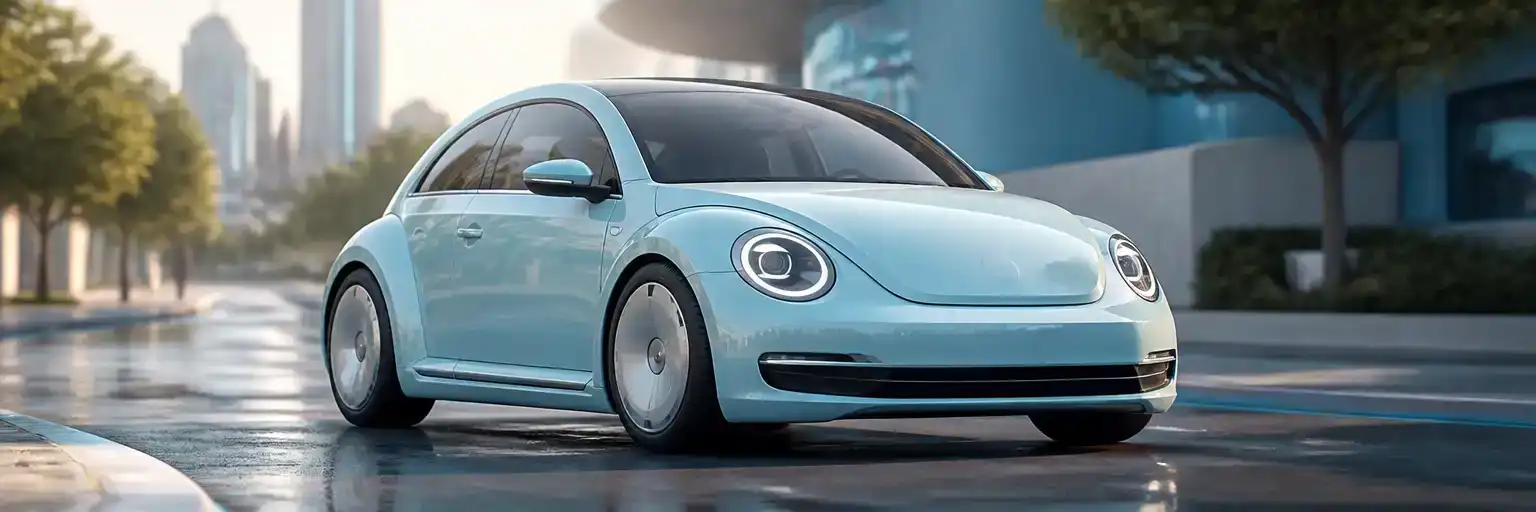
Mitsubishi Outlander 2026: A Late Entrant's Uphill Climb in a Crowded Field
The 2026 Mitsubishi Outlander, with its electrification and refined interior, faces an undeniable challenge to carve out significant market share against entrenched competitors without a truly disruptive value proposition.
Photo: Mitsubishi Motors / sala de prensa (uso editorial)
The compact SUV segment is a battlefield, fiercely contested by titans like the Honda CR-V and Mazda CX-5, each continuously evolving to capture buyer attention. So, when a refreshed entrant like the 2026 Mitsubishi Outlander arrives, the natural question isn't just "what's new?" but "is it enough to matter?" Mitsubishi is certainly making a statement with comprehensive updates, from new powertrains to a more luxurious interior, signaling a renewed ambition. However, in such a competitive landscape, simply being good might not be enough; the Outlander needs a compelling reason for buyers to look past its more established rivals.
Indeed, the 2026 Outlander, now fully electrified across its lineup, marks a significant step for Mitsubishi's "Momentum 2030" business plan, which aims to refresh its vehicle lineup in North America. The brand has introduced both a new mild-hybrid (MHEV) powertrain and a significantly updated Plug-in Hybrid (PHEV) variant, underscoring a commitment to electrification across all models, arriving in U.S. dealerships from late 2025 through May 2026.
A Dual Electrification Strategy: Mild and Plug-in Power
The standard 2026 Outlander moves to a 48-volt mild-hybrid system, coupled with a new in-house 1.5-liter turbocharged four-cylinder engine. This replaces the previous Nissan-derived 2.5-liter unit, aiming for improved performance and efficiency. The new setup delivers 174 horsepower at 6,000 rpm and a more robust 206 lb-ft of torque, a noticeable increase from the prior 181 lb-ft. This power is managed by a CVT, with Mitsubishi’s Super-All-Wheel-Control system available, though two-wheel drive remains standard. While the EPA estimates 26 mpg city and 31 mpg highway, independent tests have seen slightly lower figures on the highway, according to Car and Driver.
The 2026 Outlander Plug-In Hybrid sees more substantial changes. While retaining its 2.4-liter inline-four engine and standard all-wheel drive, its battery capacity grows significantly to 22.7-kilowatt-hours. This translates to an increased all-electric range of 45 miles, up from 38 miles, and an improved MPGe, reportedly climbing from 64 to 73. Crucially, the PHEV's powertrain has been updated to deliver a combined 297 horsepower, a substantial boost that improves acceleration, particularly useful for highway passing, as noted by MotorWeek. This evolution in power and electric capability makes the PHEV variant the undisputed flagship of Mitsubishi's U.S. fleet, per Mitsubishi Motors.
"Class-Above Cabin" or Just Catching Up?
Mitsubishi has clearly invested in the Outlander's interior, aiming for a more thoughtful and refined experience that, in the words of one reviewer, "nips at the glossy heels of luxury motoring." The cabin boasts high-quality accents and surfaces, along with a modern design. Front seats are designed for long-distance comfort, and the second row offers ample space for adults. Higher trims introduce premium touches like quilted-leather upholstery, cooled front seats, and a triple-zone automatic climate control system.
Technologically, the Outlander is well-equipped. It features a standard 12.3-inch touchscreen with wireless Apple CarPlay and Android Auto compatibility, along with hard buttons and a physical volume knob, a welcome nod to usability. An 8-speaker Yamaha audio system is standard, with an optional 12-speaker upgrade. The addition of extensive sound deadening throughout the cabin is a significant improvement, contributing to a quieter and more upscale environment. However, the third row remains a significant caveat. While it allows for seven-passenger capacity, its legroom is very limited, making it suitable only for small children or for occasional, short-distance use for adults. This "dinky" third row prevents the Outlander from truly competing with larger, more accommodating family SUVs, positioning it firmly within the compact crossover segment despite its seating claim.
Driving Dynamics and the Value Proposition
Beyond power figures and interior amenities, the driving experience is key. For 2026, both Outlander models benefit from revised steering and suspension tuning, aiming for a more engaging and confident feel. The PHEV, in particular, is noted for its enhanced refinement. Reviewers describe the ride as composed and taut, though the optional 20-inch wheels can compromise ride quality. While the improved sound deadening contributes to a quiet cabin, some dynamic complaints persist, such as a soft-feeling brake pedal and vague steering, suggesting it's more of a "cushy cruiser" than a "corner carver." For perspective, a competitor like the Nissan Rogue, despite being down a cylinder, reportedly out-accelerates the Outlander, hitting 60 mph in 8.0 seconds.
Safety features are robust, with standard automated emergency braking, blind-spot monitoring, and lane-departure warning across the lineup, with adaptive cruise control and lane-keeping assist available on higher trims. In terms of sheer value, the Outlander makes a strong case. Starting around $30,000 for the mild-hybrid model and $43,245 for the PHEV, it offers a compelling suite of features for the price point. Furthermore, Mitsubishi’s warranty package is one of the industry's best, including a 10-year/100,000-mile powertrain limited warranty, which should provide significant peace of mind for buyers.
Ultimately, the 2026 Mitsubishi Outlander represents a substantial step forward for the brand, particularly with its comprehensive electrification and a genuinely appealing interior. It addresses many previous criticisms and offers a strong value proposition, backed by an impressive warranty. However, its continued presence in a compact SUV segment that often doesn't need or truly accommodate a seven-seat layout, combined with driving dynamics that prioritize comfort over excitement, means it still faces an uphill battle. It's a well-rounded and improved vehicle, but perhaps not disruptive enough to truly shake up a market dominated by more established players who excel in specific niches, be it performance, cargo, or outright space. For those prioritizing value, a strong warranty, and an electrified powertrain in a refined package, the Outlander is undoubtedly a contender worth considering, but it will need more than just solid improvements to achieve segment leadership.
No topics yet: start the first one.
More stories
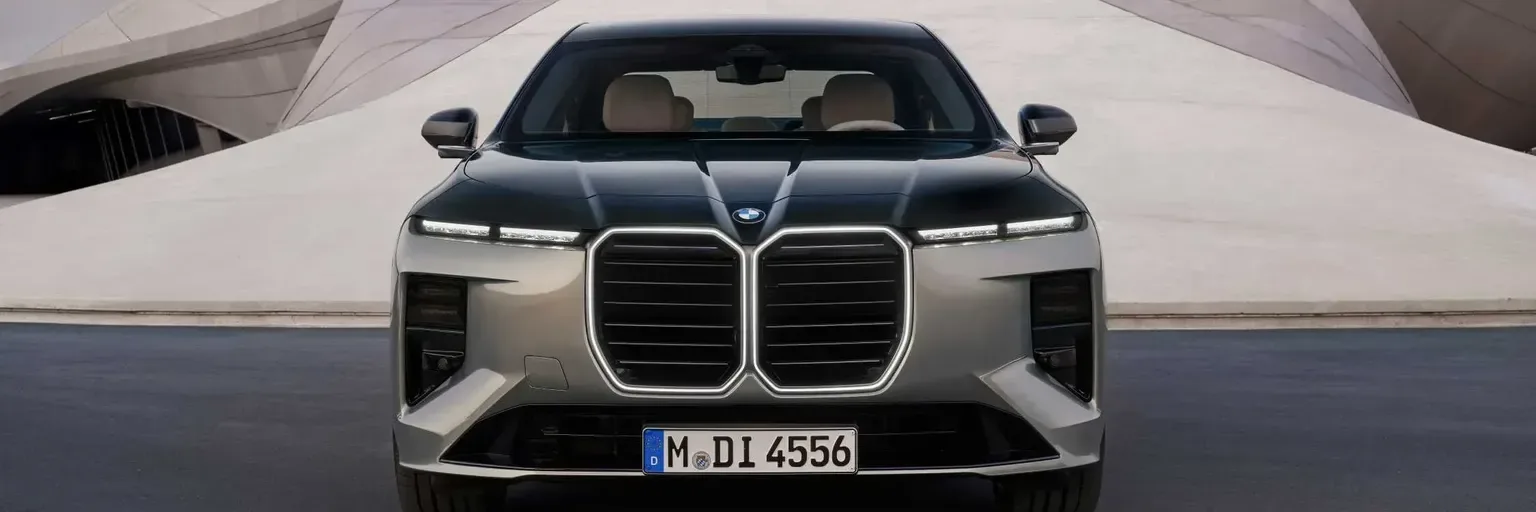
BMW's 2026 7 Series: The Luxury Flagship Redefined for a Digital Future
BMW's facelifted 7 Series, integrating Neue Klasse technology and a bold electric vision with the i7, showcases a commitment to an undeniably digitally integrated and electrified luxury experience, setting a new benchmark for flagship sedans.
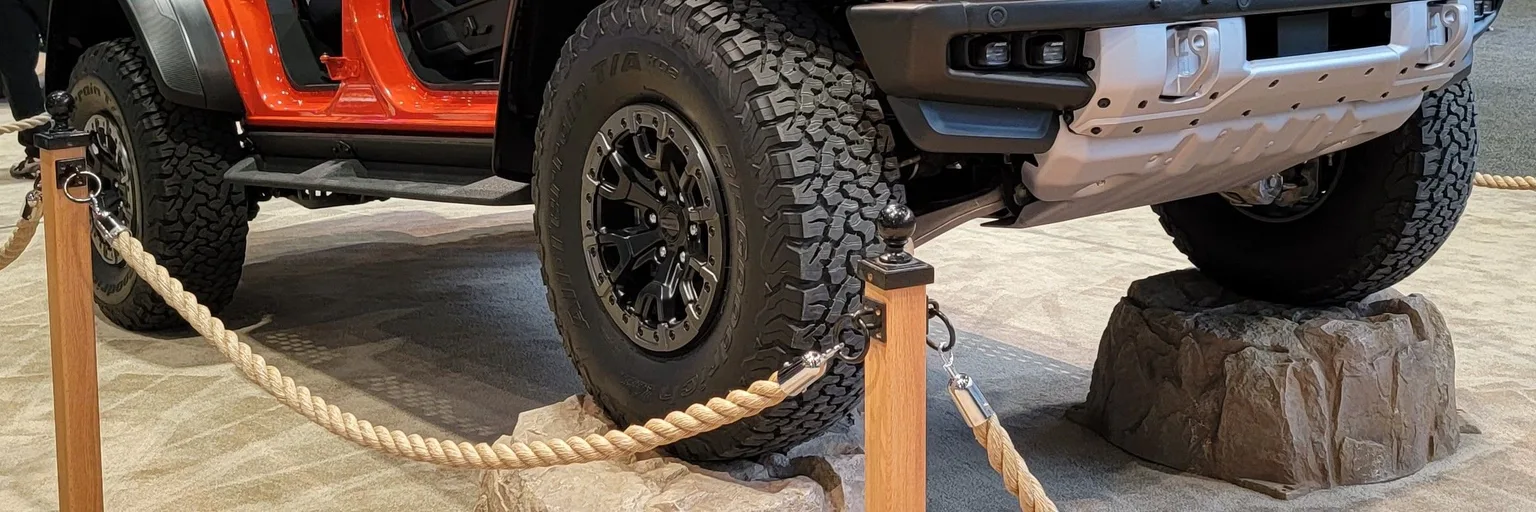
Bronco's New V6: A Strategic Masterstroke, Not Just More Power
Ford's decision to offer a detuned version of the Bronco Raptor's 3.0-liter twin-turbo V6 across more trims for 2027 is a strategic masterstroke, not just an arbitrary power boost.
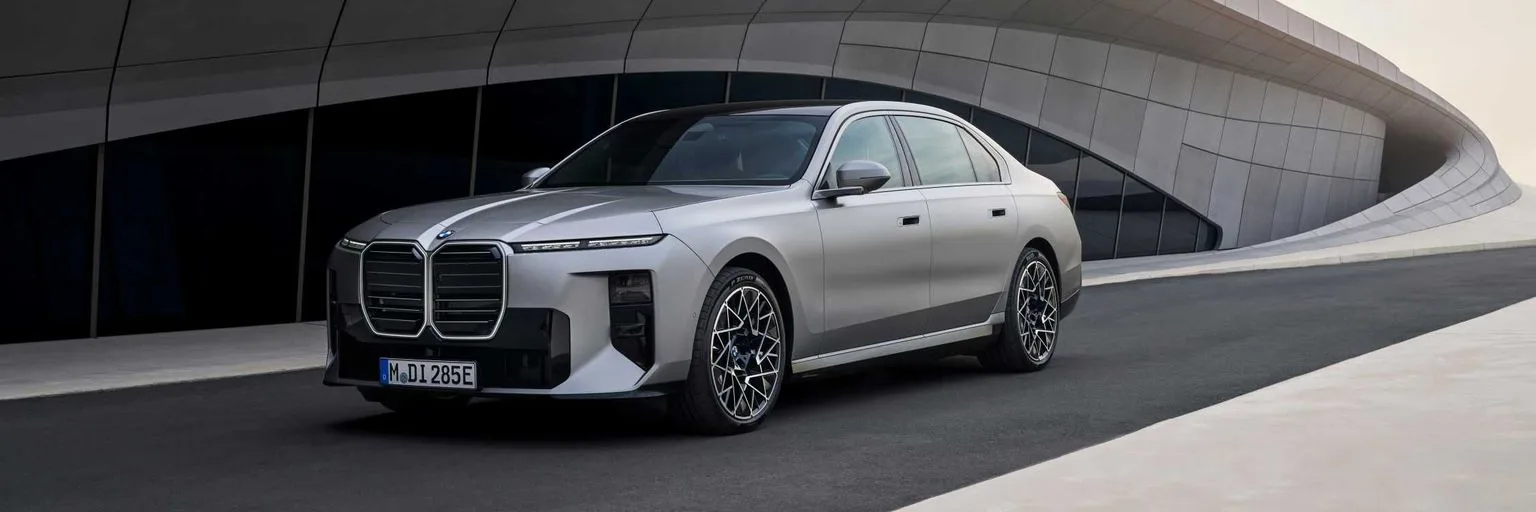
BMW's Concept 7 Protection: Discreet Armor for Modern Threats
BMW's latest armored 7 Series concept marries a potent plug-in hybrid powertrain with an invisible layer of handgun protection, redefining secure luxury for those who prioritize discretion in uncertain times.
Why the ORA Ballet Cat's 'Women-First' Approach Misses the Mark
By focusing on pastel colors and comfort features for 'cold hands,' the ORA Ballet Cat risks being seen as a patronizing gimmick rather than a progressive EV for women.