EV Market: Europe's Surge, North America's Lag, and China's Enduring Lead
While Europe's EV sales surged and China recovered year-to-date through July 2026, North America experienced a notable decline, highlighting disparate market strategies and adoption rates globally.
Photo: Mariordo (Mario Roberto Durán Ortiz) / Wikimedia Commons (CC BY-SA 4.0)
The global electric vehicle market, far from a uniform ascent, is revealing a distinct chasm between major regions in 2026. While global EV sales reached a substantial 11.5 million units through July 2026, as Electric Cars Report details, regional performance tells a story of divergent strategies and market maturities.
Europe, in an impressive display of market dynamism, saw sales surge 28% year-to-date through July 2026. This growth contrasts sharply with North America, where sales declined 18% year-to-date through July 2026. Meanwhile, China, the undisputed global leader in EV volume, recovered during the same period, signaling an evolving but still dominant market. This snapshot underscores a critical divergence in EV adoption strategies and market maturity that will inevitably shape the future of the automotive industry for years to come.
Europe's Sustainable Surge
Europe's robust performance is not an isolated event but rather the continuation of a trend driven by clear policy and competitive pricing. The continent accounts for approximately 23% of the global EV market value in 2026, a share bolstered by ambitious Euro 7 emission standards and stringent zero-emission vehicle quotas, as reported by Market Research Future. This regulatory push has fostered an environment where consumers are increasingly opting for electric options, often supported by various incentives.
Furthermore, the European market has become a battleground for value, with Chinese manufacturers making significant inroads. Brands like BYD, which entered the top three EV brands in Europe in January 2026, behind Volkswagen and BMW, and MG, owned by SAIC Motor, are leveraging competitive pricing and diverse offerings. Despite EU tariffs ranging from 17.8% to 45.3% on Chinese EVs, these brands have effectively absorbed much of the cost, even establishing local production, such as BYD's factory in Hungary, to reduce tariff exposure, according to GreenCars. This aggressive pursuit of market share by new entrants provides consumers with more affordable and varied options, fueling adoption.
North America's Stalling Momentum
The 18% year-to-date through July 2026 decline in North American EV sales is a significant red flag that warrants closer scrutiny. While federal and state-level incentives exist, the region's overall EV adoption rate has lagged behind other major markets; in 2024, EVs constituted just 10% of passenger car sales in the United States, far below the global average of 22% and the EU's 21%, as noted by WRI. This substantial drop suggests a potential disconnect between consumer expectations, available products, and infrastructure development.
A key factor likely contributing to North America's slump is the almost impenetrable tariff wall against affordable Chinese EVs. A formidable 112.5% effective duty keeps Chinese-made vehicles out of the U.S. market entirely. This protectionist stance, while aiming to safeguard domestic industries, arguably limits consumer choice and stifles the competitive pressure that could drive down prices and accelerate adoption. In contrast, Canada recently reached an agreement allowing up to 49,000 Chinese EVs annually at a 6.1% tariff, a policy change that will see BYD, Chery, and Zeekr entering the market by late 2026, as detailed by GreenCars. Without a similar influx of lower-cost options, the North American market risks becoming an isolated, slower-growing segment of the global EV landscape.
No topics yet: start the first one.
More stories
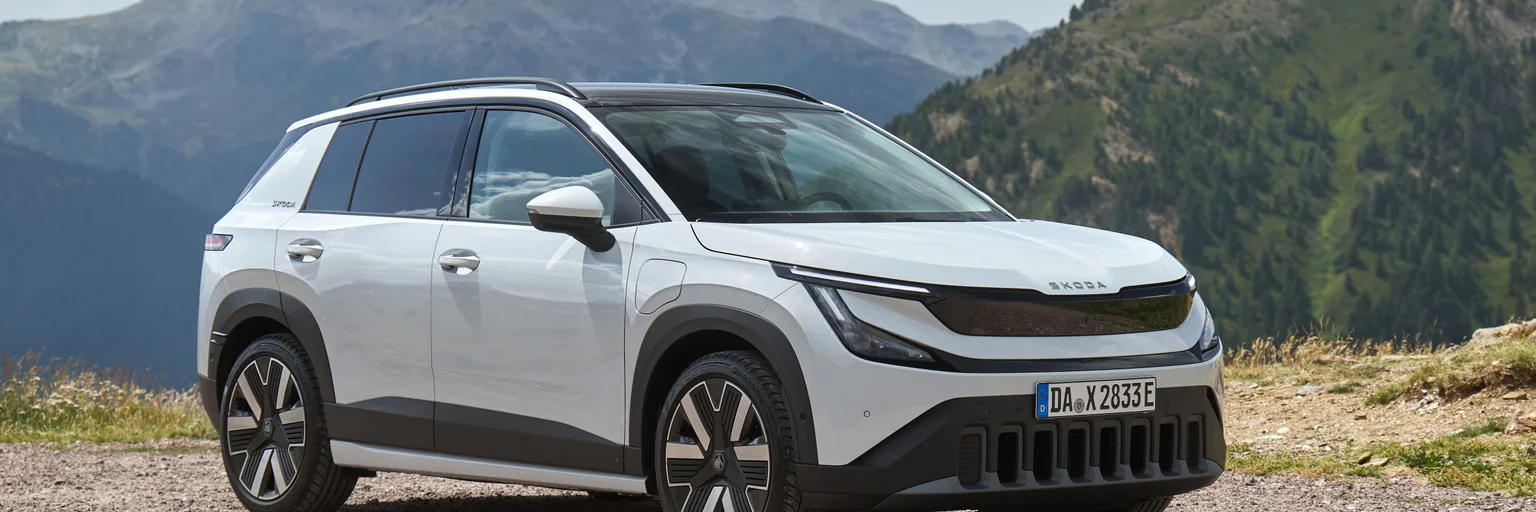
Skoda Epiq Sportline: Style or Substance in the Compact EV Arena?
Skoda's latest Epiq Sportline brings a more assertive design to its entry-level EV, but we question if aesthetic muscles are enough to truly flex in a fiercely competitive electric market.
DeepDrive Secures Major Motor Deal: A New Era for European EV Tech?
DeepDrive's landmark production contract for its innovative dual-rotor electric motors could be a pivotal moment, signaling a resurgence for European innovation in the global EV components market.

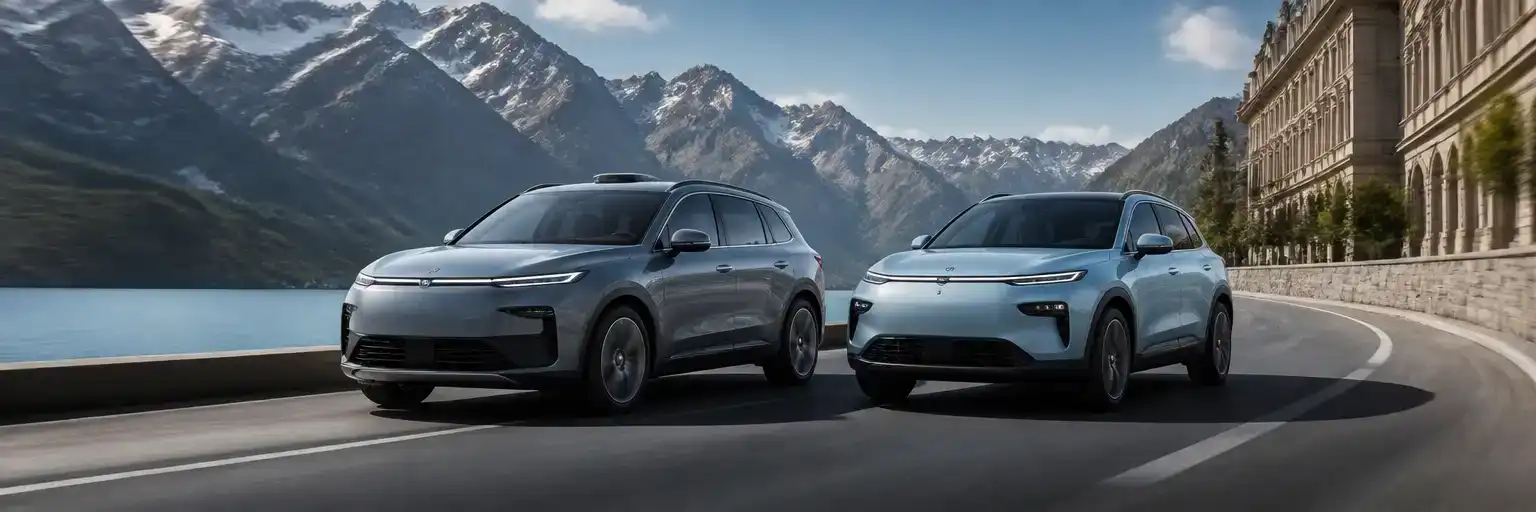
Chinese EVs are coming: Europe isn't ready for this two-pronged attack
A new wave of Chinese automakers, led by Changan NEVO and Li Auto, is poised to reshape the European car market with both affordable family EVs and sophisticated luxury SUVs.
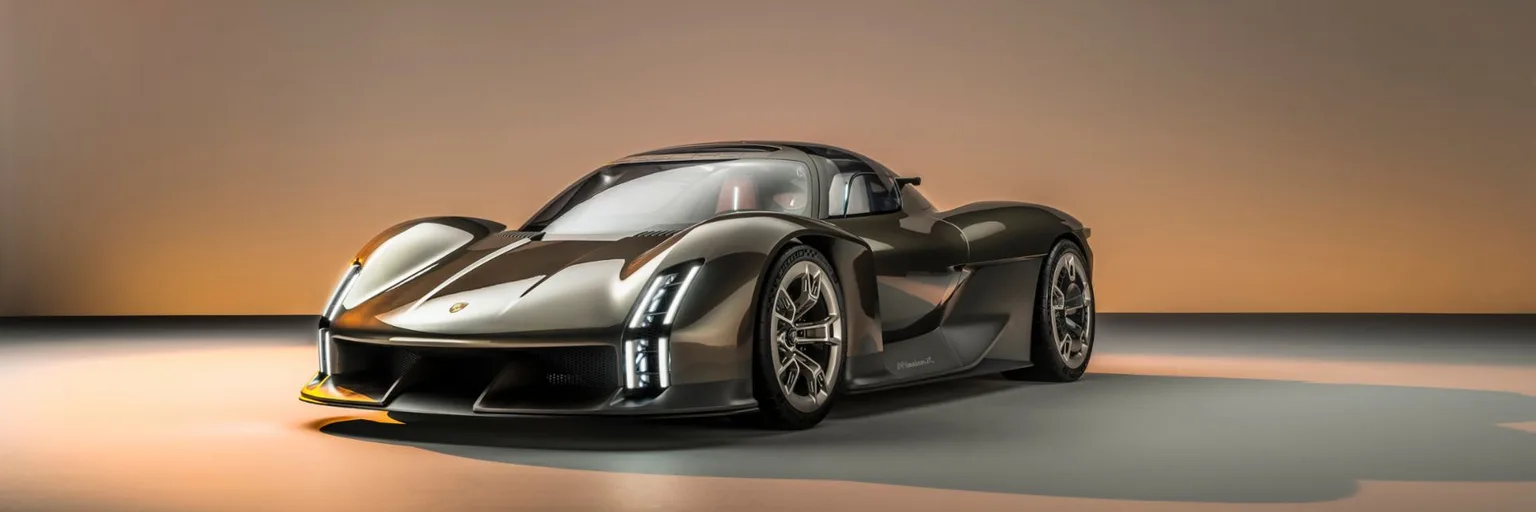
Porsche Mission S: Can An Electric Supercar Still Stir The Soul?
Porsche's Mission S concept challenges electric norms, combining a mid-engine architecture and analog focus with anticipated cutting-edge EV technology to redefine driver engagement.