Volvo's 100-Mile PHEVs: The Electric Bridge We Actually Needed
Volvo's ambitious push for plug-in hybrids offering up to 100 miles of electric range fundamentally redefines their utility, making them a compelling, practical choice for a broader spectrum of drivers.
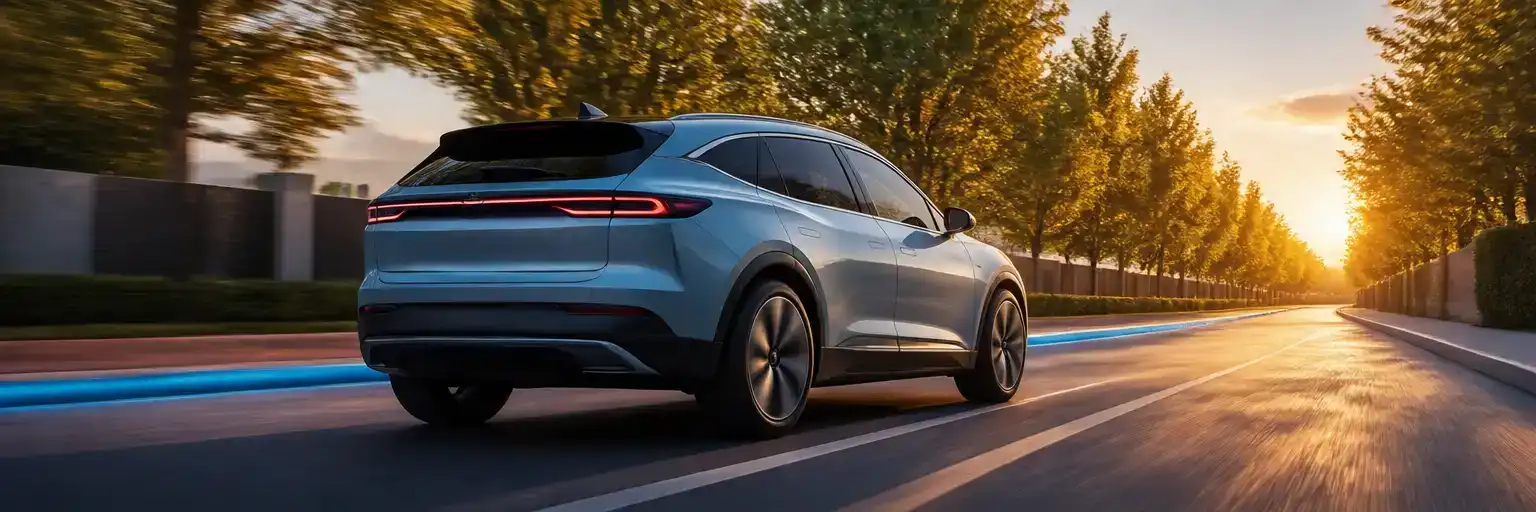
AI-generated image
Are plug-in hybrids merely a stopgap on the road to a fully electric future, or can they offer a genuinely compelling value proposition that stands on its own? Volvo is making a bold case for the latter, with its next-generation PHEVs poised to deliver up to an impressive 100 miles of electric range. This isn't just an incremental improvement; in our view, it's a strategic pivot that could fundamentally reshape how we perceive and utilize hybrid technology, moving it beyond a compromise and into a truly practical, electric-first solution for daily driving.
Recent reports indicate that Volvo is introducing a new range of plug-in hybrids designed to offer substantial electric-only driving capabilities, with aspirations for around 100 miles of range in key markets. This significant leap is exemplified by the new Volvo XC70, which is already available in China with an electric range of 200 kilometers under the CLTC test cycle. Europe is expected to follow with a WLTP homologation closer to 160 kilometers [as Ankara Motor reports]. This marks a dramatic departure from earlier Volvo PHEVs, which, even in more recent iterations like the XC60 Recharge, offered up to 90 kilometers (approximately 56 miles) of electric range [as updated in late 2025 with a new engine according to Volvo Cars].
Redefining "Electric First" for the Everyday Driver
The most striking aspect of Volvo's new PHEV philosophy is its potential to transform the daily driving experience. The brand itself has explained that the goal is for the gasoline engine to become an infrequent guest, with electric driving becoming the norm. With 160 kilometers (approximately 100 miles) of WLTP electric range, the average driver could easily cover five days of routine commutes without needing to touch the gasoline tank, reserving the thermal engine for longer weekend trips or unforeseen situations. This perspective moves PHEVs away from being merely a gasoline car with a theoretical plug and positions them as electric vehicles with a thermal safety net.
Previously, many plug-in hybrids struggled to convince drivers to charge regularly due to their limited electric range, sometimes as low as 30-40 kilometers. This often meant they operated primarily as conventional gasoline cars. Volvo openly acknowledges this challenge, with a UK director confirming that drivers rarely charged when autonomies were very low. By significantly extending the electric range, Volvo aims to ensure that their hybrids are used as intended, maximizing their electric potential in daily use.
Bridging the Gap to a Fully Electric Future
While Volvo remains committed to pure electric vehicles like the EX30, EX60, and EX90, the company recognizes that EV demand isn't progressing at the same pace across all markets. There's a segment of buyers who need a more convincing intermediate step. Long-range PHEVs are precisely that solution, allowing drivers to experience an almost complete electric driving experience day-to-day without the range anxiety associated with longer journeys. For those who drive less than 100 kilometers daily and can charge at home or work, this is a highly practical solution.
No topics yet: start the first one.
More stories
AMG's Electric SUV is the Future of Performance, Like it or Not
Mercedes-AMG's unwavering commitment to a dedicated electric high-performance SUV signals a profound shift in the premium automotive landscape, redefining what 'performance' means for the EV era.
When EVs Trap Occupants: The Hidden Dangers of Electronic Doors
The automotive industry's push for sleek electronic door systems in electric vehicles has introduced a critical safety vulnerability: the risk of occupants becoming trapped during power failures or crashes.

Renault 5 E-Tech: Retro Charm, Premium Price Tag?
The highly anticipated Renault 5 E-Tech promised to redefine affordable electric mobility, but its initial pricing for Evolution and Techno models suggests that 'budget EV' remains a relative term.
EVs aren't just pricier upfront: unexpected costs redefine ownership
While electric vehicles are increasingly moving from secondary to primary family cars, overlooked expenses like accelerated tire wear and higher insurance premiums are shaping the true cost of ownership.