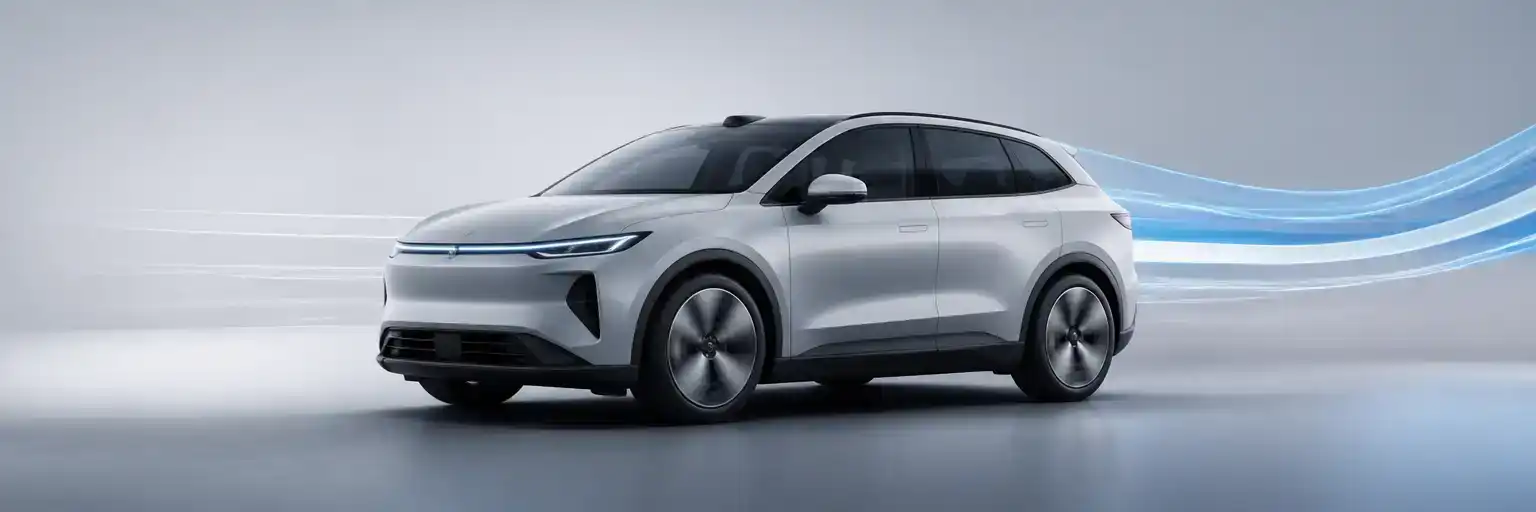
DeepDrive Secures Major Motor Deal: A New Era for European EV Tech?
DeepDrive's landmark production contract for its innovative dual-rotor electric motors could be a pivotal moment, signaling a resurgence for European innovation in the global EV components market.
Photo: BMW Group / sala de prensa (uso editorial)
For too long, the narrative in the electric vehicle sector has been one of technological dependence, particularly regarding critical components. Could a German startup be about to change that script for Europe?
Munich-based DeepDrive, backed by BMW i Ventures, recently announced its first significant production contract for its innovative electric motors with a global automotive manufacturer. This pivotal deal specifies a production volume of between 100,000 and 1 million units over the lifetime of the agreement, with manufacturing set to commence in 2028, as reported by ecomento.de. This transition from small-scale prototyping to serial production marks a crucial milestone, not just for the company, but potentially for the entire European EV supply chain.
The Unseen Advantage of Dual-Rotor Technology
DeepDrive's core innovation lies in its patented dual-rotor electric motor architecture. This design, which includes integrated power electronics, offers a compelling combination of efficiency and versatility. The company claims its technology can help EVs achieve a range of more than 800 km while potentially saving automakers over €1 billion in costs when deployed at scale, according to electricmotorengineering.com. Independent tests further support an efficiency exceeding 95% in operation, a figure that is genuinely impressive in a market constantly seeking marginal gains. Crucially, these motors can function as both central drives and in-wheel drives, offering flexibility for various vehicle platforms. Beyond performance, the dual-rotor design also boasts a more resource-efficient manufacturing process, reducing reliance on critical raw materials and lowering environmental impact, a significant selling point in today's sustainability-focused industry.
A Boost for European Automotive Innovation
This contract is more than just a win for DeepDrive; it represents a validation of German engineering prowess in a fiercely competitive global landscape. Europe has been striving to establish its own robust ecosystem for EV components, and DeepDrive's success offers tangible evidence that local innovation can thrive. The company’s founders, many of whom met while studying at TU Munich and honed their skills at leading automotive firms like Bosch, Audi, and Infineon, exemplify the deep-rooted automotive expertise present in the region.
No topics yet: start the first one.
More stories
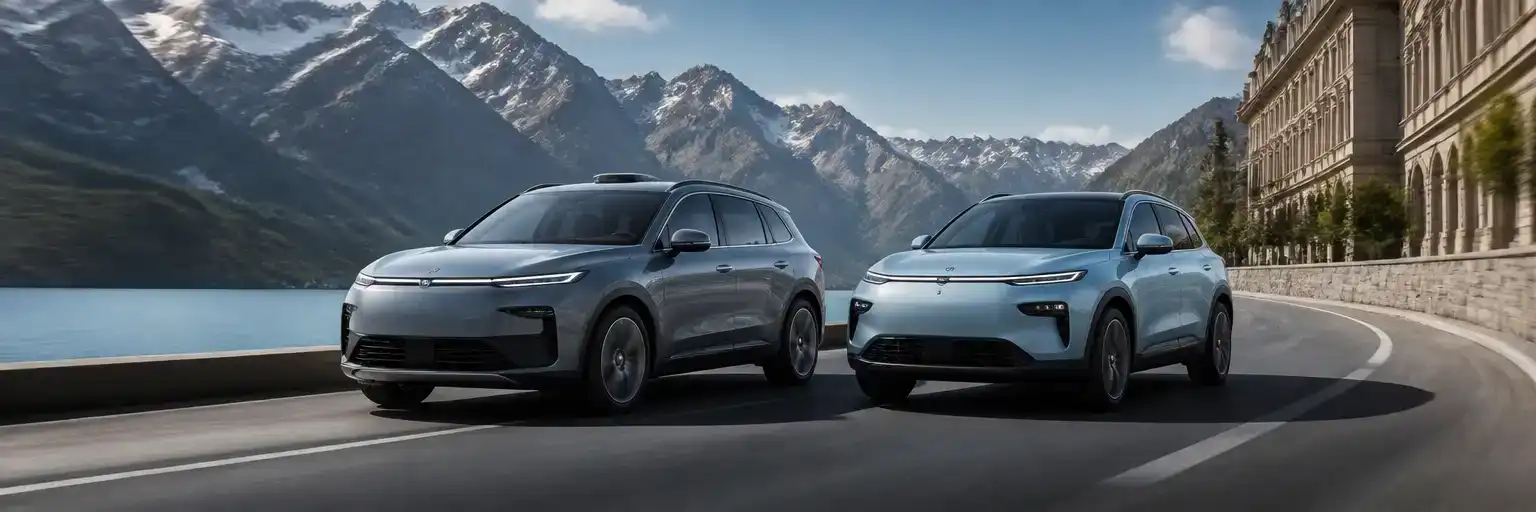
Chinese EVs are coming: Europe isn't ready for this two-pronged attack
A new wave of Chinese automakers, led by Changan NEVO and Li Auto, is poised to reshape the European car market with both affordable family EVs and sophisticated luxury SUVs.
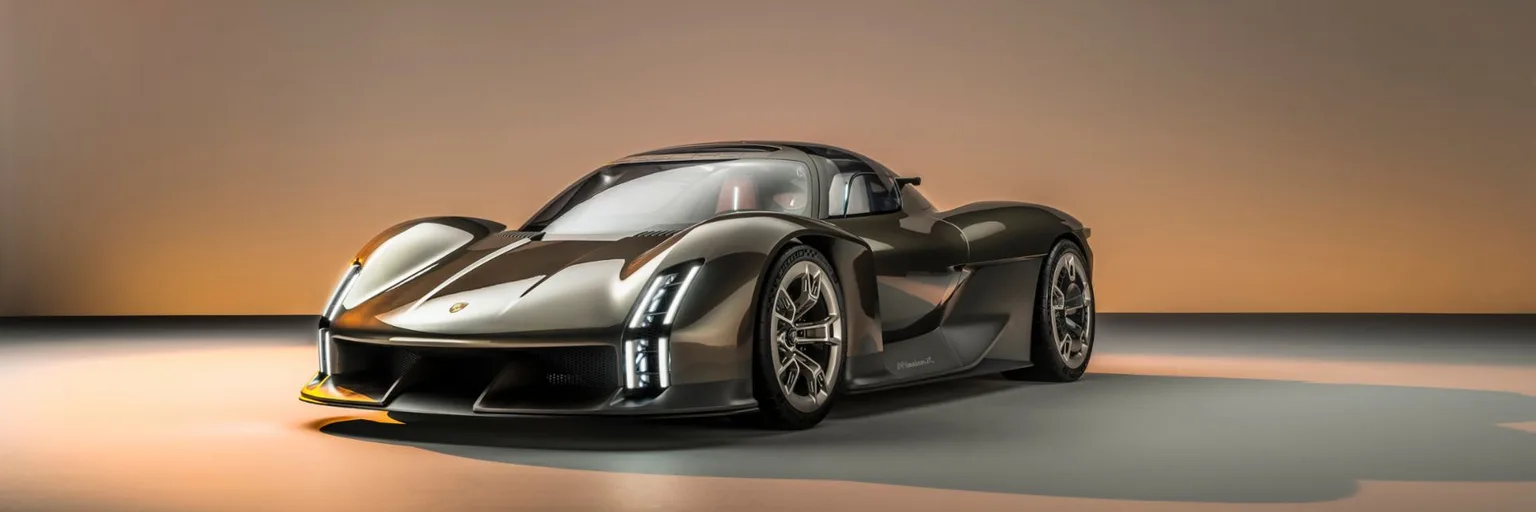
Porsche Mission S: Can An Electric Supercar Still Stir The Soul?
Porsche's Mission S concept challenges electric norms, combining a mid-engine architecture and analog focus with anticipated cutting-edge EV technology to redefine driver engagement.
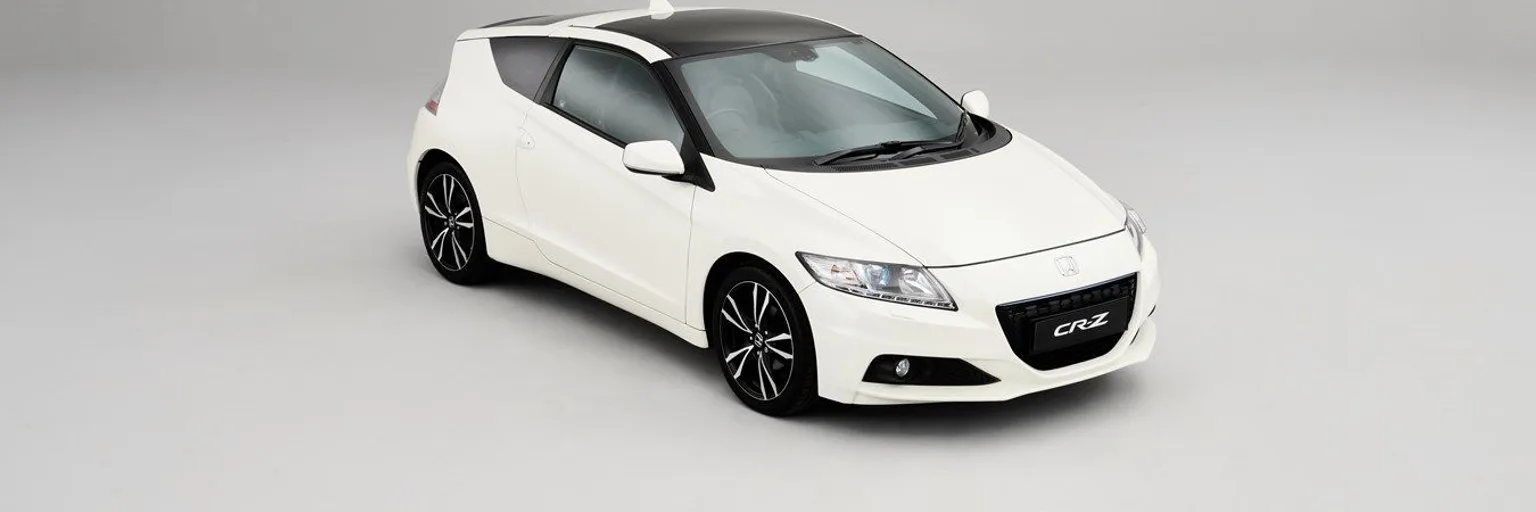
Honda's Hybrid Offensive: A Shrewd Play in the EV Transition
Honda's commitment to 15 new hybrid models by 2030, including a potential V6, signals a pragmatic rebalancing act, prioritizing market realities and broader appeal over an all-in EV gamble.
Flax Fiber: Can a Plant-Based Body Drive Mainstream EV Production?
The Liux Big, unveiled at the Paris Motor Show, proposes a revolutionary flax fiber body, promising significant CO2 savings and a lighter footprint for urban electric vehicles.