Mercedes' EV Backlog: A Triumph of Product, A Test of Production
Mercedes-Benz's six-month order backlog for electric vehicles confirms robust consumer appetite in the premium segment, yet it exposes the industry's ongoing challenge to scale component supply and manufacturing to meet rising demand.
Photo: Ethan Llamas / Wikimedia Commons (CC BY-SA 4.0)
Is the premium electric vehicle market finally reaching its stride, or is the automotive industry simply struggling to keep pace with a shifting landscape? Mercedes-Benz’s latest announcement of a six-month order backlog for its electric vehicles suggests a bit of both, marking a significant win for their updated EV strategy but simultaneously raising questions about the scalability of the entire supply chain.
According to Sales Chief Mathias Geisen, demand for new Mercedes electric cars is currently outstripping internal planning, necessitating a rapid ramp-up in both production and component supply, extending beyond just batteries. This surge is notably driven by models like the new CLA and the electric GLC, which represent the brand's latest generation of EVs. Globally, sales of battery-electric models have increased by 40 percent, while in Europe, they’ve seen a remarkable 60 percent rise. Germany, Mercedes' home market, has nearly doubled its EV sales, with fully electric vehicles now accounting for approximately one-third of the brand's total sales there, as Elektroauto-News reports on October 20, 2026.
This robust performance stands in stark contrast to earlier periods. As recently as September 2025, Mercedes-Benz had to adjust EV production for the US market due to what was perceived as misjudged demand, with sales down 19 percent in the first half of that year, according to Mexico Business News. This turnaround suggests that the issue was not a lack of interest in premium EVs themselves, but rather a gap in offering truly competitive products that resonated with traditional luxury buyers. The current backlog, extending well into 2027 for some models according to Elektroauto-News on October 20, 2026, indicates that Mercedes has found its footing.
The Product Offensive Is Paying Off
The most compelling argument for Mercedes' current success lies in its renewed product strategy. Early Mercedes-EQ models, while innovative, often featured designs that alienated some traditional Mercedes customers and were built on platforms with combustion engine roots. The shift to modern, dedicated electric platforms, such as the one underpinning the new CLA, has been transformative. These new architectures combine efficiency, improved space utilization, and 800-volt technology, which allows for higher charging speeds with less heat loss, drastically improving the everyday usability of these vehicles, as noted by Elektroquatsch.de on October 19, 2026. The integration of high-quality interiors and the familiar Mercedes comfort, coupled with a design language that more closely aligns with established model families, seems to have successfully won over a broader customer base.
The electric GLC, a strategically important premium SUV, and the upcoming electric GLA, are prime examples of this evolution. They promise not just range, but also practical attributes like towing capacity, long-distance comfort, and rapid charging, all crucial for the discerning premium buyer. This demonstrates that when factors like design, range, charging speed, and overall utility are compelling, even traditional luxury car buyers are eager to embrace electric propulsion.
Supply Chain Under Strain: The Hidden Cost of Success
While the demand figures are undoubtedly positive, the six-month backlog highlights a persistent challenge for the automotive industry: scaling production and component supply. Mercedes' own Geisen admitted that current demand is exceeding their planning, necessitating a ramp-up not just for batteries but for various components. We've seen this before, notably with battery bottlenecks impacting the GLC at its launch. This suggests that while Mercedes has effectively reconfigured its global production network for EVs since 2022, with new battery factories in places like Kamenz, Brühl, and Peking, and electric drive unit production in Untertürkheim and Sebes by 2024, as Vision Mobility reports on December 14, 2022, the transition is not without its growing pains.
Further complicating matters is the ongoing cost pressure. Mercedes is reportedly demanding longer working hours for its employees in Germany (from 35 to 40 hours per week) without corresponding wage increases to maintain a competitive cost structure. This move, opposed by unions, indicates a broader industry struggle to balance aggressive electrification targets with manufacturing profitability, especially as global markets like China pose headwinds. While Mercedes is growing strongly outside of China, its significant losses there (down nearly 30 percent in the first three quarters) underscore the volatility that can quickly impact overall financial health and, by extension, investment in production scaling.
The Road Ahead: A Test of Agility
The current situation is a critical test of Mercedes-Benz's agility and strategic foresight. The brand has clearly demonstrated its ability to create desirable electric vehicles that resonate with its core clientele. The challenge now is to translate this demand into sustainable delivery. Maintaining a six-month backlog, while a sign of strong interest, can quickly become a liability if customers grow impatient or competitors gain an edge with faster availability. Mercedes’ success will hinge on its ability to rapidly resolve supply chain bottlenecks, navigate labor relations to ensure competitive production costs, and continue its product offensive without sacrificing the quality and everyday usability that are currently driving its impressive EV sales figures.
In our view, Mercedes is on the right track with its product strategy. However, the true measure of its long-term EV leadership will be its capacity to not only innovate but to industrialize that innovation at scale, transforming backlog into delivered vehicles without compromising profitability or workforce stability.
No topics yet: start the first one.
More stories
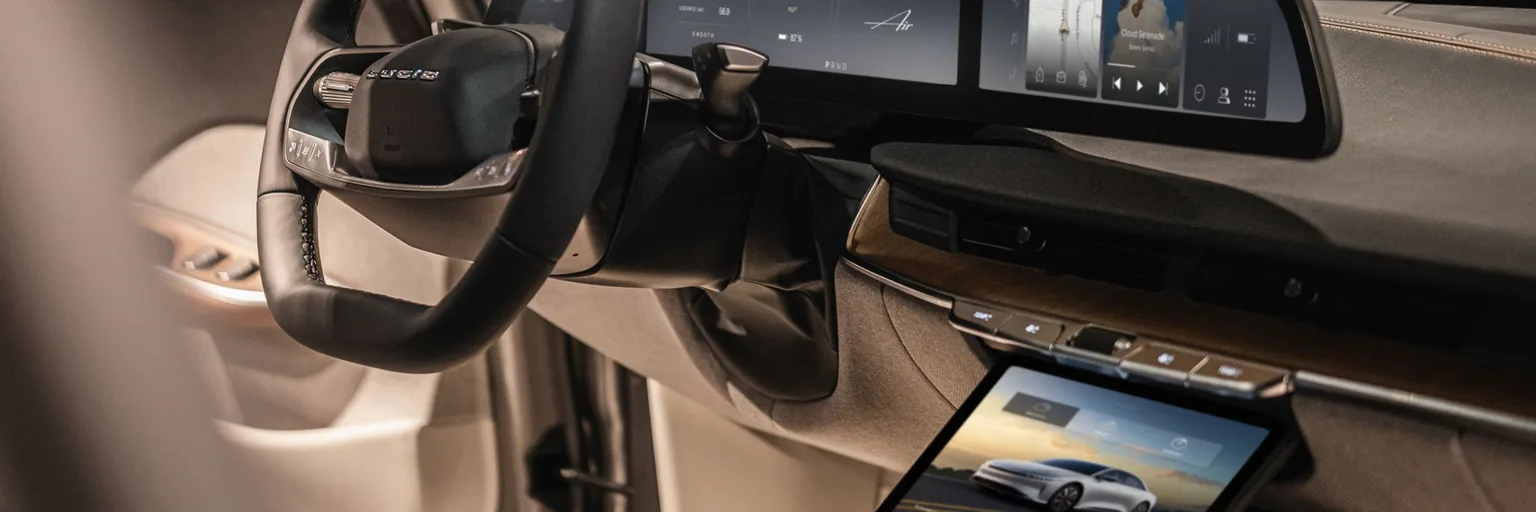
Lucid's French Gambit: Can Ultra-Luxury Trump Tesla in Europe?
Lucid's official arrival in France with its high-end Air and Gravity EVs sets the stage for a compelling showdown, but its ultra-luxury strategy must differentiate beyond mere specs to truly succeed against established electric giants.
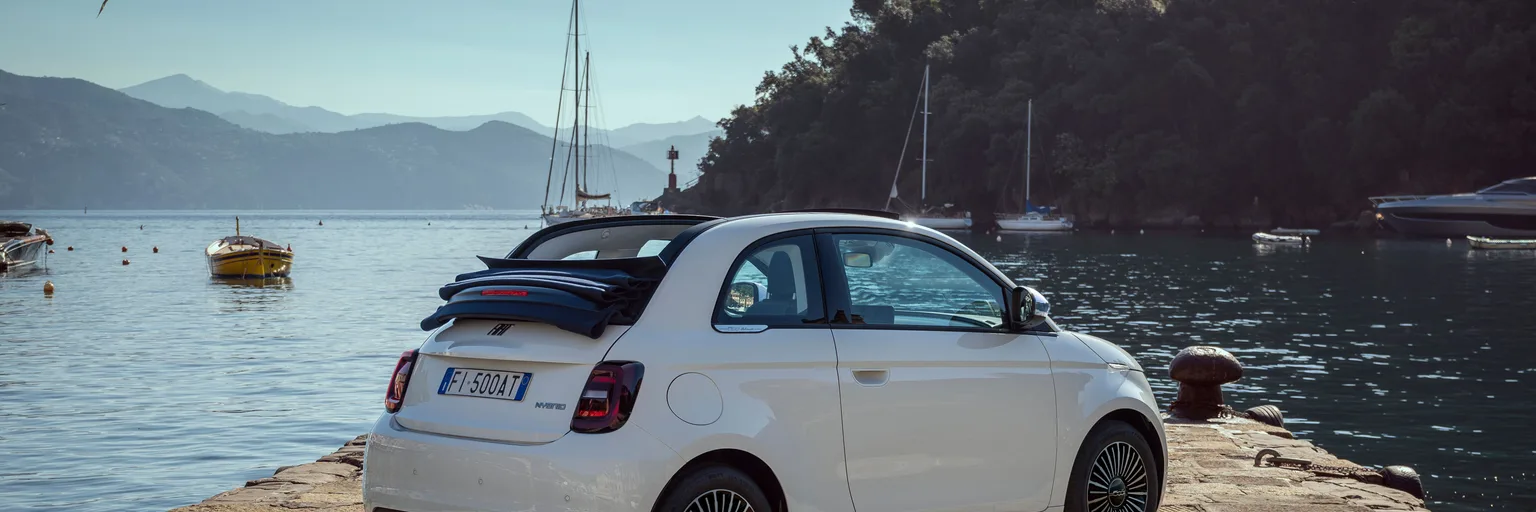
Fiat's €15,000 EV: The Urban Disruptor Europe Needs?
Fiat's bold move to launch a sub-€15,000 electric city car, the Pandina, alongside Stellantis siblings, could fundamentally reshape the European EV landscape and challenge assumptions about electric vehicle accessibility.
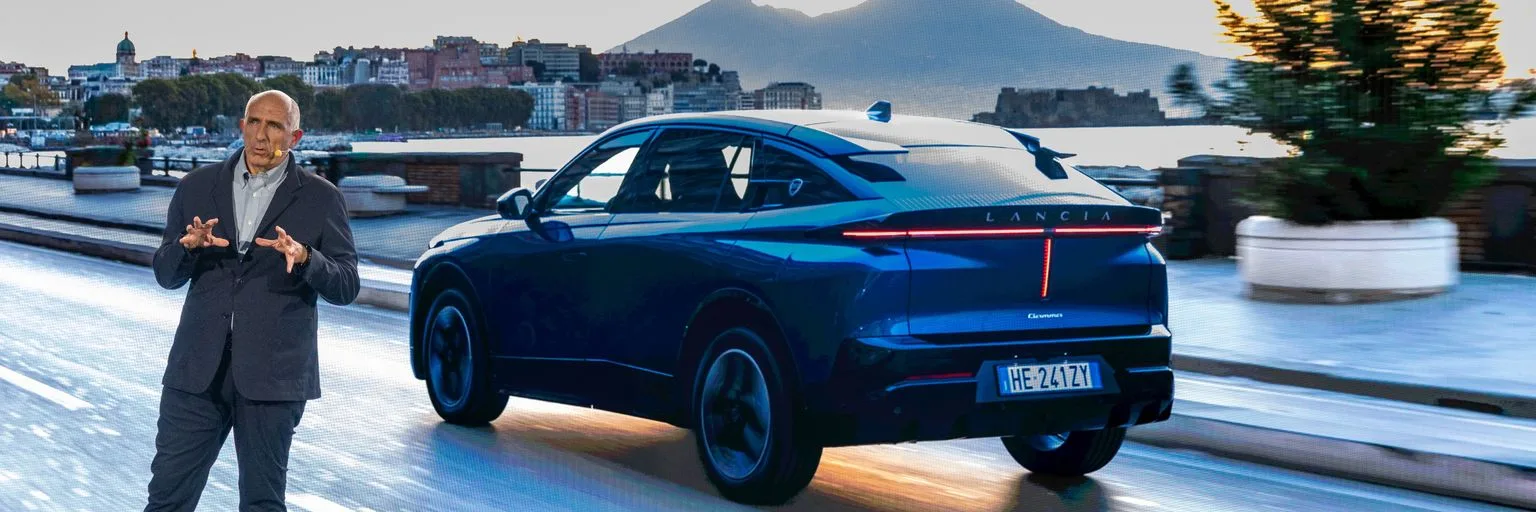
Lancia's Gamma LX Electric: Revival or Rebadged Reality?
The Lancia Gamma LX Electric is a pivotal moment for the struggling Italian marque, but its success hinges on whether it can carve a distinctive niche in the crowded EV SUV market, harmonizing its rich heritage with modern performance and luxury.
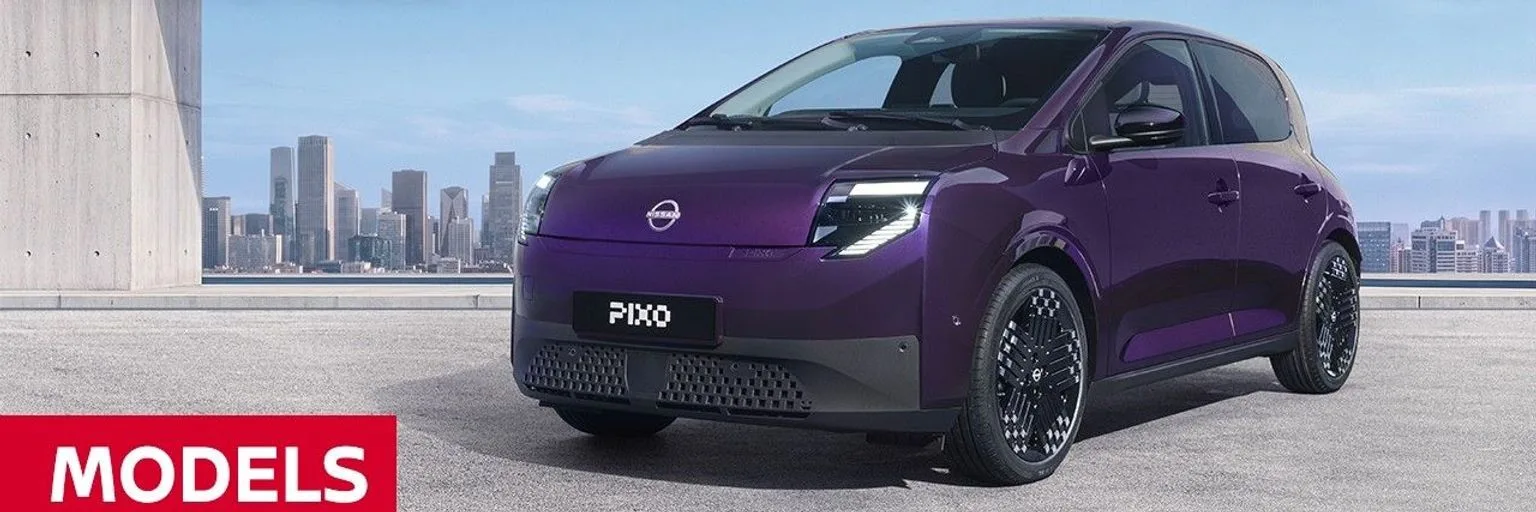
Nissan PIXO: Why this playful EV could redefine urban mobility
Amidst a growing market of utilitarian electric city cars, the Nissan PIXO aims to carve a distinct niche by blending unique design, thoughtful practicality, and advanced connectivity tailored for Europe.