Drivesfera Newsroom
Ford's electric truck should be a great truck first, EV second
After big electric pickups flopped in the US, Ford's plan for a roughly $30,000 midsize truck is the right lesson: sell the truck, and let the battery be a bonus.
After big electric pickups flopped in the US, Ford's plan for a roughly $30,000 midsize truck is the right lesson: sell the truck, and let the battery be a bonus.
A lower-priced EV on the SPA3 platform is the right call for Volvo, but only if the entry price really drops instead of stopping at another premium compact.
A 47.4 million-test UK analysis says high-mileage electric cars fail inspection less often than petrol ones. The fear is outdated, but two weak spots remain.
A 60 kWh CATL pack lifts the Firefly's CLTC range by a third, and swapping makes the upgrade easy. Outside China, the missing stations are the real limit.
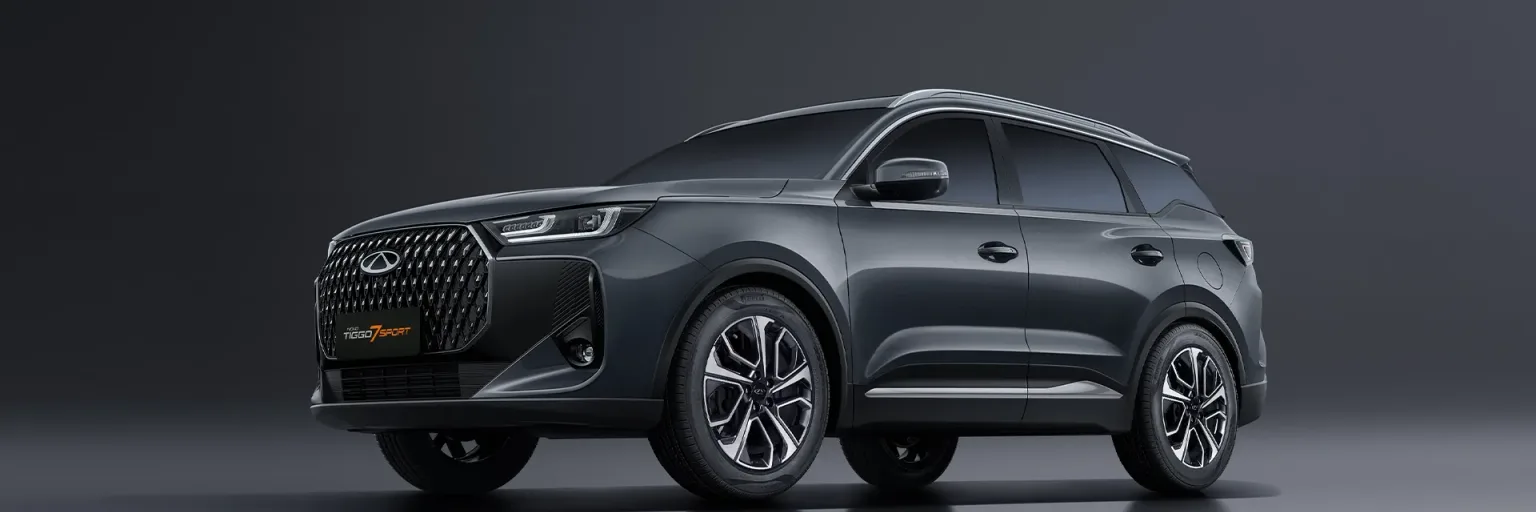
Chery promises 500 km in five minutes, but the number that will matter is how many cars, stations and battery cycles can actually use that power every day.
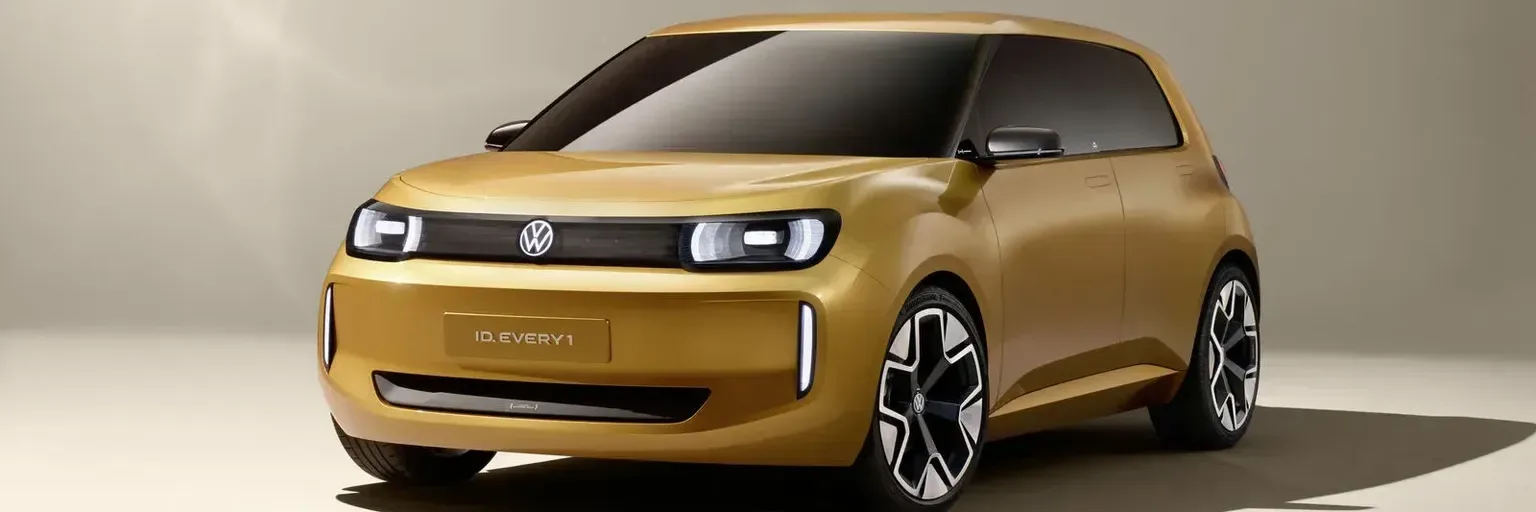
Volkswagen's ID. EVERY1 aims at the price Europe has demanded for years. Whether it reaches a showroom at that number is the real question.
Sticker prices near $30,000 mean little if public fast charging lets you down. We'd spend the next dollar on reliable chargers, not on another budget model.
Building the Go in Ferrol lets a Chinese-owned brand sidestep EU duties and look local. But a €23,000 sticker has to survive 2028 first.
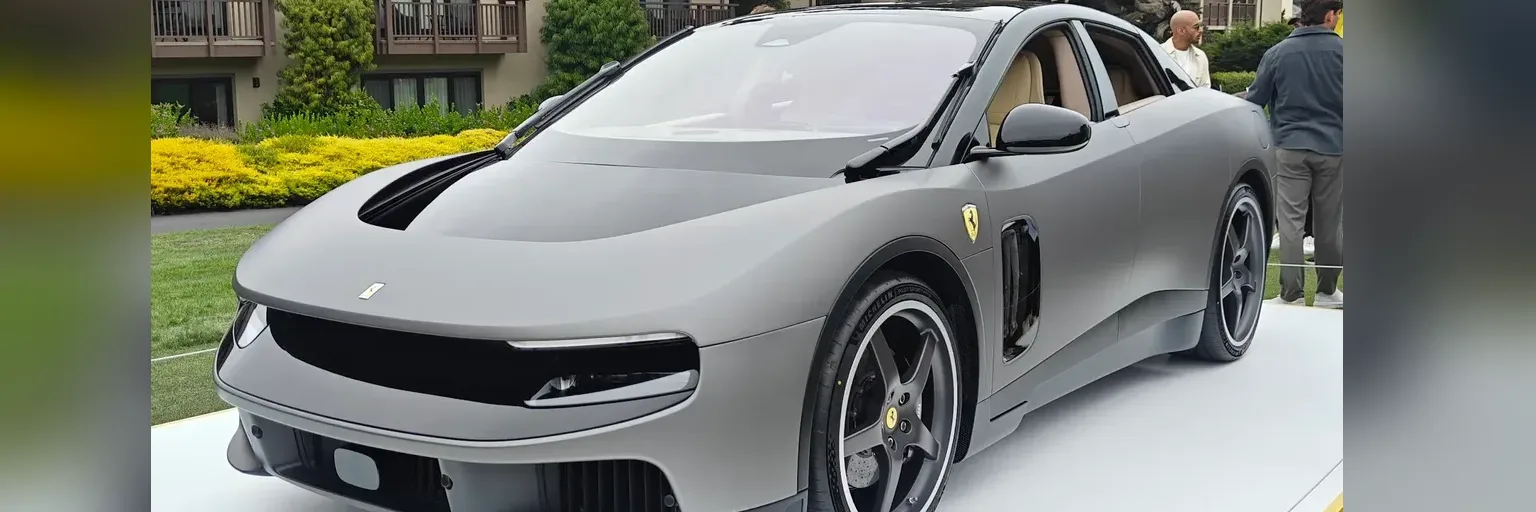
Ferrari's first EV reportedly lands above the V12 Purosangue in Europe, a sign it is monetizing status and scarcity, and the real test is whether buyers accept an EV on top.
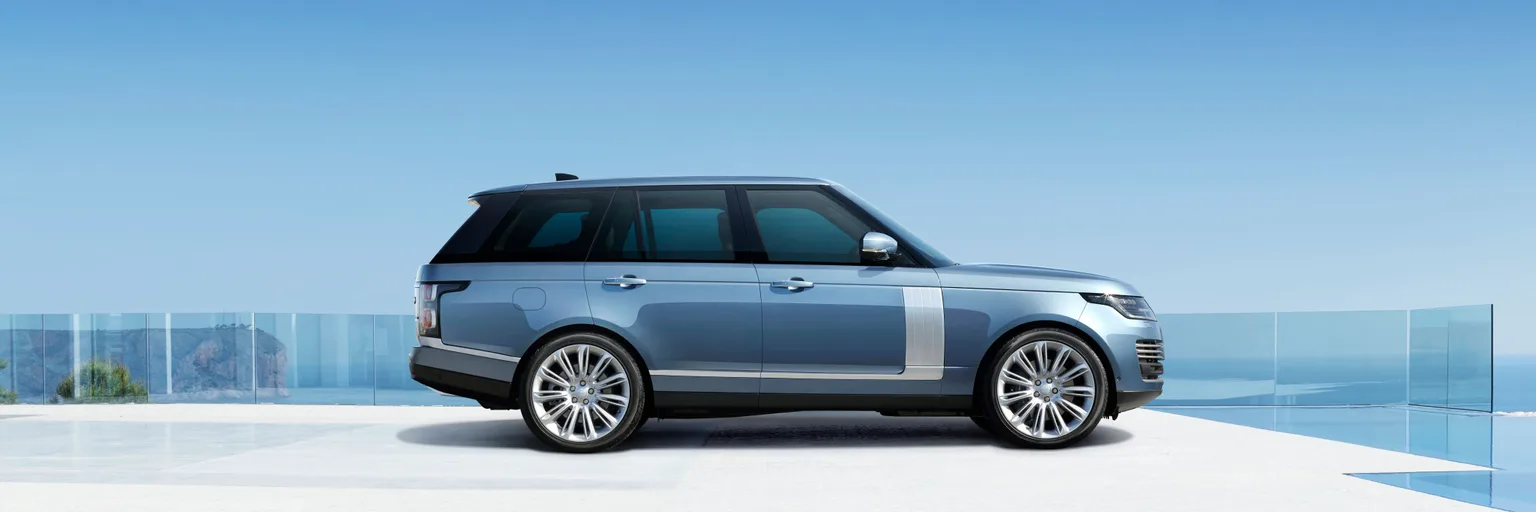
With 542 hp, 333 miles and 800 volts on paper, the specs are table stakes. What's left is whether quiet refinement justifies V8 money for a Range Rover without the engine.
Europe's EV surge looks like a policy win, but we think pump prices and subsidy timing explain more than policy alone, and the real test comes when fuel gets cheaper.
Chery’s Rhino batteries promise extreme range and 12C charging, but durability, cost and real-world infrastructure will decide whether the technology matters.
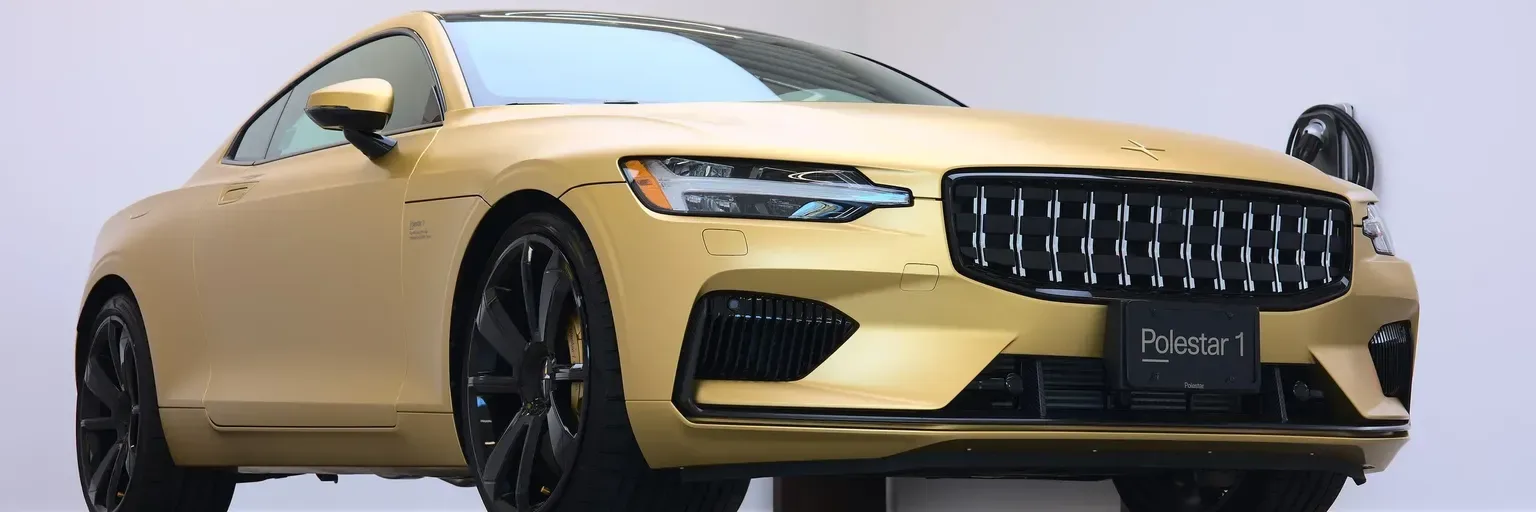
Polestar’s U.S. slide exposes a deeper weakness: a premium EV brand with too little product breadth, scale or insulation from political risk.
Gas prices are making electric driving more attractive, but high prices, shrinking supply and weak product access are steering buyers toward hybrids instead.
Li Auto’s move into batteries, motors and chips suggests the next Chinese EV advantage is accountability: making the promise feel more credible than the specification.
Obrist showed how methanol and clever hybrid hardware could address EV pain points. Bankruptcy shows that engineering elegance is only the first hurdle.
Europe’s charging network is expanding rapidly, but the real test is whether deployment also builds a resilient, competitive industry behind the hardware.
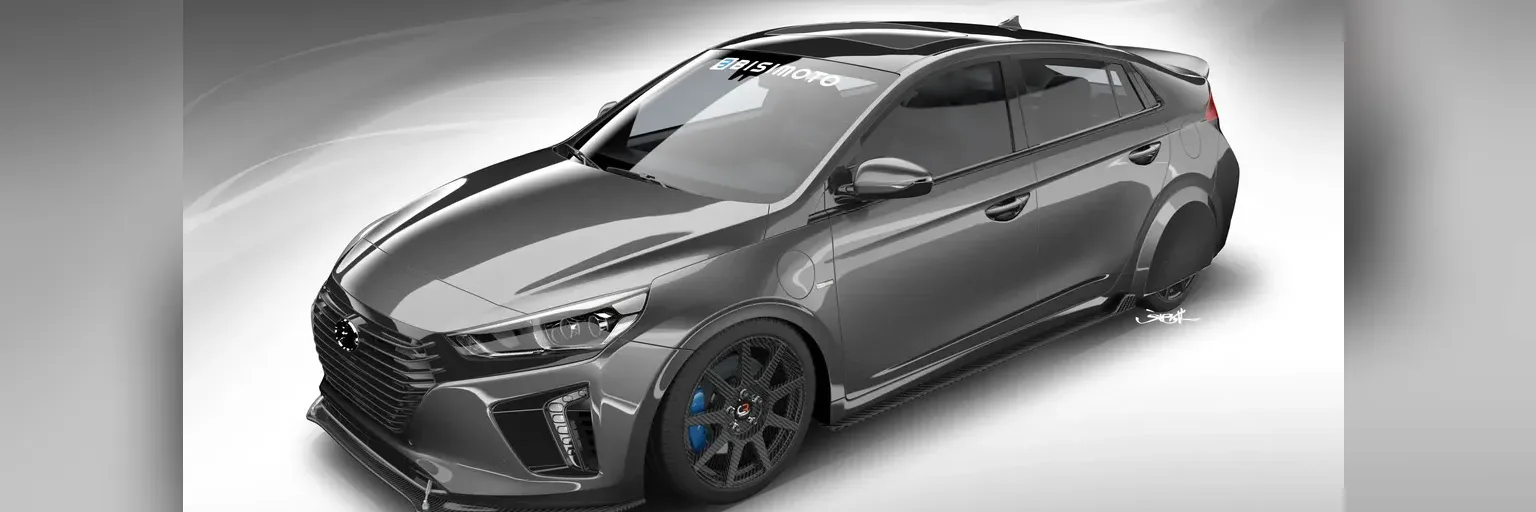
Nearly 500 km of claimed range in a compact body is compelling, but Hyundai’s new electric hatchback will only matter if its Spanish price matches its everyday mission.
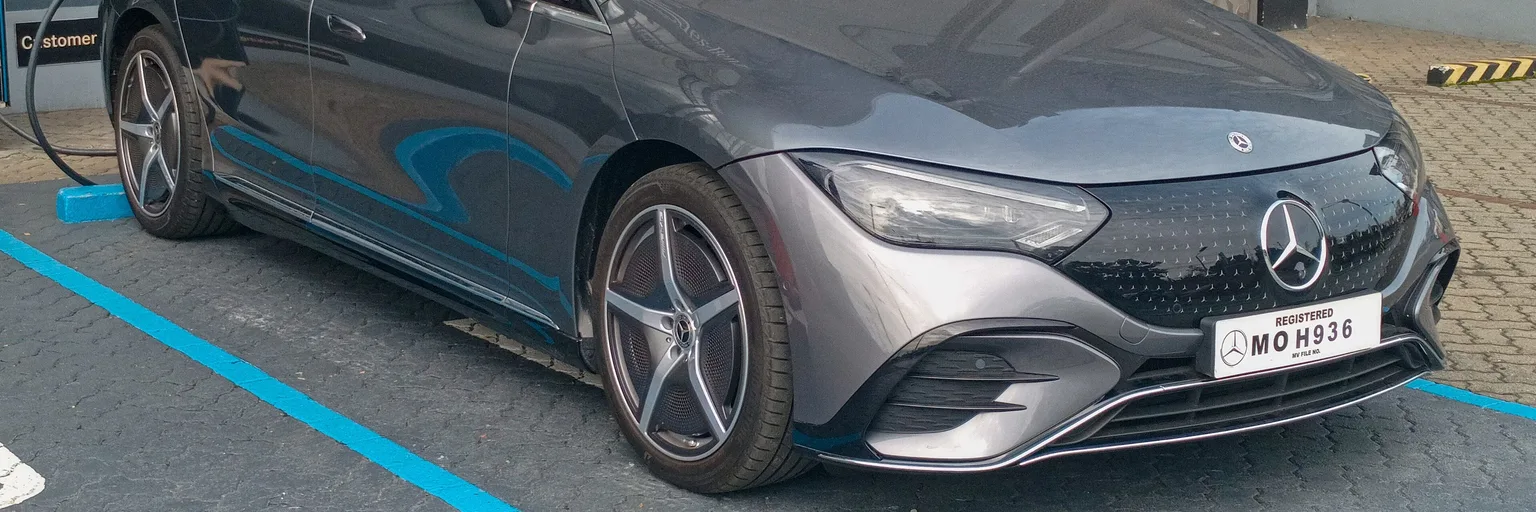
Mercedes-Benz's six-month order backlog for electric vehicles confirms robust consumer appetite in the premium segment, yet it exposes the industry's ongoing challenge to scale component supply and manufacturing to meet rising demand.
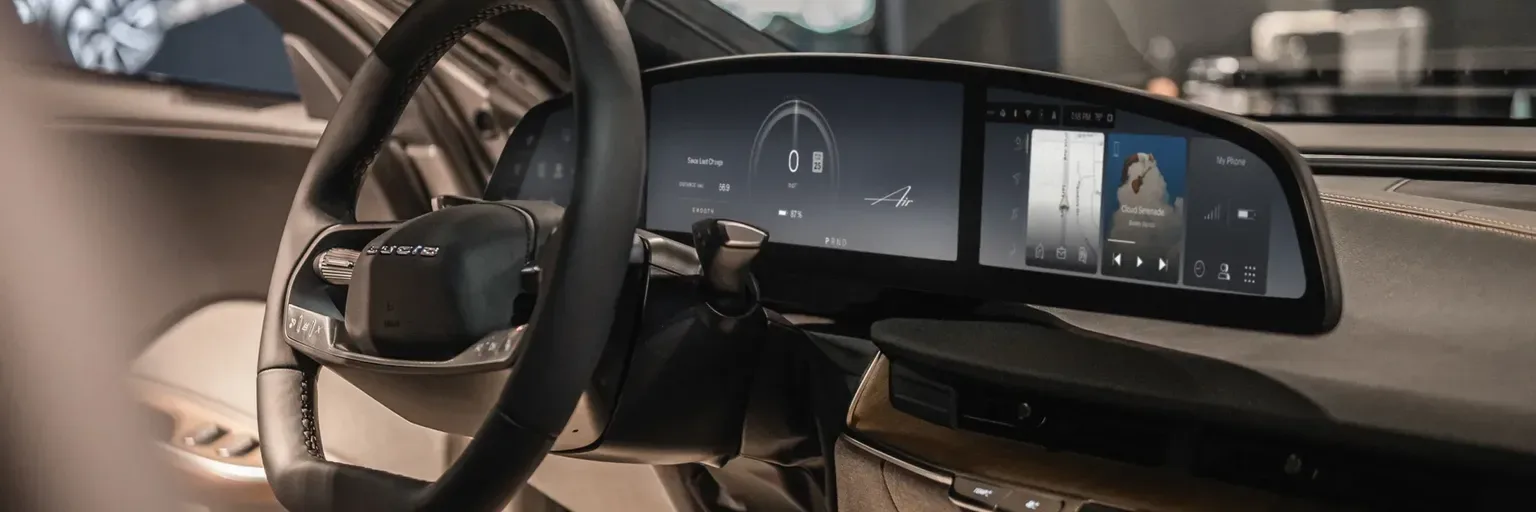
Lucid's official arrival in France with its high-end Air and Gravity EVs sets the stage for a compelling showdown, but its ultra-luxury strategy must differentiate beyond mere specs to truly succeed against established electric giants.