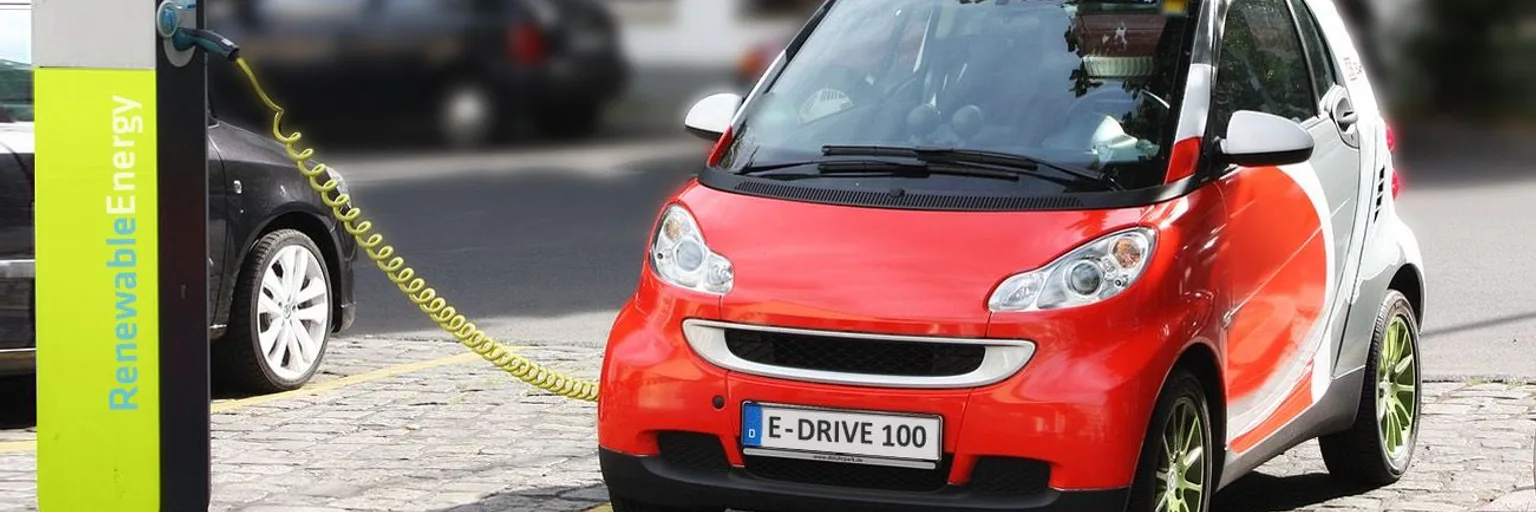
A cheap EV is only cheap if the fast charger on your route works
Sticker prices near $30,000 mean little if public fast charging lets you down. We'd spend the next dollar on reliable chargers, not on another budget model.
Photo: Chevrolet / sala de prensa (uso editorial)
What good is the cheapest EV in America if you can't count on the plug at the end of the road? That is the question we keep coming back to now that the budget segment is finally filling out. The 2027 Chevrolet Bolt and the 2026 Nissan Leaf both sit close to the $30,000 mark, and we think the industry is celebrating the wrong number.
Chevrolet says the Bolt is America's most affordable EV, with 262 EPA-estimated miles of range for under $30,000. The same page says the Bolt charges from 10% to 80% in 25 minutes on public DC fast charging, which Chevrolet says is 10 minutes quicker than the Leaf.
The price race is close enough to call
Prices vary by source. Coltura lists the Bolt LT from $27,600 and the 2026 Leaf S+ at $29,990 MSRP, with up to 303 EPA-estimated miles for the Leaf. Car and Driver's ranking shows higher starting figures for both cars. The numbers differ by trim and by when they were captured, so treat any single "cheapest" claim with caution.
Our view is that the sticker-price debate is close to settled. Two credible options around $30,000, give or take a few thousand dollars, is a healthy market. On the documented numbers, the Bolt wins on price and the Leaf on range. Neither fact helps a driver who pulls up to a broken or occupied fast charger with a low battery.
Range on paper is not range on the road
An EPA number is a lab-style promise. Highways, heat, hills and a dead charger all eat into it. A 262-mile car sounds fine until the one fast charger on your route is out of order. Then your effective range is whatever gets you to the next working plug.
The Wall Street Journal has been circling this problem for years. In a 2022 story, the headline said it all: "I Rented an Electric Car for a Four-Day Road Trip. I Spent More Time Charging It Than I Did Sleeping." In October 2026, another WSJ writer rented an EV to save money, put the total charging tab at $57.19, and said an EV would probably not be the first pick for the next road trip. Yet an August 2025 WSJ piece was more upbeat, with a summary saying EV charging is now widely available and makes EVs suitable for almost everyone.
We think both can be true. Charging can be plentiful along major routes and still fall apart where the population thins out. We don't have hard data on rural uptime in the material we reviewed, so take that as our reading, not a measurement. But a trip is only as good as its worst gap, and averages are cold comfort when you are the one stuck in it.
Build the corridor, not another model
We think the industry has its priorities backward. Every new budget EV gets a launch, a comparison table and a fan debate. Reliable rural fast charging gets a footnote. A cheaper car pulls in buyers who, we suspect, often have the least slack: tighter budgets, fewer backup vehicles and less tolerance for a stranded weekend.
There is a fair counterargument. Most driving is local, and home charging does much of the work. One of those WSJ stories notes that charging at home tends to be cheaper than using a public charger. For a commuter with a driveway, a patchy highway network is mostly irrelevant. But we suspect many buyers of affordable EVs don't have that driveway, and for them public charging is the whole story.
So our recommendation is simple. If you're shopping, don't stop at the MSRP. Plot your actual long routes with a planner, and look for redundancy: more than one charger at each stop. If you're a policymaker or a network operator, spend the next dollar on uptime and spacing along rural corridors. We think the next real breakthrough for EV adoption is a plug that works in a small town at 9 p.m., not another model that shaves a little more off the price.
No topics yet: start the first one.
More stories
MG's Spanish-built Go is a tariff dodge, and the price is its real test
Building the Go in Ferrol lets a Chinese-owned brand sidestep EU duties and look local. But a €23,000 sticker has to survive 2028 first.
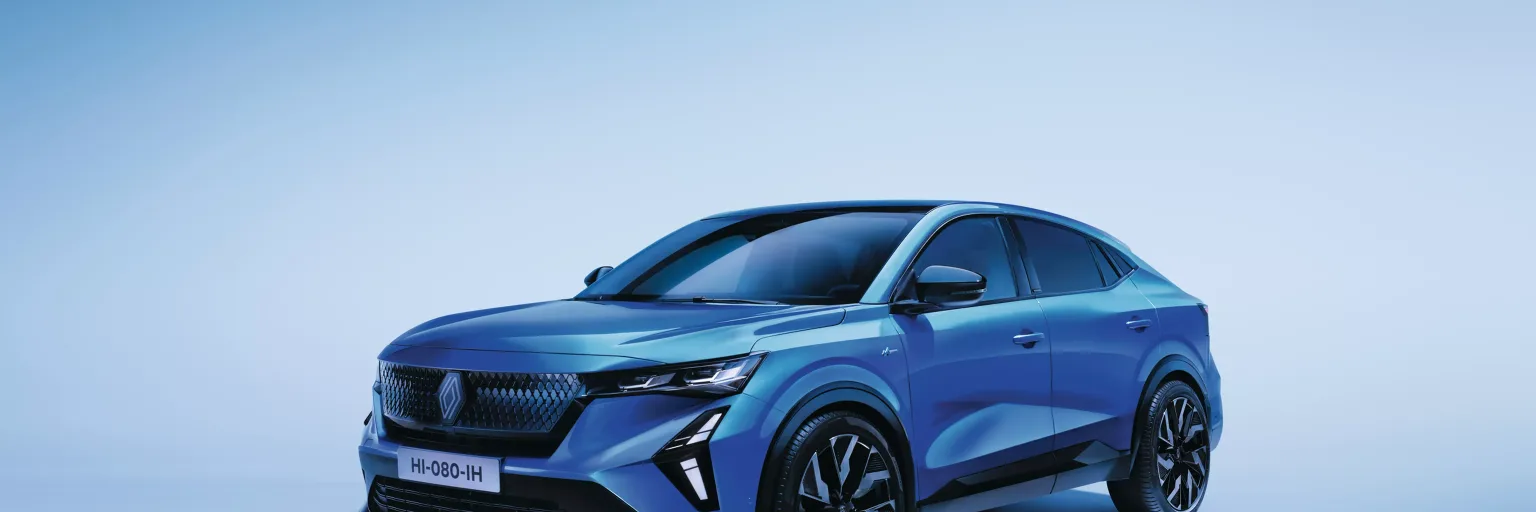
Ferrari's $560,800 Luce is selling a badge, not an EV
Ferrari's first EV reportedly lands above the V12 Purosangue in Europe, a sign it is monetizing status and scarcity, and the real test is whether buyers accept an EV on top.
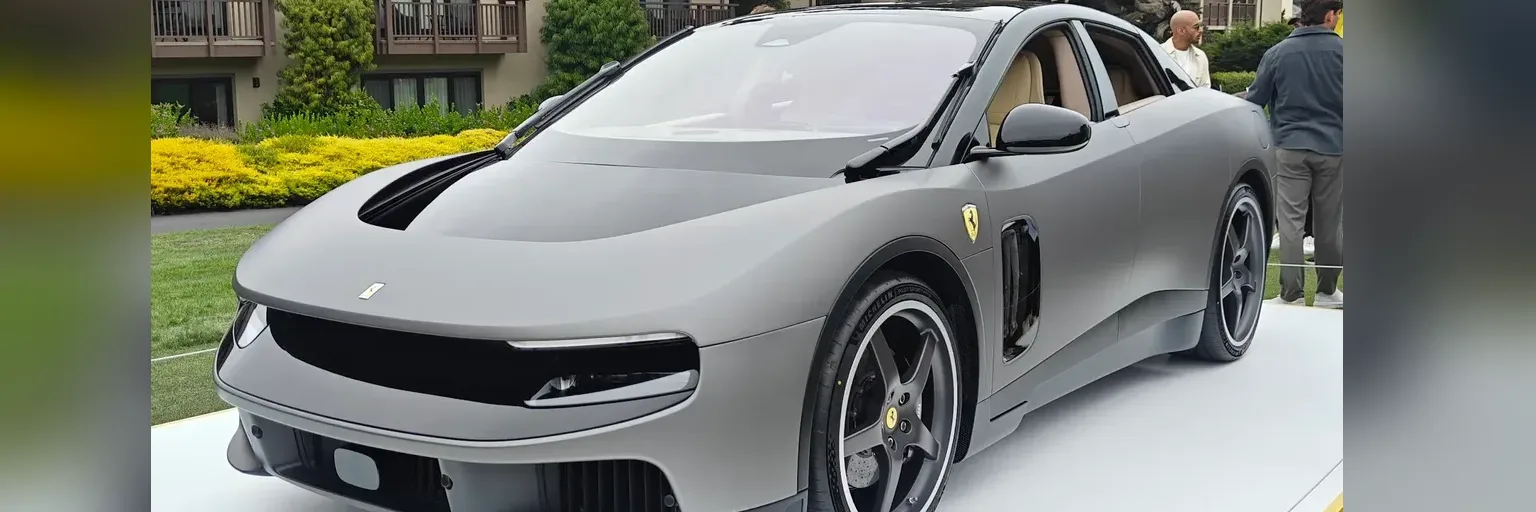
The Range Rover Electric's real test isn't its 542 hp, it's silence
With 542 hp, 333 miles and 800 volts on paper, the specs are table stakes. What's left is whether quiet refinement justifies V8 money for a Range Rover without the engine.
Pump prices may be doing what subsidies couldn't, and that's the problem
Europe's EV surge looks like a policy win, but we think pump prices and subsidy timing explain more than policy alone, and the real test comes when fuel gets cheaper.