Ferrari's $560,800 Luce is selling a badge, not an EV
Ferrari's first EV reportedly lands above the V12 Purosangue in Europe, a sign it is monetizing status and scarcity, and the real test is whether buyers accept an EV on top.
Photo: Banhada / Wikimedia Commons (CC BY 4.0)
What does it say when a brand built on the howl of a V12 prices its quietest car like a flagship? In our view, it says the product was never really the electric motor. It was the prancing horse.
Ferrari has now confirmed that the Luce starts at $560,800 in the US, according to Car & Driver. That is about $80,000 less than the roughly $640,000 that was expected at the reveal, but still the most expensive five-seater production car on sale, topping the highest trim of the Rolls-Royce Cullinan by about $50,000. Customer cars are expected in the US in the second quarter of 2027. The car has four motors, 1035 horsepower, a 122-kWh battery and an expected range of about 280 miles by EPA standards.
In Europe, the figure that circulated before launch was around €550,000. Motor1 Germany relayed a Bloomberg report, based on company-close sources, saying that would be some €100,000 above the V12 Purosangue, with the final price possibly 10% higher or lower. Treat that as a leak, not a price list. But if it holds, the headline writes itself: the first EV sits above the V12 SUV.
The price is a statement about status, not kilowatts
Look at what the money buys on paper. Yahoo Autos points out that a Lucid Air Sapphire is more powerful and faster for about half the price, and that the Luce's 280 miles of range trails most Teslas, Lucids, Rivians and BMWs. By spec-sheet logic, the Luce loses.
Ferrari doesn't care, and that is exactly the point. Nobody pulling up to a Michelin-star restaurant is cross-shopping range per dollar. The price tells the buyer that the badge, the Maranello build and the Jony Ive and Marc Newson design are the product. Electrification is the delivery mechanism. We think that's an honest bet, if not a flattering one for anyone hoping luxury EVs would democratize anything.
Putting an EV on top of the range is the real gamble
If the reported European pricing holds, placing the Luce above the Purosangue is a hierarchy claim: the future is worth more than the past. That is bolder than it sounds. The New York Post reported that Ferrari quietly delayed a second EV until at least 2028 because of weak demand, and cut its target for fully electric cars to 20% of the lineup by 2030, down from 40%. Lamborghini, it said, abandoned a project to roll out a fully electric model in 2030.
Read together, those moves suggest Ferrari isn't going all-in on electrons. It is placing one very expensive, very visible chip on the table. If it works, Ferrari has a shot at owning the "defining luxury EV" narrative before Chinese rivals claim it. If it doesn't, the damage is probably limited to one model, since Ferrari will keep building hybrids and gasoline cars. That looks like smart risk management, and we'd call it more cautious than the launch theater suggests.
There's a tension, though. To many V12 buyers, the combustion cars are probably the soul of the brand, and asking that same customer to see a four-door EV as the pinnacle is a harder sell than courting a younger, EV-friendly wealthy buyer, which the New York Post says Ferrari appears to be targeting. We suspect the Luce's customers will be mostly different people from the Purosangue's.
Scarcity is doing the heavy lifting
One number shows how collectors see this car: the "Chassis 0" Luce sold at a Monterey Car Week charity auction in August for $40 million. That is a charity auction, not a market price, and it says more about collectors' appetite for firsts than about demand for the regular car. Still, it suggests the halo is intact.
The sticking point is design. Yahoo calls the Luce the most divisive Ferrari ever, and CarBuzz wrote that it looks "more Apple than Amalfi Coast." Style can matter as much as price to Ferrari's wealthy clients, and a car that doesn't drop jaws at over half a million dollars is a different proposition from a hypercar that sells out on its looks alone.
Our verdict
Don't read the Luce as a verdict on electric performance cars. Read it as a test of Ferrari's pricing power on an unfamiliar shape with an unfamiliar powertrain. The US price coming in below the early estimate suggests Ferrari is not fully immune to gravity, but it remains well within badge territory.
If you want fast electric, plenty of cheaper cars will serve you. If you want a Ferrari that your guests can't ignore, the Luce is the one case where the price is the feature. The real answer comes in 2027, when deliveries show whether V12 loyalists, or entirely new buyers, treat a silent Ferrari as the crown of the range.
No topics yet: start the first one.
More stories
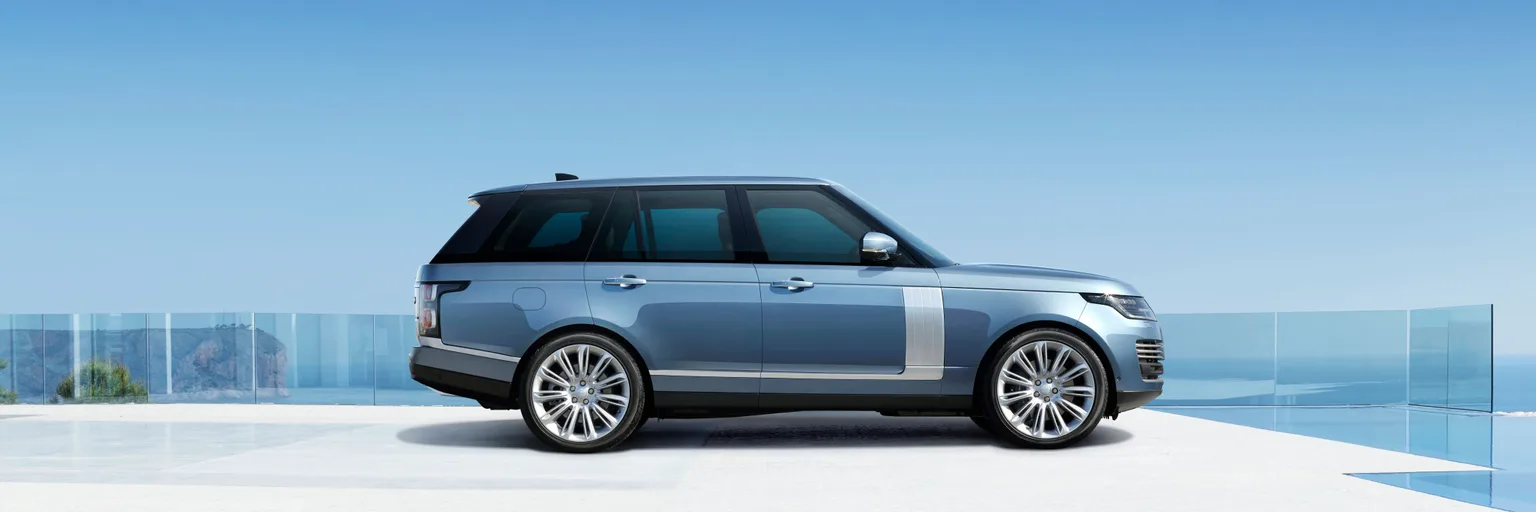
The Range Rover Electric's real test isn't its 542 hp, it's silence
With 542 hp, 333 miles and 800 volts on paper, the specs are table stakes. What's left is whether quiet refinement justifies V8 money for a Range Rover without the engine.
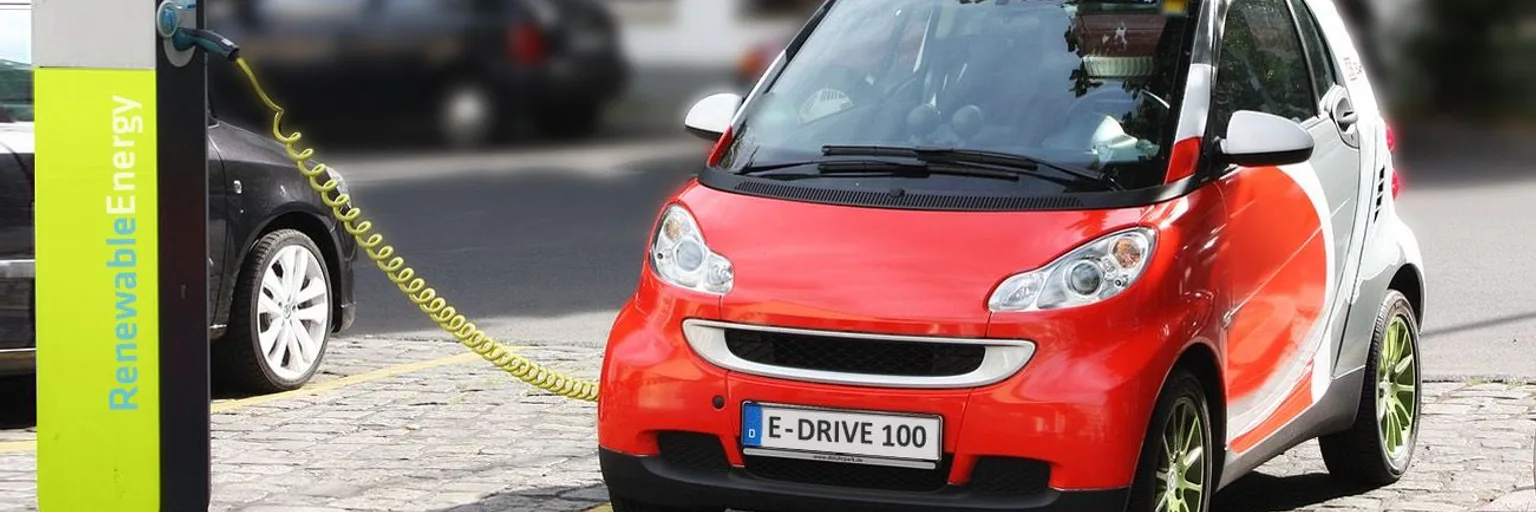
Pump prices may be doing what subsidies couldn't, and that's the problem
Europe's EV surge looks like a policy win, but we think pump prices and subsidy timing explain more than policy alone, and the real test comes when fuel gets cheaper.
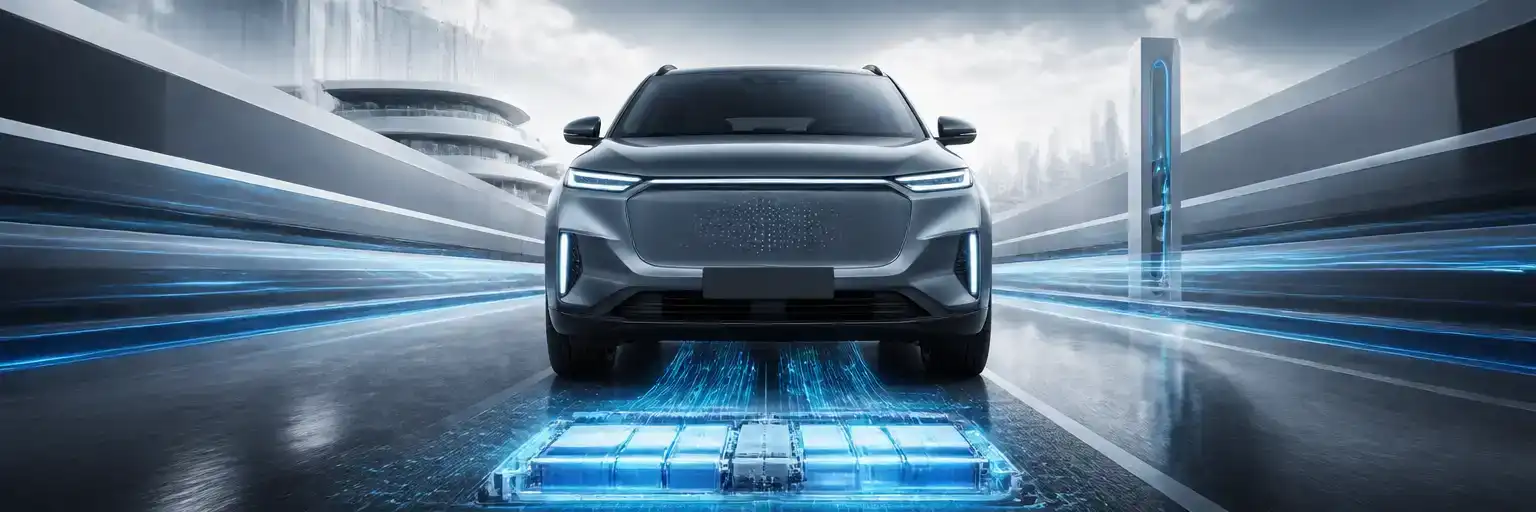
Chery’s Rhino Battery Has Big Numbers. The Road Decides Its Fate
Chery’s Rhino batteries promise extreme range and 12C charging, but durability, cost and real-world infrastructure will decide whether the technology matters.
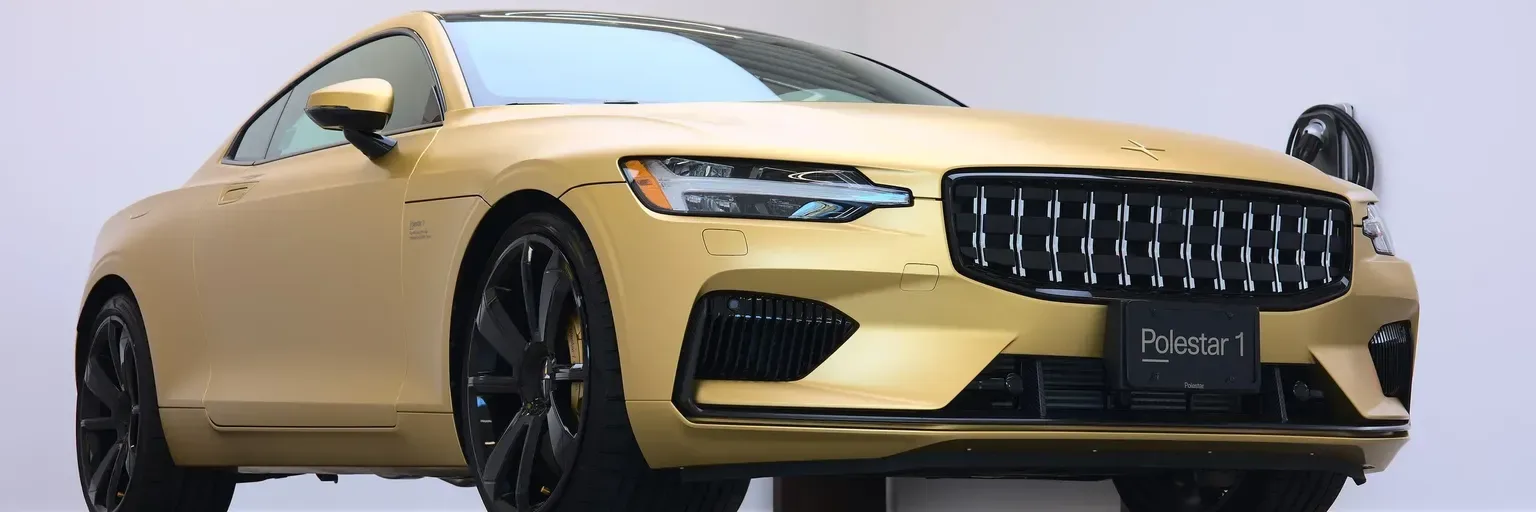
Polestar’s U.S. Problem Is Bigger Than Falling EV Registrations
Polestar’s U.S. slide exposes a deeper weakness: a premium EV brand with too little product breadth, scale or insulation from political risk.