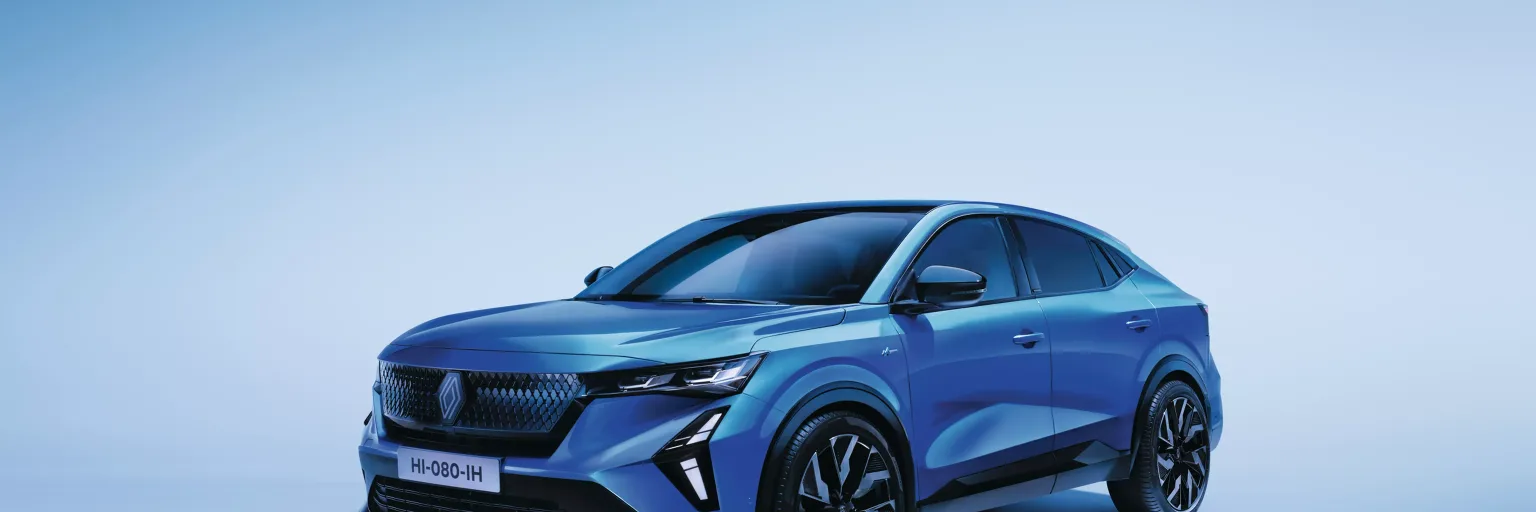
NIO Firefly's 60 kWh pack fixes range, but swap stations decide the rest
A 60 kWh CATL pack lifts the Firefly's CLTC range by a third, and swapping makes the upgrade easy. Outside China, the missing stations are the real limit.
AI-generated image
What if the cure for the small-EV range problem isn't a bigger battery, but a battery you can change like a subscription? That is the quiet argument behind the new NIO Firefly option, and it is more interesting than the headline number.
Here is what happened. As CnEVPost reports, Firefly launched a 60 kWh pack that raises CLTC range from 420 km to 560 km, about 33% more. CLTC is a generous Chinese test cycle, so real-world range will be lower. New buyers can order it from 136,800 yuan outright, or from 79,800 yuan on the battery-as-a-service plan with a 599 yuan monthly rental. Cars already delivered can be upgraded through a battery swap.
The clever part is the upgrade, not the pack
Most carmakers sell you a battery size once and that is that. Firefly designed the 42 kWh and 60 kWh packs with the same housing dimensions, mounting points and locking mechanism, so an owner can move up without replacing the car. Outright owners pay a 17,000 yuan difference. BaaS users pay a 3,000 yuan service fee and a rental that rises from 399 to 599 yuan a month.
In our view, that is the real innovation. A small city car is bought on a budget, and a budget is exactly when you underestimate how you will use it. Being able to buy the short-range version and grow later turns range anxiety into a purchase you can defer. We can't think of many conventional EVs that offer that.
The chemistry choice is also sensible. Firefly's president, Daniel Jin, said a 60 kWh LFP pack would be cheaper but heavier, and could hurt handling. The ternary CATL pack keeps the size and curb weight roughly unchanged. Both versions do 0 to 100 km/h in 7.9 seconds. Weight, not cost, was the constraint, which suggests the company cares about how the car drives.
A 4,003 mm hatchback just became a plausible only car
Previously the Firefly was a city runabout. With 560 km on the CLTC cycle, it could stretch to longer getaways, as China EV Home notes. Demand looks healthy: September deliveries were 7,327, a monthly record, and cumulative deliveries passed 90,000 on October 16.
We think the pricing is the soft spot. The 60 kWh version at 136,800 yuan costs noticeably more than the current entry price of 119.8K yuan for the 42 kWh car, and the higher rental on the BaaS plan is permanent. Whether buyers see a 'real car' or an upsell will depend on how many actually use the extra range.
Swap networks, not sticker numbers, decide the export story
Here the optimism ends. Firefly could not use NIO's fourth-generation swap stations because of its shorter body and wheelbase. It only gained access on August 7 with the fifth-generation stations, and as of October 1 NIO counted more than 89 of them across 55 Chinese cities. William Li also said last year, per Global China EV, that Firefly will not support CATL's Chocolate swap system. So the car is tied to one proprietary network, and that network is young.
Compare that with Europe. NIO's European charger map listed 61 swap stations as of October 13, and Electric Vehicles reported in May that NIO told Europe to expect no model updates until late 2027 and no new swap stations. Whatever the exact state of the Firefly there, a swap-based upgrade path means little where there is nothing to swap into. As for the US, we have seen no sign that the Firefly is coming.
The 60 kWh pack proves swapping can solve the small-EV range problem in a market that has built the infrastructure. It does not prove the idea travels. Our verdict: applaud the engineering, but judge Firefly abroad by station counts, not by CLTC figures. Until those grow, a bigger battery is only a better spec sheet.
No topics yet: start the first one.
More stories
Chery's 1.44 MW charger is a great headline, not yet a habit
Chery promises 500 km in five minutes, but the number that will matter is how many cars, stations and battery cycles can actually use that power every day.
VW's €20,000 EV is the right target, but a target isn't a sticker
Volkswagen's ID. EVERY1 aims at the price Europe has demanded for years. Whether it reaches a showroom at that number is the real question.
A cheap EV is only cheap if the fast charger on your route works
Sticker prices near $30,000 mean little if public fast charging lets you down. We'd spend the next dollar on reliable chargers, not on another budget model.

MG's Spanish-built Go is a tariff dodge, and the price is its real test
Building the Go in Ferrol lets a Chinese-owned brand sidestep EU duties and look local. But a €23,000 sticker has to survive 2028 first.