Chery's 1.44 MW charger is a great headline, not yet a habit
Chery promises 500 km in five minutes, but the number that will matter is how many cars, stations and battery cycles can actually use that power every day.
Photo: CAOA Chery / sala de prensa (uso editorial)
Is the fastest charger on a press slide the one that will change your commute? Almost never. Chery's new 1.44 MW system is the latest proof that the race for charging power has become a race for headlines, and the finish line is somewhere else entirely.
Here is what Chery says. Its "Volt-dragon" system peaks at 1.44 megawatts and, according to vybe, promises up to 500 km of added range in five minutes and a 10-to-97% charge in six minutes and 50 seconds. The same report says BYD quotes nine minutes for that jump, and that Geely has already announced a system of up to 2.2 MW.
A record that can be topped on paper is not a moat
Note the last detail. The 1.44 MW crown looks shaky before anyone has had a chance to use it, because Geely has announced a bigger number. When the title can change hands this easily, the peak figure stops being a differentiator and becomes a ticket to the conversation. In our view, that is the real story: China's brands are trading kilowatts like trading cards.
The more useful question is who has shown their work. Vybe notes that Chery gave no details on performance at very low or high temperatures, nor on which car and battery achieved the six-minute-50-second result, so the claim can't be independently reproduced. BYD, by contrast, has shown its nine-minute figure in live demos. A claim you can't check is a promise, and we'd file it that way.
The charger is the easy half
Hardware at this level is impressive, and Chery's engineering choices look sensible: the same report says the cables are liquid-cooled, yet cable and plug together weigh only two kilograms, with robot arms planned to handle plugging in. That's a nice touch, and probably necessary at these currents.
But a megawatt charger is useless without a car that can drink from it. Chip.de makes the point about BYD's 1,500 kW station in Germany: in Europe, probably only one model comes close to using it. Even modern 800-volt cars sit far below, with the new Mercedes CLA at up to 320 kW and the BMW i3 at up to 400 kW. Those are already very fast numbers. They are also a fraction of what the new chargers can deliver.
Then there is the network. Another outlet, Bild, put the problem bluntly when BYD launched its own system in 2025: the top speed is only available at special BYD chargers, so you need the matching infrastructure. The reports we've seen on Chery's announcement say nothing about how many Volt-dragon stations will exist or where. Until that is answered, we'd treat the record as a lab result with good lighting.
Battery wear is the bill that arrives later
The other missing line is durability. Chip.de reports that BYD talks about 1,000 full flash-charging cycles and long-term extreme-condition tests, but also that cell temperatures of around 70 degrees Celsius drew criticism and that independent real-world experience is still pending. If that is the state of the market leader, we'd want to see Chery put its own durability data on the table too, because the reports so far don't address it.
We don't think megawatt charging is a gimmick. For taxis, ride-hailing and long-distance drivers, saving minutes at every stop is real money and real comfort. But for the typical driver who charges at home, the difference between five and ten minutes at a motorway stop happens a few times a year, while battery degradation happens every day. Our prediction: buyers will care less about 1.44 versus 2.2 MW and more about warranty terms and whether a station is within reach.
Our verdict
Treat Chery's announcement as a signal of direction, not a purchase argument. Ask three questions of any megawatt claim: which car achieved it, how many stations exist near you, and what the maker says about battery life after hundreds of fast cycles. Until Chery answers those, the 1.44 MW figure is a headline. The habit will come from the companies that build the boring parts: the network, the thermal management and the warranty.
No topics yet: start the first one.
More stories
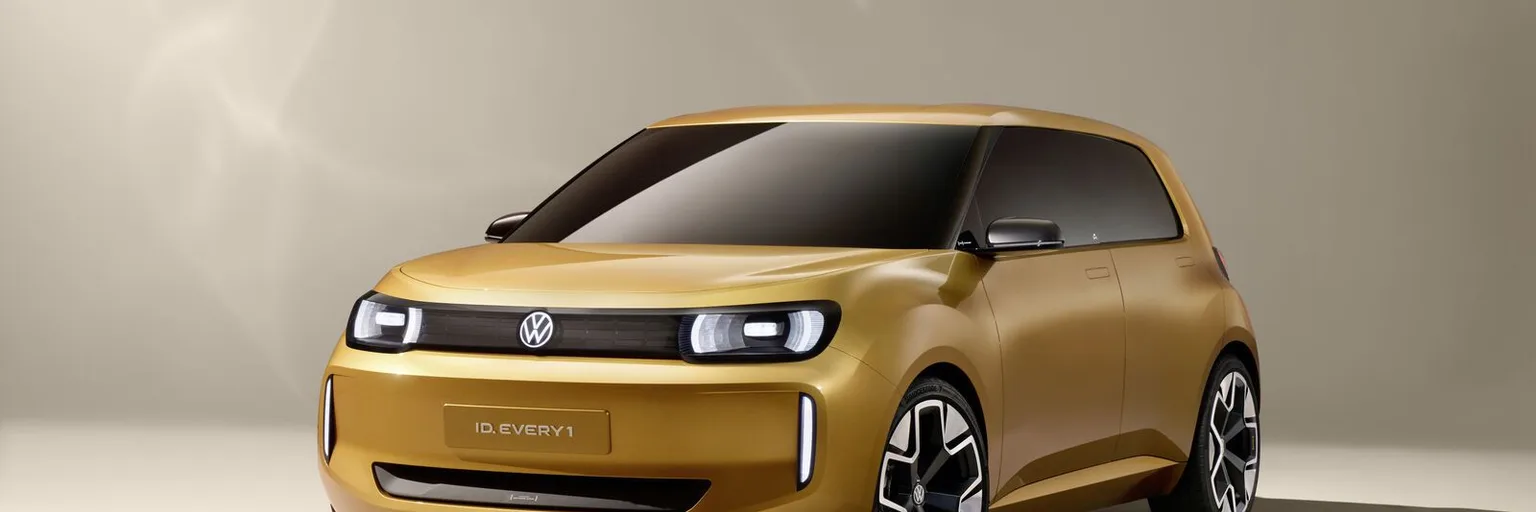
VW's €20,000 EV is the right target, but a target isn't a sticker
Volkswagen's ID. EVERY1 aims at the price Europe has demanded for years. Whether it reaches a showroom at that number is the real question.
A cheap EV is only cheap if the fast charger on your route works
Sticker prices near $30,000 mean little if public fast charging lets you down. We'd spend the next dollar on reliable chargers, not on another budget model.

MG's Spanish-built Go is a tariff dodge, and the price is its real test
Building the Go in Ferrol lets a Chinese-owned brand sidestep EU duties and look local. But a €23,000 sticker has to survive 2028 first.
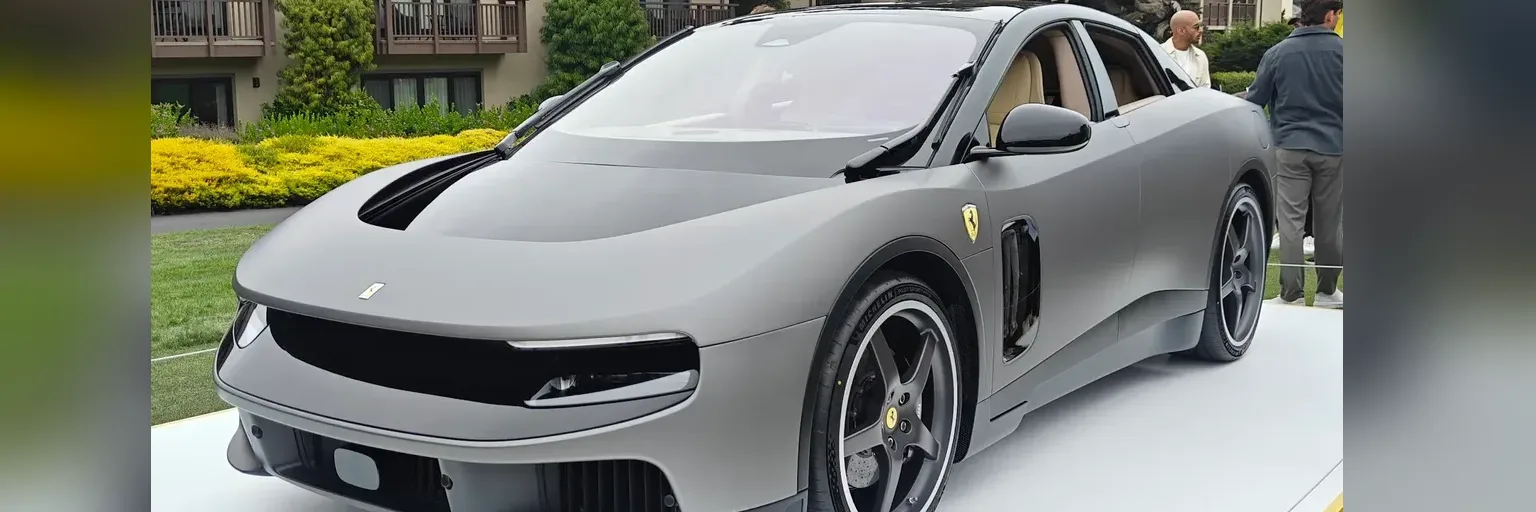
Ferrari's $560,800 Luce is selling a badge, not an EV
Ferrari's first EV reportedly lands above the V12 Purosangue in Europe, a sign it is monetizing status and scarcity, and the real test is whether buyers accept an EV on top.