MG's Spanish-built Go is a tariff dodge, and the price is its real test
Building the Go in Ferrol lets a Chinese-owned brand sidestep EU duties and look local. But a €23,000 sticker has to survive 2028 first.
Photo: Renault / sala de prensa (uso editorial)
Is "made in Europe" the new marketing slogan of Chinese carmakers? MG's plan for the Go suggests so. The brand wants a retro-styled electric supermini that goes straight at the Renault 5, and it is moving production to Galicia to make the numbers work.
Here is what we know. As Autofácil reports, MG, part of SAIC Motor, will assemble the Go in Ferrol, with an entry price around 20,000 pounds, roughly €23,000. The car is about 4.0 meters long. Construction is due to start in 2027 and production at the end of 2028, with the first cars arriving from Asia before then. Technical data is another matter: testcoches.es notes that MG has not published battery, power or range figures, so we would ignore any spec sheet circulating for now.
Those figures are not fully settled, though. Other outlets describe the same car as the MG2 and talk about a target below €20,000. The Go name appears to be what the street car will keep, according to testcoches.es citing Autocar. When sources disagree this much, treat every price as a hope, not a promise.
The factory is a tariff strategy, not a love letter to Spain
Let's not romanticize it. Autofácil says SAIC faces the highest EU duty on Chinese-built EVs: 35.3% on top of the standard 10%. LitioLatte puts it bluntly: there is no industrial romanticism here, just arithmetic. An MG assembled in Ferrol is, for customs purposes, a European car.
We think that is smart, and also a little uncomfortable for Brussels. The duties make local assembly very attractive, and that is exactly what is happening. Whether it counts as a policy success depends on how much value stays in Galicia. The first phase is kit assembly (CKD) with bodies arriving already painted, so for now this is closer to finishing than to manufacturing. Welding and painting are planned for later.
"Made in Spain" buys trust, and trust sells small cars
A €23,000 car from a Chinese-owned brand needs more than a low price. It needs to feel like a safe choice. A Spanish factory, local jobs (roughly 2,000 according to Autofácil, other outlets give higher counts) and a design studio in London all help. The Go's pitch is style, not bargain-bin transport. MG itself told Autocar, via testcoches.es, that it will be sold as fun and stylish rather than as a low-cost EV.
That looks like the right call. At about 4 meters, it will not beat the Geely E2 or the Leapmotor B03 on space, since both are larger. Design is the only argument left, and the Renault 5 has already shown that nostalgia sells.
The price has to survive three things
First, the subsidy. Testcoches.es calculates that under the current Plan Auto+ rules an EU-assembled EV under €35,000 gets €4,050, which could push a €21,700 Go below €18,000. That €21,700 is the outlet's own estimate, not an MG price. The plan is funded for 2026 only, and nobody knows what will exist in 2028.
Second, rivals. Testcoches.es notes the Renault 5 was announced in Spain from €24,900, while the Geely E2 is on sale from €20,990 and the B03 is expected near €20,000. Both will also be built in Spain. If everyone dodges the same tariff, the advantage disappears and the fight returns to cost and desirability.
Third, politics and execution. One report says Army security reports describe the facility as a threat, and LitioLatte reminds us that Ferrol is, so far, a serious commitment and not yet a factory under construction. Capacity is also generous: the plant could build up to 120,000 vehicles a year, while the first model alone is pegged at 73,000, so a second car will be needed.
Our verdict
The Go is the most interesting kind of EV news: not a spec sheet, but a business model. Localizing production is how Chinese-owned brands turn a penalty into a selling point. We would not bet against MG on design or on the tariff logic.
But we would not trust any price until it appears on a Spanish configurator. If you are eyeing a Renault 5, wait. The Go probably will not arrive in volume from Spain until 2028 at the earliest, and by then the real winner may be whoever kept costs lowest, wherever the car was screwed together.
No topics yet: start the first one.
More stories
A cheap EV is only cheap if the fast charger on your route works
Sticker prices near $30,000 mean little if public fast charging lets you down. We'd spend the next dollar on reliable chargers, not on another budget model.

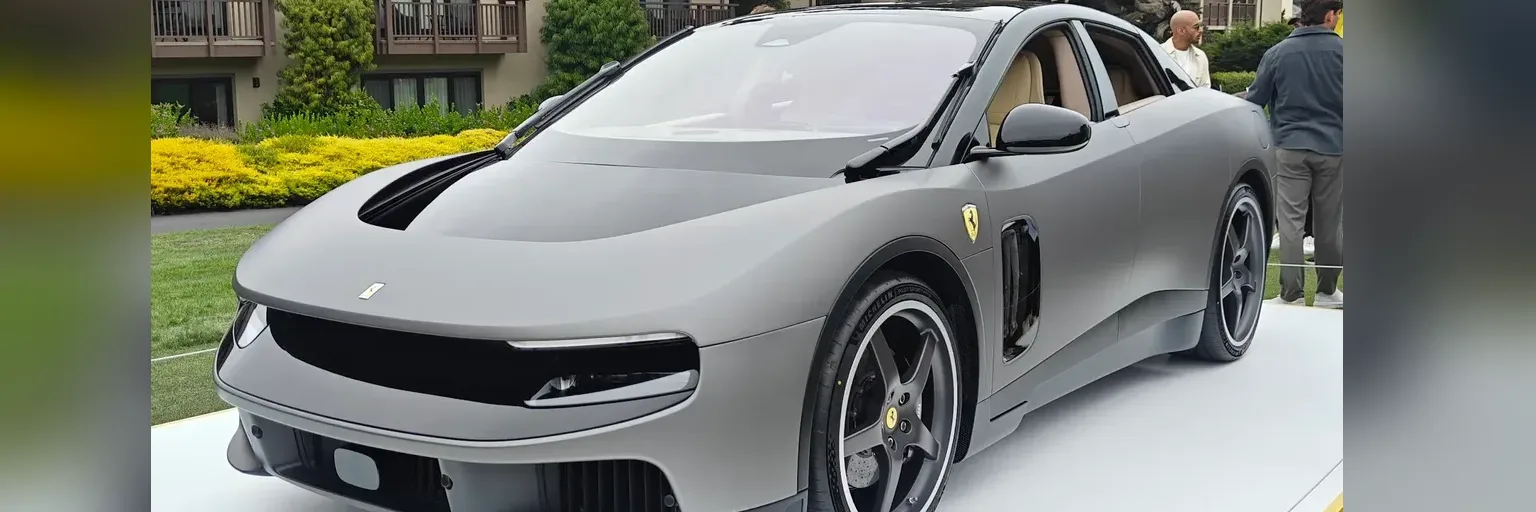
Ferrari's $560,800 Luce is selling a badge, not an EV
Ferrari's first EV reportedly lands above the V12 Purosangue in Europe, a sign it is monetizing status and scarcity, and the real test is whether buyers accept an EV on top.
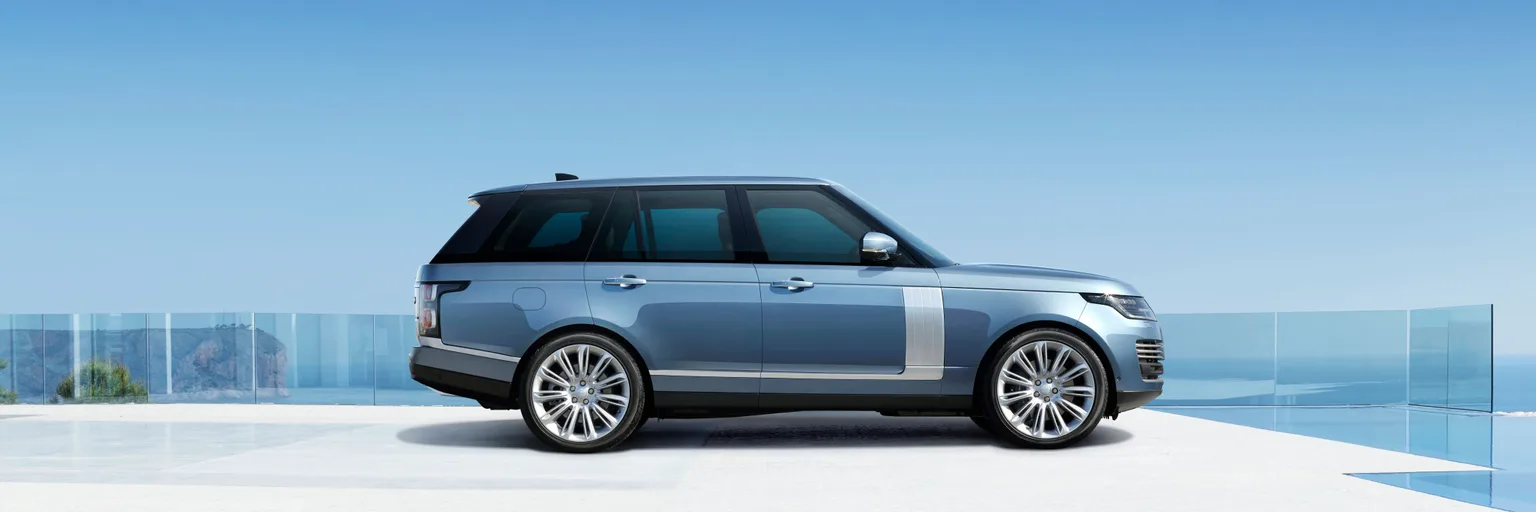
The Range Rover Electric's real test isn't its 542 hp, it's silence
With 542 hp, 333 miles and 800 volts on paper, the specs are table stakes. What's left is whether quiet refinement justifies V8 money for a Range Rover without the engine.
Pump prices may be doing what subsidies couldn't, and that's the problem
Europe's EV surge looks like a policy win, but we think pump prices and subsidy timing explain more than policy alone, and the real test comes when fuel gets cheaper.