Li Auto’s EV strategy is selling confidence, not just batteries
Li Auto’s move into batteries, motors and chips suggests the next Chinese EV advantage is accountability: making the promise feel more credible than the specification.
AI-generated image
What if the most important EV specification is not charging speed or range, but who is willing to stand behind the car when something goes wrong? That is the bet behind Li Auto’s accelerating push into batteries, electric-drive systems, motors, chips and range extenders. The company is not merely trying to replace suppliers with its own parts. It is trying to make the ownership promise feel more coherent.
That distinction matters. Li Auto’s latest battery announcement says its self-developed 5C batteries will spread across nearly the entire lineup during 2026, while the L9 is expected to switch next year. The company’s model is not pure vertical integration: it develops the technology and sets the standards, while manufacturing remains with partners. 36Kr reports that Sunwoda and CALB are identified as cell suppliers in relevant filings, with Li Auto also taking an 8.79% stake in Sunwoda Power.
The real product is accountability
Li Auto’s industrial strategy is easy to describe as a technology story. It has developed the architecture of its 5C battery, including the cells, pack and battery-management system; its official site describes a self-developed motor with CLTC efficiency of 93.08%; and the company is also bringing its own intelligent-driving chip and range extender into new models. Those are meaningful capabilities, but they are not the most interesting part.
The stronger argument is responsibility. When an automaker controls the design rules, validation and quality targets for a critical component, it has fewer places to hide behind a supplier when a customer encounters a problem. That does not automatically make the component safer. It does, however, make the brand’s accountability more visible.
This is especially important for batteries, where customers are buying a long-term risk profile rather than a single headline number. Li Auto currently offers an 8-year or 160,000-kilometer warranty, guaranteeing at least 75% remaining battery health. It is also targeting batteries with a lifespan of 10 years or 300,000 kilometers. News18 reports that the company’s stated approach is to retain a multi-supplier strategy rather than become a conventional battery manufacturer.
That is the right compromise in principle. A carmaker should own the design and validation of the parts that define the product, but it does not need to manufacture every cell itself. Li Auto’s approach looks less like a rejection of suppliers than an attempt to move up the bargaining and engineering chain.
A lifetime promise is powerful—and fragile
The language around lifetime support is emotionally effective because it addresses the fear behind EV adoption: not whether the car is fast today, but whether an expensive battery will become an orphaned liability later. Yet lifetime guarantees are not the same thing as lifetime reliability. They transfer some risk from the owner to the manufacturer; they do not eliminate the underlying engineering challenge.
Li Auto’s own history shows why consumers should read the promise carefully. In 2021, the company reportedly planned to reduce lifetime coverage for the battery, drive motor and motor controller to 8 years or 120,000 kilometers. CnEVPost reported that the change would also affect first-time owners and the extended-range system.
That does not invalidate today’s guarantees. It does show that warranty policy is a business decision, not a permanent law of nature. Coverage can change with ownership rules, model years, cost pressures and market conditions. The lesson for buyers is simple: inspect the exact terms attached to the exact vehicle, rather than treating “lifetime” as a universal promise.
Safety response will define the brand more than slogans
The case for stronger ownership confidence becomes more complicated when a battery-related incident enters the conversation. In October 2025, Li Auto recalled 11,411 2024 Mega vehicles in China after a fire. The company attributed the risk to a coolant defect that could, in extreme conditions, lead to thermal runaway, while saying its investigation excluded the battery cells as the cause. The recall included replacement of the coolant, battery pack and front motor controller, plus an extended standard warranty.
That episode should not be turned into a simplistic verdict on Li Auto’s technology. Recalls are evidence that a manufacturer is finding and addressing risk, not proof that every vehicle is unsafe. But it does raise the standard for the company’s promises. If Li Auto wants to compete on trust, its response must be transparent, fast and durable—not merely generous after an incident becomes public.
More broadly, any replacement policy would reassure customers, but it would not substitute for preventing the underlying event. A lifetime promise is most persuasive when it is rarely needed.
China’s EV advantage is becoming a confidence advantage
Li Auto’s strategy also exposes a broader shift in the Chinese EV market. The first phase of competition emphasized visible specifications: charging rates, screens, range and acceleration. The next phase is more operational. Who can secure supply? Who can validate the software and hardware together? Who can repair, replace or support a vehicle over years rather than through the delivery ceremony?
Li Auto is well positioned for this argument because its self-developed systems are being introduced across a recognizable family lineup instead of appearing as isolated laboratory projects. But scale will be the test. The company must prove that its battery designs can be manufactured consistently, that partner production does not dilute its standards, and that ambitious guarantees remain viable outside China.
Our verdict: Li Auto’s in-house push is strategically smarter than a simple “build everything yourself” narrative. The winning formula is ownership of the critical engineering decisions, paired with disciplined manufacturing partnerships and warranties that survive commercial pressure. For buyers, the attractive part is not the word “lifetime.” It is whether Li Auto can turn that word into a record of dependable products, clear terms and credible support across markets.
No topics yet: start the first one.
More stories
Obrist’s Bankruptcy Is a Reality Check for Range Extenders
Obrist showed how methanol and clever hybrid hardware could address EV pain points. Bankruptcy shows that engineering elegance is only the first hurdle.
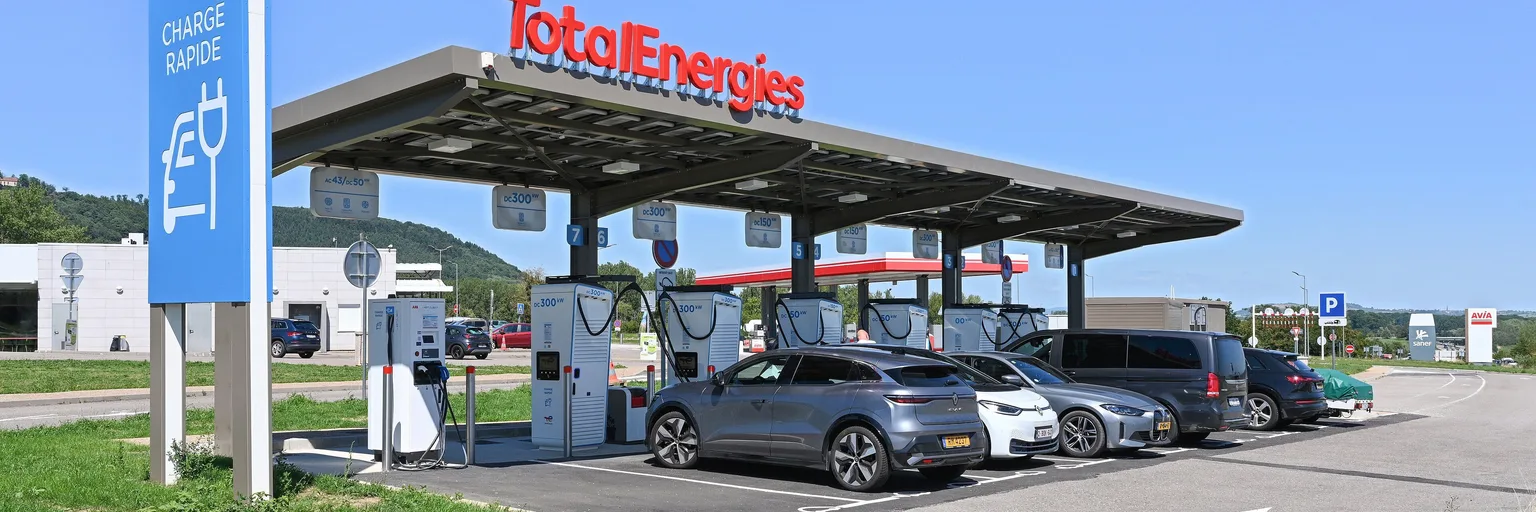
Europe Needs More Than Charging Points to Win the EV Race
Europe’s charging network is expanding rapidly, but the real test is whether deployment also builds a resilient, competitive industry behind the hardware.
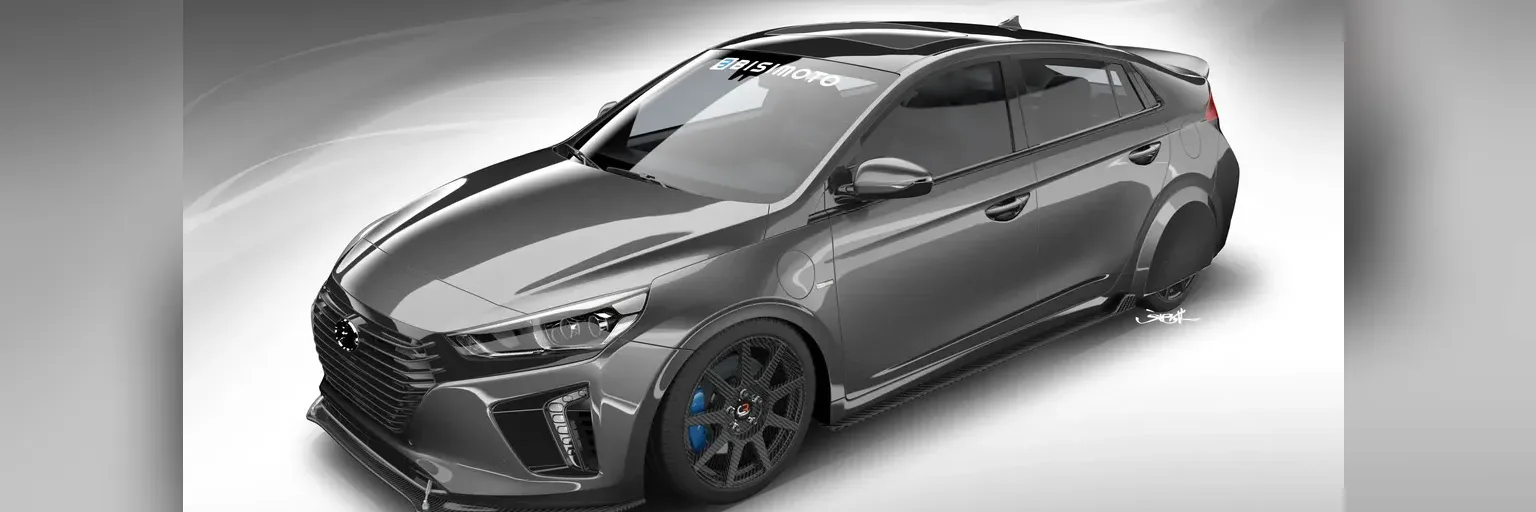
The Hyundai IONIQ 3 Gets the Hardest EV Equation Right
Nearly 500 km of claimed range in a compact body is compelling, but Hyundai’s new electric hatchback will only matter if its Spanish price matches its everyday mission.
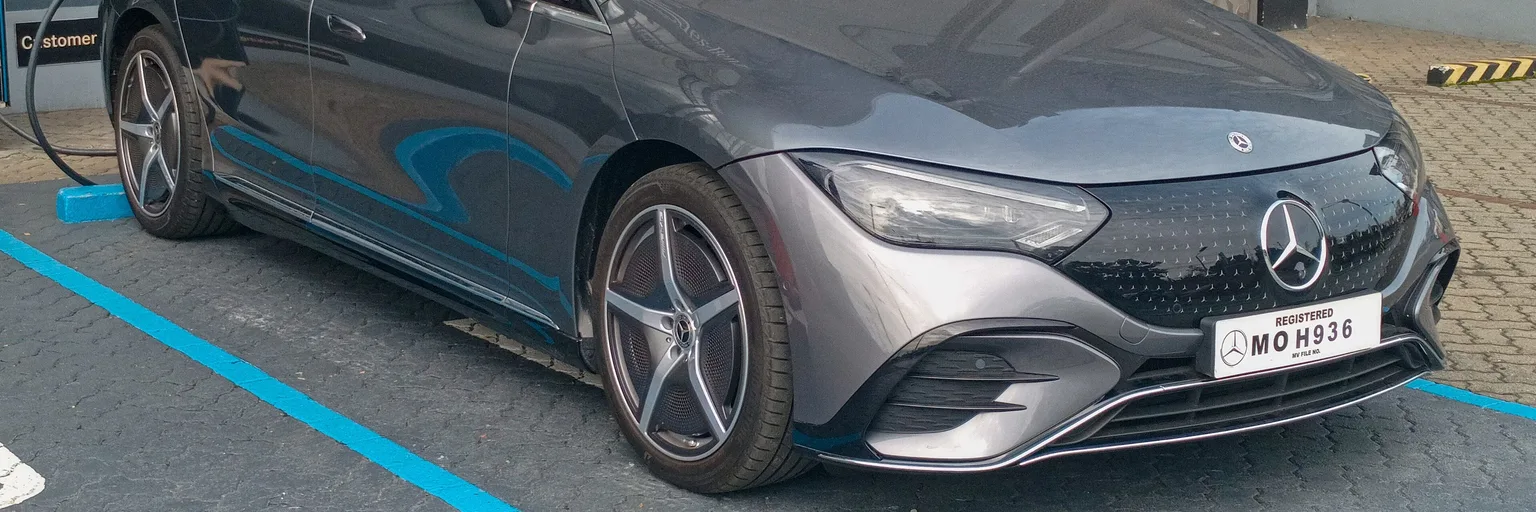
Mercedes' EV Backlog: A Triumph of Product, A Test of Production
Mercedes-Benz's six-month order backlog for electric vehicles confirms robust consumer appetite in the premium segment, yet it exposes the industry's ongoing challenge to scale component supply and manufacturing to meet rising demand.