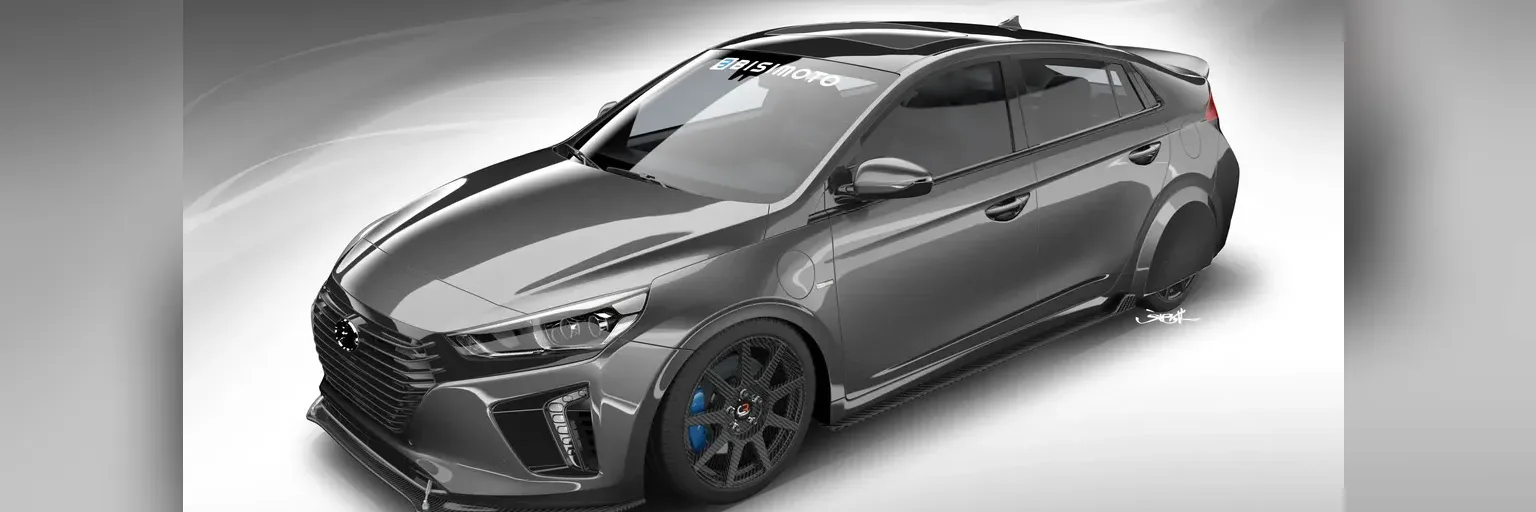
America’s EV problem is the cars it can’t buy
Gas prices are making electric driving more attractive, but high prices, shrinking supply and weak product access are steering buyers toward hybrids instead.
Photo: https://www.styx.at/ / Wikimedia Commons (CC BY-SA 4.0)
What if America’s EV slowdown is being misread? The popular explanation is that drivers saw higher gasoline prices and still rejected electric cars. The more convincing explanation is less comfortable for automakers: many shoppers were interested, but the market offered too few affordable EVs, while hybrids were ready on dealer lots.
The timing is hard to ignore. After the February 28, 2026, strikes on Iran, gasoline prices rose from US$2.94 to $4.35 a gallon within three months, according to the Omaha Daily Record. Yet fully electric vehicle sales fell 16% from March through May compared with the same period in 2025, while hybrid sales rose 18%. That looks like a consumer verdict—until we look at what was actually available.
The evidence points to a market that is not short of curiosity. It is short of the right products at the right prices, and often short of the retail confidence needed to sell them.
Gas prices expose the EV market’s product problem
Higher fuel prices should make an electric car more attractive. They reduce the running-cost advantage of gasoline vehicles and make a household’s powertrain choice more consequential. But fuel prices do not erase the purchase-price gap, charging questions or the basic need to find a vehicle that fits a buyer’s life.
That is why the response to the 2026 fuel shock favored conventional hybrids so strongly. Between February and May, 56,000 households moved away from gasoline vehicles toward hybrids or EVs, but 38,000 chose conventional hybrids and only 18,000 chose EVs. The analysis from Resources for the Future says conventional hybrids grew from 14% to 17% of new-vehicle sales during the first three months of the war, while all-electric vehicles did not rise above their prewar share.
That is not proof that electric driving failed. It is proof that buyers often choose the least disruptive answer to an expensive problem. A hybrid promises lower fuel consumption without requiring a charging routine, a home-installation decision or a leap into a still-confusing retail experience. If EV makers want to win that buyer, “electric is better” is not enough. The car has to be an easy purchase, too.
A $55,211 average is not mass-market access
The central obstacle remains affordability. Cox Automotive put the average transaction price for a new EV at $55,211 in April, about $6,214 above the average for gasoline and hybrid vehicles. Incentives averaged $7,640, but discounts are not the same thing as a genuinely affordable product: they can vary by model, location, eligibility and dealer strategy.
The used market offers a more promising route, but even there the story is not simply “cheap EVs are everywhere.” Cox reported an average used EV listing price of $35,895 in April, while Recurrent’s later data put the average at $37,441 in August, still 8% above August 2025. More than half of used EV listings in September were priced below $30,000, according to Recurrent, but rising demand is already putting pressure on the cheapest inventory.
That matters because the market’s most persuasive EV argument may not be a new vehicle at all. A three-year-old electric car can offer newer technology and lower mileage than a similarly priced, older gasoline vehicle, as Edmunds data cited by CNBC suggested. But buyers need to find those cars, understand battery and charging considerations, and trust the seller. Availability is a product feature when the purchase is this consequential.
Automakers treated policy uncertainty as demand uncertainty
The industry appears to have made a strategic mistake: it interpreted the end of federal incentives as evidence that Americans no longer wanted EVs, then reduced supply just as fuel prices made efficiency more valuable.
The consequences were visible in inventory. New EV supply fell from roughly 130 days in the first quarter to 78 days by August, according to the Omaha Daily Record. Cox’s April figure was similar at 79 days, with inventory more than 20% below the year-earlier level. Meanwhile, the median discount on a new EV listing narrowed from 9.8% below sticker price in February to 4.7% in June.
That does not describe a market drowning in unwanted cars. It describes a market becoming tighter while still expensive. The contradiction is the story: EVs can be difficult to sell at scale and still be difficult for a shopper to locate at an acceptable price.
Dealers are part of this equation. A franchise network accustomed to gasoline vehicles can move hybrids as a familiar compromise. Selling an EV requires more than parking one near the showroom entrance; it requires clear answers about charging, ownership costs, trade-ins and used-market value. When supply is uneven and incentives are complicated, the path of least resistance is to sell what staff already understand and what customers already recognize.
The used market is the real opening
The strongest case for EV adoption in the United States now comes from the secondary market. Cox recorded 42,080 used EV sales in April, up 16.7% year over year, while used EV market share reached a record 2.8%. Recurrent also expects more than 500,000 leased EVs to return as used cars in 2026, with even more arriving next year.
That expanding supply can create the variety the new market has failed to deliver. It can also make EV ownership less dependent on a single brand or a premium budget. But the opportunity will be wasted if dealers treat used EVs as risky leftovers rather than as the entry point for mainstream buyers.
Our verdict is straightforward: Americans do not need another argument that electric cars work. They need affordable vehicles, predictable access and retailers capable of explaining them without friction. Hybrids are winning the current moment because they are available and familiar, not because the EV idea has been disproved.
For shoppers, the smart move is to compare the total cost of a used EV against a new hybrid rather than assume the newest electric model is the answer. For automakers, the message is sharper: stop measuring demand only by showroom conversions after cutting the supply. The next US EV winner will probably be the company that makes electric driving feel ordinary—and makes the purchase ordinary, too.
No topics yet: start the first one.
More stories
Li Auto’s EV strategy is selling confidence, not just batteries
Li Auto’s move into batteries, motors and chips suggests the next Chinese EV advantage is accountability: making the promise feel more credible than the specification.
Obrist’s Bankruptcy Is a Reality Check for Range Extenders
Obrist showed how methanol and clever hybrid hardware could address EV pain points. Bankruptcy shows that engineering elegance is only the first hurdle.
Europe Needs More Than Charging Points to Win the EV Race
Europe’s charging network is expanding rapidly, but the real test is whether deployment also builds a resilient, competitive industry behind the hardware.
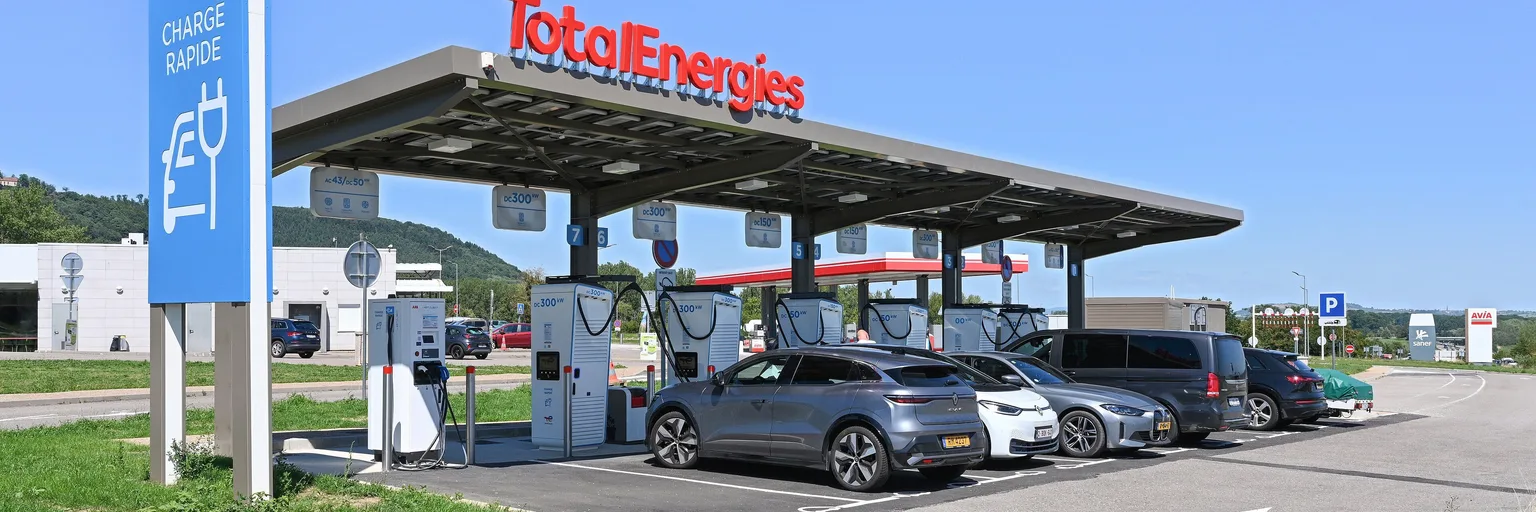
The Hyundai IONIQ 3 Gets the Hardest EV Equation Right
Nearly 500 km of claimed range in a compact body is compelling, but Hyundai’s new electric hatchback will only matter if its Spanish price matches its everyday mission.