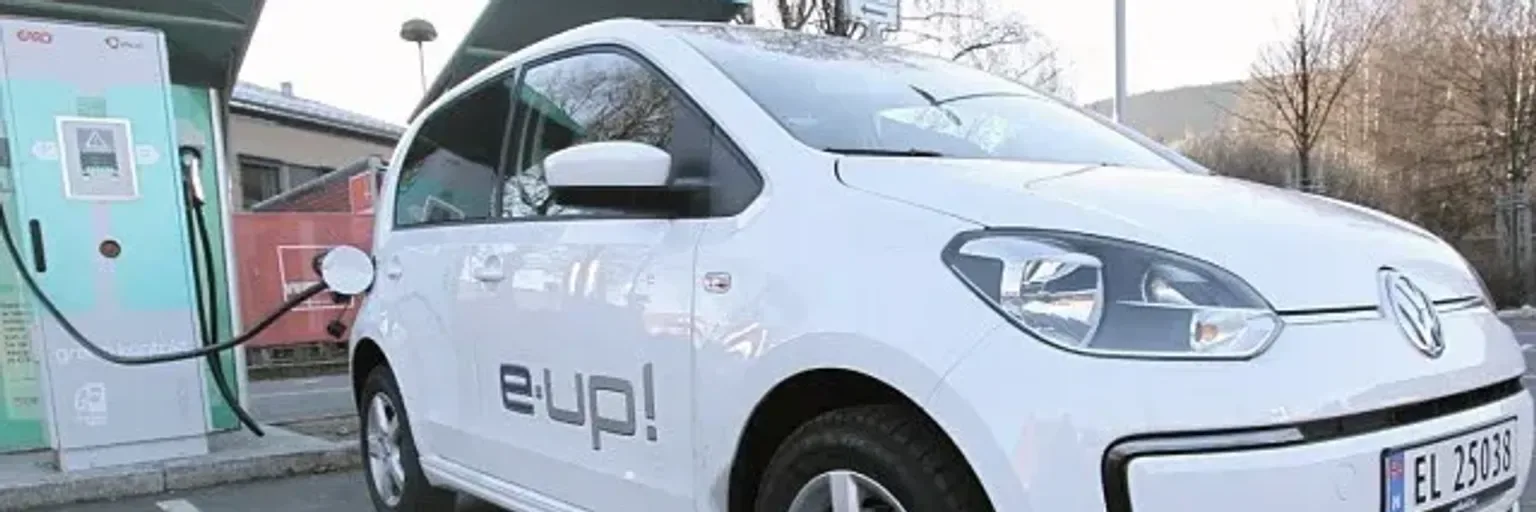
Norway's 95% EV share is a policy design, not a market miracle
Everyone quotes Norway's near-total electric share of new car sales. The number matters less than the decades of deliberate policy that produced it, and the quiet exit now underway.

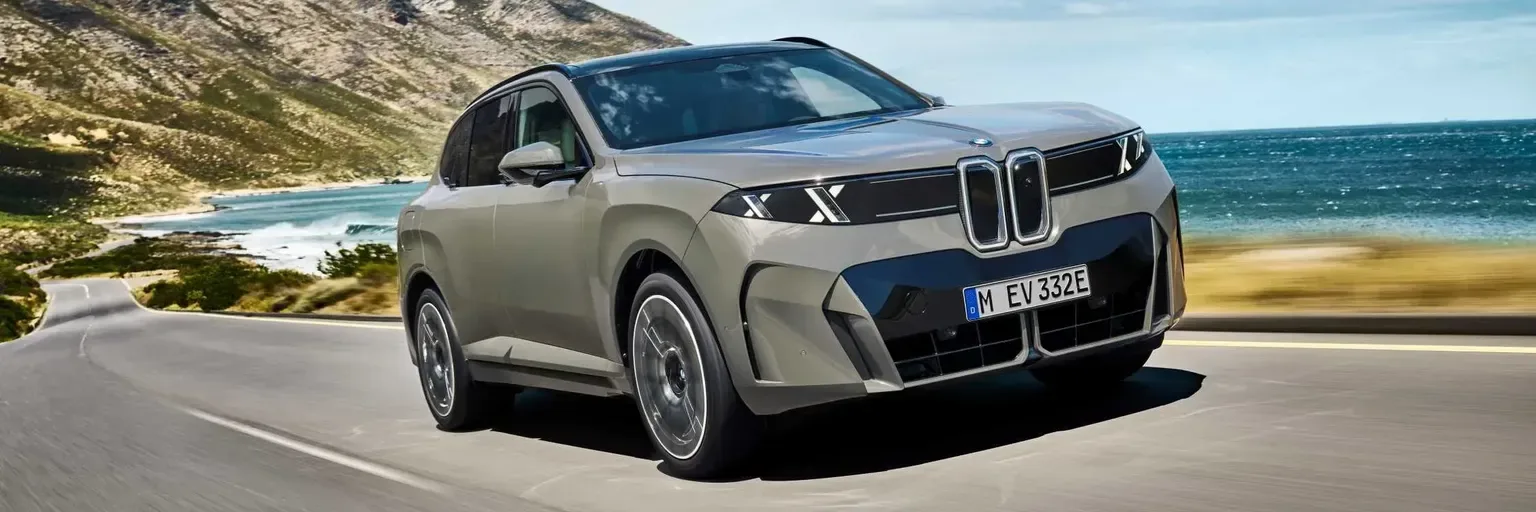
The Neue Klasse sedan out-ranges the Model 3 and drives like a 3 Series should, but a US price BMW hasn't set and its software will decide whether it wins.
French buyers are exploiting a gap in EU tariffs to import near-new BYD and Xiaomi EVs. The discount is real, but the paperwork and the unknowns may eat the savings.
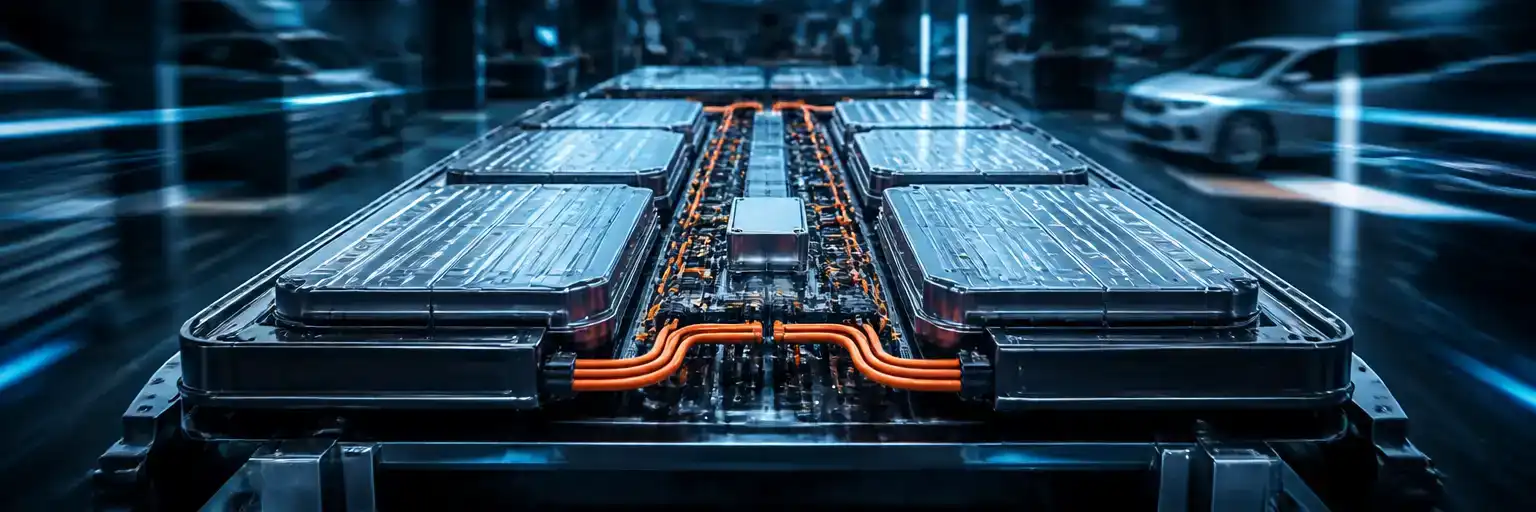
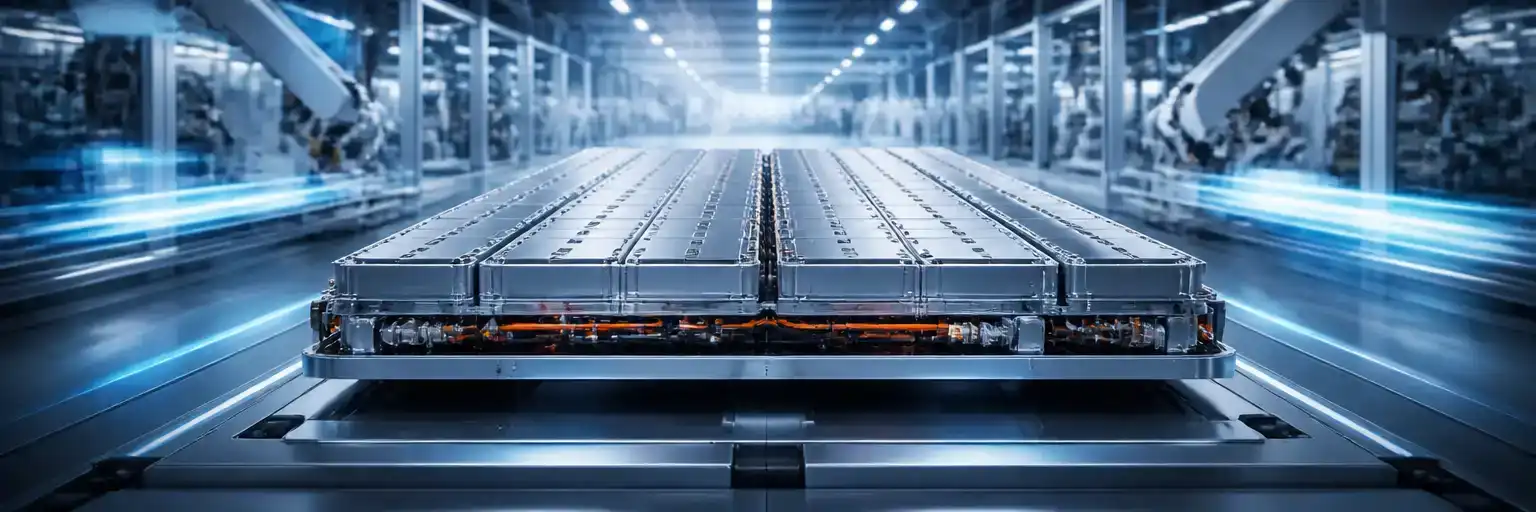
Moving European EVs to cheaper LFP cells in 2027 attacks the real cost problem, but the timing and the unquantified trade-offs deserve skepticism.
Britain's pay-per-mile EV tax could become a template for other countries, but it only works if privacy is airtight, the price per mile is transparent and early adopters aren't punished.
A UK analysis of 47.4 million inspections suggests high-mileage EVs fail less often than petrol cars. The mileage fear looks like the wrong number to worry about.
A 1,000 km range promise tells you little until it's tested on real roads. Charging speed and price decide whether a battery matters to buyers.
Svolt's mass-produced 100-kWh Dragon Armor pack shows semi-solid is a real shortcut. The 12-minute and million-km claims are still marketing until independent data shows up.
CATL and Huawei promise a 99-second battery swap, but without packs shared across brands it remains a closed-network perk rather than a real answer to charging.
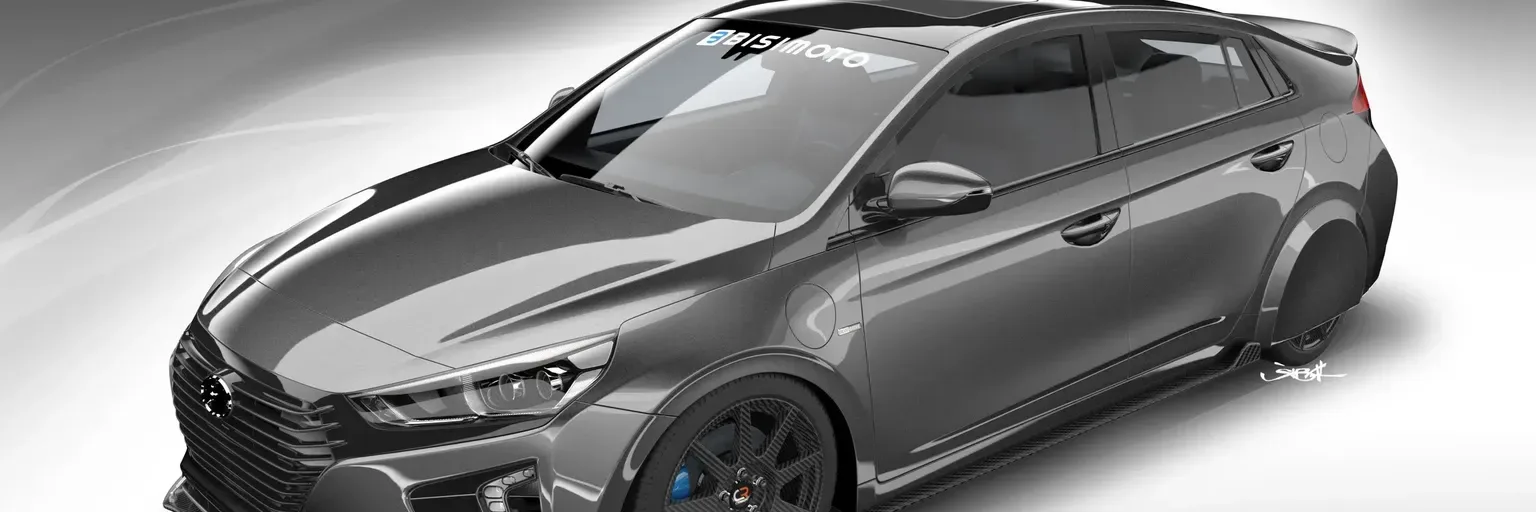
Hyundai is right to chase engagement in EVs, but a simulated gearbox only deserves respect if it adds something real, not just theater on top of a quicker car.
A headline claims used Chinese EVs are up 280% in Europe, a figure we can't verify. Either way, tariffs seem to reroute demand, so check warranty and parts support.
Rivian jumped from 10th to second among US EV brands, but the vans did the heavy lifting while the R1 faded. The US market's real signal is less flattering.
Weakening the 2030 ZEV target would hit buyers who already save money with EVs and reward laggard carmakers. Stable rules matter more than generous incentives.
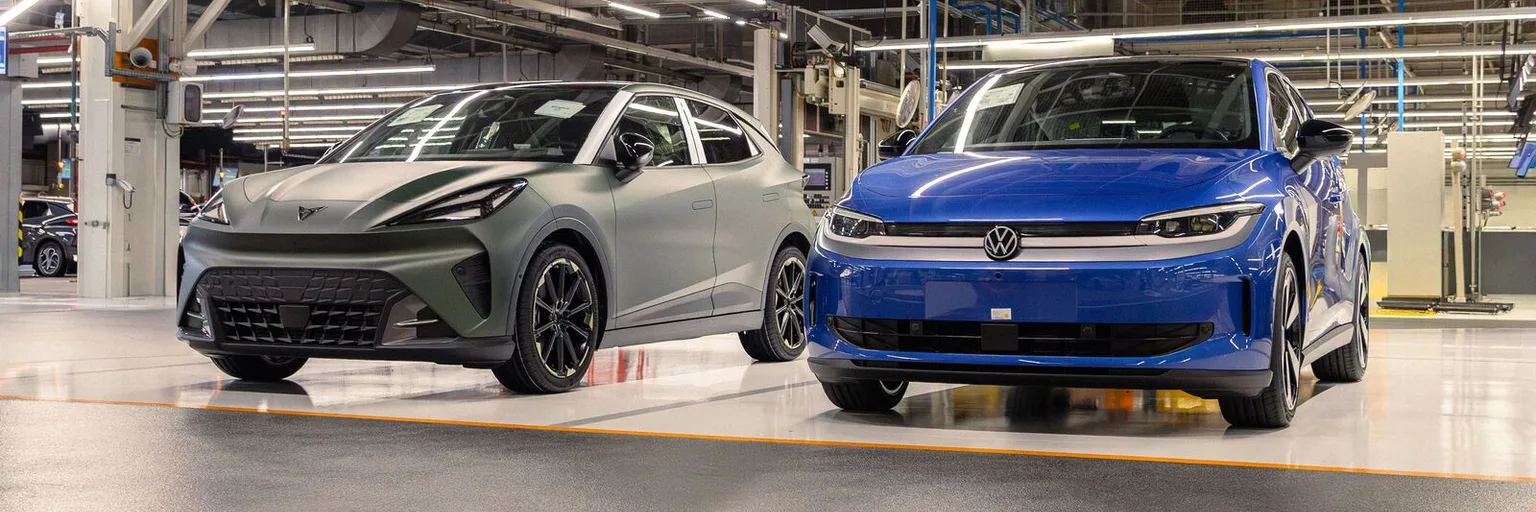
Volkswagen's 79,800-yuan Jetta M6 took 10,000 locked orders in 19 hours. The lesson isn't about tech; we think buyers reward parity pricing, which VW struggles to offer at home.
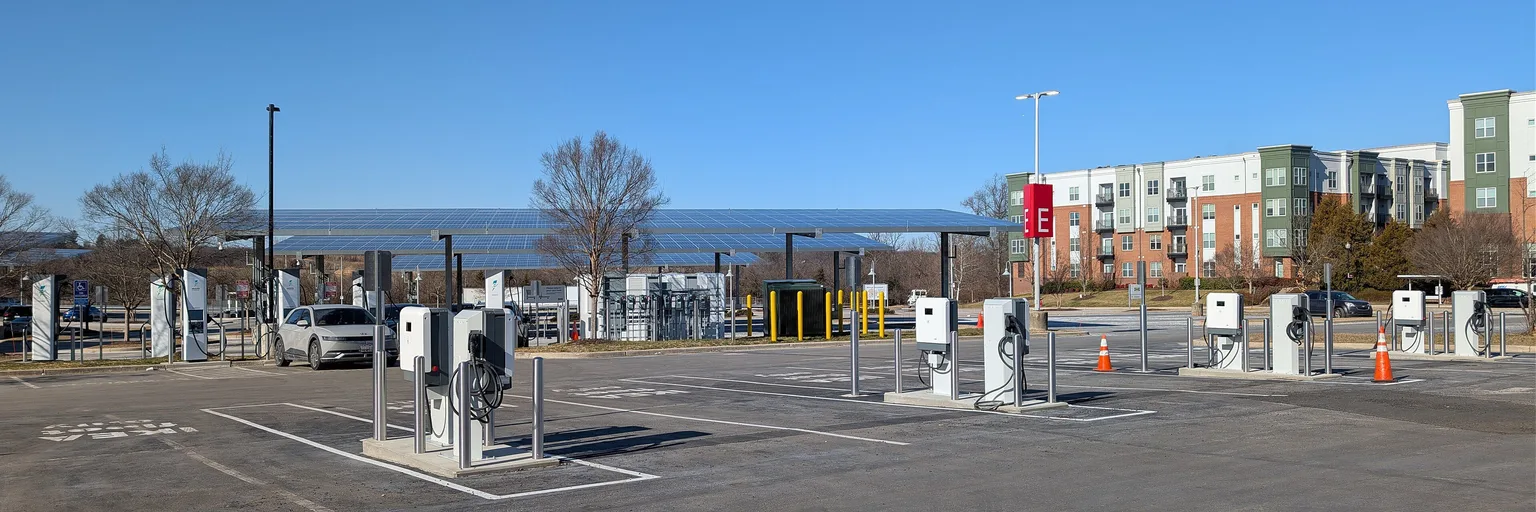
BYD's Flash Charging promises a 10%-70% charge in five minutes, but until Europe has chargers and grid capacity to match, it's a showpiece rather than a daily benefit.
A second battery recall in one year shows EV quality control still trails the marketing. Owners shouldn't panic, but they should demand straight answers from VW.
The iX5's 363 km in 10 minutes is a bigger deal than its 845 km range, but only if the chargers you can actually find deliver a curve close to the demo.
The Torcal First Edition suggests luxury buyers want spectacle and silence together, but horsepower is the easy part: making electric feel like Bentley is the hard one.
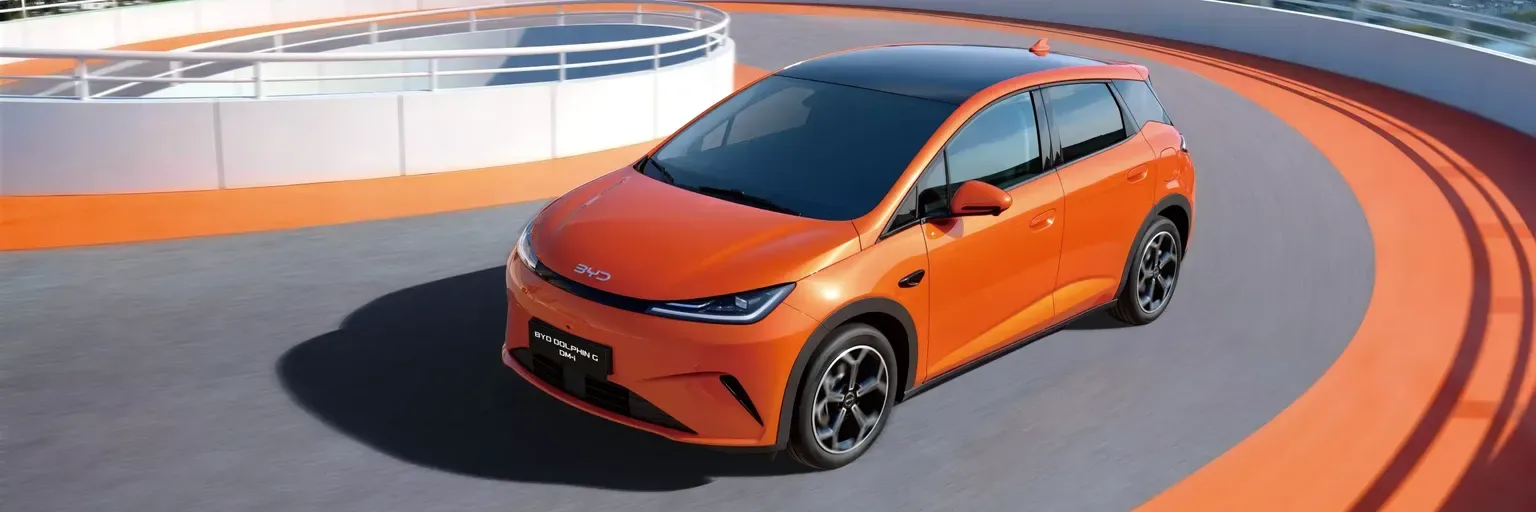
The new Seagull starts under $10,000 in China with five-minute flash charging on higher trims. Western brands should worry, but whether Europeans benefit depends on what happens after the port.
A reported $11,000 price for a four-seat electric quadricycle sounds like the answer to expensive EVs, but its speed and rules make it a city tool, not a real small car.