VW's €20,000 EV is the right target, but a target isn't a sticker
Volkswagen's ID. EVERY1 aims at the price Europe has demanded for years. Whether it reaches a showroom at that number is the real question.
Photo: Volkswagen / sala de prensa (uso editorial)
How many times can a carmaker promise a cheap electric car before the promise stops meaning anything? Volkswagen is about to find out. The company says it will launch an entry-level EV in 2027 at around €20,000, and on paper it is exactly what Europe has been asking for.
The details, as Electrek reports: the car is the production version of the ID. EVERY1 concept, smaller and cheaper than the ID. Polo. Volkswagen has said it will offer at least 250 km of range, a 70 kW motor and a 130 km/h top speed. It has not published a production name, battery size or final price.
The target is right, and the Polo proves why
Look at what the ID. Polo costs. Electrek puts its starting price at €24,995, and InsideEVs opened a recent review by noting that a nearly €40,000 Polo needs a pretty good explanation. That is the problem in one sentence. Advertised "from" prices and the cars people actually configure live in different universes.
So €20,000 matters. It is about €5,000 below the Polo's entry price, a gap large enough to change who walks into a showroom. And 250 km is, in our view, honest rather than embarrassing. A city car that does school runs, commutes and errands doesn't need 450 km. The 4-seat, 3,880 mm body and 305-liter trunk the concept promises fit that job better than another oversized crossover.
Volkswagen also has no city car right now. The up! ended production in 2023, according to the company's announcement, so the brand has been absent from the cheapest class for years. Electrek adds that the urban car family has gathered nearly 150,000 orders since series production began in June. That doesn't prove demand at €20,000, but it kills the idea that small VW EVs have no audience.
"Around €20,000" is a promise, not a price
Here is where we get skeptical. The figure is a target. Everything that decides whether the car works is still open: battery, final equipment, name, even the production site, which VW hasn't confirmed. Electrek speculates about a 37 kWh LFP battery, the same one in the base ID. Polo. That is a guess, and it should be read as one.
Then there is the pattern. The cheapest ID. Polo trim in Ireland is listed from €19,885, but only once grants and tax relief are included, and that trim wasn't yet on sale at the time of the page. Price is a negotiation between marketing, subsidies and trim walls. We expect the same dance with the EVERY1: a headline number that applies to a spartan version, and a car most buyers want that sits higher. If VW lets "around €20,000" quietly become €23,000 with options, the whole strategy collapses into the Polo's problem again.
The mitigating factor is architecture. Sharing the MEB-based front-wheel-drive platform across Volkswagen, Cupra and Skoda spreads cost, which is the only believable route to this price. Volkswagen also says it will debut a new software architecture here. Fewer control units should help the bill of materials, probably. We'd call that plausible, not proven.
The real rival isn't the Polo, it's what China will charge in 2027
The uncomfortable part is timing. The car arrives in 2027, and Chinese brands are expanding in Europe now. Automotive News reported Chery showing electric, hybrid and combustion models at the Paris show even as EU trade barriers rise. We have no price for any Chinese rival in the documentation, so we won't pretend to know the number. But our bet is that by the time the EVERY1 reaches dealers, at least one competitor will be undercutting €20,000 or matching it with more range.
That is why VW's pitch of affordable cars "from Europe, for Europe" is smart branding but not a moat. Buyers at this price care about the monthly payment, and flag-waving only goes so far.
Our verdict
Treat the ID. EVERY1 as the most important Volkswagen EV announcement this year and as an unfinished one. The segment, the price band and the modest range are the right call. What we want to see before applauding: a real configurator showing a driveable car at or near €20,000, not a trim that exists in a press release. If it ships at that price, VW earns the "people's car" label back. If it doesn't, 2027 will be remembered as another year of cheap-EV promises.
No topics yet: start the first one.
More stories
A cheap EV is only cheap if the fast charger on your route works
Sticker prices near $30,000 mean little if public fast charging lets you down. We'd spend the next dollar on reliable chargers, not on another budget model.

MG's Spanish-built Go is a tariff dodge, and the price is its real test
Building the Go in Ferrol lets a Chinese-owned brand sidestep EU duties and look local. But a €23,000 sticker has to survive 2028 first.
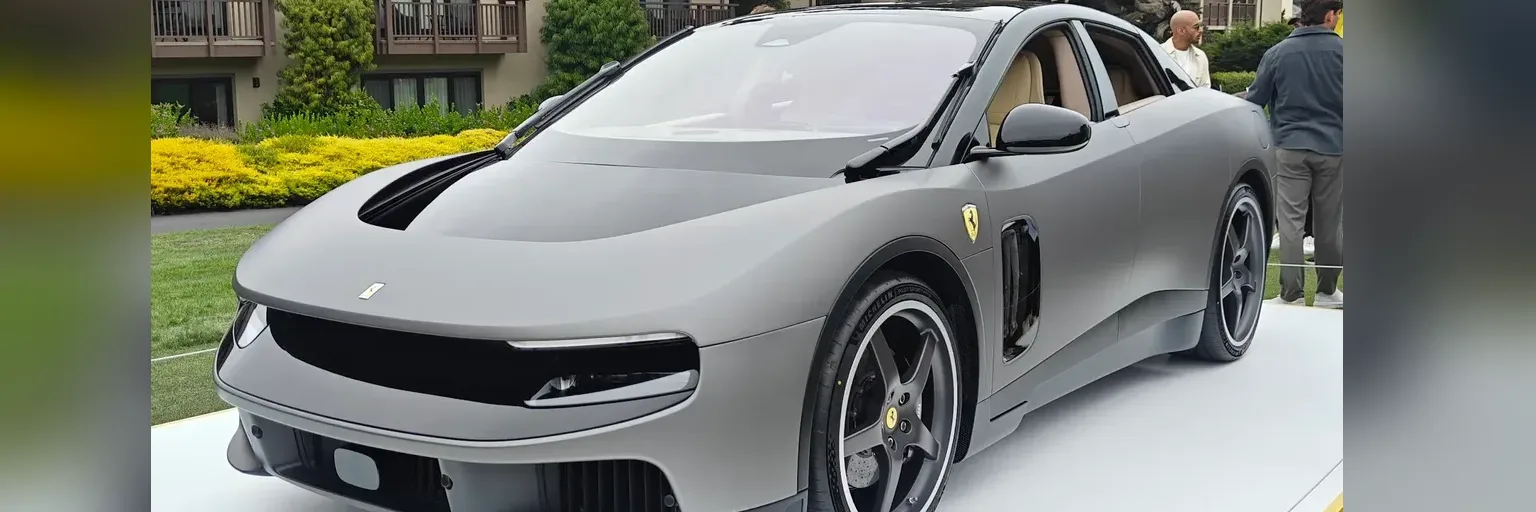
Ferrari's $560,800 Luce is selling a badge, not an EV
Ferrari's first EV reportedly lands above the V12 Purosangue in Europe, a sign it is monetizing status and scarcity, and the real test is whether buyers accept an EV on top.
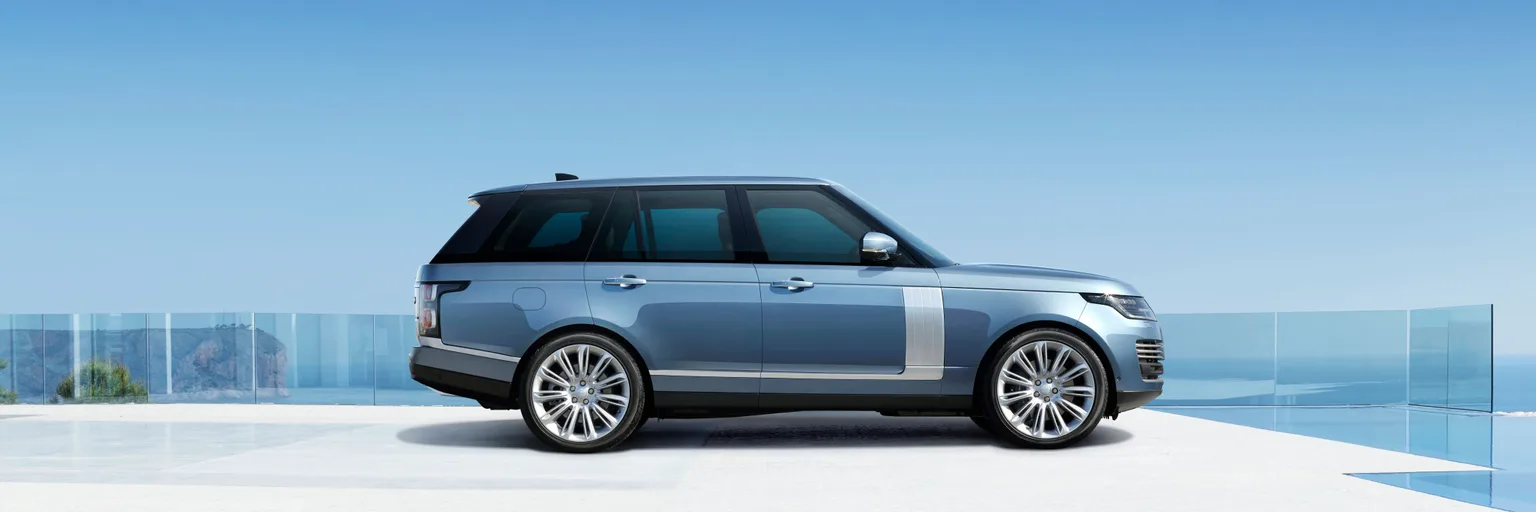
The Range Rover Electric's real test isn't its 542 hp, it's silence
With 542 hp, 333 miles and 800 volts on paper, the specs are table stakes. What's left is whether quiet refinement justifies V8 money for a Range Rover without the engine.