Yangwang's 503 km/h is a great stunt, not proof of luxury, and that's fine
The U9 Xtreme's one-way run proves BYD can win engineering headlines. Whether it builds credible luxury is a separate question, and the answer isn't on that desert road.
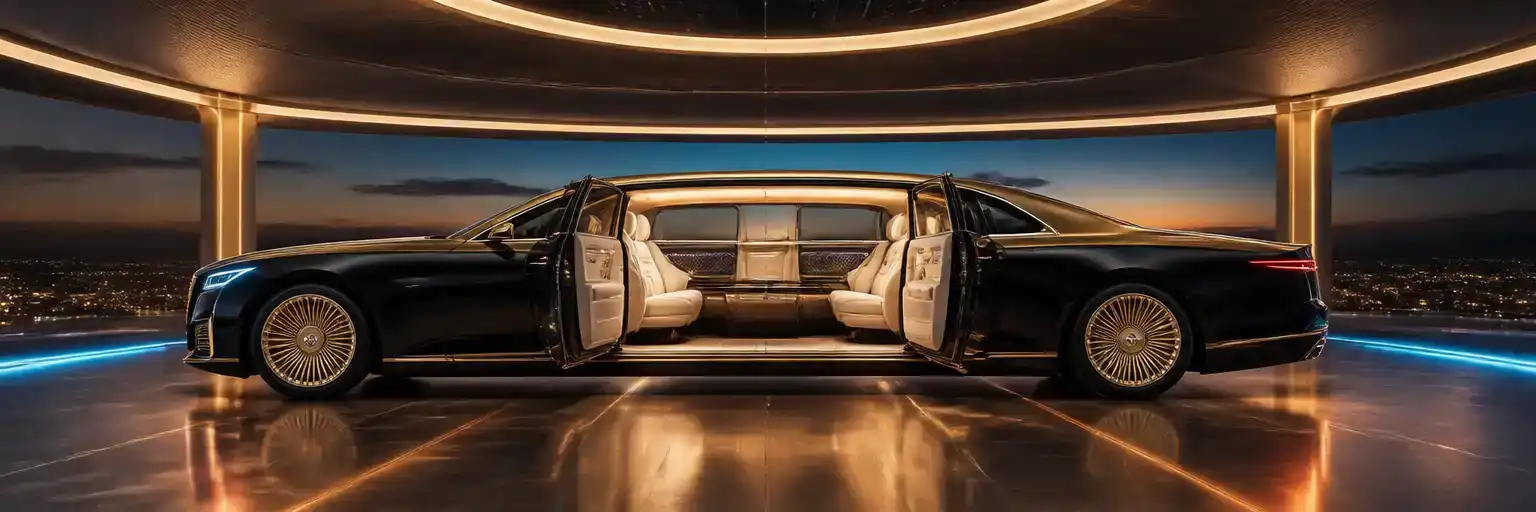
AI-generated image
Is a 30-unit hypercar, driven in one direction on a swept highway, really the proof that Chinese EVs have arrived? Not quite. But dismissing it as a publicity stunt would also miss the point.
Here is what happened. On November 1, German driver Marc Basseng took the Yangwang U9 Xtreme to 503.17 km/h on a closed stretch of Abu Dhabi's Sheikh Khalifa Bin Zayed International Road, and BYD announced it on November 6. According to the FIA, the speed is officially recognized, and the run also earned two Guinness World Records for single-direction performance. It beats the car's own 496.22 km/h from September 2025 in Papenburg, Germany.
The asterisk is real, and it matters
Let's be straight about the fine print. Both records are for a run in one direction. As drweb.de explains, the traditional measure for production cars is the average of two opposite runs, which cancels out wind and slope. Bugatti's 490.48 km/h in 2019 was also a one-way pass, so the comparison is fair, but it isn't the gold standard. TheTruthAboutCars notes that the Petersen Automotive Museum requires independent verification and two-way runs, so this pass wouldn't count for its ranking.
In our view, that doesn't make the number fake. It makes it a headline number, not a spec-sheet number. And with only 30 units built, according to drweb.de, nobody is cross-shopping this against a daily driver. The speed is a record and a halo, not a mainstream product.
The interesting part is the plumbing, not the peak
What we find more convincing than 503 km/h is how BYD got there. The U9 Xtreme runs on a 1,200-volt architecture, with four motors making roughly 3,000 hp and an 80-kWh Blade battery, per Handelsblatt and TTAC. Engineers also tweaked the car overnight after the first day's passes topped out lower: a steeper rear wing, more rebound damping, adjusted tire pressures. That is real iteration, in public, on a real road surface.
The honest reading is that high voltage means less current for the same power, so less heat in cables and motors. drweb.de draws a line from this to BYD's Flash Charging on small cars. That link is the one that matters to buyers, and we think it's the strongest argument for the record having any relevance beyond bragging rights. Whether that technology reaches the cars people actually drive is for BYD to prove, not for a top-speed run to imply.
Luxury is built on boring things
This is where the thesis bites. Speed records win engineering respect. Luxury is won by everything a 7-kilometer straight doesn't test: refinement, service, resale value, brand heritage. Bugatti has decades of that, and the record it held until September 2025 came from a time when it still belonged to the Volkswagen group. Its ownership has since shifted, with Porsche selling its stake in Bugatti Rimac in September 2026, per drweb.de. A sale like that is a reminder that the old guard's prestige is not untouchable, but it also isn't automatically transferable.
Our prediction, and it is only that: Yangwang will keep collecting numbers, because they're cheap marketing compared with building dealer networks and trust in Western markets. BYD vice president Stella Li praised the engineers as young, bold and perhaps a little crazy, in the best sense. That's charming, and probably true. But being a bit crazy is a great quality for a record attempt and a mediocre one for a luxury ownership experience.
Verdict
Applaud the engineering, discount the asterisk, and watch what happens next. If the 1,200-volt know-how shows up in cars with real prices, real warranties and real customers, the record will look like a first chapter. If it stays in a 30-unit halo, it will be remembered as a very fast press release. For now, we'd call it a win for BYD's engineers and an open question for BYD's brand.
No topics yet: start the first one.
More stories
Yangwang Altior can copy a Phantom, but not the decades behind it
BYD's electric limousine ticks every spec box and even borrows the umbrellas. What it can't download is trust built over generations, and that is Rolls-Royce's real product.
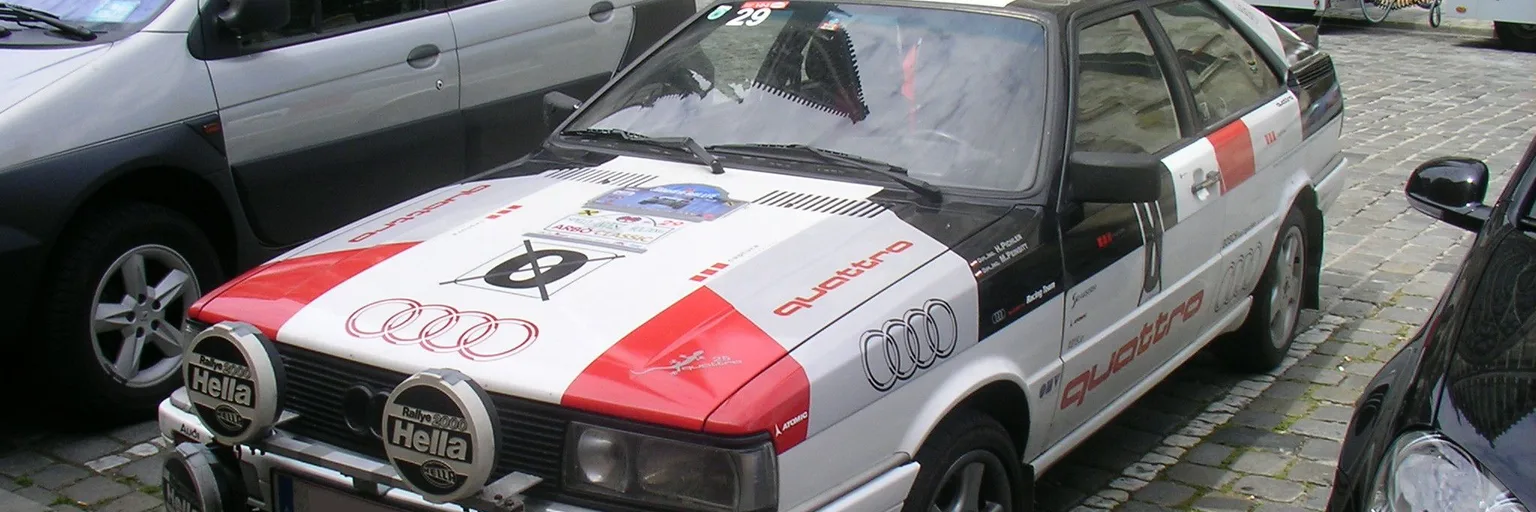
The Quattro returns without Audi, and that's just fine
A British start-up is reviving the Quattro with RS4 hardware and a V8. In our view, heritage is an asset anyone with the engineering can serve, so judge the car, not the badge.
Toyota's new Corolla hybrid proves the boring choice is still the smart one
A 15% fuel-saving claim, a new multi-energy platform and engines Toyota may sell to rivals: the efficient hybrid isn't a stopgap, and EV-only strategies look riskier for it.

India's E100 push is fuel policy dressed up as driver choice
India has amended its motor vehicle rules for 100% ethanol cars, and the Supreme Court is already asking where the fuel will come from. The risk lands on drivers.