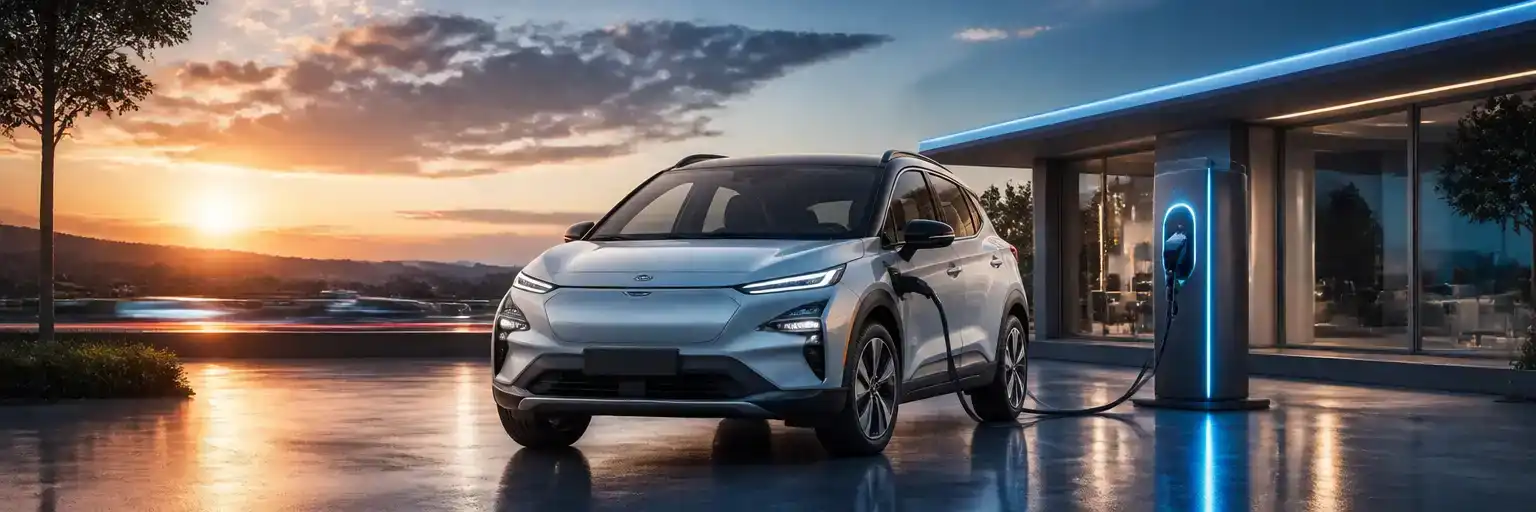
Europe's Car of the Year shortlist is all-electric, and that's half the story
Seven electric finalists is a milestone, but a shortlist with no Chinese cars and no hybrids suggests the jury is describing a market that buyers no longer live in.
AI-generated image
Can an award claim to name the best car in Europe if its shortlist leaves out Chinese brands and hybrids altogether? That is the uncomfortable question behind the Car of the Year 2027 finalists, and it deserves more attention than the "historic first" headlines.
The facts are simple. For the first time in the award's 63-year history, all seven finalists are battery-electric: the BMW iX3, Cupra Raval, Hyundai Ioniq 3, Kia EV2, Renault Twingo, Volkswagen ID. Polo and Volvo EX60. As Il Sole 24 Ore notes, Chinese cars and hybrids are out. The winner will be announced on January 8, 2027, at the Brussels Motor Show.
Electric is no longer the exception, it's the baseline
The first half of the story is genuinely good news. A shortlist like this would have looked like a publicity stunt a few years ago. Now it reads as a plain description of what carmakers are launching, and several finalists look aimed at a broad audience rather than the luxury niche, which is the part we find most encouraging. CleanTechnica reports that Hyundai says its Ioniq 3 starts below €30,000 across European markets and offers up to 497 km (WLTP) in the Long Range version. Whatever you think of the jury, an EV with that price and range among the contenders shows how far the segment has come.
The organizers themselves link the sweep to the fuel crisis triggered by the war in Iran, which they say pushed more people toward electric cars. We think that is plausible but not the whole explanation. Industry product cycles were probably heading this way anyway. The crisis just removed the excuse to ignore it.
The jury may be grading a market that no longer exists
Now the awkward half. Chinese brands are absent from the finalists. Meanwhile, Expansión reports that the EU and China have agreed to cap imports of Chinese hybrids and plug-in hybrids at 350,000 units a year, against roughly 800,000 expected this year. It adds that the Omoda 5 is the best-selling Chinese hybrid in Spain, with close to 12,000 registrations in the first ten months of 2026. To be clear, that is a hybrid, so it could never have made an all-electric list. But in our view it shows that Chinese cars are not marginal in Europe.
Be fair to the jury: Chinese EVs may simply not have been the best of the 38 entries, and a pure-electric field is a legitimate editorial choice. But an award whose criteria include value for money and market positioning should not be indifferent to who is winning on price and sales. We think a Car of the Year that systematically skips the cars reshaping the market is measuring ambition, not reality. Leaving out hybrids entirely compounds that, at least as far as the Spanish figures suggest.
There is a counterargument, and it is a good one. Politics and tariffs make Chinese models harder to field as European champions, and local production counts. Two of the finalists, the Cupra Raval and the ID. Polo, are built at Seat Martorell, a nice story for Spanish industry. Yet being made in Europe is a business argument, not necessarily a merit-of-the-car argument.
Read the shortlist as a guide, not a map
If you are shopping, treat the list as a guide to the best new European and Korean EVs, and not as a map of everything on sale. Some of the cheapest and most talked-about alternatives may not appear on it at all. If you follow the industry, watch the next edition: if Chinese brands still don't make the final seven while their cars keep climbing the sales charts, the award will have a credibility problem rather than a coincidence.
Our verdict: celebrate the milestone, but don't mistake it for the whole picture. Electric has won the argument among the people who judge cars. The people who buy them are probably still making a wider set of choices, and the jury should catch up.
No topics yet: start the first one.
More stories
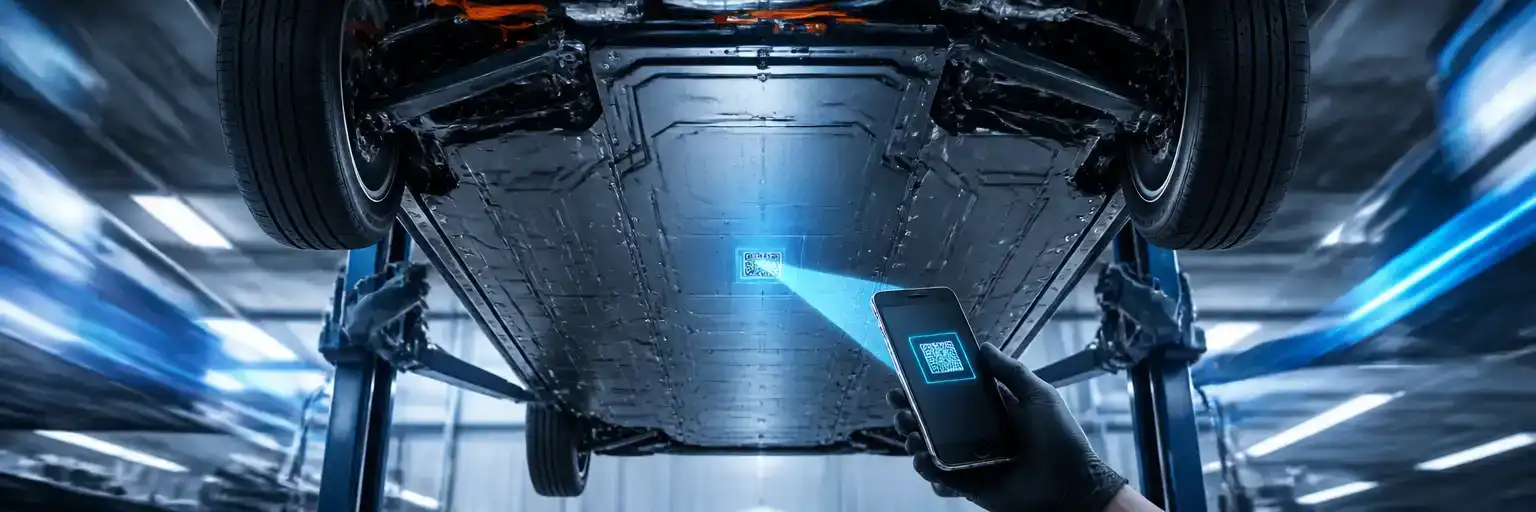
The EU battery passport is dull paperwork that could fix used EVs
From February 18, 2027, EV batteries in the EU get a QR-linked digital record. Whether used-car buyers benefit depends on open, standardized, enforced data.
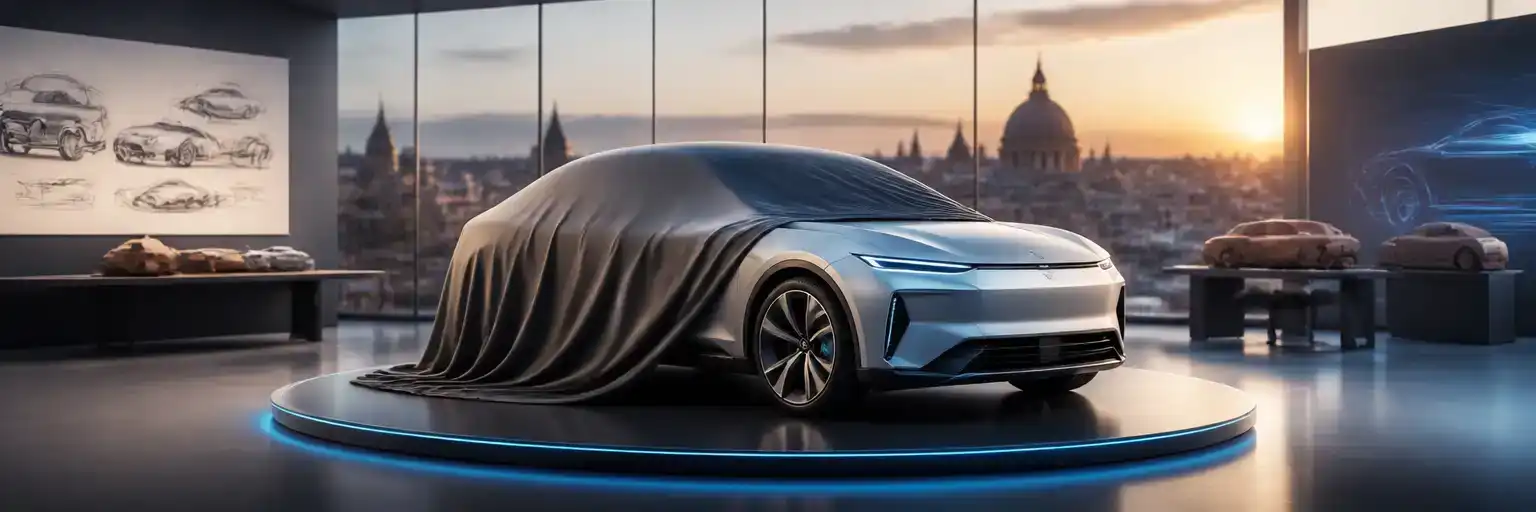
Geely's Europe-first EV is the right bet, but only if Europe writes the brief
Geely will unveil a car designed in Milan for European drivers in 2027. It's an admission that adapted Chinese models fall short, and a test of whether "local" means more than a studio address.
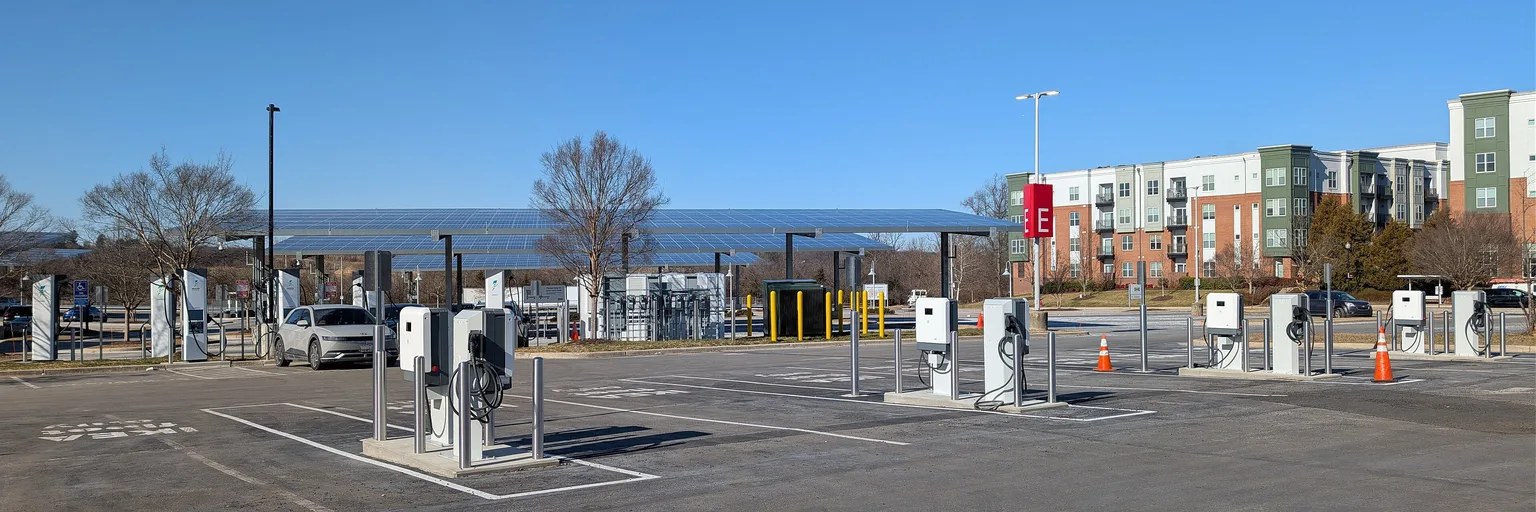
EV batteries aren't dying early: your charging habits are the real risk
A Geotab study of 22,700 EVs puts average degradation at 2.3% a year. The scary headline is really a story about heat and constant DC fast charging.
Skoda's cheaper Epiq is the right idea, but it has to be a real car
Cutting power and range to bring the Epiq Easy 35 down to €25,900 in Germany is smart. The harder job is proving the base model isn't just a price tag to pull buyers into the showroom.