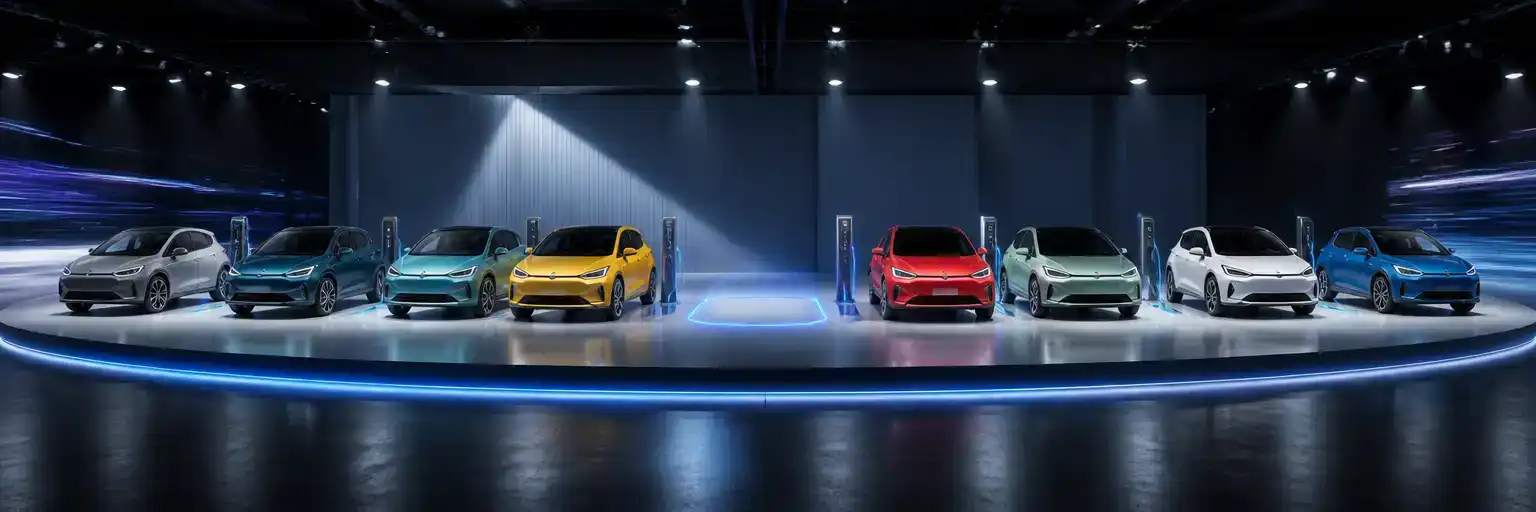
The 4% global EV number is an average of three different stories
Europe up, North America down, China shifting to exports: the headline growth figure hides a split market, and reading it as stagnation misses where EVs are really heading.
Photo: Mercedes560 carspotter / Wikimedia Commons (CC BY-SA 4.0)
Is the electric car stalling? If you only read the headline, yes. An Ecoportal headline says global EV sales grew 4%, a figure that sounds like a technology hitting its ceiling. We think that reading is wrong, and not by a little. A global average is a fine way to hide three markets moving in three different directions.
One number, three markets
The regional breakdown is where the story lives. According to an H1 2026 review from EV Industry Report, global EV sales reached 9.6 million units in the first half. Europe grew 27% and became the engine of the market. China fell 14% and leaned on exports. North America dropped 20%.
A caveat: both pages are undated, and we can't reconcile the regional percentages with the 4% headline from these sources alone. Treat the exact figures as approximate. The direction, though, is what matters, and it is hard to read as anything but a split.
Europe is the real story, and it's not subtle
A 27% jump in a market of this size is not a rounding error. We think it is what regulation-driven demand looks like when automakers have product to sell and buyers have reasons to switch. One outlook piece we reviewed expects Europe could accelerate further thanks to emissions rules. That is a forecast, not a fact, but it fits the pattern: where policy pushes consistently, sales seem to follow.
Our view is that Europe is the clearest evidence that the EV transition is a policy-and-product question, not a "do consumers want this?" question. Give people stable rules and a decent range of cars, and they buy.
China didn't stall, it moved the fight abroad
The tempting conclusion from a 14% fall is that the world's biggest EV market is cooling. The data suggests something more interesting. Domestic sales of conventional vehicles in China fell more than 20% in the first half, and the slump was offset by an export boom. On EVs specifically, La Jornada reports that exports jumped more than 120%, fully offsetting the domestic decline, and that EVs rose from 35% of exports in 2025 to 45% in the first half of 2026. The excerpt we saw doesn't name the country, but the pattern matches China's.
So the domestic market looks softer, but the industry does not look like it is shrinking. It is exporting its capacity. That is good news for buyers in open markets, who get more choice and probably sharper pricing. It is probably less good news for local manufacturers in those markets, who now compete with an industry that has a strong reason to sell abroad. We would expect that to keep the trade-policy debate hot, though that is our inference, not something the sources state.
North America is the outlier, and it shouldn't set your expectations
A 20% drop is large, and it drags on the global figure. But it is one region. If you live in the US or Canada, it is easy to read the national mood as the global one. It isn't. The sources don't explain why North America fell, so we won't pretend to, but the contrast with Europe is itself the lesson: the same technology is selling in one place and slumping in another, which points to local conditions rather than a universal ceiling.
What to take from this
Forecasters still look optimistic. The IEA, as relayed by Ecoportal, sees EVs reaching around 29% of global sales by the end of the year, and Infobae reports a projection of 23 million EVs in 2026, close to 30% of new-car sales. Those are forecasts, and they sit awkwardly beside a 4% growth rate, which suggests to us that the market's center of gravity is shifting rather than simply expanding.
Our verdict: stop reading the 4% as a verdict on electric cars. Read it as a sign that growth now depends on where you stand. If you're shopping in Europe, the market is moving your way. If you're in North America, expect a quieter market and don't mistake it for the world's. And if you're watching China, follow the export numbers, not the domestic ones. The headline says "slowdown." The details say "reshuffle," and that is a much more useful thing to know.
No topics yet: start the first one.
More stories
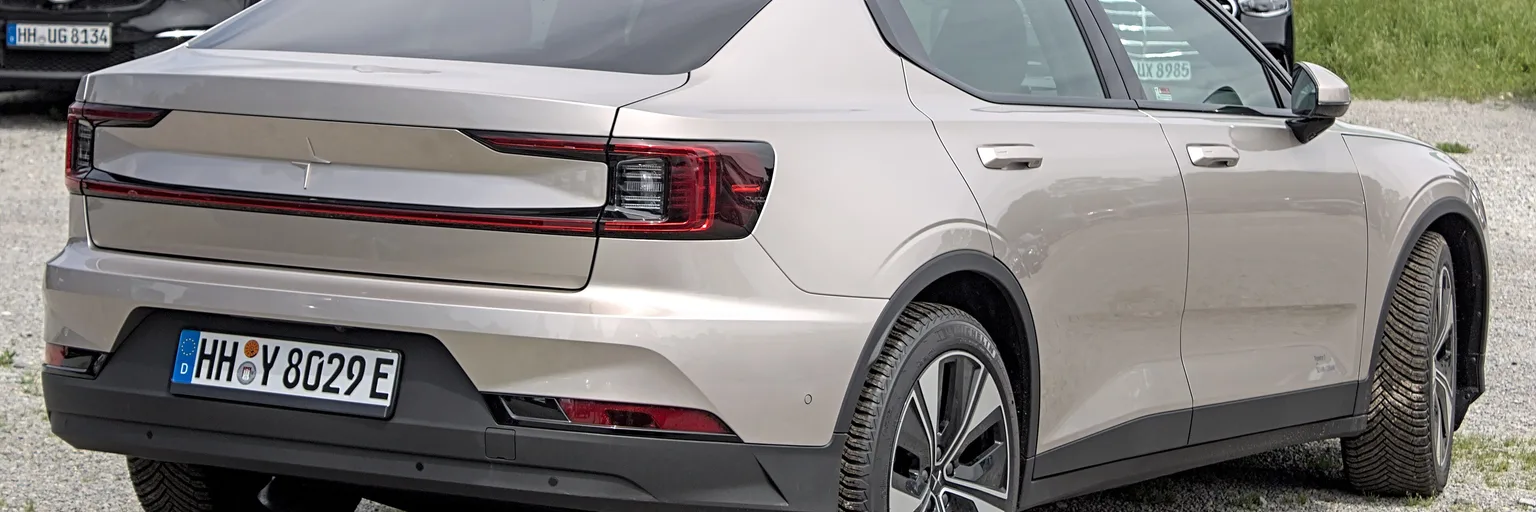
The Polestar 2 is gone, and its successor needs more than good looks
Around 200,000 units later, the Polestar 2 bows out. Its 800V successor can't coast on design: it has to earn its place on charging, software and day-to-day ownership.
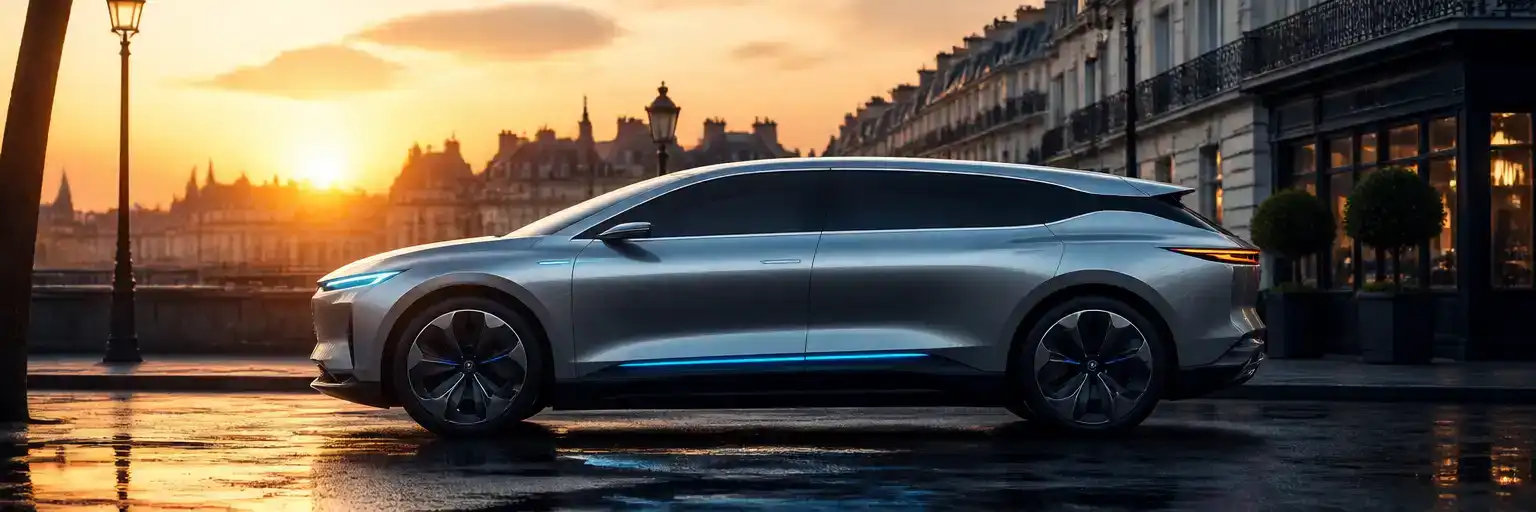
The Li Auto Li 6 looks like a TGV, but Europe will buy on price and service
Li Auto's first European EV has a shape nobody else sells, but quirky styling gets a test drive, not a signature. Price, charging and service decide the rest.
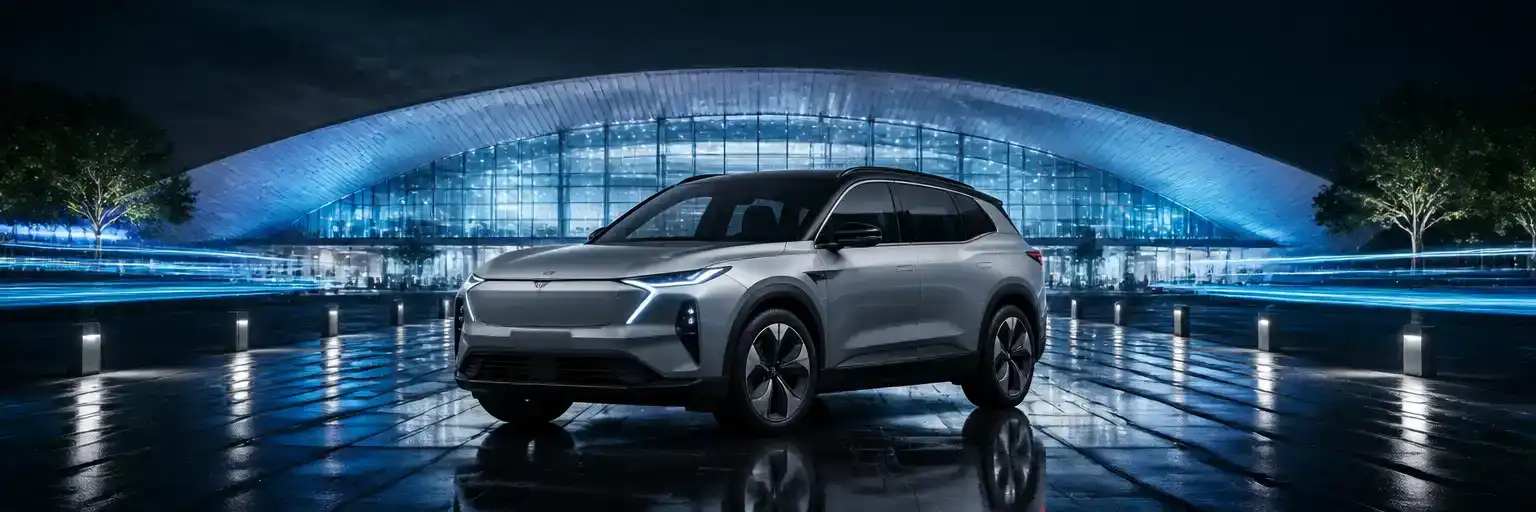
Xpeng L05: judge Europe's next family SUV by value, not by passport
The L05 is cheap in China and probably won't be in Germany. The gap between those two prices, not the flag on the grille, is what European brands should worry about.
Europe's Car of the Year shortlist is all-electric, and that's half the story
Seven electric finalists is a milestone, but a shortlist with no Chinese cars and no hybrids suggests the jury is describing a market that buyers no longer live in.