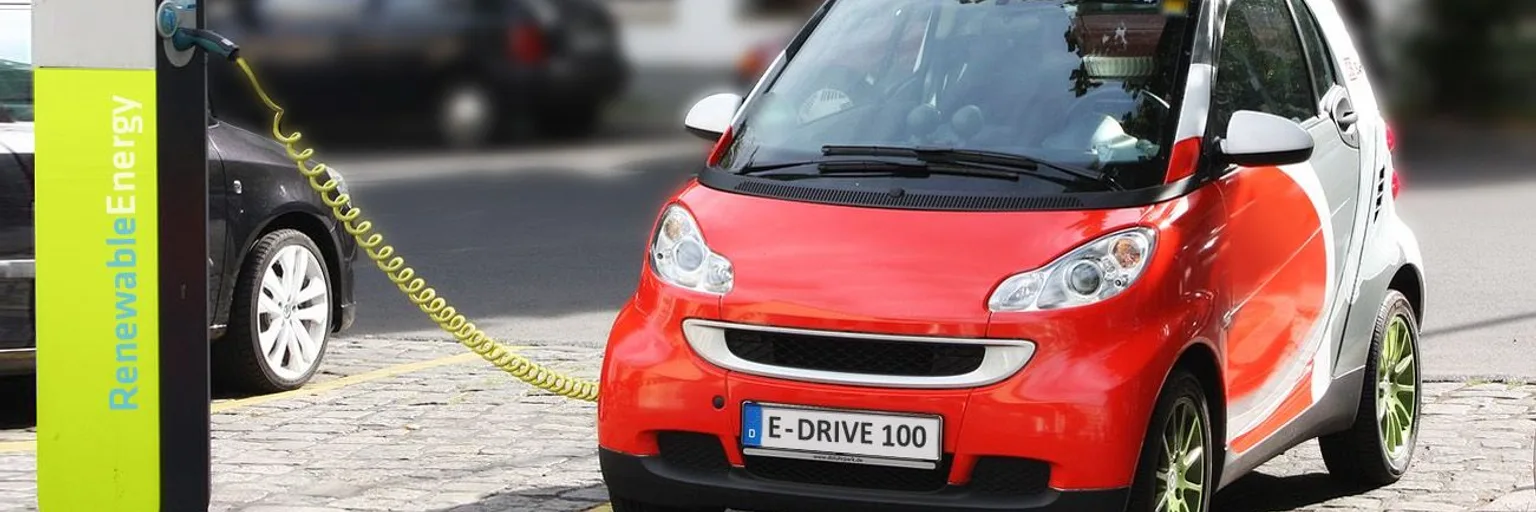
Norway's 95% EV share is a policy design, not a market miracle
Everyone quotes Norway's near-total electric share of new car sales. The number matters less than the decades of deliberate policy that produced it, and the quiet exit now underway.
Is Norway proof that people simply love electric cars once they try them? That is the story the headline invites, and it is mostly wrong. The number is real. The explanation people attach to it is the problem.
Depending on the source, Norway reached a battery-electric share of 95% or 96% of new passenger car sales in 2025. An academic review published by MDPI puts it at 96% and adds two details that rarely make it into social media posts. The share of the whole fleet was 33%, and the result came from a 35-year process: electric vehicle testing from 1990, industrialization from 1998, all backed by a large incentive package.
That last part is the story. This was not a sudden consumer awakening. It was a long, expensive, consistent piece of public design, and Norway is now dismantling it on purpose.
The "miracle" is a decades-old price signal
Look at what the incentives actually did. According to The Electric Car Scheme, Norway's package included no purchase tax, VAT exemptions, and half-price tolls and parking, with roots in the 1990s. Those are not nudges. They change the sticker price and the daily cost of owning a car, which is what most buyers actually compare.
Forbes makes the point well when it says Norway didn't just stumble into 95% adoption but got there by staying the course, building for over a decade one of the world's most generous incentive systems. In our view, "staying the course" is the phrase that matters. The money mattered, but the predictability mattered at least as much. A buyer, a dealer and an importer could all plan around the same rules for years.
So when someone says Norway shows the market will deliver, we would flip it. Norway shows what happens when the state decides the market should deliver and then refuses to change its mind.
The uncomfortable part is the exit, and it is the useful part
Here is where the "uncomfortable truth" framing earns its keep. Norway is now in what one analysis calls a deliberate phase-down, with the 2026 budget marking the visible end of EV-specific incentives, according to Eleport's country-by-country review. Futura Sciences goes as far as headlining that Norway hit 96% EV sales and then raised taxes on electric cars.
Some will read that as hypocrisy or as a sign the model failed. We read it the opposite way. A subsidy that never ends is not a market, it is a budget line. Norway is running the test everyone else will eventually face: what does a stable electric market look like once the incentives fade? Nobody knows the answer yet, and anyone claiming to know is guessing. But the sequencing looks right to us. Build the habit and the infrastructure first, then withdraw support when electric is already the default.
The contrast with the rest of Europe is stark. Eleport's review of incentives across Europe and another report on the EU, which counts eight member states still offering no EV incentives in 2026, show a continent with no shared playbook. Italy is the cautionary tale in our data: pure electric cars held flat at a 4.2% share in 2024, with incentives due to be removed in 2025, and the report itself warns that their absence could trigger further contraction. Copying Norway's headline is easy. Copying a decade of boring consistency is not.
What to copy: the design, plus a cheaper car
Two lessons stand out to us. First, make electric cheaper at the point of purchase and to run, and keep the rules stable long enough for people to believe them. Second, plan the exit from day one, because Norway's phase-down looks to us like part of its design, not a failure of it.
There is one caveat where Norway can't carry the argument alone. Most countries probably don't have 35 years to spare. For them, the manufacturers have to close part of the gap, and some are trying. Stellantis says it will move many of its European EVs to cheaper LFP batteries from 2027, and the Fiat 500e is slated to get them with a starting price below today's 23,900 euros, Quattroruote reports. CEO Antonio Filosa called the saving "substantial" without putting a number on it, so treat it as a promise, not a fact. Still, it points to what we think is the real long-term answer: policy buys time, and cheaper cars have to finish the job.
Our verdict: stop quoting Norway's percentage as if it were a benchmark and start reading its rulebook. Governments that want the number should copy the incentives, the consistency and the exit plan, in that order. Readers should be wary of any "market will sort it out" argument that cites Norway as evidence. Norway is the strongest case we have for the opposite.
No topics yet: start the first one.
More stories
BMW i3 50 is the first real Model 3 rival, but price will decide it
The Neue Klasse sedan out-ranges the Model 3 and drives like a 3 Series should, but a US price BMW hasn't set and its software will decide whether it wins.

Used Chinese EVs at 40% off are a real loophole, not a free lunch
French buyers are exploiting a gap in EU tariffs to import near-new BYD and Xiaomi EVs. The discount is real, but the paperwork and the unknowns may eat the savings.

Stellantis' LFP switch is the right fix for cheap EVs, just late
Moving European EVs to cheaper LFP cells in 2027 attacks the real cost problem, but the timing and the unquantified trade-offs deserve skepticism.
The UK's per-mile EV tax is fairer than a flat fee, if it gets three things right
Britain's pay-per-mile EV tax could become a template for other countries, but it only works if privacy is airtight, the price per mile is transparent and early adopters aren't punished.