The UK's EV U-turn would punish the drivers who already did the right thing
Weakening the 2030 ZEV target would hit buyers who already save money with EVs and reward laggard carmakers. Stable rules matter more than generous incentives.
Photo: Hugh Venables / Wikimedia Commons (CC BY-SA 2.0)
Why would a government loosen its EV target just as drivers are flocking to electric cars? That is the question hanging over the UK's zero emission vehicle (ZEV) mandate, and we haven't heard a convincing answer yet.
Here is the situation. Under the mandate, 80% of new cars must be zero emission by 2030, and all new cars and vans must be fully electric from 2035. A consultation that closed on Friday floated cutting the 2030 car target to 70%, or even as low as 50%, according to The Guardian's reporting. A government spokesperson said no decisions have been taken and that the 2035 end goal has not changed.
Meanwhile, The Guardian reports that about 28% of new cars sold last month were electric only. Counting hybrids, the figure tops half. Electric-only sales are still a long way from 80%, but whatever the reasons for the lobbying, demand is not collapsing.
The people who bought early are the ones being told they were wrong
The case against a U-turn starts with the buyers. A poll by the Electric Vehicle Association found 94% of EV drivers say they are saving money, and a similar share would stay electric. EVA England's annual survey, with 2,635 responses, reports the same 94% figure for lower running costs. The Guardian also cites an ECIU analyst who says EVs can be £1,750 a year cheaper to run.
Those are not the numbers of a product that needs rescuing from its own rules. They describe households that read the signals, believed the government's timeline and acted on it. Moving the goalposts tells everyone still on the fence that the timeline is negotiable. In our view, that is the real damage: not a few percentage points of sales, but the credibility of the whole schedule.
Rewarding laggards is a funny way to protect industry
The mandate's defenders make a sharper point than the climate one. Labour MP Barry Gardiner told the Guardian that watering it down means companies that complied early "feel they have been unfairly burdened with additional costs while their lazy competitors have sneaked an advantage." He added: "State the regulation clearly and then stick to it."
We agree, and we would go further. Carmakers that retooled for EVs bet capital on a rulebook. If that rulebook bends whenever lobbying gets loud, the lesson for every future investment decision is to wait. The Guardian notes UK plants have been slow to retool and some pursued hybrids instead. Easing the target would, in our view, subsidize that caution at the expense of the firms that moved first, while competition from China intensifies. ECIU's Jess Ralston said weakening the target would not solve manufacturers' problems.
Forbes argues that the industry needs an urgent U-turn because demand is not keeping pace with the targets. That is a legitimate view, and the 2030 figure is indeed ambitious. But we think the answer to a demand gap is to work on the barriers to buying, not to move the line.
Stability beats generosity, but the real gaps are elsewhere
If the aim is to help the market, the evidence points to different levers. EVA England finds 84% of drivers who can charge at home report substantially lower running costs, against just 32% of those who can't. Interest among petrol and diesel drivers has also cooled: 47% say they have considered an EV, down from 66% a year earlier. Yet 49% of them say they would go electric if barriers like upfront cost and charging access were addressed.
That looks to us like a charging and price problem, not a target problem. Fix public charging costs and used-EV confidence and you widen the group who enjoy the savings. Cut the target and you leave those barriers in place while adding uncertainty.
There is also a trade wrinkle. The Guardian notes the EU wants to limit public subsidies to European-made vehicles, and closer ties with Brussels could push the UK toward matching tariffs on Chinese imports, which would raise the cost of EVs. That makes the case for a steady regulatory floor even stronger, because cost pressure is coming from elsewhere.
Our verdict
Keep the 2030 target, and if adjustments are needed, make them once, early and with a clear multi-year runway. The people who stand to lose most from a flip-flop are not the climate activists but ordinary buyers who already switched and carmakers who already invested. A generous incentive can be withdrawn without much drama. A broken promise on the rules is much harder to repair.
No topics yet: start the first one.
More stories
Jetta M6's 10,000 orders in 19 hours show price is the spec that matters
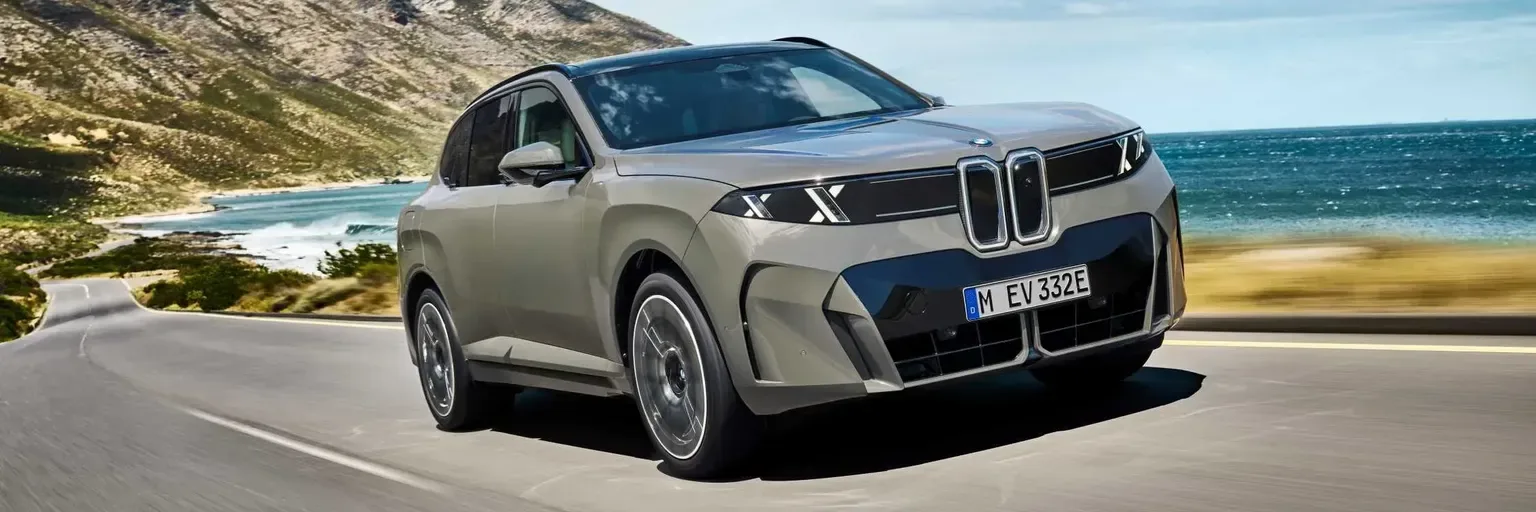
Volkswagen's 79,800-yuan Jetta M6 took 10,000 locked orders in 19 hours. The lesson isn't about tech; we think buyers reward parity pricing, which VW struggles to offer at home.
1,500 kW charging is a halo: the Denza Z9GT still needs a grid
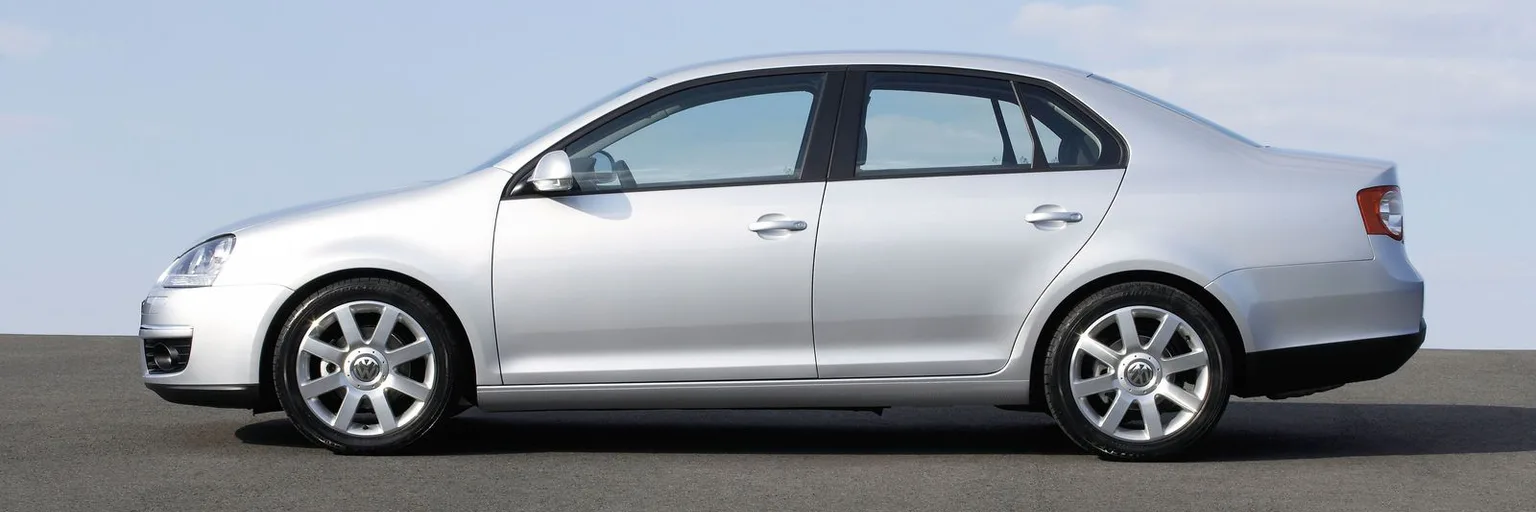
BYD's Flash Charging promises a 10%-70% charge in five minutes, but until Europe has chargers and grid capacity to match, it's a showpiece rather than a daily benefit.
VW's 72,668-EV battery recall is a quality problem, not a doom signal
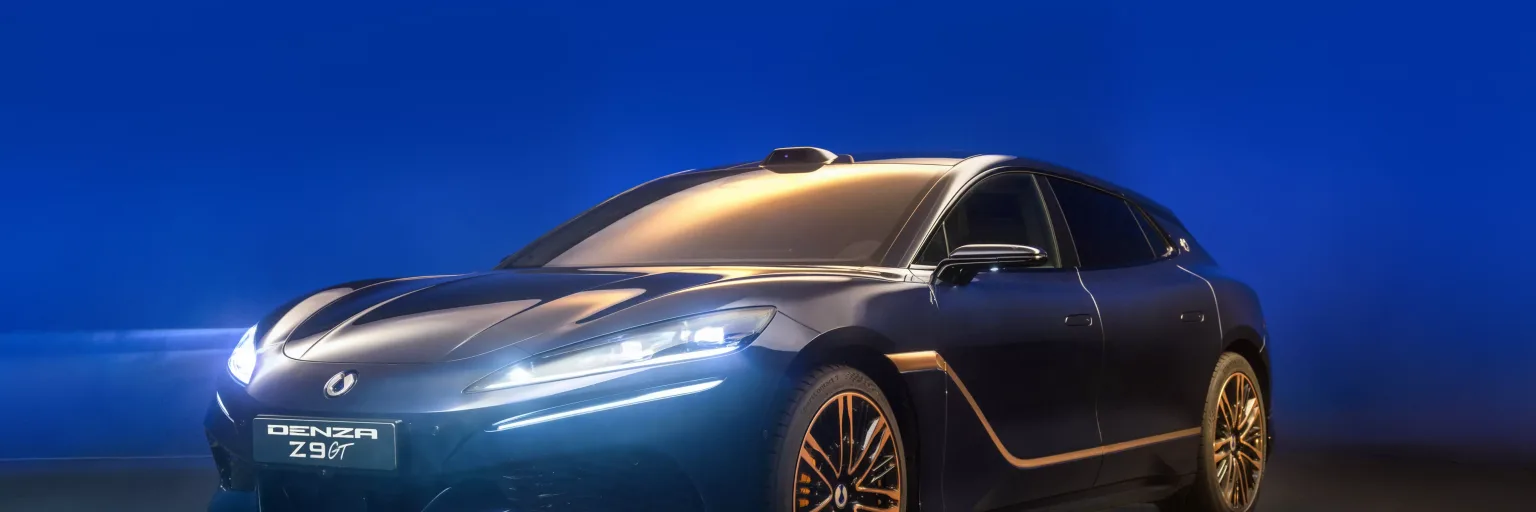
A second battery recall in one year shows EV quality control still trails the marketing. Owners shouldn't panic, but they should demand straight answers from VW.
BMW's iX5 10-minute charge matters more than its range, with one catch
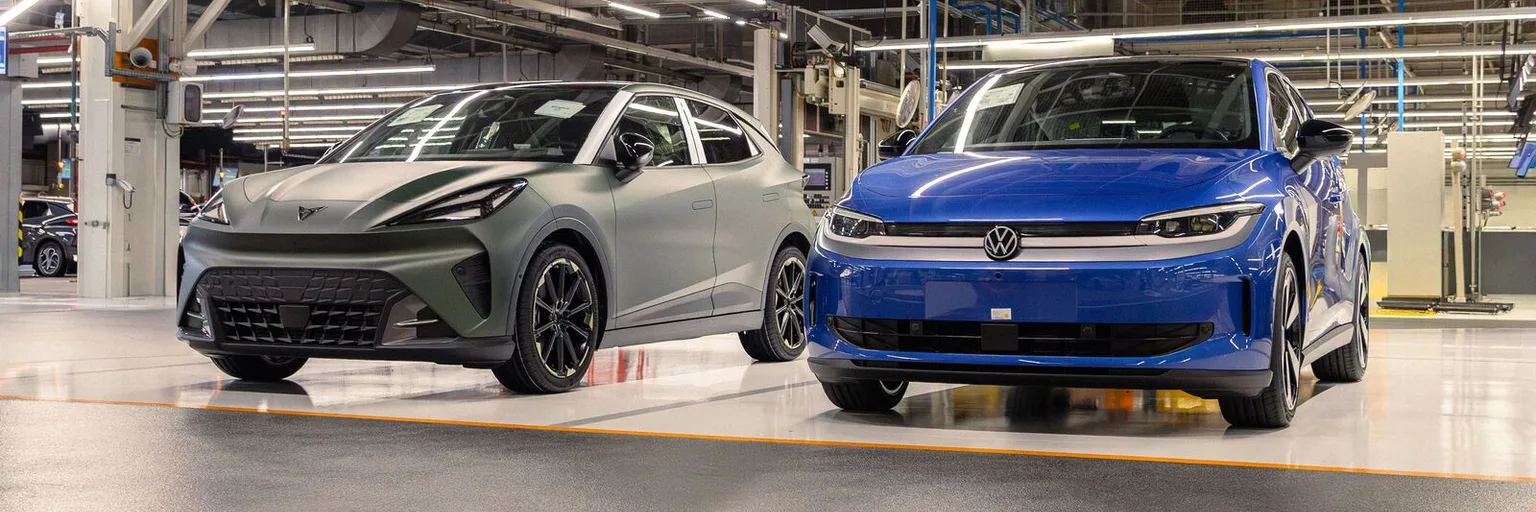
The iX5's 363 km in 10 minutes is a bigger deal than its 845 km range, but only if the chargers you can actually find deliver a curve close to the demo.