The Polestar 2 is gone, and its successor needs more than good looks
Around 200,000 units later, the Polestar 2 bows out. Its 800V successor can't coast on design: it has to earn its place on charging, software and day-to-day ownership.
Photo: Alexander-93 / Wikimedia Commons (CC BY-SA 4.0)
Is a beautiful electric car a business plan? The Polestar 2 spent its whole career testing that question, and its retirement is a good moment to grade the answer.
The facts are simple. As Motor.es reports, production of the brand's emblematic EV has ended in China after around 200,000 units. A completely new successor is due in early 2027, with 800V technology on the horizon.
Respectable is not the same as decisive
Around 200,000 cars is not a flop. For a young brand, it is the car that, according to one Spanish outlet, played a fundamental role in establishing Polestar as an independent manufacturer. That deserves credit.
But we'd argue the Polestar 2 also shows the ceiling of the "desirable EV" formula. Design opens the door; it doesn't keep the customer inside. A car that looked good at launch was, by the end, an aging product on an electrical architecture that the next generation is expected to leave behind. We don't have sales trends or pricing for the final years, so we won't pretend to know how they went. What we can say is that the brand needed a replacement, and that the hand-off looks anything but seamless: production has stopped while the successor isn't due until early 2027, so there will probably be a gap.
That gap is the real cost of the exit. In a market where shoppers compare charging curves and software as closely as they compare headlights, going quiet for a few months is a risk, not a footnote.
The 800V jump is the easy part
The successor is where the interesting bet lies. According to EV Powered, the new Polestar 2 name will continue in a different guise, and it is "almost certain" to swap the outgoing model's 400V architecture for the 800V SPA3 platform shared with Volvo. That platform underpins the electric-only Volvo EX60, and the outlet says its running gear can offer a range of more than 500 miles. Treat that as a forecast, not a spec sheet: it's about the platform, not a confirmed figure for the new Polestar. Other Spanish outlets likewise expect a big step forward in range and charging time.
Here is our opinion: that leap is necessary but nobody will applaud it for long. Faster charging and more range are now what buyers assume, not what they celebrate. If the new car ships with 800V and nothing else changed, Polestar will have fixed the spec sheet and left the customer experience untouched.
Price, software and service decide round two
So what must it fix? Three things, in our view.
Price. No figure has been published for the new model, so this is pure expectation: a more advanced platform tends to tempt brands into a higher sticker. Polestar should resist that. A stylish car at a premium price is a niche product; a stylish car priced sensibly is a volume product. The brand has to decide which one it wants to be.
Software. Sharing a platform with Volvo is an opportunity to inherit mature, polished software rather than reinvent it. If the new car feels like a laptop that updates itself reliably, the design earns its keep. If it feels like a beta, the design becomes a consolation prize.
Service. This is the least glamorous and probably the most decisive. A brand that sells mainly on image has to back it up with predictable servicing, parts and support, especially in markets where it has no long dealer heritage. We have no data on how Polestar fares here, which is exactly why we flag it: it's the area where a young brand can quietly lose the customers its design won.
Our verdict
The Polestar 2 did its job: it put the brand on the map and ended up with some 200,000 cars built. But its legacy is also a warning. Looks got Polestar noticed; they won't be enough to get it chosen against rivals who now match it on style.
If you are shopping for the new car in 2027, wait for real pricing and real software impressions before falling for the sheet metal. And if you are Polestar, treat the 800V platform as the starting line, not the finish. The next Polestar 2 doesn't need to be prettier. It needs to be easier to buy, easier to live with and easier to trust.
No topics yet: start the first one.
More stories
The Li Auto Li 6 looks like a TGV, but Europe will buy on price and service
Li Auto's first European EV has a shape nobody else sells, but quirky styling gets a test drive, not a signature. Price, charging and service decide the rest.
Xpeng L05: judge Europe's next family SUV by value, not by passport
The L05 is cheap in China and probably won't be in Germany. The gap between those two prices, not the flag on the grille, is what European brands should worry about.
Europe's Car of the Year shortlist is all-electric, and that's half the story
Seven electric finalists is a milestone, but a shortlist with no Chinese cars and no hybrids suggests the jury is describing a market that buyers no longer live in.
The EU battery passport is dull paperwork that could fix used EVs
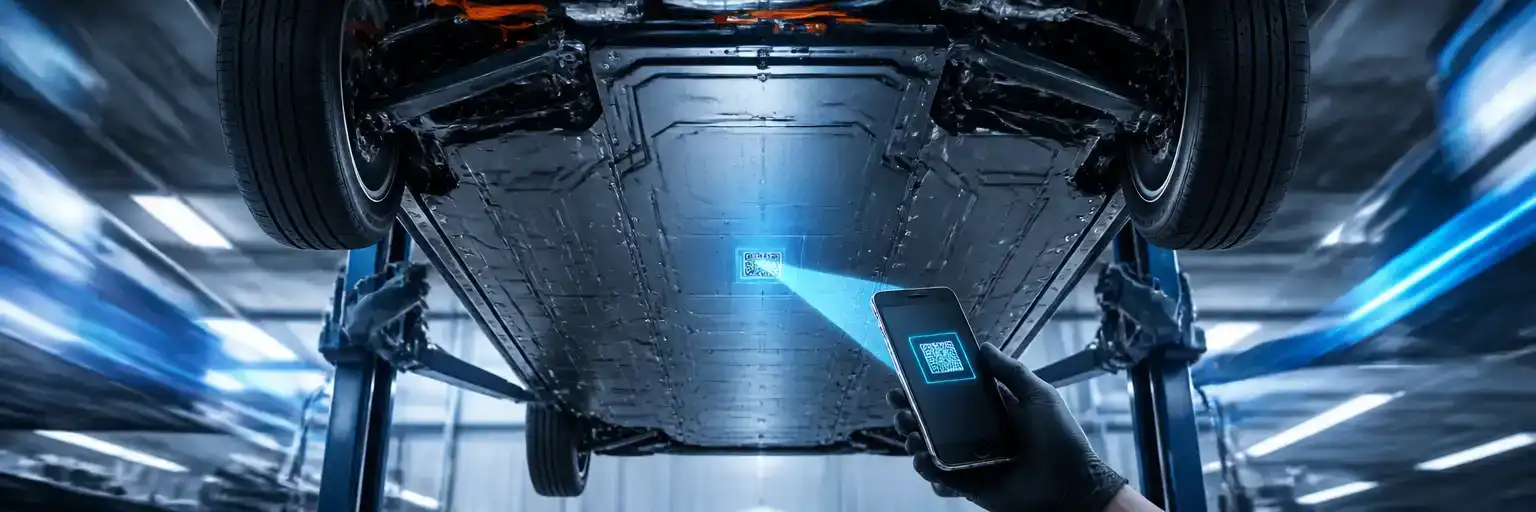
From February 18, 2027, EV batteries in the EU get a QR-linked digital record. Whether used-car buyers benefit depends on open, standardized, enforced data.