Ferrari Luce's sell-out proves the badge works, not that the EV does
A sold-out 2027 silences the critics on demand, but orders placed before anyone has driven the car measure scarcity and brand power, not the quality of Ferrari's first EV.
Photo: Lcaa9 / Wikimedia Commons (CC BY-SA 4.0)
Did the Ferrari Luce just prove that critics were wrong about electric supercars? Only if you think the critics were arguing about demand. We think they were arguing about something else, and the sell-out doesn't answer it.
Here is what happened. During the third-quarter earnings call, CEO Benedetto Vigna said, in his words, "All the Luce that we plan to sell next year basically are all allocated. If someone comes, he has to wait one year to get the cars," as Motor1 reports. Deliveries haven't even started: the first cars reach the road before the end of 2026, with the real ramp-up in 2027. In the US the price starts at $560,800.
The market liked the news. Today.it reports that net profit rose to 431 million euros (+13% year on year) and that the stock touched 375 euros, after dipping when the car was unveiled. Ferrari has also said its overall order book covers production through 2028.
Demand was never the question
The loudest objections to the Luce were about design and soul: no V8 or V12, and a look that some found too far from Maranello's identity. Those are taste arguments. A sold-out order book can't settle a taste argument, because the people placing the orders are, in our view, a tiny, self-selected group who were never going to be swayed by internet comments anyway.
So yes, the pessimists who predicted a flop were wrong. But the victory lap, and there are plenty of them out there, claims too much. Orders show that Ferrari customers will buy what Ferrari sells. That's not news; it's the whole business model.
Scarcity is the product, and the EV is the wrapper
Look at what we actually know. Motor1 notes that Ferrari hasn't said how many Luce units it plans to build in 2027, and the CEO declined to give a sales target. "Sold out" against an undisclosed number says little on its own, and the new dedicated plant is being ramped up gradually. We think a limited allocation of a badge like this was always going to sell out. That's how allocation works.
Today.it adds the other half of the logic: access to special series at Ferrari rewards a purchase history, so the Luce can serve as an entry ticket for newcomers or as a way for existing collectors to hold their place in the queue for future models. That second reading is ours to weigh as opinion, since the reporting doesn't say how many buyers fall in each group (Ferrari declined to split owners from newcomers). But it is plausible that some of those orders are about the relationship with the brand more than about the car.
Add the fact that, per Tom's Hardware Italia, buyers are committing around 550,000 euros without having driven it, and the picture sharpens. People are paying for a place in line and a prancing horse. We suspect that whether the powertrain is electric is, for many of them, almost secondary. That's a compliment to the brand and a rather backhanded one to EV engineering.
The car still has to earn the money
The honest test comes in the first quarter of 2027, when Ferrari plans international media test drives, followed by driving experiences for prospective clients. Vigna himself believes driving the car could improve perceptions. We'd say that is precisely the point: the verdict on the Luce as a car hasn't been delivered yet. Motor1 even concedes that a more traditional look might have attracted more buyers, though "we'll never know."
Some outlets already describe impressive dynamics and figures, but we'd treat claims from the Italian press about performance and driving feel cautiously until the independent drives arrive; the sources are inconsistent even on the price (about 500,000 or 550,000 euros).
There's also a lesson for the wider EV debate. This is not evidence that the market is ready for electric luxury at scale, nor that EVs have "won" over combustion purists. It's evidence that an ultra-scarce badge can carry any powertrain. Mass-market makers can't borrow that logic, because they can't ration their way to a waiting list.
Our verdict: give Ferrari its win on strategy and finance, because it read its customers better than the commentators did. But don't confuse a full order book with a great car. Wait for the first-quarter drives, and judge the Luce when someone who didn't pay for the badge has driven it.
No topics yet: start the first one.
More stories
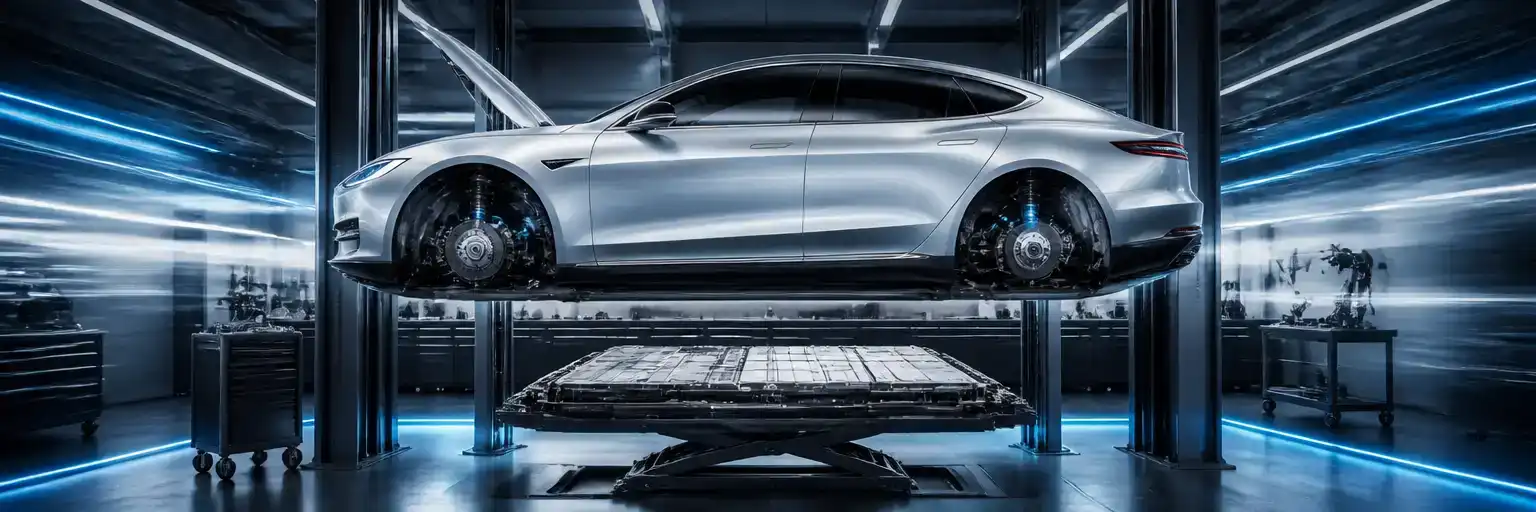
A €55,000 refurbished EQS battery is a warning to every used luxury EV buyer
A 300,000 km Mercedes EQS reportedly needs a battery, and the quote is for a non-new pack. Luxury EVs need transparent replacement pricing, and used buyers should price it in.
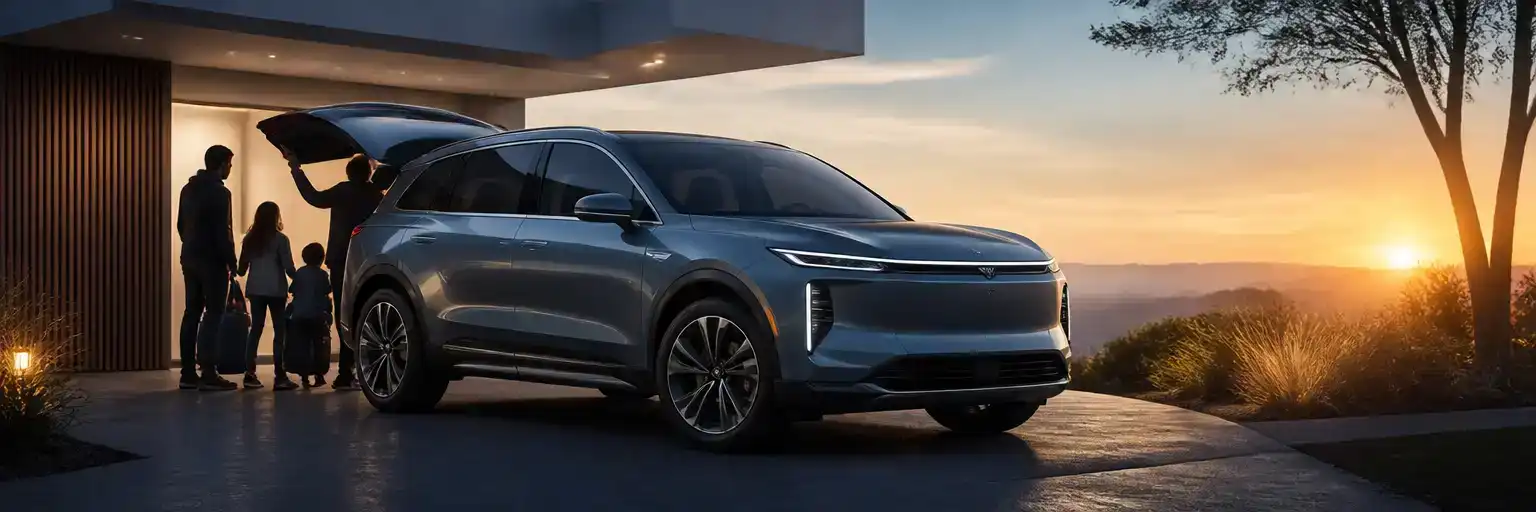
Germany's 37% EV share is a subsidy story, not a Chinese takeover
Record EV numbers in Germany reward price and choice, and Chinese brands are riding the wave. But the real test comes when the subsidy money runs out.
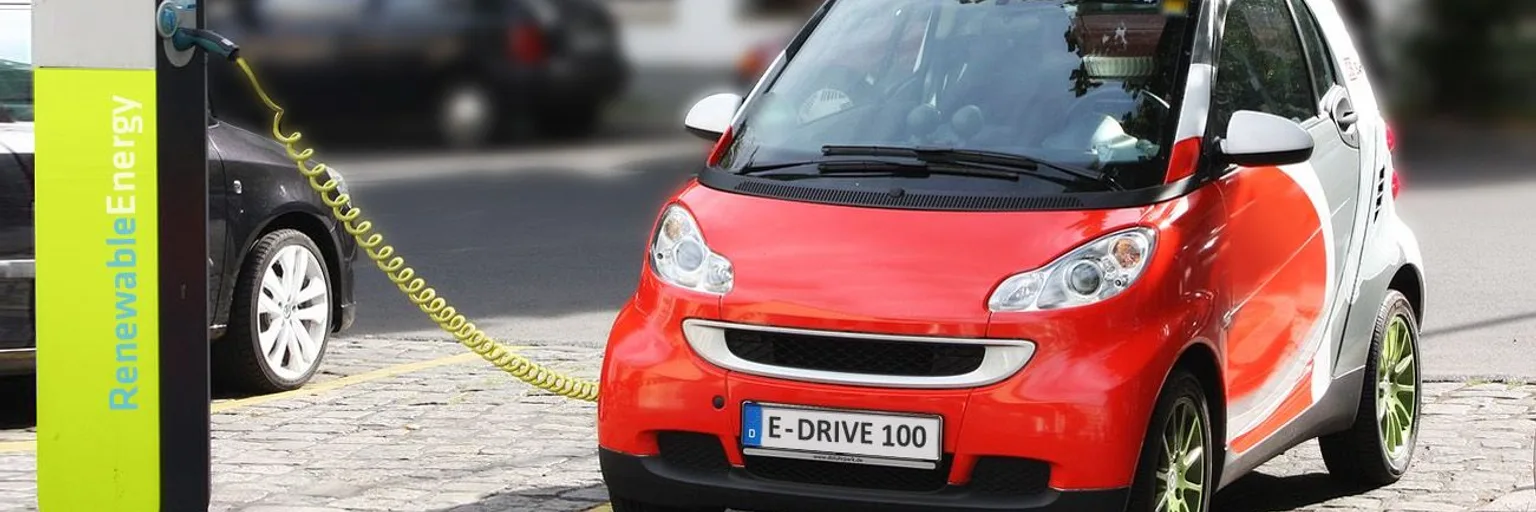
Mercedes selling its chargers proves carmakers shouldn't run them
Handing 47 fast-charging stations to Electra isn't a retreat from EVs. It's a sober admission that charging is a utility business, and that partnering beats building.
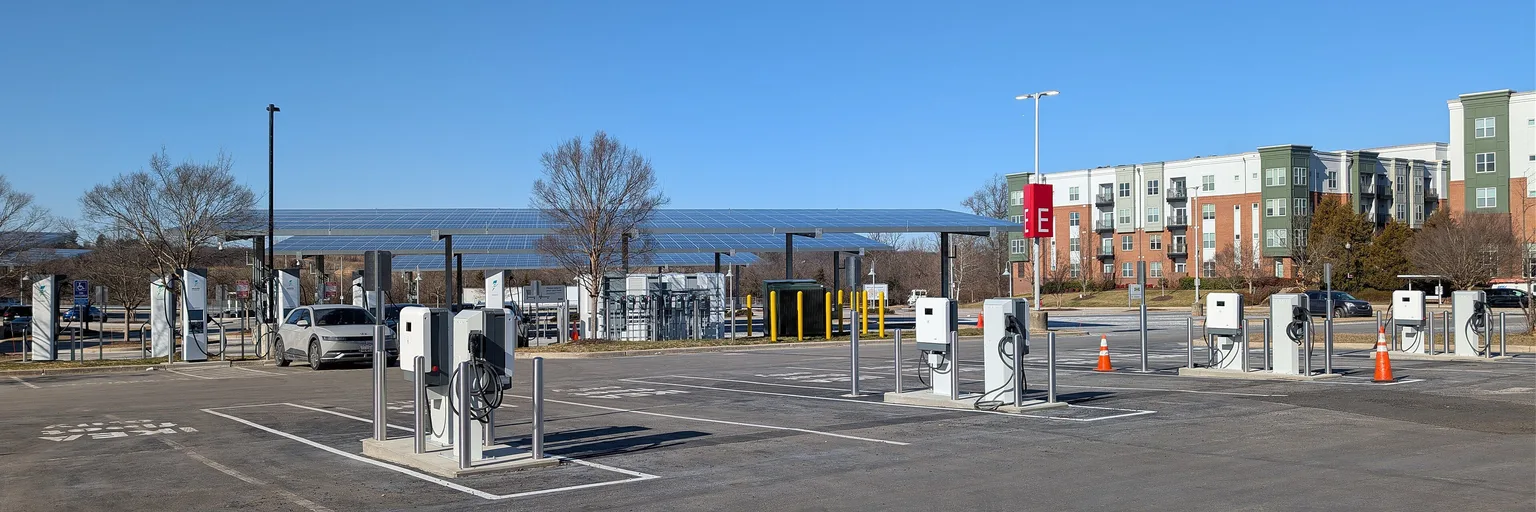
Škoda Peaq: the family EV that bets on space, not on spec-sheet hype
A big electric SUV with optional seven seats from the Volkswagen Group's value brand is the practical answer family buyers have wanted, if they read the lease sheet first.