BYD's 2027 solid-state car is a real milestone, not a reason to wait
BYD's 2027 solid-state target looks credible as a milestone, but with no model, price or volume named, nobody should pause an EV purchase over it.
Photo: BYD / sala de prensa (uso editorial)
Solid-state batteries have been "two years away" for so long that the phrase is practically a running joke. So when BYD plants a date, 2027, the right question isn't whether to get excited. It's whether the date means anything for the person who has to decide on a car this year.
Our answer: the date is credible, the car is not yet a product, and the gap between the two is where buyers should keep their money in their pockets.
The date is credible because it's small, and because BYD has said it before
What happened is simple. In an interview filmed in Valencia in mid-September, BYD executive vice president Stella Li said the company will have a first model with the technology next year, and claimed BYD holds the lead in solid-state batteries both in technology and in commercialization, as Les Numériques reports. She named no vehicle, quarter or volume. According to that same outlet, CarNewsChina's sources point to Yangwang's flagship sedan, but BYD has not confirmed it.
Why do we still take the date seriously? Because it isn't new. The same outlet notes that a FinDreams Battery executive talked about first demonstration installations around 2027 back in February 2025, with mass production around 2030. The 2027 target hasn't moved in nearly two years, and that matters more than any single interview. Companies that are bluffing tend to shift the goalposts. This one has mostly repeated itself.
Just as important, the ambition is modest. Every report we've seen describes 2027 as small-scale: demonstration units, test cars, a small premium batch. Auto Plus notes that mass production of the electrodes in question doesn't exist on any line yet. Hitting a pilot milestone is a very different promise from selling solid-state cars to the public, and BYD is only promising the first.
"First solid-state car" can mean almost anything
Here is where we'd be skeptical. A "first model equipped with the technology" could be a showroom car sold in meaningful numbers, or a technology showcase. Nobody knows, as Les Numériques points out. That ambiguity is convenient: BYD wins the headline whether it delivers a handful of cars or thousands.
Then there's cost. According to Les Numériques, the sulfide precursors BYD is betting on currently cost tens of times more than conventional materials, and BYD's chief scientist reserves the technology for premium models, with LFP batteries still powering most of the range. Capcar's overview makes the same point: the first solid-state batteries will be reserved for premium models. Translation, in our view: even if the 2027 car shows up, it will probably not be the affordable BYD that made the brand famous.
And the range numbers floating around, 1,500 km in some sources and 2,000 km in the patent coverage, are targets and marketing arguments, not measured results. Auto Plus itself calls the 2,000 km figure a marketing argument to calm range anxiety. We'd file all of it under "interesting, unverified."
The race is real, which is exactly why you shouldn't wait
The most convincing evidence that 2027 isn't just a slogan is that everyone is aiming at it. Geely has confirmed solid-state batteries in its brands' vehicles next year, and Automobile Propre reports that mass production is now expected for 2030 for Geely and its Chinese peers. Toyota targets 2027 or 2028, per Les Numériques. When an entire industry converges on one pilot year, that looks to us like coordinated engineering progress, not one company's PR.
But look at what that timeline means for a buyer. Small batches in 2027, mass production near 2030, and a price premium at the start. If you need a car now, waiting for solid-state means waiting for a technology that, in its first form, you probably won't be able to afford, and in its mature form, won't arrive for roughly three more years. Meanwhile, today's batteries keep improving and cars depreciate on their own schedule.
Our recommendation is plain. If you're shopping for an EV, buy the one that fits your use and budget today. Don't treat 2027 as a deadline for your decision. Treat it as a checklist for BYD: name the model, give a price, state a production volume, publish a real-world range figure. Until those four things exist, "solid-state in 2027" is a milestone for engineers and investors, not a reason for drivers to hit pause.
One more note for US readers: nothing announced so far says this car will be sold in the United States, so assume nothing on that front either.
No topics yet: start the first one.
More stories
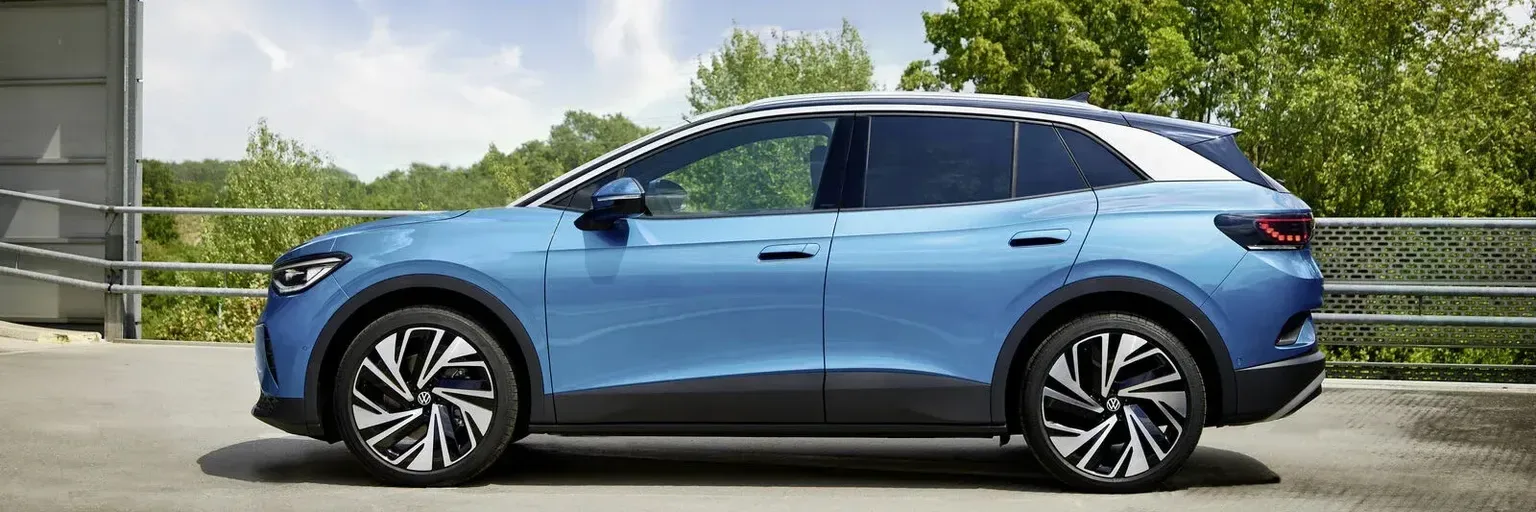
VW's 80% charge cap is a safety fix, and a reminder of who holds the keys
A remote cap on ID.4 charging may be justified by fire risk, but it shows how over-the-air power can shrink what you bought. Owners need clear terms and compensation.
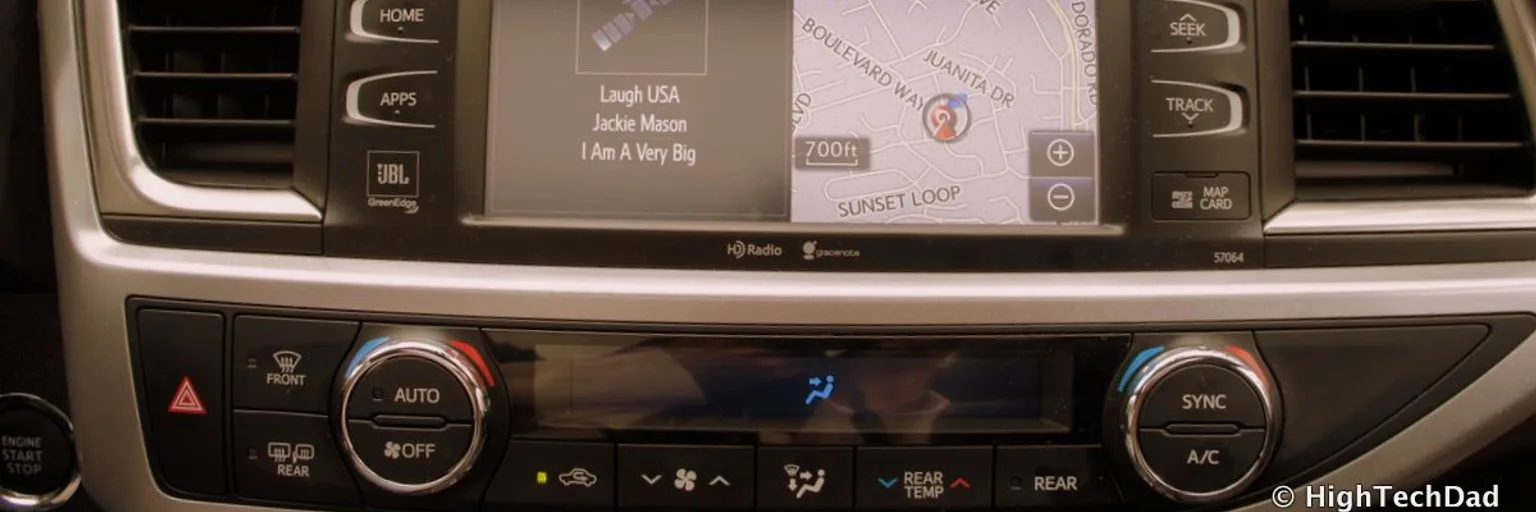
Touchscreens aren't the villain: lazy cockpit design is
Allianz's Motor Day data suggests the real danger isn't the screen itself but what carmakers bury inside it. Core controls belong on buttons, and buyers should demand them.
GM’s Self-Driving Reset Is Really a Software Reality Check
GM is betting that a new computing architecture can turn autonomy from an expensive promise into useful, dependable features customers will pay for.

The DB5's Eternal License to Thrill: Why Connery's Bond Still Defines Automotive Desire
The Aston Martin DB5 from 'Goldfinger' remains an unparalleled icon, proving that cinematic legacy and classic design can overshadow the latest innovations in defining automotive desire.