Drivesfera Newsroom
Used Chinese EVs are the tariff loophole nobody planned for
A headline claims used Chinese EVs are up 280% in Europe, a figure we can't verify. Either way, tariffs seem to reroute demand, so check warranty and parts support.
A headline claims used Chinese EVs are up 280% in Europe, a figure we can't verify. Either way, tariffs seem to reroute demand, so check warranty and parts support.
Rivian jumped from 10th to second among US EV brands, but the vans did the heavy lifting while the R1 faded. The US market's real signal is less flattering.
Weakening the 2030 ZEV target would hit buyers who already save money with EVs and reward laggard carmakers. Stable rules matter more than generous incentives.
Tariffs and hybrid quotas are pushing BYD to build in Europe. Buyers and workers may gain, but the trade war now moves inside EU borders.
Audi's $4 billion US factory answers tariffs and politics first. It only becomes good news for American buyers if it brings lower prices and SUVs built for them.
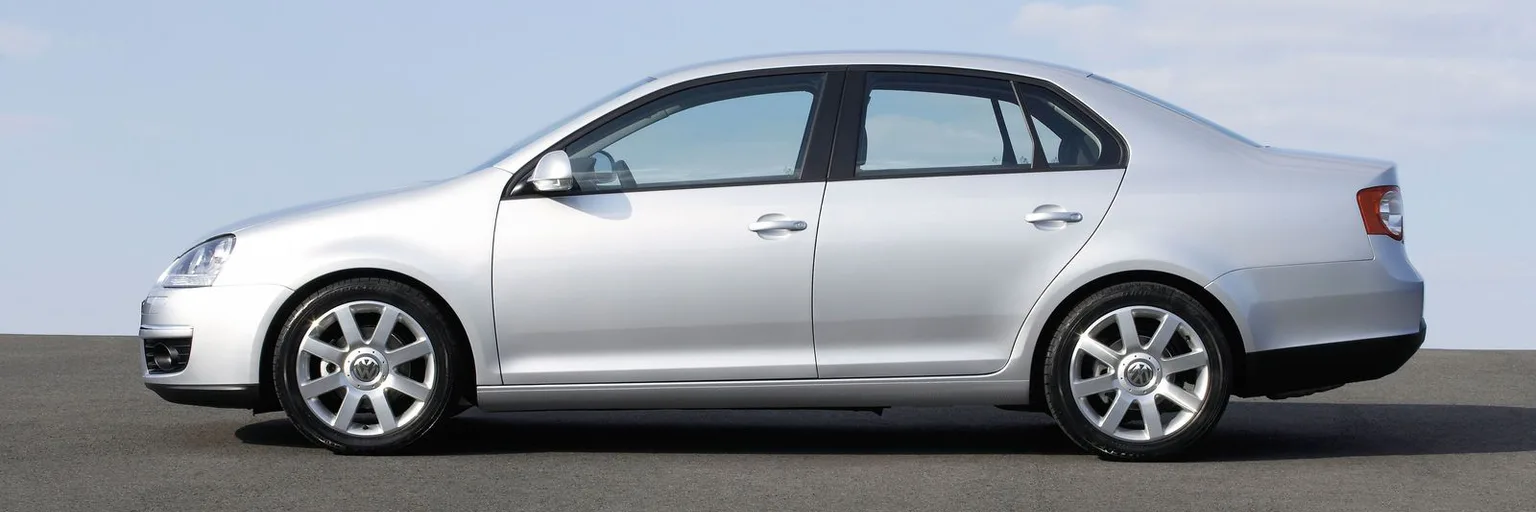
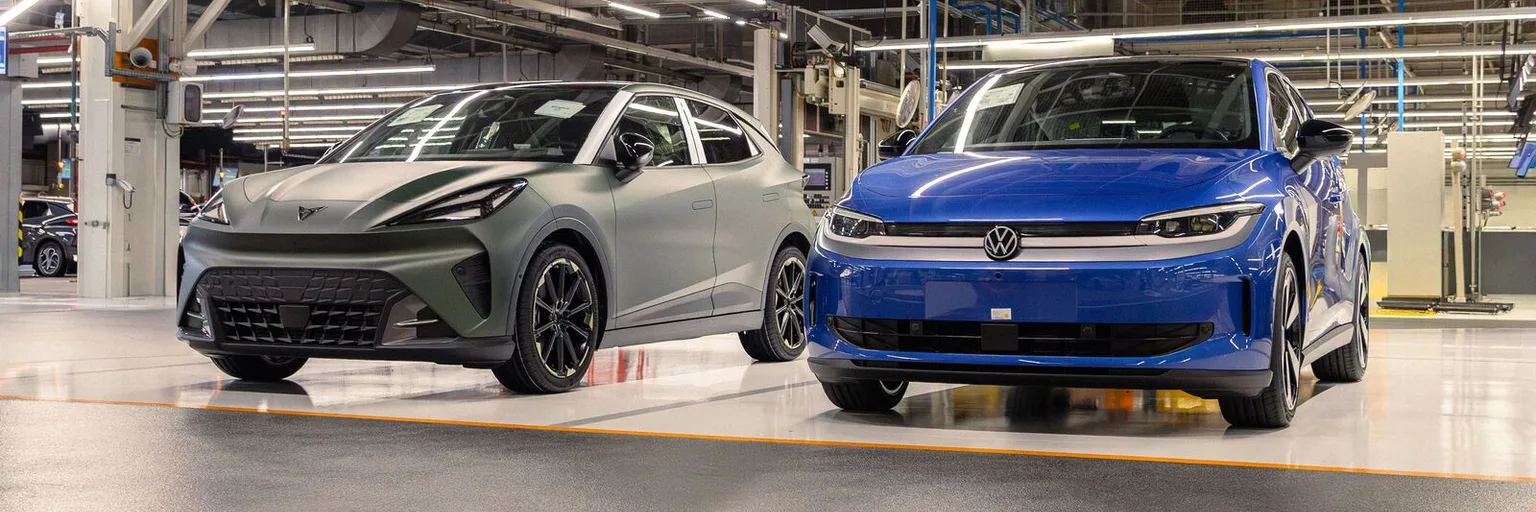
Volkswagen's 79,800-yuan Jetta M6 took 10,000 locked orders in 19 hours. The lesson isn't about tech; we think buyers reward parity pricing, which VW struggles to offer at home.
BYD's 2027 solid-state target looks credible as a milestone, but with no model, price or volume named, nobody should pause an EV purchase over it.
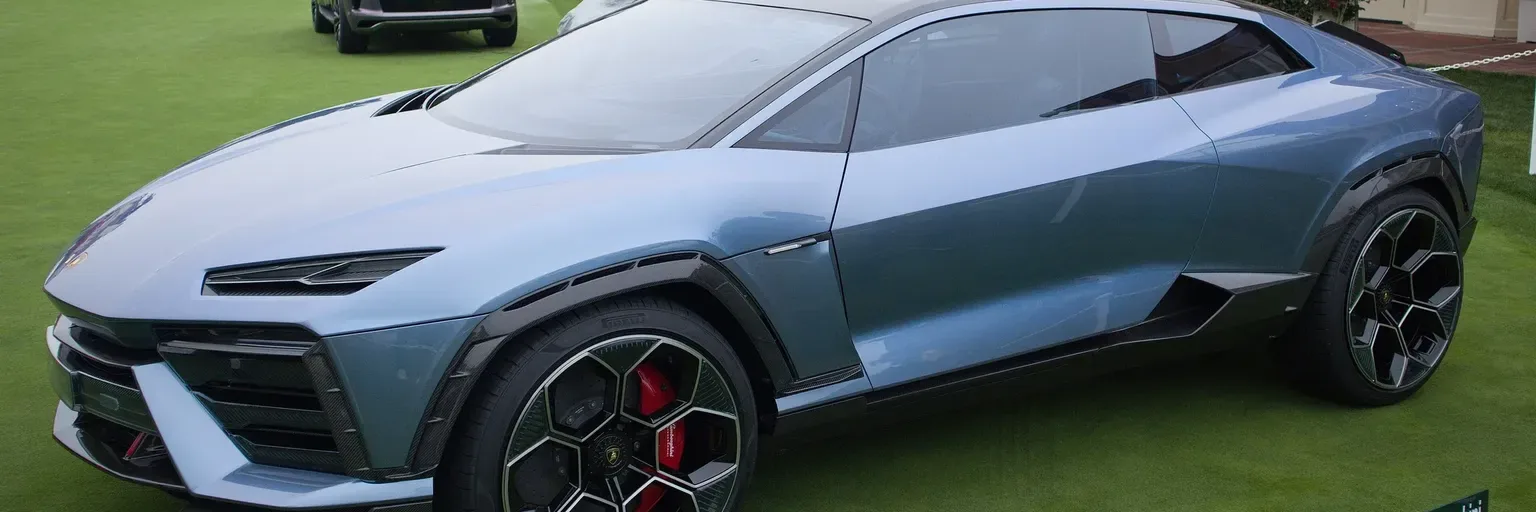
Lamborghini swapped the all-electric Lanzador for a plug-in hybrid, and its CEO says buyers are happy. We think the EV-only super-GT was a bet on the wrong customer.
Marc Márquez took the points lead at Phillip Island as Jorge Martín broke his arm. The Ducati era looks less like a machine story than a fitness-list story.
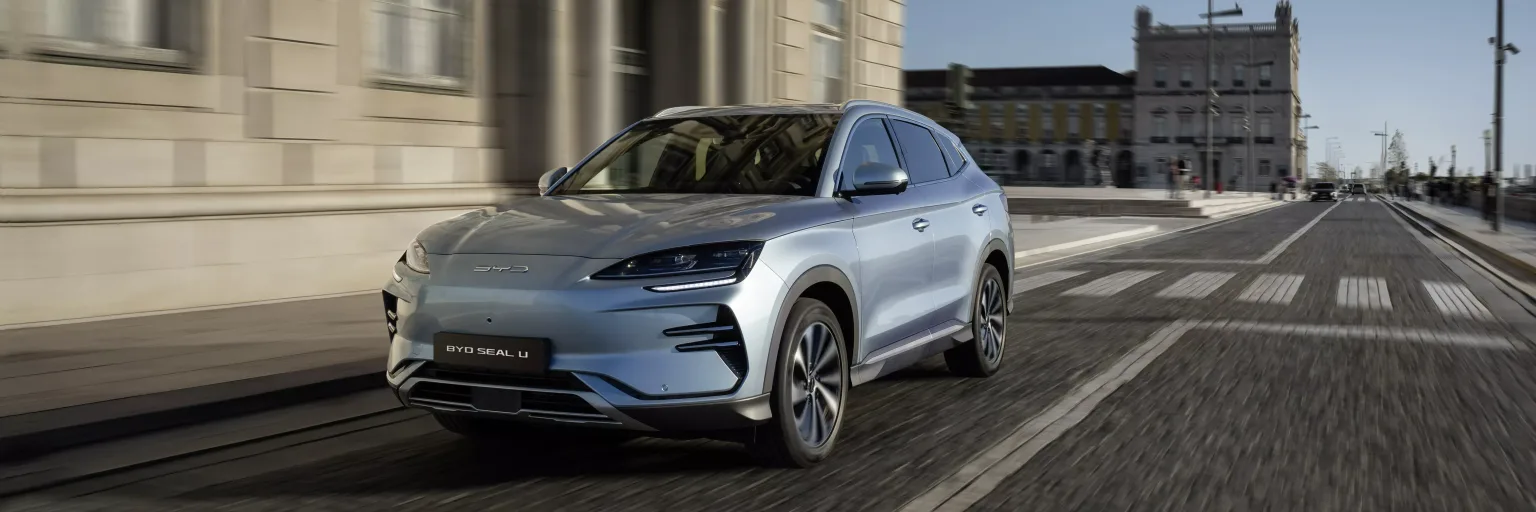
BYD's Flash Charging promises a 10%-70% charge in five minutes, but until Europe has chargers and grid capacity to match, it's a showpiece rather than a daily benefit.
Stellantis' pivot to 24 full hybrids by 2030 shows realism after years of zigzagging on EVs, but it risks arriving late. Buyers should wait for real efficiency numbers.
A second battery recall in one year shows EV quality control still trails the marketing. Owners shouldn't panic, but they should demand straight answers from VW.
Letting Geely's premium brands use Volvo's European factories from 2028 should cut costs and dodge tariffs, but it makes brand discipline Volvo's most urgent job.
The iX5's 363 km in 10 minutes is a bigger deal than its 845 km range, but only if the chargers you can actually find deliver a curve close to the demo.
A Chinese discount of about 40%, if it holds, exposes a Western defense built on tariffs and brand loyalty that is thinner than it looks.
Stellantis is promising two Chrysler crossovers under $30,000 in a market priced out of new cars. The idea is smart; the real test is what happens after "starting at."
Chery's chief apologized after an Omoda 5 lost its rear axle in Malaysia, but a repeat failure shows Chinese brands abroad will be judged on durability and honest recalls.
Stellantis' first annual operating loss is being read as proof EVs failed. We think it proves something else: years of whiplash cost far more than any single technology bet.
The Torcal First Edition suggests luxury buyers want spectacle and silence together, but horsepower is the easy part: making electric feel like Bentley is the hard one.
The new Seagull starts under $10,000 in China with five-minute flash charging on higher trims. Western brands should worry, but whether Europeans benefit depends on what happens after the port.