Used Chinese EVs are the tariff loophole nobody planned for
A headline claims used Chinese EVs are up 280% in Europe, a figure we can't verify. Either way, tariffs seem to reroute demand, so check warranty and parts support.
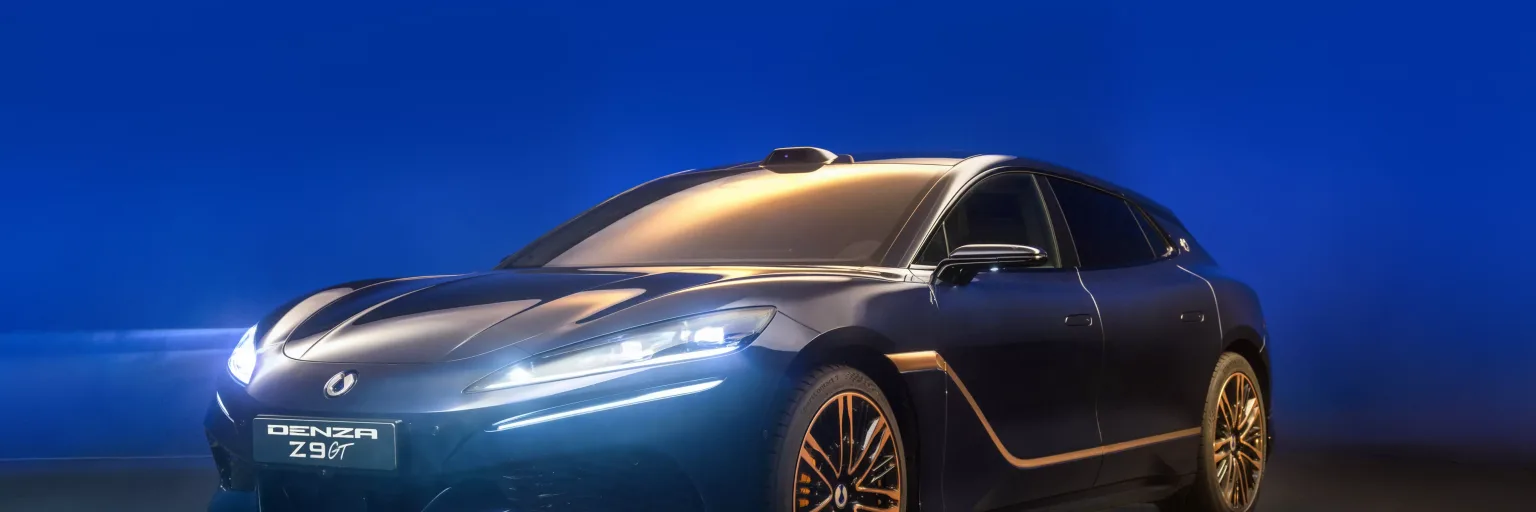
Photo: original: Michael Movchin edited by Felix Müller / Wikimedia Commons (CC BY-SA 3.0)
If a tariff is meant to keep Chinese electric cars out of Europe, what does it mean when the used ones start flying off the lots? Our reading: the policy didn't stop demand. It sent it through the side door.
The trigger is a headline from Italian outlet Vaielettrico, which points to a 280% increase tied to used Chinese electric cars in Europe. It links that to duties on new Chinese electric cars, limits on plug-in hybrid imports and expensive fuel. The snippet we have is short, so we can't verify what exactly is being measured (sales, registrations, listings), which dataset it comes from or what period it covers. Treat the 280% as a headline figure, not a settled one.
The ingredients, though, are well documented elsewhere. Italian site Futuro Prossimo notes that a new Chinese EV can pay up to 45.3% in taxes to enter the EU, while a used one stays outside that tax. And Reuters reported in March that used EV sales were jumping in Europe as the Iran war pushed up petrol prices.
The tariff did its job on paper and missed it in practice
The duties were meant to protect European manufacturers. Yet The Guardian reports that Chinese brands took 14.2% of battery-electric sales in western Europe in the first five months of the year, about one in seven. That's up nearly five percentage points on the year before, despite EU duties of up to 35.3% for some manufacturers on top of the standard 10% import duty (which is how you get to 45.3%).
So buyers wanted these cars at the tariffed price, and exporters found routes around the barrier: lower tariffs in the UK, subsidies in Italy, and plug-in hybrids that aren't hit by the EV levy. A used-car market looks like the next pressure valve. A car that has already been imported and registered is no longer a customs problem. It's just a cheaper car.
We think that's the real lesson. Trade policy can raise the entry price of new cars, but it can't easily tell a consumer who wants affordable electrification to stop looking. Demand finds the gap, and the gap may increasingly be secondhand.
Used buyers are getting a bargain on the price and a gamble on the paperwork
We understand the appeal. With fuel expensive and new Chinese EVs carrying a tariff premium, a used one looks like the sensible way to go electric. We'd defend that logic.
But the risks are not in the sticker price. They're in what happens in year three. Many Chinese brands are young in Europe, and the sector is moving fast. Some manufacturers are reportedly exploring joint production arrangements in Europe, according to the Rhodium Group, though most of those discussions remain preliminary. That's a reminder that this industry's footprint is still being drawn. Nothing in our documentation says any brand will vanish, and we won't suggest it. The point is narrower: a used buyer inherits whatever support network exists today, not the one promised in a press release.
Our checklist would be:
- Warranty transfer. Is the remaining coverage, especially on the battery, valid for a second owner and in your country?
- Import route. Was it sold through an official channel or grey-imported? That can change what a dealer will honor.
- Parts and service. Is there an authorized workshop within reasonable distance, and can it get parts?
- Software support. Ask who handles updates and connected services on an older car.
None of these are specific to Chinese cars in theory. In practice, they matter more with newer entrants whose networks are still thin.
Policymakers should read the used market as a signal, not a glitch
There's an uncomfortable point for Brussels here. Eurac Research argues that the duties raise costs and slow the green transition. We'd go a step further, and this is opinion: if the response to dear new cars is a rush into used ones, the market is telling regulators what buyers will pay for.
Expect more pressure to tighten rules. The Guardian notes that Handelsblatt has reported the EU is considering extending the levies to plug-in hybrids. If that happens, we'd bet the used market gets even more attention. Whether it can keep up depends on supply, which in our view is limited by how many Chinese EVs were sold new in the first place.
Our verdict
Buy used Chinese EVs if the numbers work, but treat the warranty and service network as part of the price. A cheap car with no parts pipeline isn't cheap. And for policymakers, the 280% headline, however rough, is a warning that a tariff is a speed bump, not a wall.
No topics yet: start the first one.
More stories
Rivian's No. 2 EV ranking is built on vans, and that's a shaky foundation
Rivian jumped from 10th to second among US EV brands, but the vans did the heavy lifting while the R1 faded. The US market's real signal is less flattering.
The UK's EV U-turn would punish the drivers who already did the right thing
Weakening the 2030 ZEV target would hit buyers who already save money with EVs and reward laggard carmakers. Stable rules matter more than generous incentives.

Jetta M6's 10,000 orders in 19 hours show price is the spec that matters
Volkswagen's 79,800-yuan Jetta M6 took 10,000 locked orders in 19 hours. The lesson isn't about tech; we think buyers reward parity pricing, which VW struggles to offer at home.
1,500 kW charging is a halo: the Denza Z9GT still needs a grid
BYD's Flash Charging promises a 10%-70% charge in five minutes, but until Europe has chargers and grid capacity to match, it's a showpiece rather than a daily benefit.