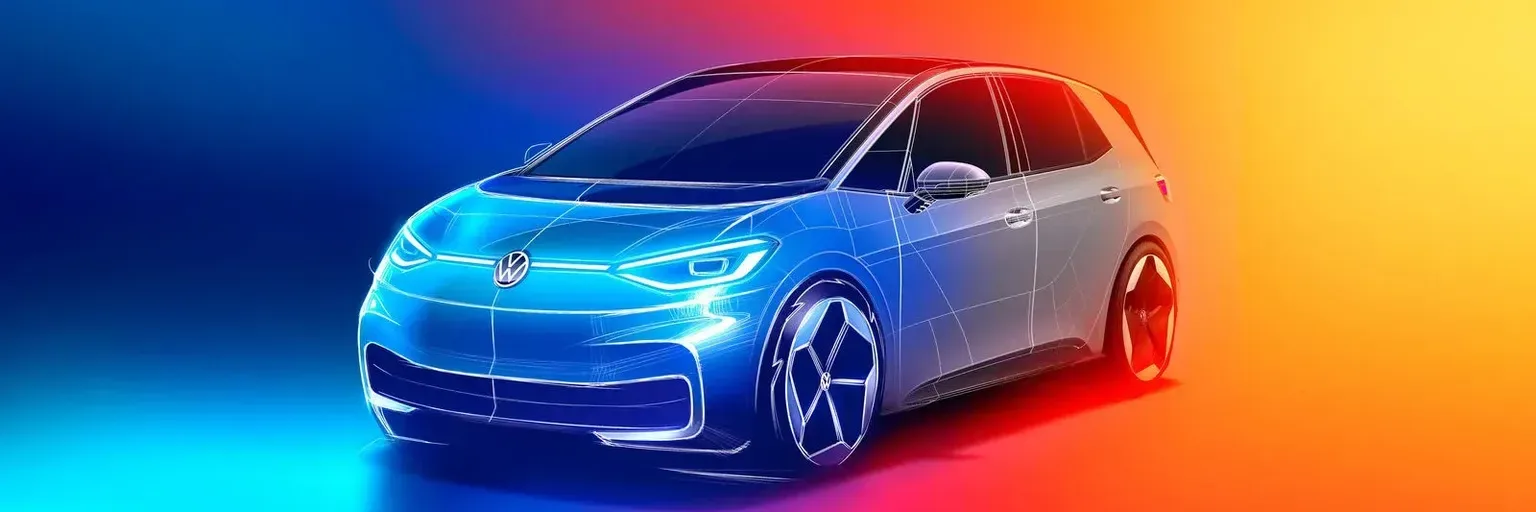
Volvo's plants building Geely cars is smart, but only if Sweden stays visible
Letting Geely's premium brands use Volvo's European factories from 2028 should cut costs and dodge tariffs, but it makes brand discipline Volvo's most urgent job.
Photo: Lynk & Co / sala de prensa (uso editorial)
What does "built by Volvo" mean when the car on the line isn't a Volvo? That question is about to stop being theoretical. If the plan holds, the factories that have made Volvos in Europe will also assemble cars for their Chinese siblings, and the badge on the hood will say less about the factory floor than it used to.
The news, in short: Geely Auto's new chairman, An Conghui, said that premium models from the group will be built in Volvo's European plants starting in 2028, as Autonews reports. Geely hasn't said which models or which factories. Zeekr and Lynk & Co look like the obvious candidates. Volvo runs plants in Torslanda (Sweden) and Ghent (Belgium) and is adding a new EV plant in Košice (Slovakia), due to open in 2027.
The tariff math is the real engine, and it's hard to argue with
Spanish outlet Motor16 puts the logic plainly: Chinese EVs pay an extra 18.8% duty in the EU on top of the usual 10%, for 28.8% in total, and that burden disappears if the car is assembled inside Europe. (The EU sets different rates per manufacturer, so Geely's figure isn't everyone's.) Building a new factory means investing billions and waiting years. Borrowing an existing one is a conversation between siblings.
We think this is the smartest tariff dodge on the board. BYD already producing in Hungary and MG announcing a plant in Spain are chasing the same goal the expensive way. Geely already owns European plants through Volvo, and the engineering relationship that goes with them. The Ghent plant already builds the EX30 on Geely's SEA platform, so the leap is shorter than it sounds.
Shared lines can work for Volvo's factories too
No source says Volvo's lines are empty, so we won't claim it. But the logic of sharing plants is simple: a factory that runs more cars is cheaper per car. In our view, Volvo gets a utilization argument and Geely gets a European address. For workers in Belgium and Sweden, a busy line probably beats a debate about badges. That's the strongest case for calling this a smart move rather than a rebrand.
"Made in Europe" will survive; "Swedish" is the part at risk
Here is where we get nervous. Volvo's pitch has long leaned on European provenance, build quality and a premium feel. La Sexta already frames Geely as the one who stands to gain from that: if Zeekr and Lynk & Co come out of the same plants as Volvo, it argues, Geely gets harder to dismiss as simply another Chinese brand.
That cuts both ways. Geely gains credibility by association. Volvo risks diluting the very thing that makes it worth a premium. A buyer far from Europe may never notice. In Europe, where origin labels matter for tariffs and for pride, the line between "European-made" and "European brand" gets blurry fast. A car assembled in Ghent is European-made; it isn't Swedish, and it isn't a Volvo.
There's also a structural wrinkle: according to Autonocion, Volvo, Polestar and Smart sit in a separate area from Geely Automobile's own brands. That's a corporate distinction customers will never read, which is exactly why Volvo must make its own distinctions visible.
What Volvo should do
Our recommendation is simple. Keep model families, design language and marketing firmly apart. Be transparent about which cars are built where, and don't let the factory become the brand. Shared lines are fine; shared identity is not.
Verdict: a smart move, with an identity bill attached. Whether Volvo pays it depends on discipline between now and 2028, not on any tariff table.
No topics yet: start the first one.
More stories
Chinese EVs don't need to be perfect, just much cheaper
A Chinese discount of about 40%, if it holds, exposes a Western defense built on tariffs and brand loyalty that is thinner than it looks.
A CEO's apology can't weld a rear axle back on: Chery's real test
Chery's chief apologized after an Omoda 5 lost its rear axle in Malaysia, but a repeat failure shows Chinese brands abroad will be judged on durability and honest recalls.

Stellantis' record loss isn't an EV verdict. It's the bill for zigzagging
Stellantis' first annual operating loss is being read as proof EVs failed. We think it proves something else: years of whiplash cost far more than any single technology bet.

VW can't pass the EV bill on to workers or taxpayers
Reported plans for 12,000 more job cuts and a fight over a publicly funded transfer company show Volkswagen needs cars people want and a cost plan it can defend, not a bailout.