Drivesfera Newsroom
VW's €5.8 billion loss is mostly a bill, but the EV margin is the real problem
Volkswagen's Q3 loss is inflated by one-off charges, yet the CFO's admission that EVs earn less than combustion cars is the line that matters most.
Volkswagen's Q3 loss is inflated by one-off charges, yet the CFO's admission that EVs earn less than combustion cars is the line that matters most.
A 25% smaller EV loss suggests Ford's electric bet is fixable, but its truck and combustion profits are still paying for a transition with no cheap hit yet.
Toyota's racing mule now looks like a proper mid-engine coupe. The spirit of the MR2 is back; whether enthusiasts can afford it is the real question.
April 2027's VED rise is a routine inflation uprating, but with eVED arriving in 2028, buyers choosing between EVs and petrol need stable rules more than a low rate.
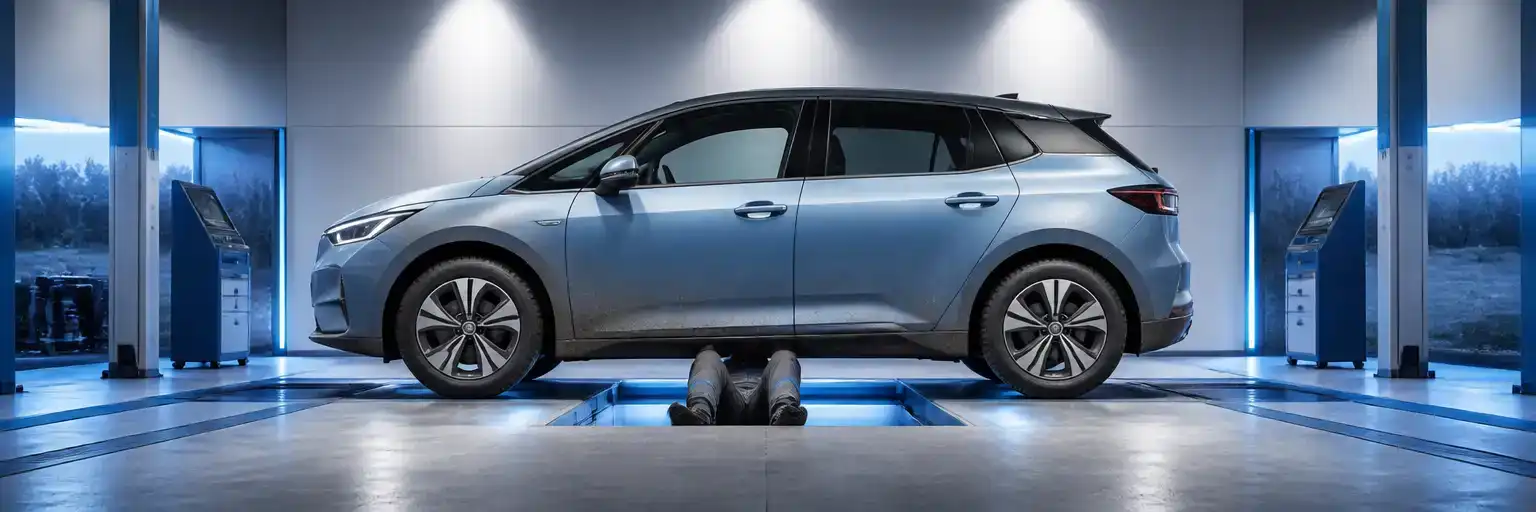
A UK analysis of 47.4 million inspections suggests high-mileage EVs fail less often than petrol cars. The mileage fear looks like the wrong number to worry about.
A 1,000 km range promise tells you little until it's tested on real roads. Charging speed and price decide whether a battery matters to buyers.
Jaguar is deliberately courting division with the Type 01. It's a bold strategy, but it only works if the car and a price of about $130,000 justify the fight.
Renault is reportedly trading a flood of launches for better existing EVs. It's a buyer-friendly bet on Chinese competition, but only if the updates are real and prices stay sharp.
Svolt's mass-produced 100-kWh Dragon Armor pack shows semi-solid is a real shortcut. The 12-minute and million-km claims are still marketing until independent data shows up.
Building the ORA 5 in Europe from 2027 shows Chinese brands must localize to compete. The harder question is whether the car stays cheap once it leaves China.
Using Xpeng-co-developed software to close an €8,000 cost gap is pragmatic for Volkswagen, but European buyers and regulators should demand clear answers on data and updates.
Sales up in a flat market, a factory tour that left Italian journalists impressed, and a supply deal with KTM: European makers should stop treating Chinese bikes as budget fare.
CATL and Huawei promise a 99-second battery swap, but without packs shared across brands it remains a closed-network perk rather than a real answer to charging.
Chinese brands took 12.7% of Europe's market against Japan's 11.9% in a quarter. The real story is that origin has stopped being a reason to buy or to avoid a car.
Dropping the EV-only 2030 goal says less about a petrol revival than about ultra-luxury buyers who want silence and choice, and a pledge that was always a marketing line.
A 499-unit hybrid supercar can restore Audi's swagger, but only if buyers feel something a Lamborghini cousin can't give them. Power alone won't do it.
Hyundai is right to chase engagement in EVs, but a simulated gearbox only deserves respect if it adds something real, not just theater on top of a quicker car.
New European data says real-world PHEV emissions are only 14% below combustion cars. The label isn't the problem; the way we measure and reward it is.
A headline claims used Chinese EVs are up 280% in Europe, a figure we can't verify. Either way, tariffs seem to reroute demand, so check warranty and parts support.
Rivian jumped from 10th to second among US EV brands, but the vans did the heavy lifting while the R1 faded. The US market's real signal is less flattering.